
Best French Horror Movies
French horror tends to arrive with culture and then stab through it. The national tradition carries literary prestige, surrealist residue, arthouse severity, and a recurring desire to vandalize good taste from inside the salon. That is why the best French horror movies often feel elegant and indecent at once. They are not embarrassed by ideas, but neither are they willing to leave bodies alone. The list below moves from poetic classicism to the New French Extremity and beyond because French horror is strongest when refinement and cruelty start feeding each other.
Watch these free right now
The best French horror movies do not choose between thought and sensation; they want both. From Franju's surgical dream-state to Denis's erotic hunger, from Aja and Laugier's assaults to Ducournau's ferocious transformations, the tradition keeps returning to the same rude insight: civilization is a thin finish, and scratching it makes the body start talking.
The films on this list

Eyes Without a Face 1960
Franju's great early proof that surgical horror can be lyrical and deeply unsettling at once. The white mask and clinical precision make the violence feel sacrilegious rather than merely gory.

Trouble Every Day 2001
Claire Denis drags desire toward cannibalism and refuses to sort where eroticism ends and predation begins. She makes hunger feel intimate enough to be embarrassing.

High Tension 2003
Alexandre Aja gives the New French Extremity one of its purest assault mechanisms, all propulsion and brute sensory aggression. Its controversial twist never erased its statement of intent: French horror was done being tasteful.
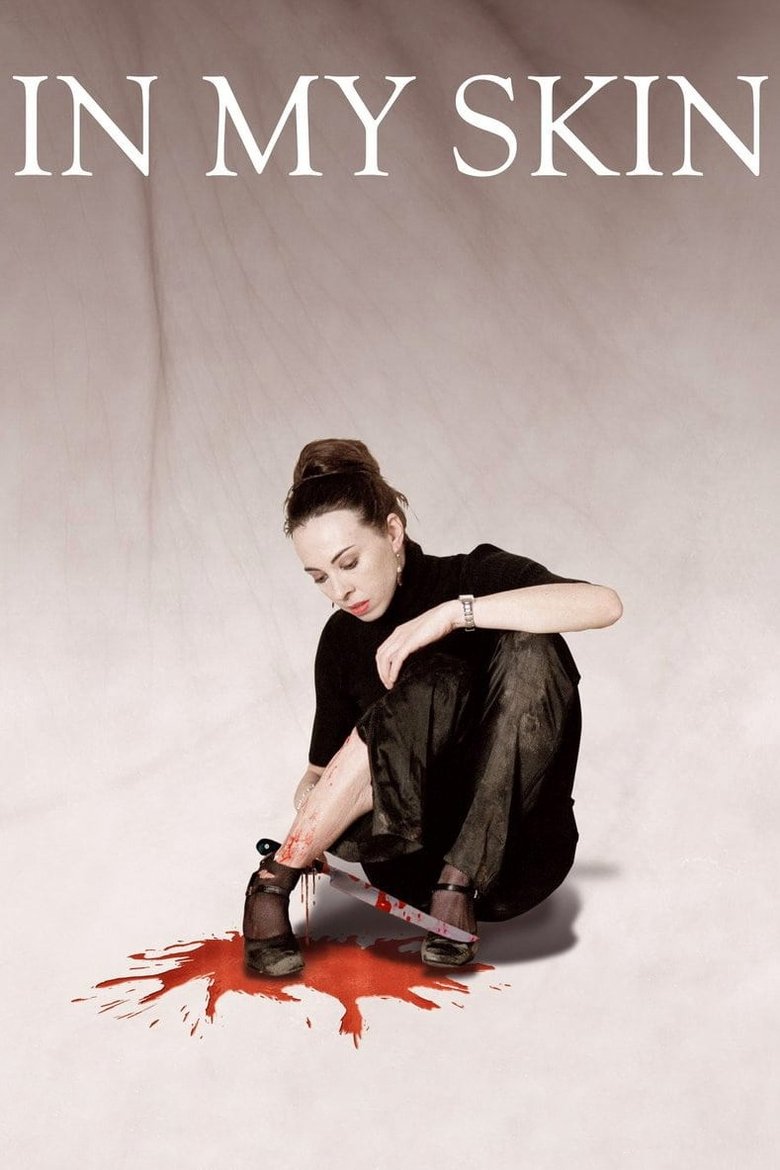
In My Skin 2002
Marina de Van makes body horror so intimate it feels almost private, turning self-harm and estrangement into a cool, unshakeable study of embodiment. Proof that French extremity was never only about external violence.

Inside 2013
Bustillo and Maury reduce grief and maternity terror to a home-invasion nightmare that barely lets you breathe. Vicious but not empty, it converts private trauma into literal siege.
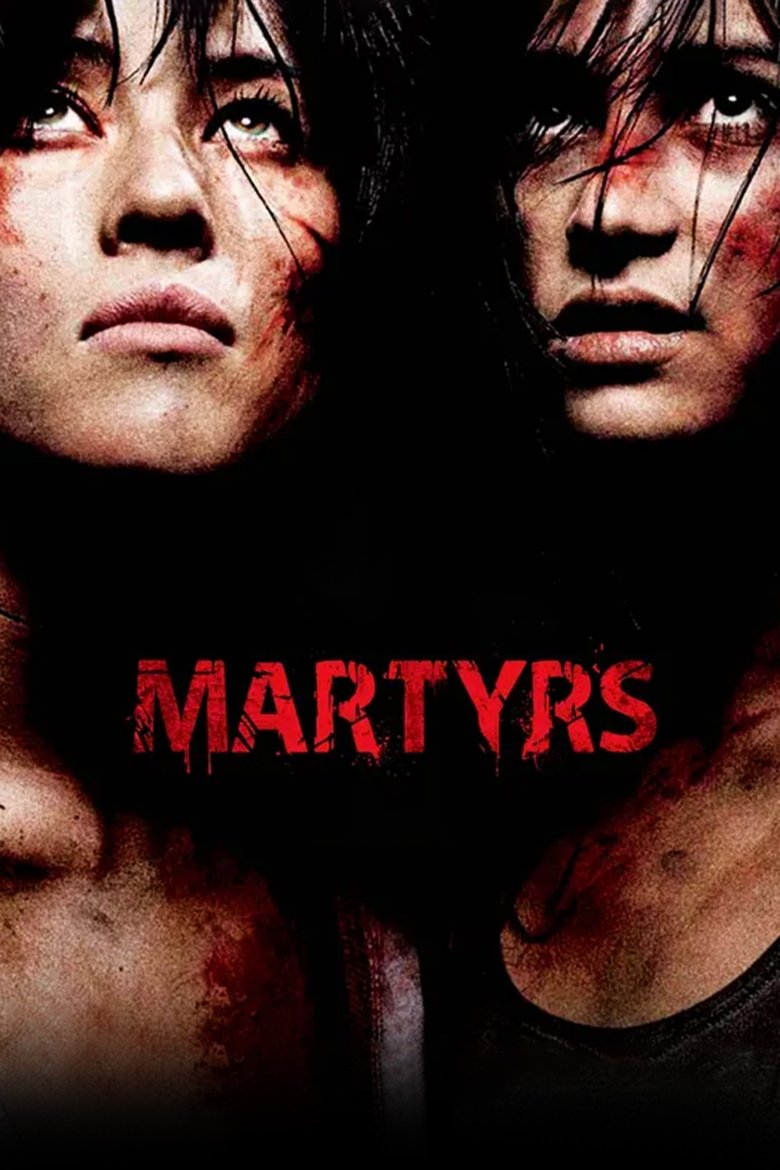
Martyrs 2008
Pascal Laugier pushes suffering toward metaphysics, and the philosophical cruelty under the surface is what keeps it central. He asks what institutions will do to bodies once transcendence becomes an experiment.

Raw 2017
Julia Ducournau shows how French horror renewed itself after the extremity years, tackling appetite, family lineage and the embarrassment of becoming what you are. Sharp, funny, bloody and unafraid of intelligence.

Inside 2007
A pregnant widow, Christmas Eve, and Beatrice Dalle at the door wanting what is inside. Bustillo and Maury keep the 2005 riots burning on the television, so the siege is never only domestic.

Them 2006
Seventy-seven minutes, a French couple in an isolated Romanian house, and attackers who turn out to be children playing. Moreau and Palud know that nothing explained frightens harder than any motive.

Frontier(s) 2007
Gens opens on Paris burning after a far-right win at the polls, then feeds his fugitives to an inn run by neo-Nazis. Crude, furious, and the most explicitly political film the New French Extremity produced.

The Night Eats the World 2018
Anders Danielsen Lie wakes alone in a Paris building after the outbreak and the film stays there: rationing tins, playing drums, talking to Denis Lavant through a lift grille. Loneliness as the actual monster.
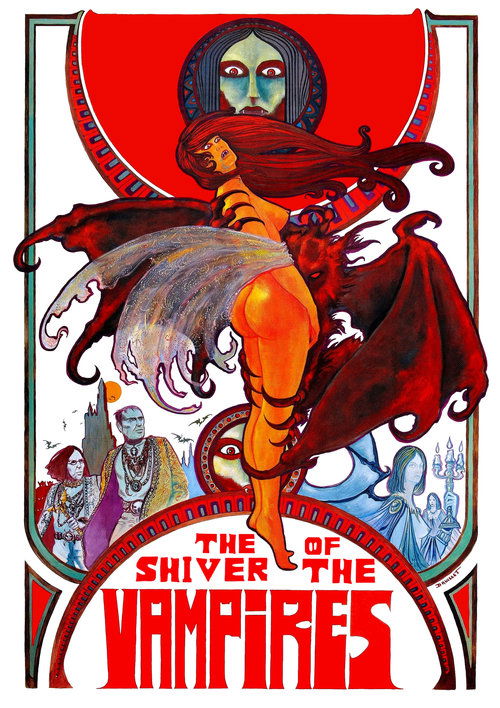
The Shiver of the Vampires 1971
A honeymoon detours to a chateau where two erudite cousins lecture on vampirism and a woman steps out of a grandfather clock. Acanthus supply the fuzz guitar, Rollin supplies the ruins.

The Rape of the Vampire 1968
Released in Paris in May 1968, a short padded out into two parts, and the audience rioted. Rollin's debut is barely coherent black and white, and every idea he spent forty years refining is already in it.

The Nude Vampire 1970
Rollin's first film in colour, and he spends it on animal masks, a Parisian industrialist chasing immortality, and a cult in matching capes. Pop art as occultism, or possibly the reverse.

Lips of Blood 1975
A man sees a photograph of a ruined castle at a party and walks Paris all night to find it, because a girl he met as a child is waiting there. Rollin's most romantic film, and his saddest.
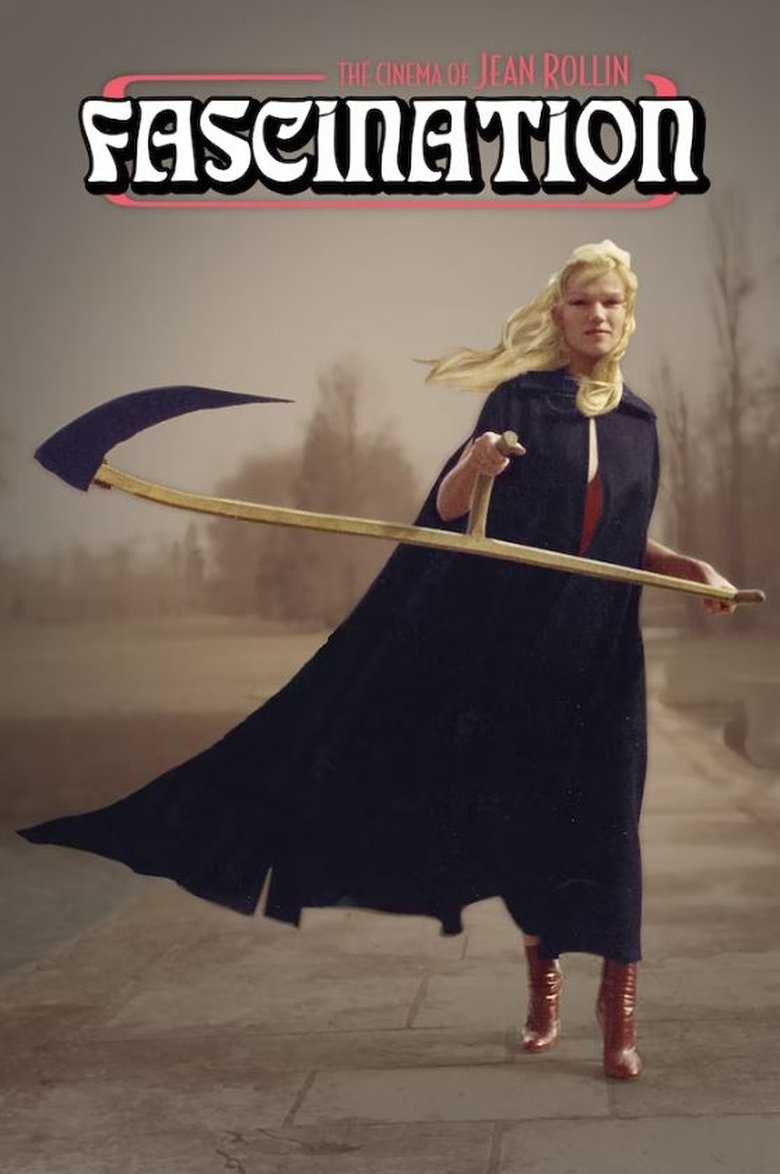
Fascination 1979
1905, a chateau, women who took the ox-blood cure and acquired the taste, and Brigitte Lahaie crossing the drawbridge with a scythe. The thief who thinks he is in charge is very much not.

The Living Dead Girl 1982
A chemical spill wakes Catherine in the family crypt, and her childhood friend starts procuring victims to keep her there. Rollin's most brutal film is also the only one really about loyalty.
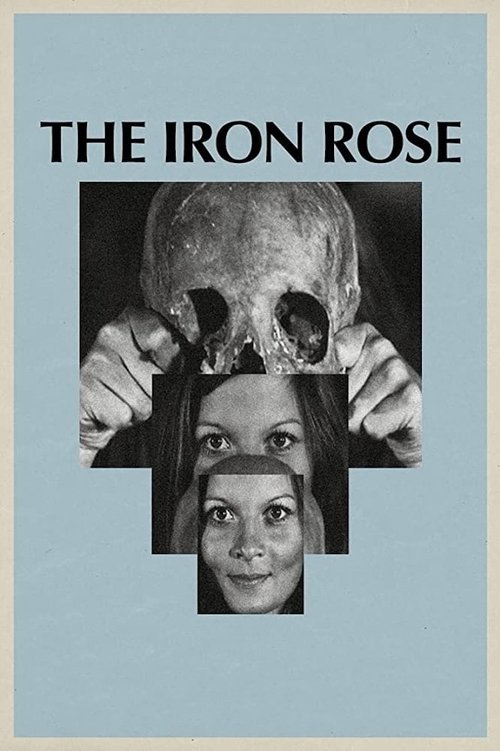
The Iron Rose 1973
A couple wander into a cemetery after a wedding and cannot find the way out before dark. No vampires, almost no plot, and the purest thing Rollin ever shot: two people and an enclosure.
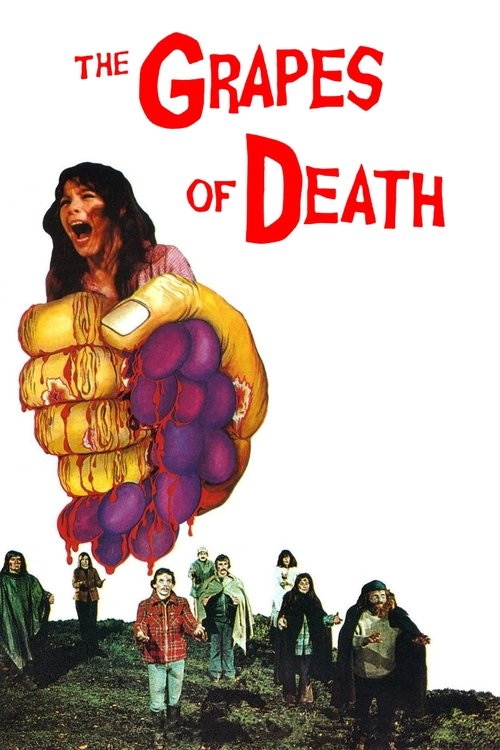
The Grapes of Death 1978
Pesticide in the wine turns a wine-growing region into a rotting, homicidal one, and Rollin discovers gore. Rural France is the whole horror: empty stations, locked farmhouses, nobody coming.

Delicatessen 1991
Jeunet and Caro build a tenement above a butcher who solves the meat shortage with his lodgers, then film it as a love story with impeccable comic timing. Cannibalism as a question of good manners.

Baxter 1989
A bull terrier narrates his own career through three owners, judging each and disposing of the disappointing ones. Boivin lets the dog be perfectly reasonable, which is exactly the problem.
More shorts to watch