

Best Witch Movies
Witch movies are less unified than people assume. Some belong to folk horror. Some bleed into fairy tale, supernatural horror, or giallo excess. Some treat the witch as persecuted outsider, some as active threat, and some as a figure of female power too unruly for the surrounding culture to tolerate without first turning it monstrous. That flexibility is part of the appeal. The best witch movies are not simply about broomsticks and spell books. They are about ritual, paranoia, appetite, and the social usefulness of naming one woman or one whole community as the place where fear should be stored. This list moves from silent Europe through Italy and into the modern revival that gave the witch back her bite.
The best witch movies know the witch is never just one thing: fear object, revenge fantasy, social scapegoat, erotic panic, and outlaw intelligence all at once. Change the century, the country, or the visual style and the figure still holds. Horror rarely gives up a symbol this useful.
The films on this list
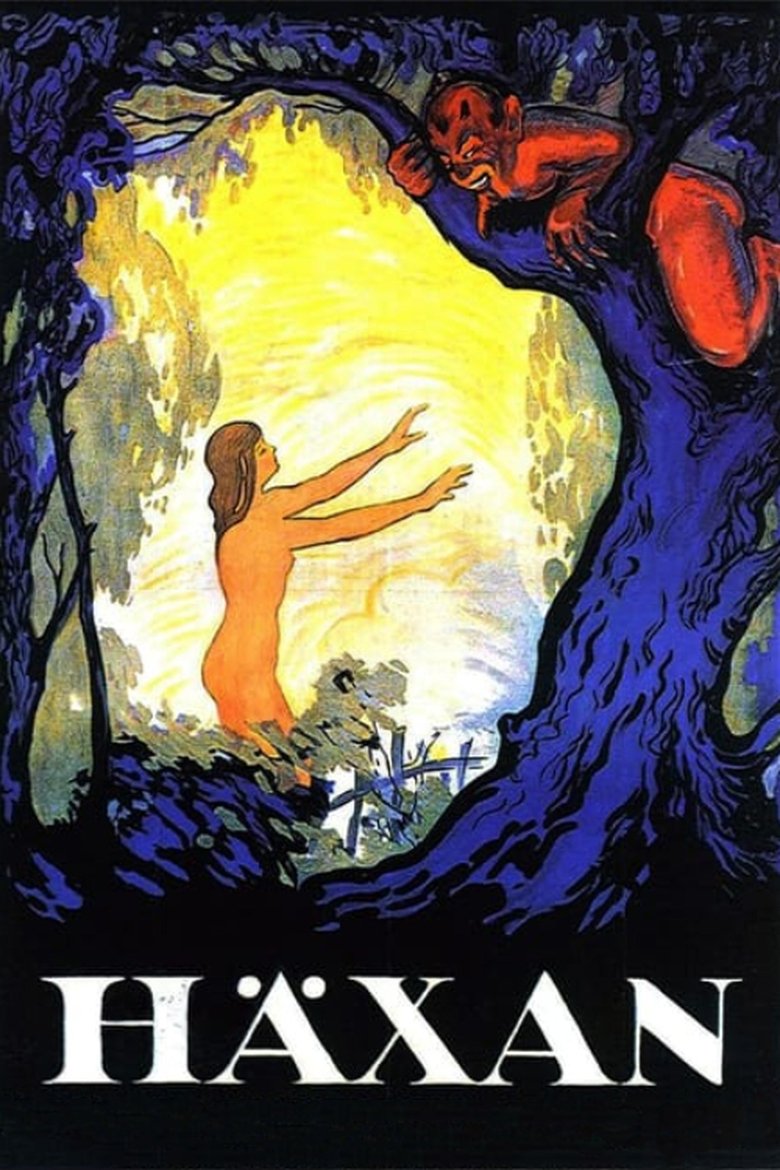
Häxan 1922
Half lecture, half delirium, Christensen treats demonology, superstition, and institutional cruelty as one thick historical stew. It grasps that a witch accusation reveals more about the accusers than the accused, and its imagery still has teeth.
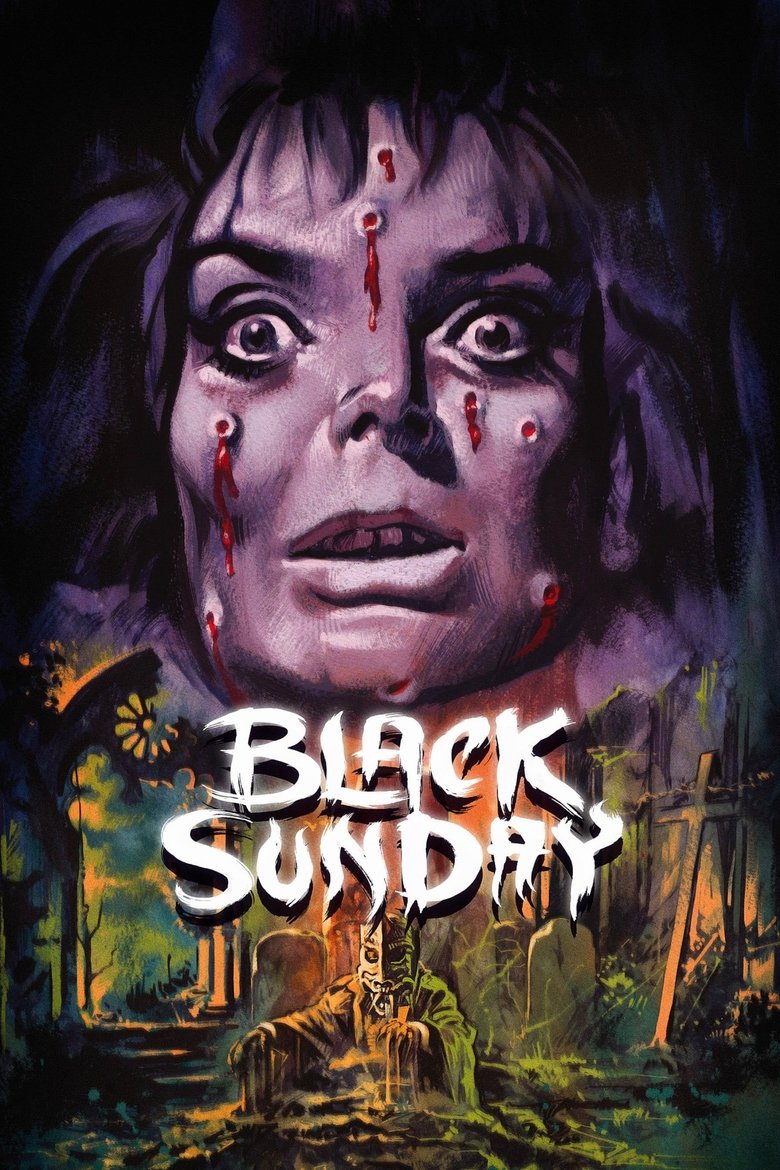
Black Sunday 1960
Bava gives the witch Gothic sensuality without softening the cruelty, opening on punishment and resurrection and never ceasing to look gorgeous doing ugly things. Barbara Steele's face alone carries it into the canon; the witch here is vengeance with cheekbones and a long memory.
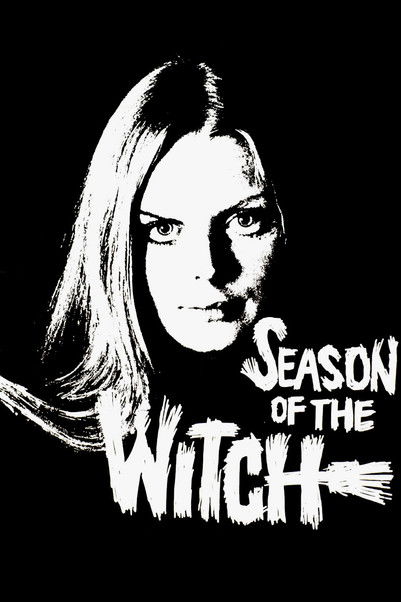
Hungry Wives 1972
Romero locates the witch not in folklore but in middle-class American dissatisfaction, tying Joan's dabbling in ritual to boredom, marriage, and desire leaking out of a too-domesticated life. Its scruffiness is exactly the point.
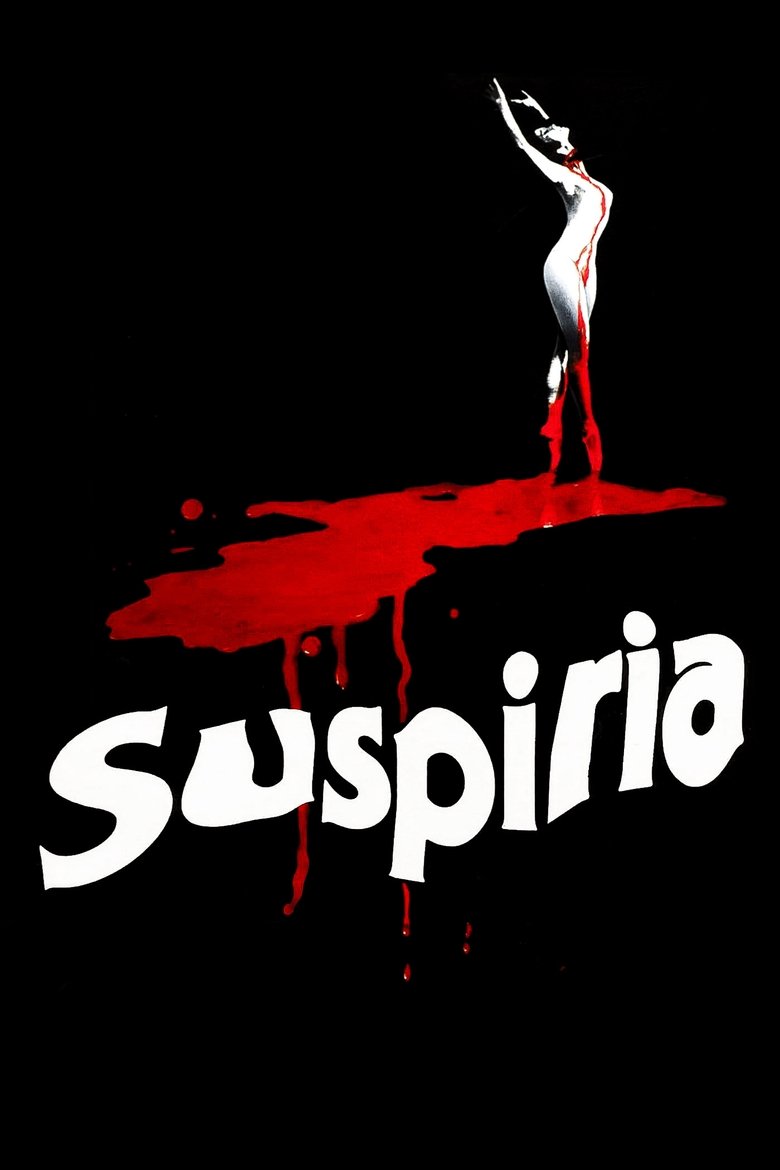
Suspiria 1977
Argento abandons realism entirely and gains force, building a witch movie out of color, choreography, and occult administration. Goblin's score attacks from the first minutes, and the academy is not haunted by old power so much as organized by it.

The Witch 2016
Eggers restores austerity and theology, refusing to turn seventeenth-century belief into decorative atmosphere. Puritan language and domestic suspicion do half the work before anything supernatural appears, treating accusation as its own curse.

The Love Witch 2016
Biller takes the form in a gleaming retro direction and still finds real poison, using the fabulous production design as cover for a cruel study of romantic idealization and gender performance. Funny, sad, and lethal in the most brightly upholstered way possible.

Hagazussa 2018
Feigelfeld remembers how much witch horror depends on landscape and the terrible utility of local suspicion. It moves slowly but never lazily, pressing toward a state where accusation feels inevitable, one of the strongest recent heirs to folk horror.

Belladonna of Sadness 1973
Yamamoto turns persecution, peasant revolt, and demonic pact into a feverish visual cascade, seeing witchcraft as both accusation and counterpower. Beauty and desire become insurgent, making it one of the richest and strangest films the subgenre allows.

The Craft 1996
Four school outsiders use witchcraft to reverse the power around them, then discover that control has its own appetite. Andrew Fleming gives the coven solidarity, vanity and consequences in equal measure.

You Won't Be Alone 2022
An ancient spirit transforms a secluded girl into a witch who can take the shape of her victims. Goran Stolevski uses that horrific power to make identity, touch and ordinary human life newly strange.

The Witches 1990
The witches' convention turns respectable appearances into a grotesque masquerade. Nicolas Roeg makes the Grand High Witch's unmasking a miniature horror show, then lets her punish disobedience with terrifying ease.

The Wretched 2019
Ben suspects that a skin-walking witch has occupied the family next door and is erasing children from memory. The Pierce brothers give witchcraft a predatory domestic disguise with a vicious advantage.
More shorts to watch