Seattle Queer Film Festival
The Seattle Queer Film Festival is produced by Three Dollar Bill Cinema, the longest-running LGBTQ arts organization in the Pacific Northwest, giving the festival a deep civic and cultural rootedness that distinguishes it from many of its counterparts. Founded in 1996, it is one of the oldest and most established LGBTQ-focused film festivals in the United States, operating out of Seattle, Washington, and drawing audiences from across the region each October.
Three Dollar Bill Cinema was founded on the principle that queer community deserves its own cultural infrastructure - venues, programming, and a year-round commitment to LGBTQ film and media. The Seattle Queer Film Festival is the organization's flagship event, a two-week showcase of features, shorts, and documentaries from around the world, with a particular emphasis on films that reflect the full diversity of queer experience rather than a narrowed, commercially palatable version of it.
The festival has always had a significant relationship with experimental and boundary-pushing cinema. Seattle has a strong underground arts tradition, and the programming at the Queer Film Festival has reflected that - embracing films that mix queer identity with genre, surrealism, and formal risk-taking alongside more naturalistic storytelling. LGBTQ cinema at its most vital has always overlapped with genre: the horror of the closet, the thriller of passing, the camp excess of drag performance read through exploitation aesthetics. The festival has historically made space for all of these registers.
États-Unis independent cinema forms a significant core of the programming each year, but the festival maintains a strong international presence, screening work from Canada, France, Allemagne, Brésil, and beyond. The programming team actively seeks out voices from countries where queer filmmaking faces greater social and legal obstacles, treating the festival as a platform with genuine advocacy dimensions alongside its cultural programming mission.
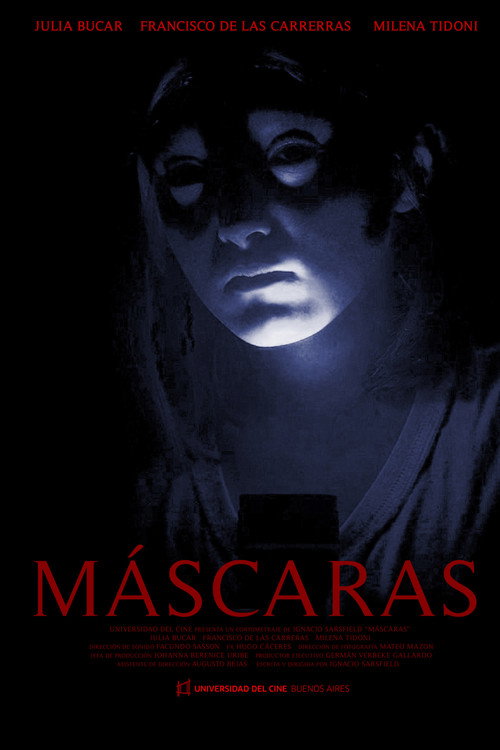
The festival's relationship to horror and genre has been notable over the years. Queer horror - a subgenre with a long and complicated history, from the coding of early monster movies through the explicitly queer horror wave of the 2010s and 2020s - has found consistent representation in Seattle's programming. Films that use the grammar of horreur, thriller, and supernatural storytelling to explore queer experience, fear, and desire have been a recurring presence, and the festival has been among the first North American festivals to program international queer horror features that later reached wider audiences.
The audience at the Seattle Queer Film Festival is notably knowledgeable and engaged. The community surrounding Three Dollar Bill Cinema has built a culture of active participation - Q&As after screenings, filmmaker discussions, and community events that extend the festival experience beyond the theater. This creates an environment where adventurous programming choices are rewarded rather than penalized, allowing the team to take risks on formally unconventional or thematically challenging work.
Beyond the main festival in October, Three Dollar Bill Cinema operates year-round programming including the Translations Trans Film Festival, making the organization a consistent presence in Seattle's cultural calendar rather than a single annual event. This sustained presence has built institutional relationships with local venues, sponsors, and community organizations that give the Queer Film Festival a stability many comparable events lack.
For three decades, the Seattle Queer Film Festival has served as a gathering point for queer audiences in the Pacific Northwest who want cinema that reflects their lives without compromise. Its combination of community rootedness, programming adventurousness, and genuine advocacy orientation makes it one of the more substantial LGBTQ film events in the country, and its openness to genre work gives it particular relevance to CaSTV's catalog of films where queer identity and genre cinema intersect.