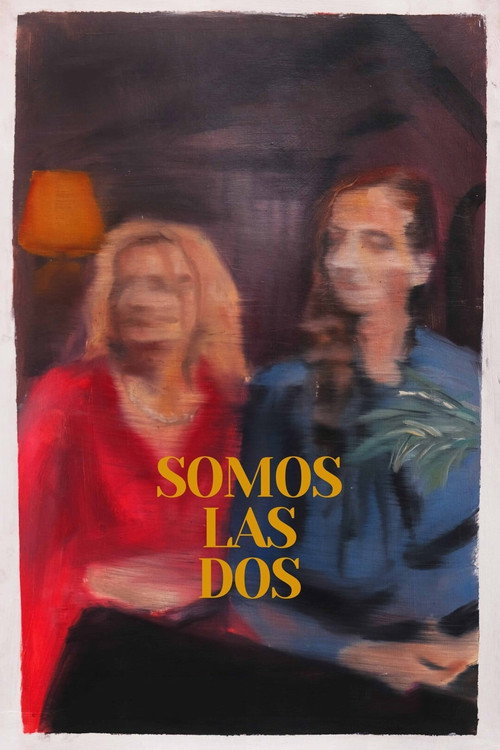
Festival de Cine Iberoamericano de Huelva 2023
The Festival de Cine Iberoamericano de Huelva, held in the Andalusian port city of Huelva in southwestern Espagne, is one of the oldest festivals in Europe dedicated exclusively to cinema from Latin America and the Iberian Peninsula. Founded before most of the continent's Latin American-focused festivals existed, it has operated for decades as a meeting point between European and Latin American film industries at the precise geographic location - the mouth of the Odiel and Tinto rivers, close to where Columbus departed for the Americas - that carries its own transatlantic symbolism.
Huelva is not a major Spanish cultural capital, which gives the festival a focused character that larger multi-genre events in Madrid or Barcelona lack. The city's modest scale means that the festival genuinely shapes its cultural calendar, and filmmakers, producers, and distributors who attend it engage with the event and its host community rather than disappearing into a sprawling metropolis.
The competition at Huelva is structured around feature films and short films from Ibero-American countries, with jury awards and audience prizes distributed across both sections. The festival has, over its history, premiered and awarded films from Argentina, Brésil, Mexico, Colombia, Chile, Peru, Venezuela, Portugal, and many other Spanish and Portuguese-speaking nations. The programming spans genres and styles, from social realist drama to genre cinema with popular appeal.
Latin American cinema has a long and distinguished tradition in horreur, thriller, and fantasy filmmaking that the Huelva festival has reflected over its history. Mexican genre cinema in particular - with its deep roots in luchador films, vampire pictures, and folk horror traditions - has always been part of the broader Ibero-American output that the festival celebrates. Argentine and Brazilian horror have also developed distinct national flavours, and a festival covering the full range of Ibero-American production necessarily engages with genre work alongside arthouse and social cinema.
The festival includes retrospectives, tributes to filmmakers and actors, and industry-facing events designed to facilitate co-productions and distribution agreements between Spain and Latin American countries. These industry dimensions reflect the practical role the festival plays in connecting markets that share language and cultural heritage but are separated by significant geographic and economic distances.
Huelva's festival also benefits from its timing in the autumn calendar, when major European film festivals have concluded and attention in the industry turns toward awards season. Films from Ibero-American countries that have premiered at Cannes, Venice, or San Sebastian sometimes travel to Huelva for further exposure to Spanish and Latin American industry professionals and audiences.
The competitive awards at Huelva carry genuine prestige within Ibero-American cinema circuits. The festival's longevity and specialisation give its prizes a recognisability that newer events struggle to match. For filmmakers from smaller Latin American film industries - Paraguay, Bolivia, Ecuador, Central American nations - the Huelva platform can represent a significant step toward European distribution.
The host city's own history, with its deep connections to the Spanish colonial enterprise in the Americas, gives the festival a somewhat ironic but not uninvited backdrop: a city that sent ships westward now opens its doors to cinema from the cultures those ships eventually encountered. Contemporary festivals often carry historical weight they cannot fully acknowledge, and Huelva is candid enough in its geography to make that history visible.
 Buenos Aires International Festival of Independent Cinema
  Goya Awards
  Argentine Film Critics Association Awards
  Sitges - Catalonian International Film Festival