


BUT Film Festival
The BUT Film Festival - its name derived from the Dutch word "but" meaning flatfish, a deliberate piece of absurdist self-presentation entirely appropriate to its programming sensibility - is a Pays-Bas-based festival devoted to films that exist outside the boundaries of mainstream cinema, with particular attention to genre work, cult film, and the broader territory of cinematic oddity and transgression.
The festival operates in the Netherlands within a national film culture that has a sophisticated relationship with both art cinema and genre work. Dutch cinema has contributed to horreur, thriller, and exploitation traditions across several decades, and the Netherlands hosts several festivals with significant genre or cult programming alongside the more mainstream event. BUT positions itself at the committed end of that spectrum, for audiences who want their genre cinema without apology or dilution.
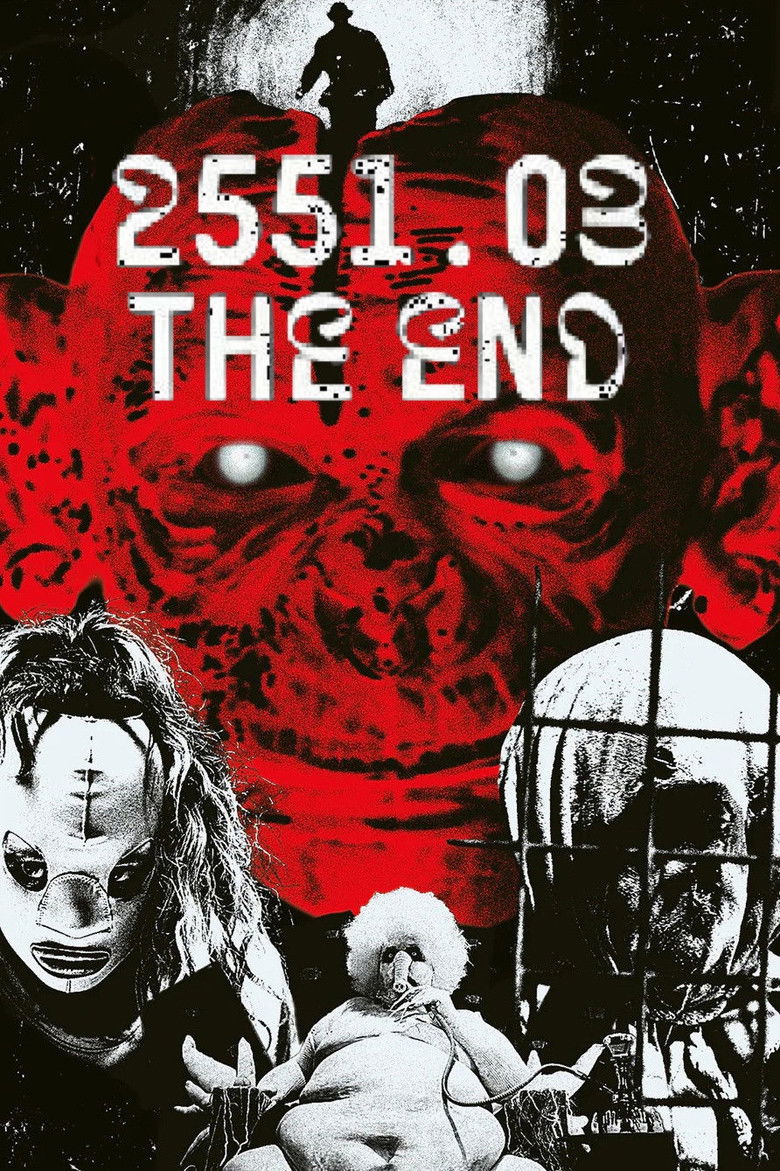
The programme at BUT covers the wide territory of extreme, cult, and genre cinema: contemporary international horreur, splatter, science-fiction, and thriller work alongside retrospective screenings of cult titles and exploitation cinema from across the history of the form. The festival has presented work from Japon, South Korea, France, Italy, and the United States within a programme that prioritises the intense, the transgressive, and the formally interesting over commercial accessibility.
Short films are a consistent programme element at BUT. The genre short film has a long and productive tradition - horreur in particular is a form where short narratives can achieve enormous impact, operating with a single premise executed with maximum efficiency. The festival's short programme has provided a platform for Dutch and European genre filmmakers working at smaller scales alongside the feature programme.
The Dutch context for genre film exhibition is worth noting. The Netherlands has a strong tradition of film culture and film education, with institutions like Eye Filmmuseum in Amsterdam having significant international reputations. This means there is a sophisticated audience base for precisely the kind of programming BUT offers: viewers who can contextualise cult and genre cinema historically, who understand its relationship to mainstream film history, and who approach transgressive content with critical as well as visceral engagement. The festival benefits from this cultural environment even as it deliberately positions itself outside the more conservative cultural institutions.
Exploitation cinema has historically been an international phenomenon partly defined by its relationship to specific national industries and their specific permissive or restrictive regulatory environments. Dutch exploitation cinema of the 1970s operated within a specific regulatory context that shaped what could be produced and distributed, and that history is part of the backdrop against which BUT operates. The festival participates, whether consciously or not, in a longer Dutch tradition of testing and extending the boundaries of what can be shown in public exhibition contexts.
The festival's programming philosophy reflects an understanding of genre cinema as a serious cultural form with its own history, aesthetics, and critical traditions. Giallo retrospectives, body horror premieres, gore cinema from multiple national traditions, psychological horror that operates at the edge of what mainstream distribution will carry - these are the categories in which BUT has built its programme and its reputation.
Guest appearances by directors and actors working in genre and cult cinema are a feature of BUT events, contributing to the community-building function that genre film festivals serve for their audiences. The relationship between genre filmmakers and their audiences is often more direct and more personally engaged than the relationship between art-cinema filmmakers and theirs; genre festivals serve as a space where that relationship can be expressed and deepened.
The festival's scale is modest relative to the major European events, which is appropriate to its identity. Large general festivals can accommodate genre sidebars, but the character of those sidebars is inevitably shaped by the surrounding institutional context. A festival whose entire identity is built around the extreme, the transgressive, and the cult can operate without the constraints that shape what larger events will programme, and the result is a programme with a coherence and commitment that genre audiences recognise and value.