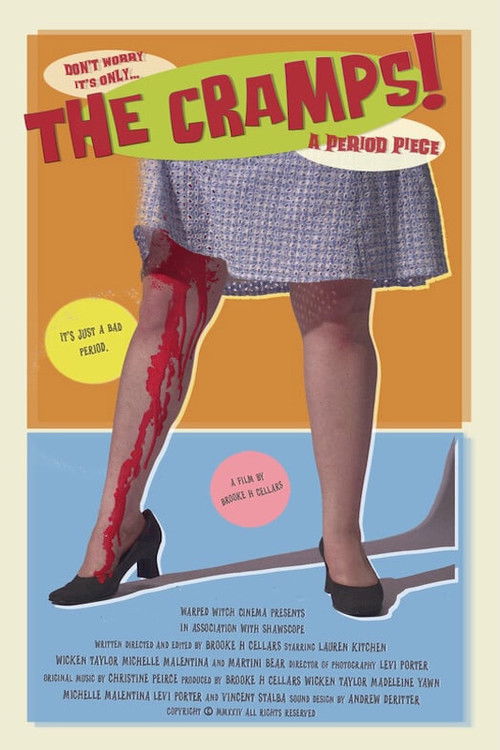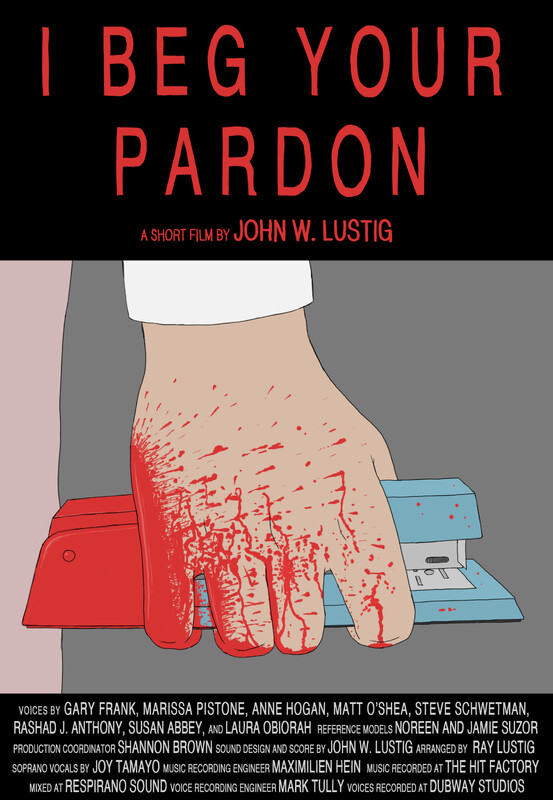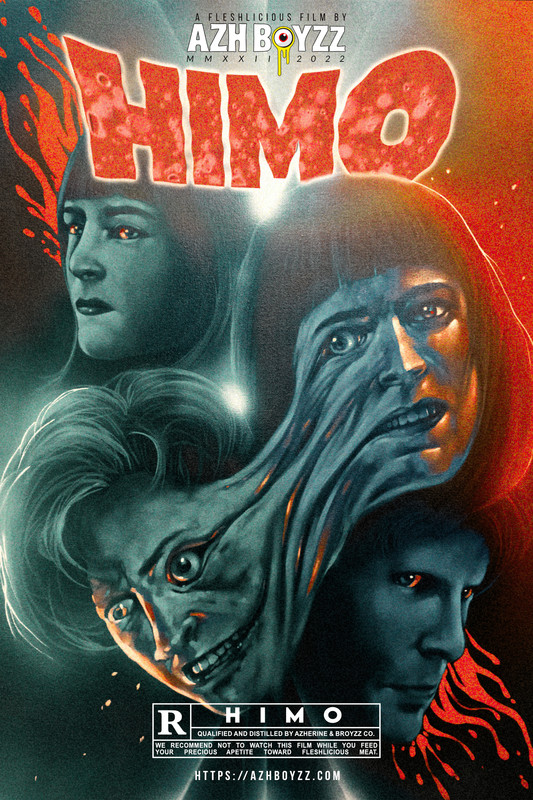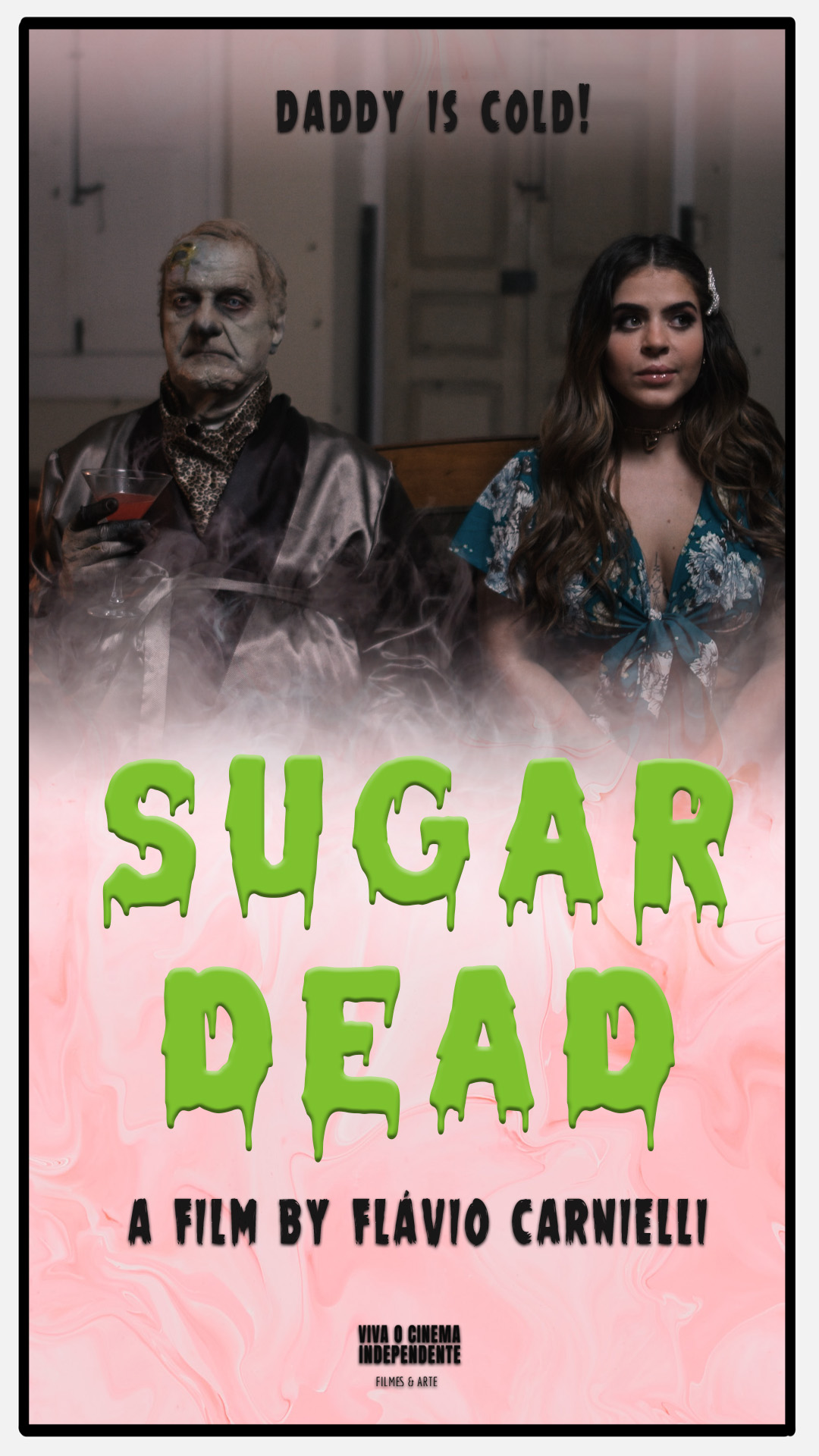

The Boston Underground Film Festival holds a singular place in the American festival landscape as the primary annual platform in New England dedicated to transgressive, cult, and genre cinema that mainstream circuits routinely ignore. Running each spring in Cambridge, Massachusetts - historically at the Brattle Theatre and other Harvard Square venues - BUFF has built its identity around the kind of cinema that refuses comfortable categorisation: midnight mayhem, boundary-pushing horreur, exploitation revivals, confrontational experimental work, and new voices who share the underground's founding conviction that difficulty and provocation are virtues rather than flaws.
The festival does not programme for respectability. Its curatorial instinct leans toward work that has been rejected, overlooked, or deemed too extreme by the institutions that typically gatekeep exposure. That orientation makes BUFF a genuine discovery engine: filmmakers who later achieved broader recognition have passed through its screens at the moment when their work most needed an audience willing to engage on the film's own terms.
Within its horror and genre programming, BUFF has consistently championed films that push at the edges of the slasher, body-horror, and psychological-horror traditions while also making space for dark comedy and genre hybrids that are difficult to shelve. The festival's approach to exploitation cinema is neither nostalgic nor dismissive: it treats the genre as a living tradition capable of producing urgent contemporary work, not merely as an archive to be celebrated.
The short film programme at BUFF carries real weight. Short-form genre work - the kind that major film festivals typically sideline in favour of prestige features - receives dedicated attention and serious critical engagement. Animators, experimental filmmakers, and genre short directors have found that BUFF takes their runtime seriously, treating a twelve-minute found-footage piece or an eight-minute gore exercise with the same care extended to features.
The festival's relationship with the Brattle Theatre, one of the oldest and most respected repertory cinemas in the États-Unis, gave BUFF a physical identity that few underground events in the country can match. Screening in a room with a genuine cinephile community behind it meant that BUFF's audiences were not simply curiosity-seekers but people with a considered relationship to film history - a combination that produced the kind of post-screening conversation that underground cinema depends on for its propagation.
BUFF has also served as a point of connection between the Boston-area film community and the broader American underground circuit. Directors from New England who might otherwise struggle to find regional support for challenging work have used BUFF as a launchpad, while visiting filmmakers and the festival's own advocacy have helped make the case that the Boston market, often overshadowed by New York and Los Angeles on the festival map, can sustain a dedicated genre audience.
The programming typically mixes world and US premieres with carefully chosen revival screenings, the latter often presenting films in new restorations or in contexts - double bills, director appearances, thematic groupings - that reframe how an audience encounters a known title. That mix of discovery and re-evaluation is what keeps BUFF's programming coherent across very different types of work.
For genre cinema broadly and for the underground tradition in particular, Boston Underground Film Festival remains one of the essential American festival stops - not because of scale or prestige-competition prizes, but because of a programming philosophy that genuinely privileges the difficult, the strange, and the formally adventurous over the commercially viable.
 Fantasia International Film Festival
  Sitges - Catalonian International Film Festival
  FilmQuest
  Fantastic Fest