
Sicilia Queer filmfest, founded in 2010 and held annually in Palermo, is Italy's most significant LGBTQ film festival and one of the most interesting queer cinema events in southern Europe, operating in a context - the traditionally conservative, deeply Catholic culture of Sicily - that gives its programming an edge and a social function that a comparable festival in a northern European city would not carry.
Palermo itself is central to the festival's meaning. The Sicilian capital, a city of extraordinary architectural beauty shaped by layers of Norman, Arab, Spanish, and Italian history, has been undergoing a cultural renaissance in recent decades, with new civic leadership from the early 2010s onwards actively promoting arts and culture as tools for social regeneration. Sicilia Queer filmfest has been part of this transformation, establishing a space for queer culture in a city that was not previously known for it and demonstrating that LGBTQ audiences and perspectives exist in southern Italy as in the north.
The festival presents a competitive international programme alongside retrospectives, special screenings, and events that engage with Palermo's public life. International queer cinema from across Europe, the Americas, and increasingly from Asia and Africa appears in the programme, giving Palermo audiences access to work that would not otherwise reach the island through commercial distribution channels.
LGBTQ genre cinema - horror, thriller, psychological-horror, and crime films with queer protagonists, queer subtext, or that engage with the history of queer representation in genre - has featured in the Sicilia Queer programme. The festival has shown work that sits at the intersection of queer identity and genre convention, recognising that horror in particular has a complex and fascinating relationship with queer themes, sometimes exploitative and sometimes genuinely expressive of outsider experience.
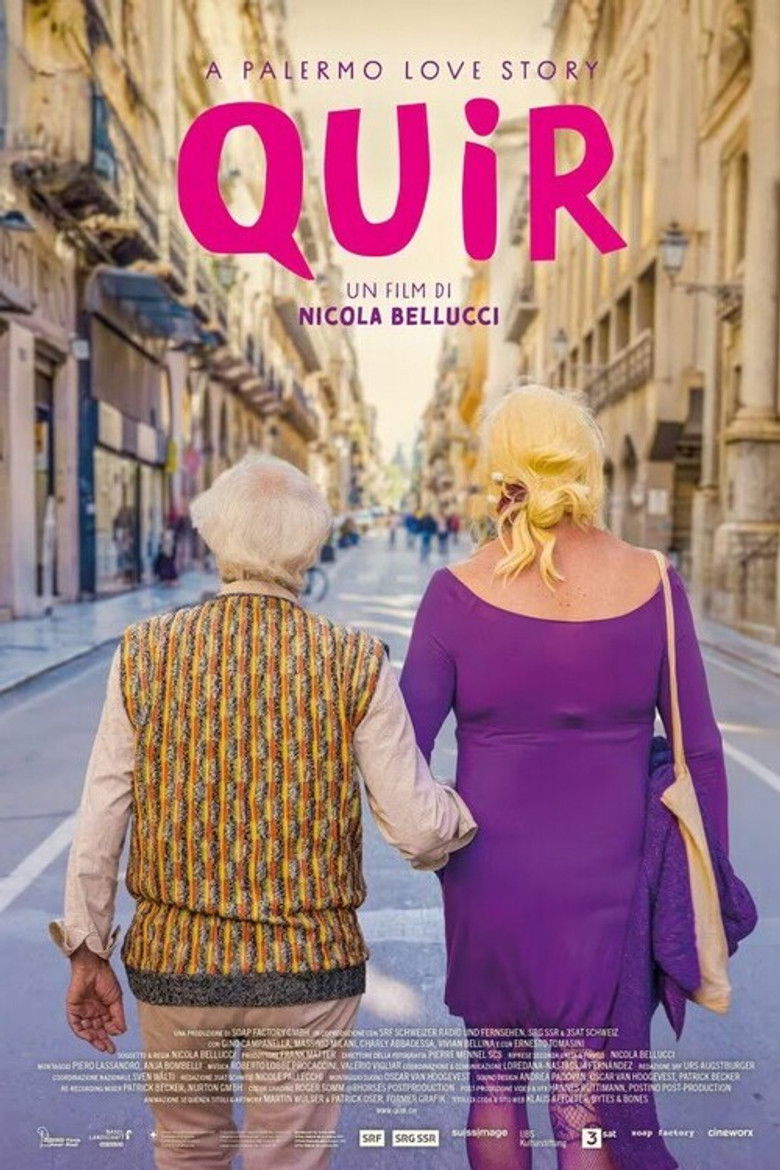
Italian queer cinema, though smaller in volume than the major European national industries, appears regularly in the festival programme. Sicilia Queer provides one of the few Italian platforms where this work can find a domestic audience, given the limited mainstream distribution infrastructure for LGBTQ-specific content in Italy.
The festival runs over approximately a week in late May or early June, taking advantage of the Palermo spring before the intense summer heat sets in. Screenings take place at multiple venues across the city, including outdoor settings that make use of Palermo's architectural heritage as backdrop.
Cultural events beyond cinema accompany the film programme, including music performances, art installations, and conversations that connect the festival to broader queer cultural production. This expanded cultural frame reflects an understanding that queer cinema does not exist in isolation but is part of a larger creative and political community.
The competitive sections award prizes in categories including best feature, best short, and special jury recognitions. The jury composition brings together Italian and international figures from queer film culture, and the awards provide meaningful visibility for filmmakers working in a commercial environment that still marginalises much queer work.
Documentary cinema features prominently in the programme, reflecting the importance of nonfiction work in documenting queer lives and histories. Documentaries about LGBTQ experience in Italy, in Sicily specifically, and internationally appear alongside fiction films, giving the festival a journalistic dimension alongside its entertainment function.
Sicilia Queer filmfest has operated for fifteen years in an environment that has never been straightforwardly welcoming, and that persistence has meaning. It has built an audience in Palermo, demonstrated that queer cultural life exists in southern Italy, and connected Sicilian audiences to the international queer cinema community. That work, done quietly and consistently over a decade and a half, is the festival's most significant achievement.
 Queer Lisboa
  Berlin International Film Festival
  Locarno International Film Festival