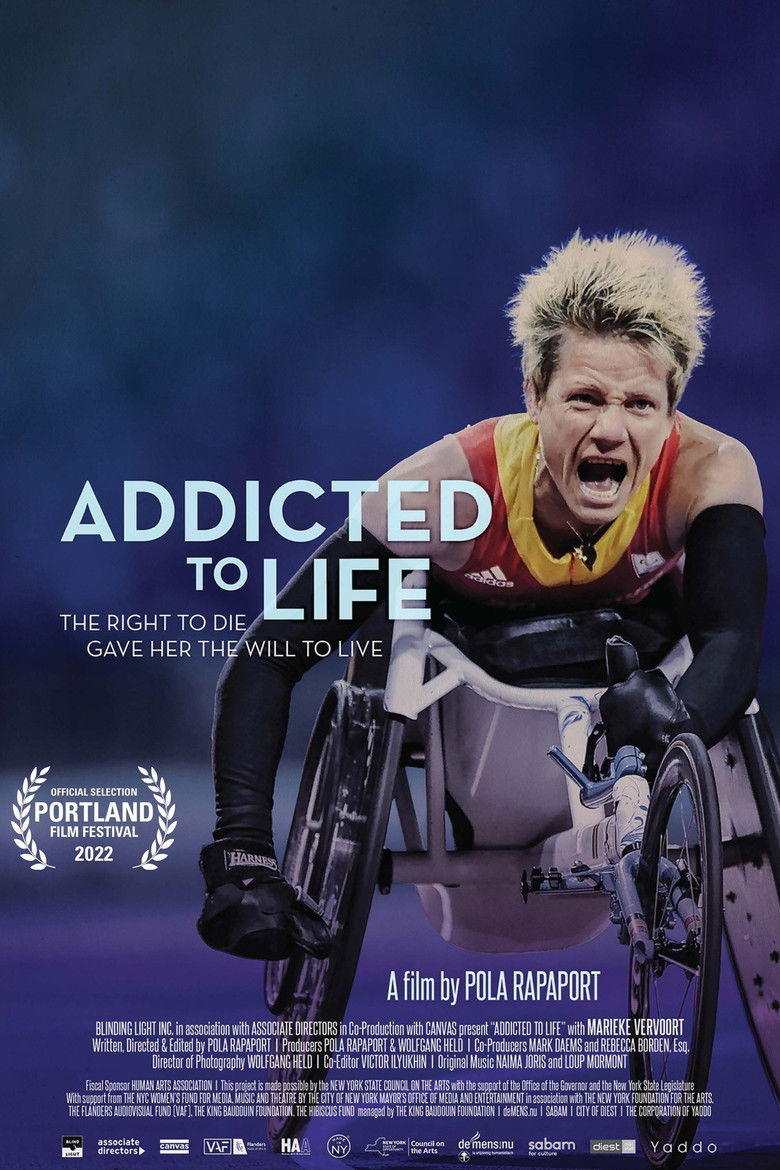

The Portland Film Festival is an annual competitive film festival held in Portland, Oregon, serving as one of the Pacific Northwest's primary showcases for independent cinema and maintaining one of the more deliberately inclusive genre programming approaches among mid-sized American festivals.
Portland, Oregon has a cultural identity strongly associated with independent creative production, DIY culture, and a self-conscious appreciation for the offbeat and transgressive. The Portland Film Festival emerged from and reflects this cultural context, operating in a city that has historically supported experimental art practices, underground subcultures, and a film audience comfortable with challenging and unconventional material. This environment has shaped the festival's programming sensibility and its relationship to genre cinema.
The festival's competitive structure covers features, short films, and documentary, with jury awards given across categories. The festival has Academy Award qualifying status for short films in particular categories, a designation that draws competitive short-film entries from filmmakers nationally and internationally who are pursuing major awards eligibility. This qualifying status gives the Portland Film Festival a specific strategic value within the American short-film landscape beyond its regional significance.
For genre-cinema researchers and the CaSTV catalog, the Portland Film Festival has programmed horror, sci-fi, thriller, and experimental work within its competitive and sidebar sections with genuine commitment. The Pacific Northwest has its own horror tradition, rooted in the region's dense coniferous forests, its isolated small communities, its history of violent confrontation with wilderness and with industrial capitalism, and its folk traditions. Folk-horror sensibilities and survival-horror scenarios translate naturally from the Pacific Northwest landscape, and the festival has on various occasions acknowledged and programmed work engaging with that regional identity.
The documentary programming at the Portland Film Festival has included films examining subcultures, underground music scenes, exploitation film history, and the kinds of marginal American experience that documentary can illuminate in ways that fiction cannot. Portland's own subcultural richness - its punk and metal music scenes, its zine culture, its history of political radicalism - informs the festival's documentary selections in ways that make them more interesting to genre-adjacent audiences than typical social-issue nonfiction.
Oregon's landscape functions as a persistent backdrop for genre imagination. The Cascade Range, the coast, the Willamette Valley's agricultural interior, and the high desert east of the mountains have all been used as settings for horror and thriller films. The festival has occasionally programmed locally set genre work that draws on this landscape, giving audiences a specific geographic pleasure in addition to the generic satisfactions the films provide.
The Portland Film Festival hosts filmmaker panels, Q&As, and industry events alongside its screenings. Portland's location, between Los Angeles and Seattle and with direct connections to the Bay Area, means the festival draws filmmakers from across the West Coast rather than relying solely on local production. The city's film culture, while less industrially organized than Los Angeles or New York, includes active production communities, a strong community of editors and post-production professionals, and an audience with sophisticated tastes.
The festival's relationship with animation is notable within the context of United States regional festivals. Portland has produced significant animation work - the city is home to Laika, the stop-motion animation studio responsible for films including Coraline and ParaNorman, both of which engage deeply with horror and gothic themes. The Portland Film Festival has acknowledged this local animation heritage in programming decisions, and the Laika connection gives Portland a specific relationship to genre animation that few other American cities can match.
Short-film programming at the Portland Film Festival spans a wide range of genres and modes, with genre work - horror shorts, sci-fi shorts, experimental work with genre elements - appearing regularly in competitive selection. The Academy qualifying status for certain short-film categories means that competitive entries include work from filmmakers pursuing major awards exposure, elevating the quality of submissions above what a purely regional festival would attract.
For genre filmmakers in the Pacific Northwest and West Coast region seeking a competitive platform that takes genre work seriously within a broader independent-cinema context, the Portland Film Festival offers a genuine option with industry-recognized short-film qualifying status and programming sympathies aligned with the region's creative culture.
 Cinequest San Jose Film Festival
  Sarasota Film Festival
  Seattle International Film Festival
  Calgary International Film Festival