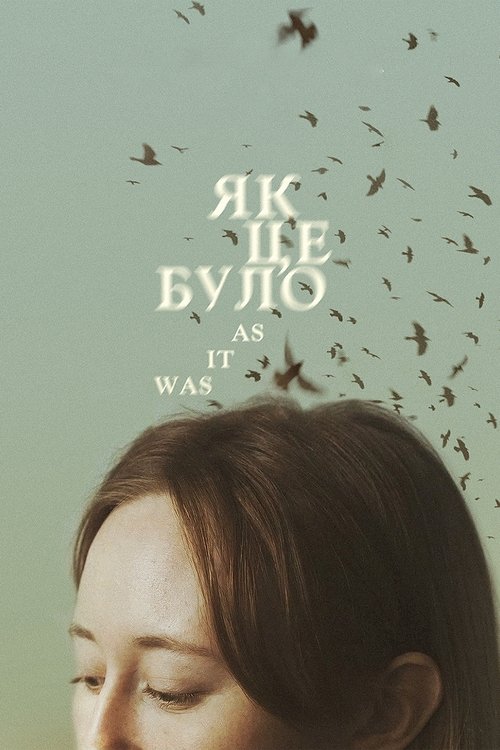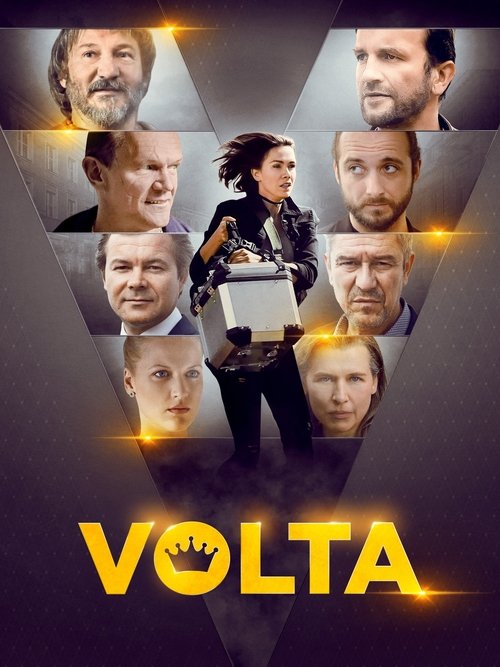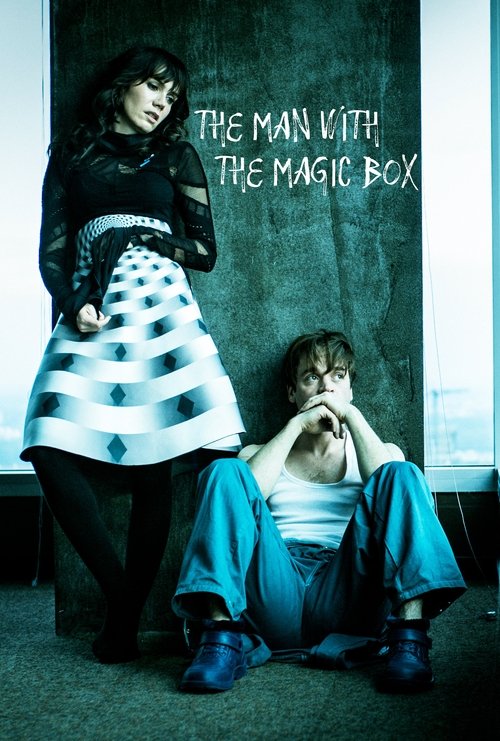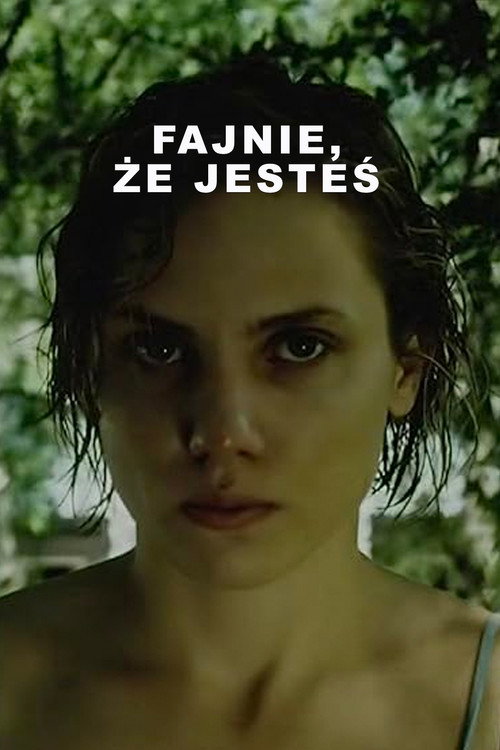

Polish Film Festival
The Polish Film Festival - held annually in Gdynia, Poland, on the Baltic coast - is the oldest and most important domestic film awards event in Poland, functioning as the Polish equivalent of the BAFTA awards or the Cesars in France. The festival has been presenting the Golden Lions (Zlote Lwy) to the best Polish films of the year since 1974, making it one of the longest-running national film festivals in Central Europe and the definitive institutional recognition of achievement in Polish cinema.
The choice of Gdynia as the permanent host city is historically significant. Gdansk, its neighbouring city, is the birthplace of the Solidarity trade union movement and a site of profound political meaning in modern Polish history. The broader Tricity region - Gdansk, Gdynia, Sopot - sits at the intersection of Polish national identity, Baltic geography, and the historical memory of twentieth-century conflict and resistance. Holding the festival here, rather than in Warsaw, gives it a character rooted in Polish provincial and regional culture as much as in the capital's film industry infrastructure.
Polish cinema has a reputation - earned across decades of internationally recognised filmmaking - for psychological depth, moral seriousness, and a willingness to engage directly with history, ideology, and human complexity. The films of Roman Polanski, Andrzej Wajda, Krzysztof Kieslowski, and Agnieszka Holland established Poland as one of the great national cinemas of the twentieth century, and the Polish Film Festival has been the domestic institution through which that cinema has been recognised and celebrated year by year.
The festival presents competitive awards in the principal categories: best film, best director, best screenplay, best actor, best actress, best cinematography, and a range of craft categories. A separate competition for debut features provides recognition for first-time directors. The jury is composed of filmmakers and film professionals, giving the awards the character of peer recognition within the industry.
Polish cinema's relationship to horror and thriller cinema has been complex and interesting. The psychological thriller tradition - films that locate fear and dread in political, social, and personal repression rather than in supernatural entities - runs deep through Polish cinema of the communist period and beyond. The horror of history, the uncanny dimensions of everyday life under political surveillance, and the blurring of reality and paranoia in state-controlled societies gave Polish cinema a distinctive approach to genre material that was never purely commercial.
Crime cinema and psychological horror have continued as significant strands in contemporary Polish production, and the Polish Film Festival has recognised films working in these traditions alongside art-house drama and social realism. Polish genre cinema of the twenty-first century has attracted growing international attention, and the festival has been part of the infrastructure through which that work is validated domestically before finding international distribution.
The festival also includes retrospectives of Polish film history, educational programming, and industry events oriented toward co-production and international distribution of Polish films. These activities make the Polish Film Festival more than an awards ceremony - it is a week-long gathering of the Polish film industry and a public showcase for the best Polish cinema of the year.
Gdynia's seaside setting gives the festival a distinctive physical atmosphere: Baltic light, maritime winds, a city that feels both historically rooted and geographically exposed. Screenings and events take place in the city's cultural infrastructure, with the Musical Theatre serving as the primary awards venue.
The Golden Lions presented at the Polish Film Festival carry genuine cultural weight within Poland and serve as an indicator of quality for international festival programmers and distributors seeking to understand what the best Polish cinema of any given year looks like.