
The Mad Monster Party Film Festival is a horror and genre-cinema convention-festival hybrid held in the United States, taking its name from the beloved 1967 Rankin/Bass stop-motion animated feature "Mad Monster Party?" - a title that has itself become a cult touchstone for fans of monster movies and genre animation.
The event operates in the overlap between horror film festival and fan convention, a format that distinguishes it from purely curatorial events. Alongside film screenings, Mad Monster Party features celebrity guest signings, panels, dealer rooms, and cosplay activity, drawing audiences who are simultaneously horror-film enthusiasts and collectors of monster-culture memorabilia. This convention DNA places it in a tradition of American horror fan events - alongside events like Monsterpalooza and HorrorHound Weekend - that treat film history and fandom as inseparable.
The film programming component emphasizes classic and cult horror titles, with a particular affinity for the monster-movie tradition: creature features, Universal Monsters-era cinema, and the golden age of American and European genre film from the 1950s through the 1980s. Screenings frequently include creature-feature classics and supernatural horror alongside more recent independent genre work, creating a program that spans eras while staying firmly within the fan-facing horror tradition.
Guest appearances by horror film actors, directors, makeup artists, and effects technicians are central to the event's appeal. These guests participate in Q&A sessions, retrospective discussions, and signings, giving attendees direct access to the craft histories behind beloved genre films. This model - where the film is not just screened but contextualized through the presence of its makers - is characteristic of American horror conventions and gives events like Mad Monster Party a community dimension that pure film festivals sometimes lack.
The United States has a particularly robust horror-convention circuit, and Mad Monster Party occupies a distinctive position within it by emphasizing the film-screening side more seriously than many competing events. The festival's name and branding, rooted in that 1967 Rankin/Bass classic, signals an affection for horror as nostalgic pleasure and cultural inheritance as much as contemporary practice.
For horror fans and genre-cinema researchers, events like Mad Monster Party document how American fandom has maintained and transmitted knowledge of older genre films outside the institutional structures of archives and film schools. The dealer rooms at such events have historically preserved VHS, laserdisc, and later digital releases of films that mainstream distributors had allowed to fall out of circulation, making horror conventions an informal part of the distribution ecosystem for cult and exploitation titles.
The United States horror fan convention circuit has also been a proving ground for independent horror filmmakers seeking direct audience connection, and screenings of contemporary independent slasher and supernatural horror at events like Mad Monster Party give emerging filmmakers a passionate, knowledgeable audience. This function - bridging classic genre heritage and current independent production - is part of what sustains the event's relevance within the broader American horror community.
 Academy Awards
 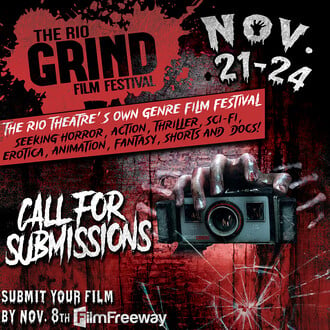 The Rio Grind Film Festival
  BAFTA Awards
  Los Angeles Film Awards