

Lima Alterna International Film Festival
Lima Alterna International Film Festival is an independent film festival based in Lima, Peru, dedicated to alternative, independent, and experimental cinema from around the world. The festival positions itself explicitly outside the mainstream, prioritising work that falls outside commercial distribution channels and offering a platform for films that challenge conventional genre boundaries and narrative structures.
Peru has a relatively small domestic film industry in global terms, and Lima Alterna fills a real gap in the Lima cultural landscape by bringing international independent cinema to Peruvian audiences who would otherwise have little access to it. The festival's name signals its identity directly: "alterna" in the Spanish-language context denotes a commitment to cinema that operates by different rules, and the programming reflects that orientation consistently.
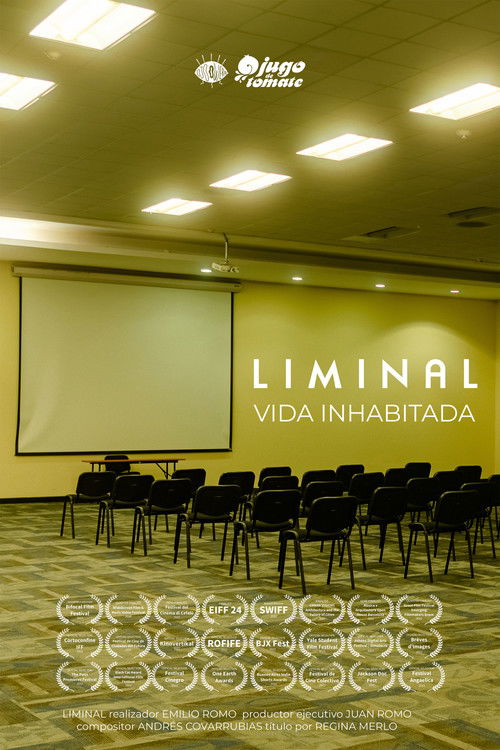
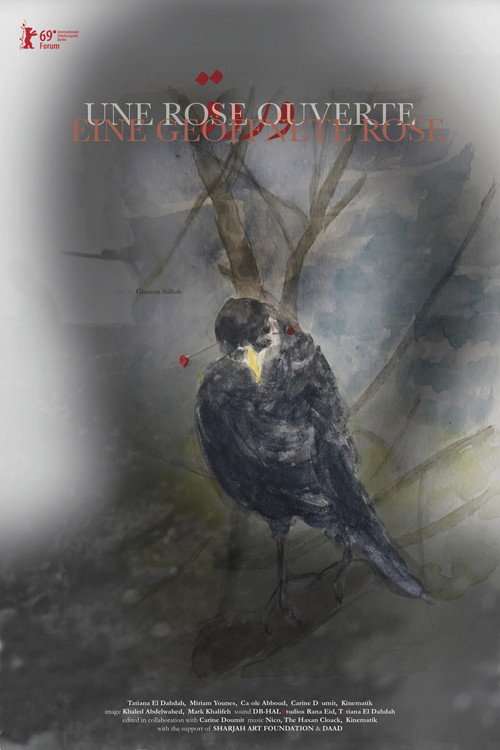
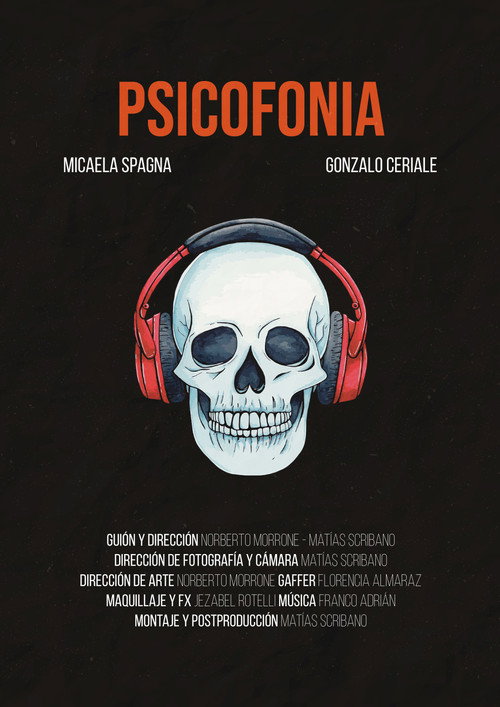
The festival has programmed work that ranges across documentary, narrative fiction, experimental film, and hybrid forms that resist easy categorisation. Its selections have included work from Latin America, Europe, Asia, and North America, with a visible effort to represent filmmakers from regions underrepresented at more prominent international festivals. This global scope, maintained on what is evidently a limited budget, reflects genuine curatorial ambition.
For genre cinema audiences, Lima Alterna's interest in transgressive and formally unusual filmmaking creates natural points of overlap with horror, thriller, and surreal work. Festivals with an "alternative" identity in Latin America have historically been hospitable to genre films that carry social or political charge, and Lima Alterna's programming has reflected that tradition. South American cinema has produced some of the most distinctive genre filmmaking of recent decades, and a festival rooted in Peru's capital is well-positioned to engage with that regional creative energy.
Lima is itself a city of considerable complexity - one of the largest cities in South America, with a layered history and a film culture that has produced internationally recognised directors. The festival benefits from that cultural context and from an audience that is genuinely curious about cinema that does not arrive pre-validated by major award circuits.
The organisation behind Lima Alterna appears to operate with limited institutional support, which is common for independent alternative festivals in the region. This means the festival's survival depends on the commitment of its organisers and on relationships with filmmakers and distributors willing to engage with a smaller-market event. The programming quality, where verifiable, suggests curatorial seriousness that exceeds what the festival's public profile might suggest.
Information about specific competitive sections, jury prizes, and past award winners is not fully documented in accessible sources, reflecting the festival's smaller scale. What is documented is the consistent focus on work that sits outside the mainstream - a positioning that gives Lima Alterna a clear identity on a festival circuit where many events compete for the same commercially validated titles.
For filmmakers from Peru and neighbouring countries, the festival represents a genuine local platform with international aspirations. For audiences in Lima, it provides access to a range of cinema that reflects the full scope of independent filmmaking globally, from the formally conservative to the aggressively experimental. That combination - local anchor, international vision - is what distinguishes Lima Alterna from more generalist cultural programming in the city.