The International Film Festival of Kerala, held annually in December in Thiruvananthapuram (Trivandrum), the state capital of Kerala, is widely regarded as India's most cinephile film festival - a distinction earned through decades of programming that prioritizes serious world cinema over commercial spectacle and that draws an audience of film enthusiasts whose engagement with the medium is unusually deep even by the standards of Indian film culture. Founded in 1996 under the auspices of the Kerala state government and the Kerala Chalachitra Academy, IFFK has become the festival that serious Indian filmgoers plan their year around.
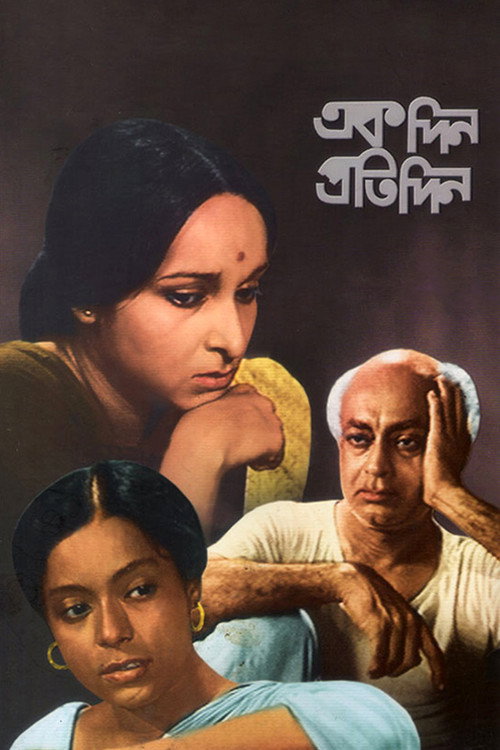
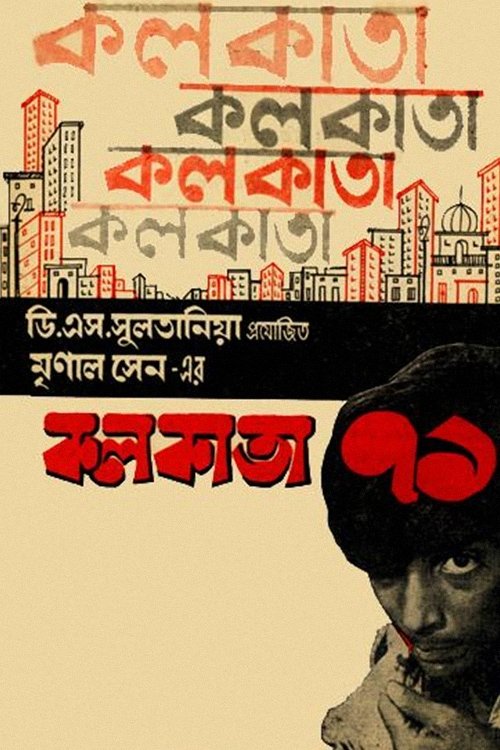
Kerala's particular relationship with cinema and literacy gives the festival its character. The state has the highest literacy rate in India and a long tradition of engagement with political and cultural movements that have valued cinema as a medium of education and consciousness. The Malayalam film industry - based in Kerala - has produced directors of international significance, and the state's film culture is both deeply local and genuinely internationally oriented. IFFK reflects this duality, programming both Malayalam cinema and world cinema with equal seriousness.
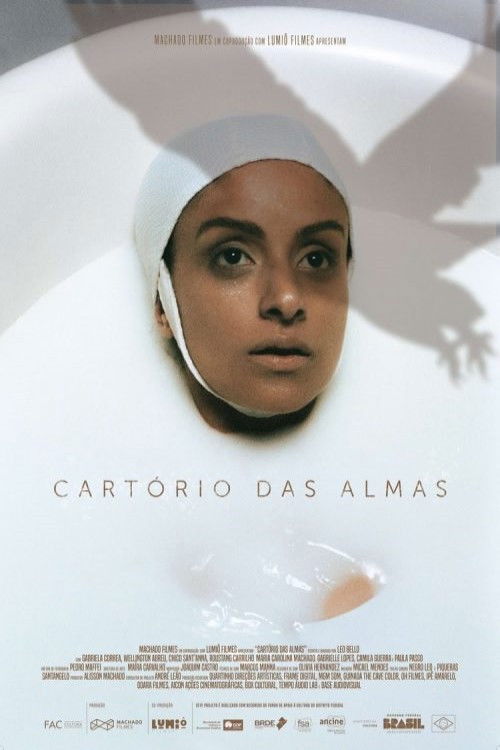
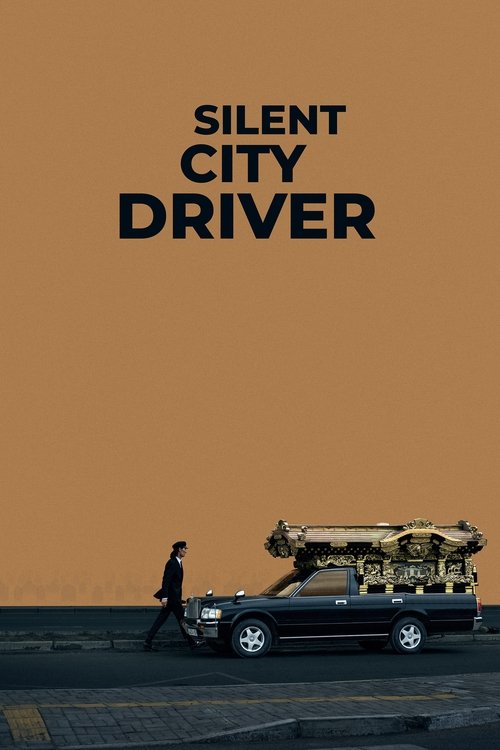
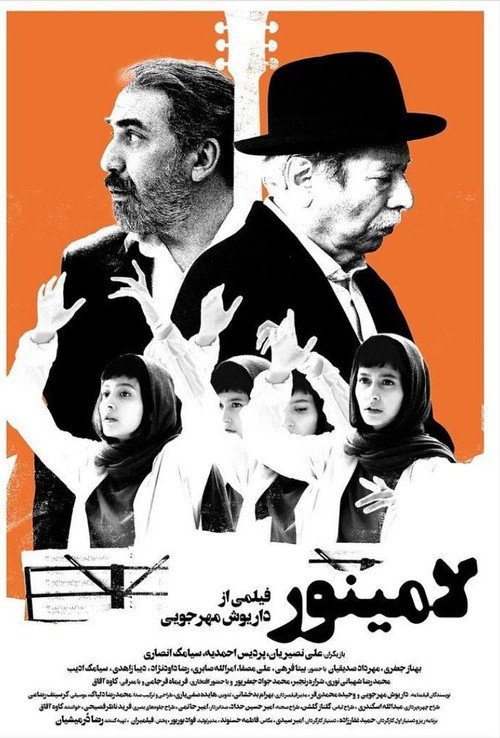
The festival's main competition, the Golden Crow Pheasant - named for Kerala's state bird - is awarded to films from the international competitive section, typically featuring challenging, formally ambitious work from across Asia, Europe, Latin America, and Africa that would rarely find theatrical distribution in India outside of festival contexts. This international competitive program has premiered and celebrated films from Iran, Romania, South Korea, France, and dozens of other countries, giving Thiruvananthapuram audiences access to world cinema that would otherwise remain entirely beyond reach.
Retrospective programming is central to IFFK's identity. The festival annually presents major retrospectives of world cinema directors - complete or substantial career surveys that allow Thiruvananthapuram audiences to engage with canonical filmmakers in depth. These retrospectives are treated with as much seriousness as the competitive program and draw audiences who queue for hours to see classic films that they have studied and read about but rarely had the opportunity to see on a proper cinema screen.
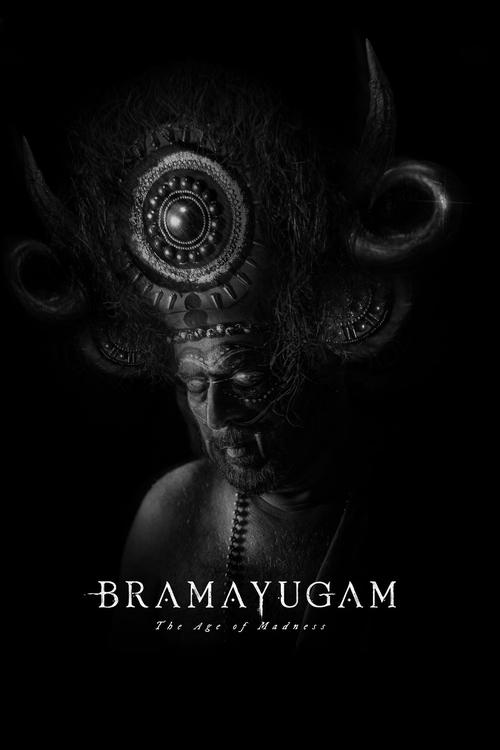
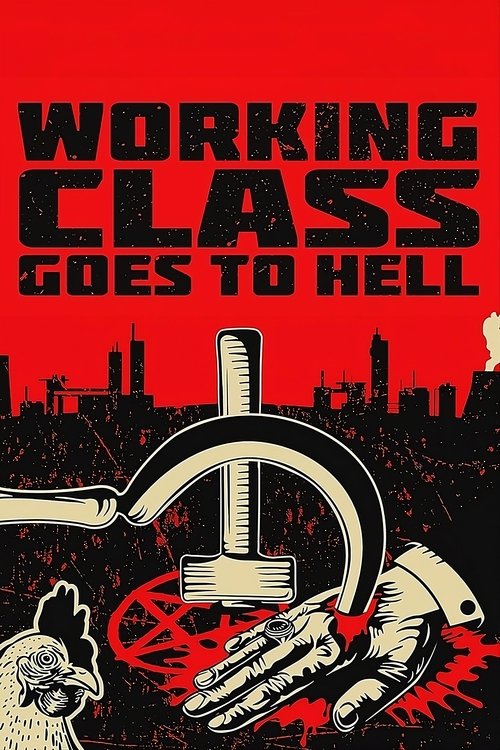
Genre cinema reaches IFFK through the international competitive and non-competitive sections, where thriller, horror, and genre-adjacent world cinema has screened alongside the arthouse and documentary work that forms the festival's core. Indian genre filmmaking has its own complex traditions - the masala film combining action, comedy, romance, and spectacle; Malayalam horror with its specific cultural textures; Tamil and Telugu genre productions with pan-Indian audiences - and IFFK has engaged with this material when it achieves the quality threshold the festival sets.
The festival's audiences are remarkable and are often cited as the defining feature of IFFK by visiting filmmakers and international guests. Thiruvananthapuram turns out in extraordinary numbers for screenings that would attract small specialist audiences elsewhere. The phenomenon of large crowds watching challenging international cinema in a city of roughly a million people is genuinely unusual, and it reflects decades of film society activity and cinema culture-building that have made Kerala a special case within Indian film spectatorship.
The late December timing places IFFK in competition with few major international events, giving it a clear calendar position for both submissions and press coverage. For Indian filmmakers seeking domestic prestige, a selection at IFFK carries exceptional weight - the festival's curatorial standards are high and its audience is discerning, making recognition at Thiruvananthapuram a meaningful marker of achievement within one of the world's most active and complex national cinema cultures.
 International Film Festival Rotterdam
  Cannes Film Festival
  Asia Pacific Screen Awards
  Berlin International Film Festival