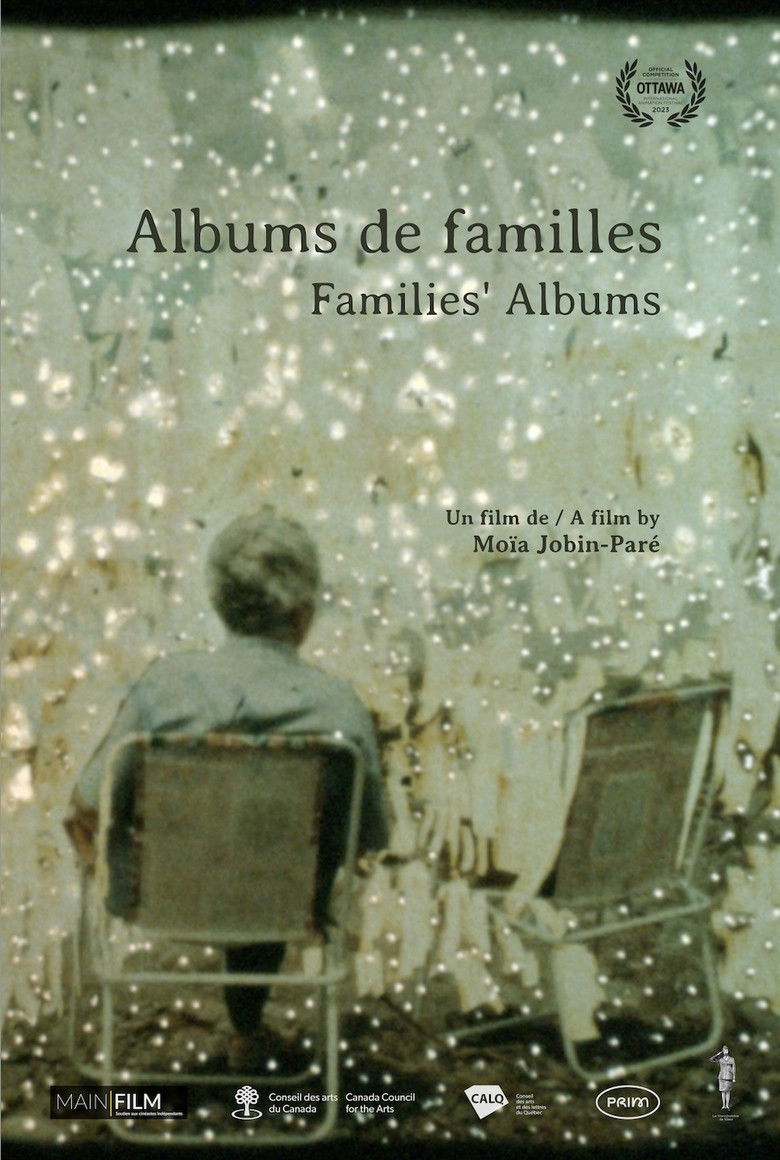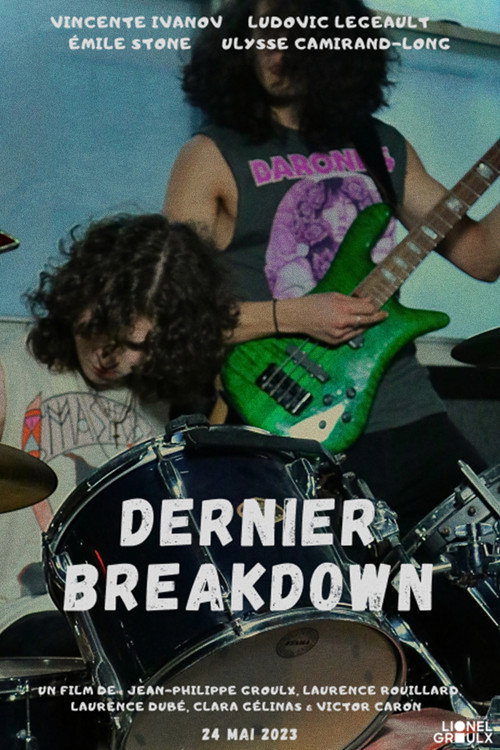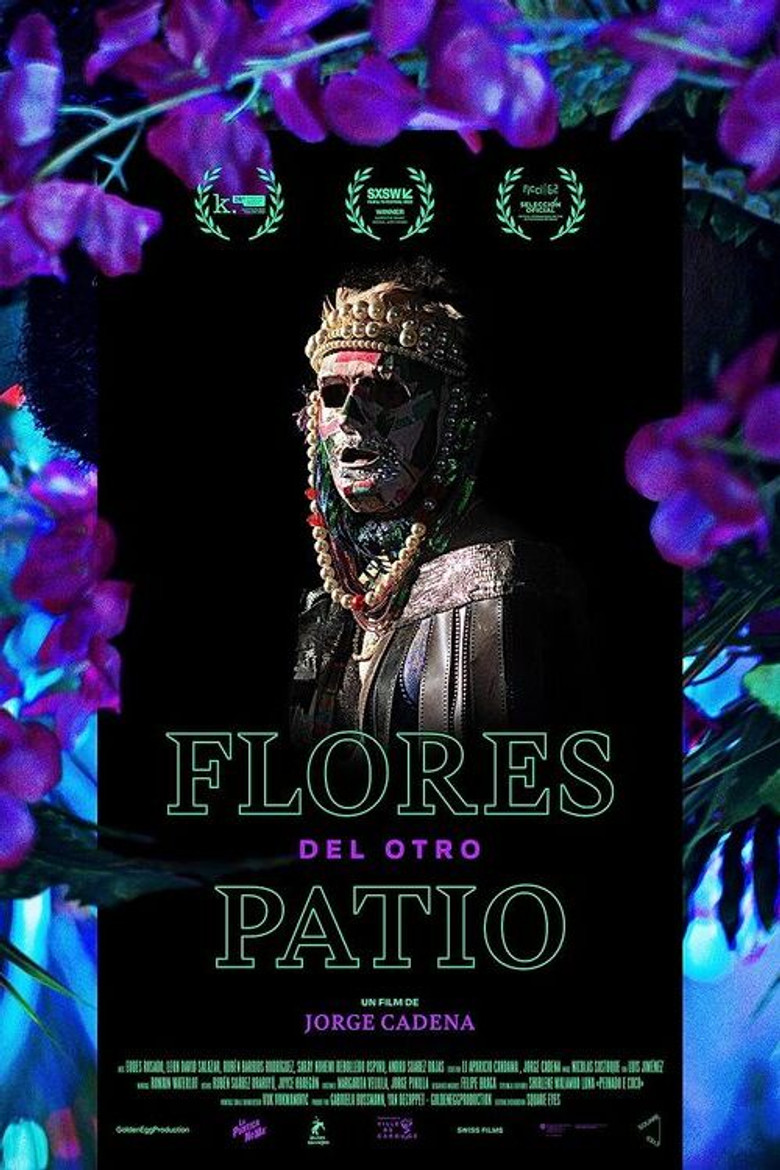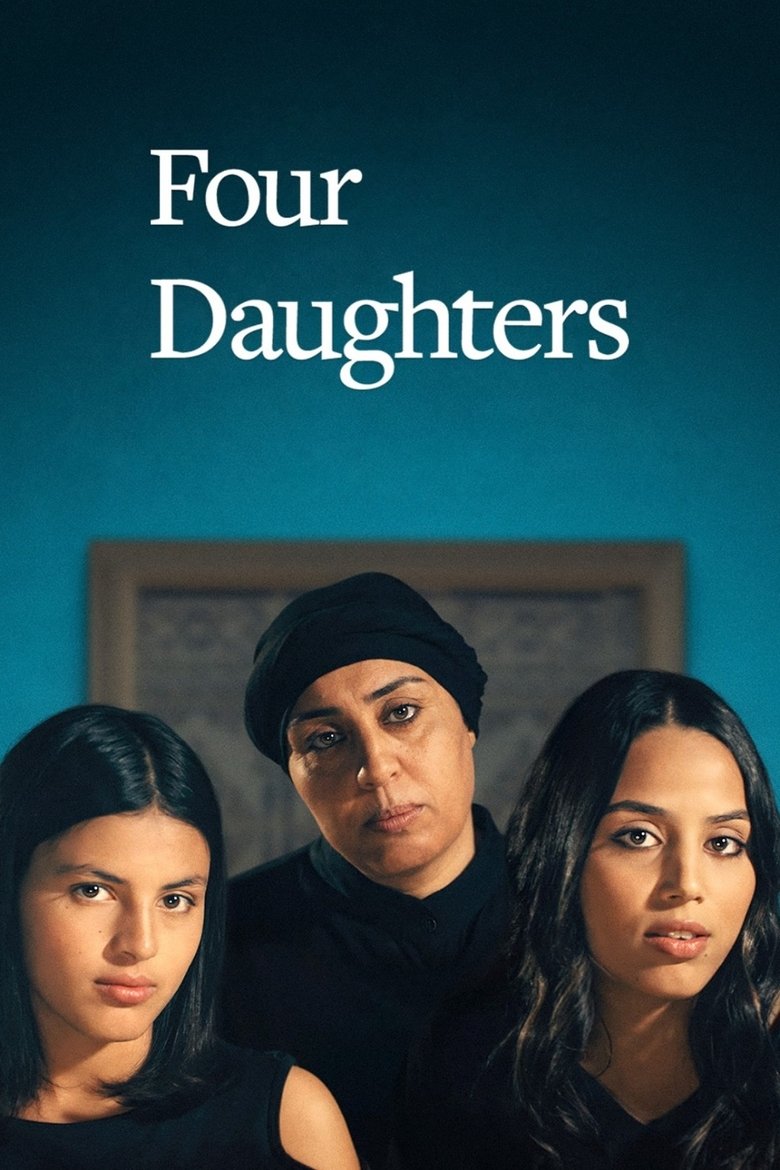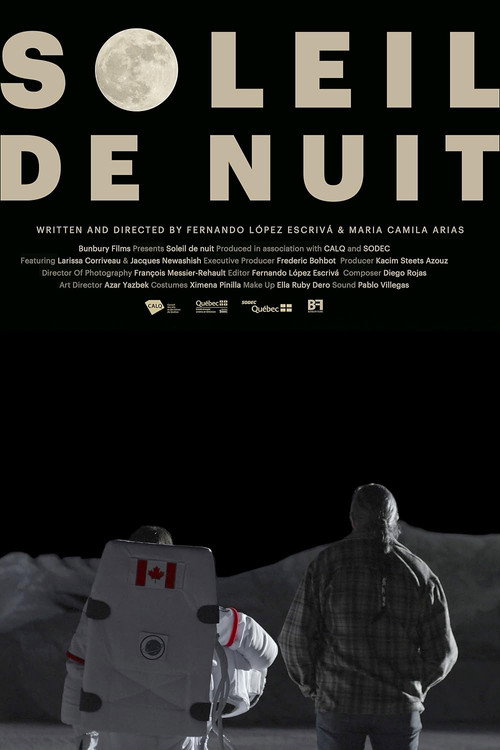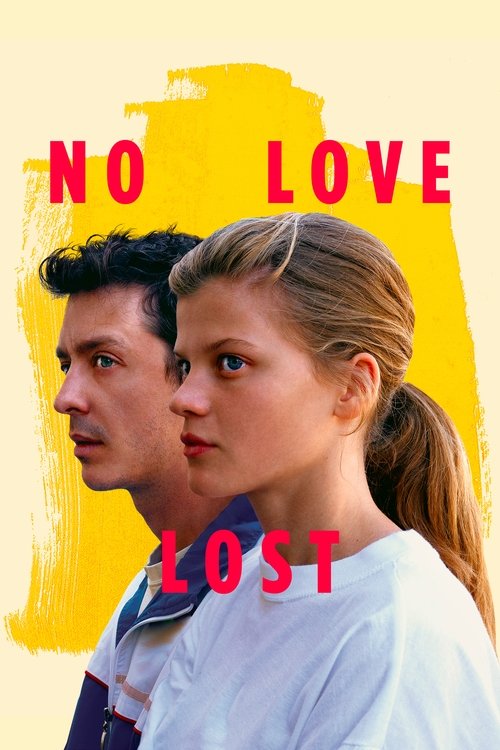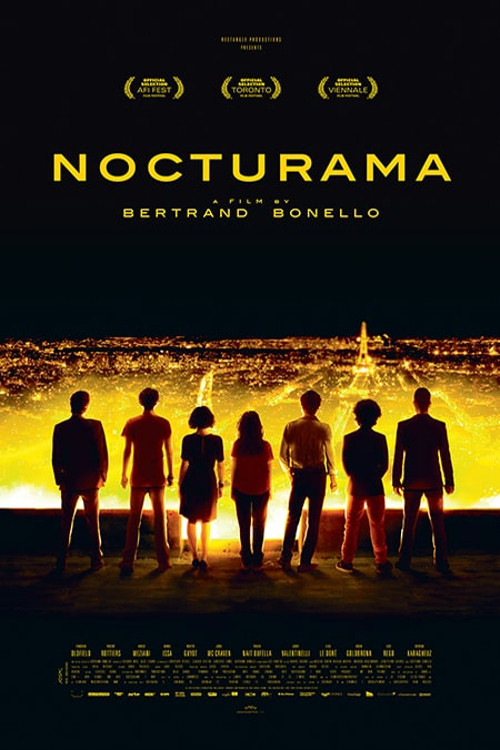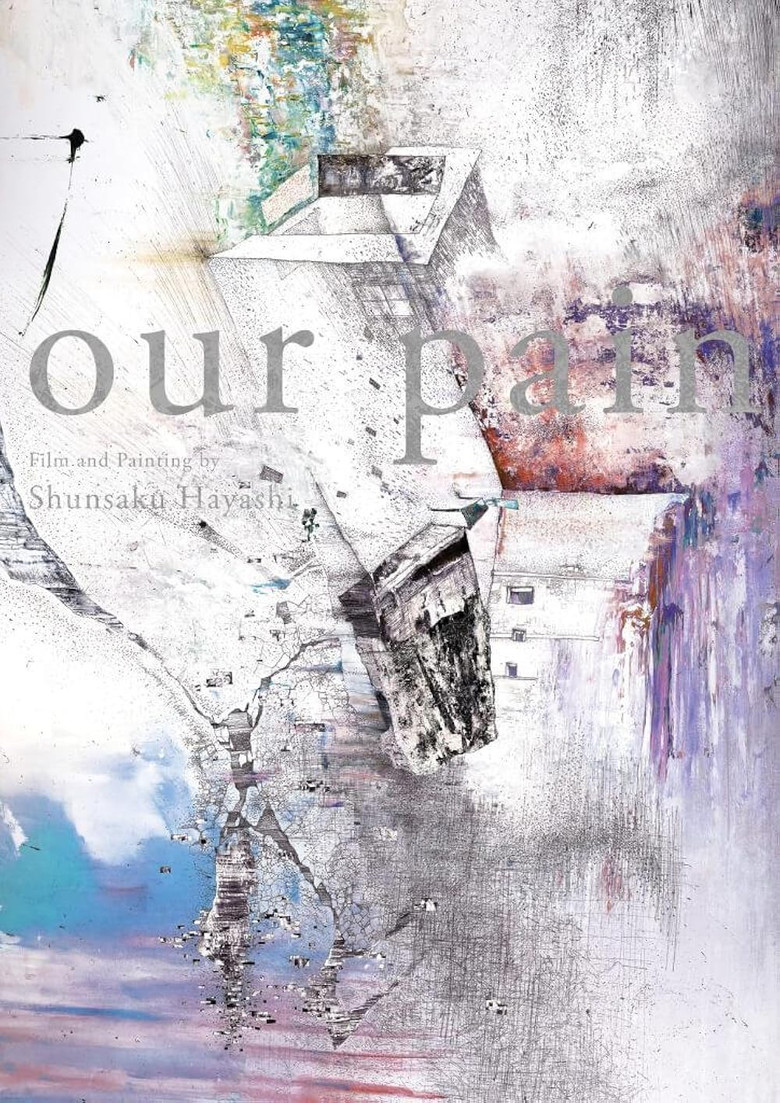

Founded in Montreal in 1971, the Festival du Nouveau Cinéma is one of the oldest continuously operating film festivals in North America and the longest-running festival in Canada dedicated to cinema that pushes against narrative, formal, and industrial convention - its French name, translating roughly as "Festival of New Cinema," is not marketing language but a precise description of a founding commitment that has remained consistent across more than five decades.
The festival was established in the context of Quebec's Quiet Revolution and the international cultural ferment of the late 1960s and early 1970s, a period when cinema was being remade by the French New Wave, American independent film, Brazilian Cinema Novo, and the various national new waves that transformed the art form globally. Its founders were interested in cinema as a site of political and formal experiment, not as an entertainment industry. That founding position has shaped every subsequent programming decision.
Montreal's French-speaking majority and its specific position as a bilingual, bicultural city give the festival a character distinct from other major Canadian film events. The FNC operates primarily in French and positions itself within Francophone cultural space - Quebec's specific relationship to French-language European cinema, to Belgian and Swiss filmmaking, to French new-wave traditions and their successors, is central to how the festival understands its audience and its function. At the same time, the festival's international scope encompasses cinema from across the world, and its bilingual Canadian context gives it access to both French and English-language critical and filmmaking communities.
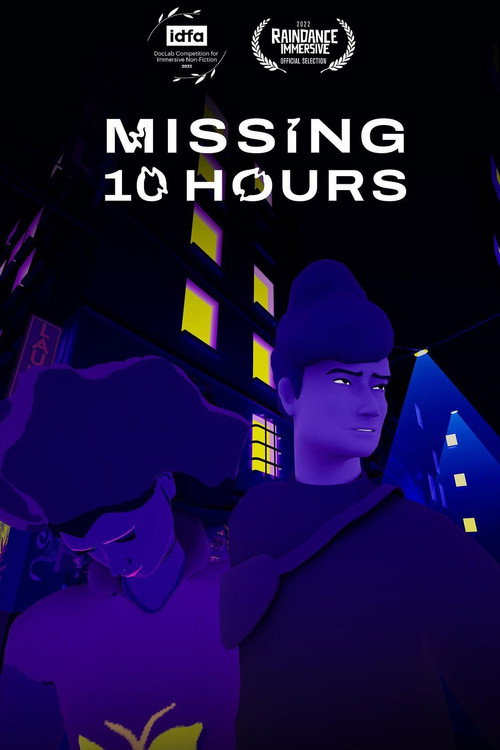
The programme is organised around several thematic and categorical strands. The main competition presents recent international features that advance the festival's commitment to formal and narrative innovation. A digital strand has existed since the 1990s, reflecting the festival's early engagement with how digital technologies were reshaping cinema production and aesthetics. Interactive and VR work has been incorporated more recently as the festival has tracked the expansion of what "new cinema" means in technological terms.
For genre cinema specifically, the FNC's relationship is nuanced. The festival is not a genre festival and does not present itself as such. Its primary identity is in avant-garde, experimental, and politically engaged cinema. However, because the festival prizes work that operates at the intersection of form and politics, and because genre conventions are powerful enough that deforming or subverting them becomes artistically meaningful, films that draw on horror, thriller, sci-fi, and surreal traditions while doing something formally disruptive with those conventions have found homes in the FNC programme.
Quebec's own genre cinema - a tradition that includes distinctive horror work with roots in Catholic imagery, rural isolation, and the specific anxieties of a minority culture within a majority English-speaking North America - has been represented at the festival. Quebec horror is not identical to Anglophone Canadian horror or to American horror; it draws on a different set of cultural materials and produces work with a different register. The FNC, as the primary Francophone film festival in Montreal, is part of the context in which that work is made and received.
The festival's October timing places it in direct proximity to Halloween, which has occasionally influenced programming choices around dark comedy and psychological horror, though the FNC would resist any reduction of its identity to a seasonal event. Its serious intellectual identity is central to how it distinguishes itself from the many film festivals that have proliferated since its founding.
The FNC runs for approximately two weeks, using multiple venues across Montreal including the Cinémathèque québécoise, which shares its commitment to cinema as art and archive. The festival has a strong relationship with Quebec's filmmaking community, presenting new work by established Quebec directors and discovering emerging voices whose work fits the festival's formal criteria.
Industry and market functions are less central to the FNC than to larger commercial festivals, though the festival does serve as a meeting point for Francophone cinema's international networks. Its influence operates primarily through taste formation and critical discourse rather than through sales and acquisitions, which is consistent with its founding commitment to cinema as culture rather than as commerce.
The experimental and documentary traditions have been particularly strong presences in the FNC programme, and the festival's long history means it has accumulated a significant institutional relationship with the history of Quebec and international avant-garde cinema.
 Toronto International Film Festival
  Cannes Film Festival
  Bolton International Film Festival