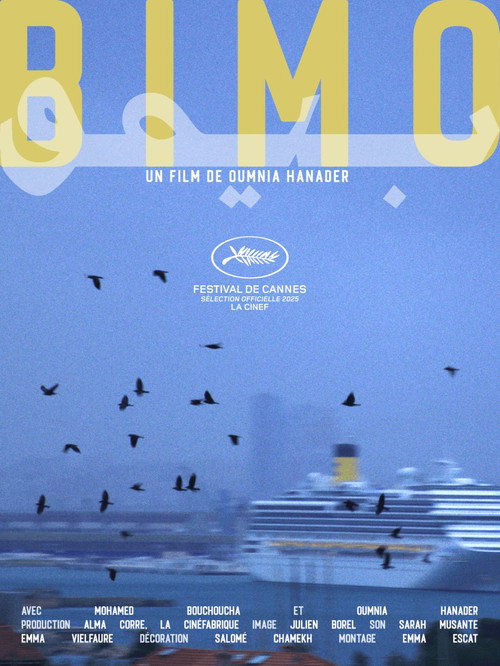

The Cannes Film Festival has awarded its Palme d'Or since 1955, making that prize the oldest and most consistently contested top honor in international prestige cinema, a distinction that underpins the festival's enduring centrality to the global film industry. Held each May in Cannes, France, the festival was founded in 1946, though the first edition had in fact been planned for 1939 before the outbreak of war delayed it by seven years.
The festival's geography is inseparable from its identity. Cannes itself is a small resort city on the French Riviera, and the concentration of the festival's activities along the Croisette - the seafront boulevard lined with grand hotels - creates a particular atmosphere of visibility and social compression that is unlike any other festival environment. Stars, directors, producers, critics, buyers, and press all occupy the same small stretch of coastline, and the intense social density of Cannes is part of how deals get made and careers get shaped there.
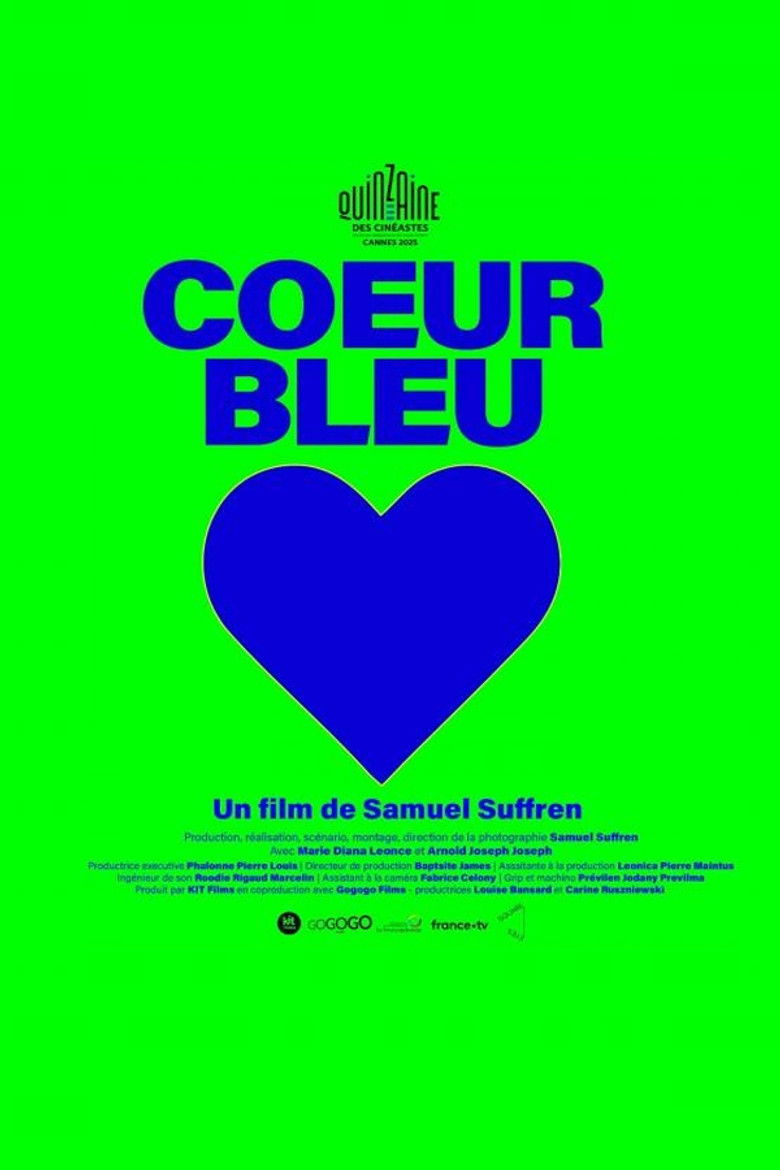
The Official Selection is divided into several distinct strands. The main competition, from which the Palme d'Or is awarded, is the most scrutinized, with the jury typically composed of high-profile directors, actors, and cultural figures. Un Certain Regard is the second competitive strand and tends toward bolder or more formally complex work that does not fit the main competition's expectations. The Directors' Fortnight (Quinzaine des Cineastes), which runs alongside the official selection rather than as part of it, was founded in 1969 and has historically been more receptive to politically challenging and formally experimental cinema.
For genre cinema, Cannes has a complicated and interesting relationship. The festival does not position itself as a genre venue, and programming decisions in the main competition have consistently favored a certain kind of prestige art cinema. However, landmark genre films have appeared in Cannes across its history. Roman Polanski's "Rosemary's Baby" screened there. Michael Haneke's work, much of which operates in the territory of psychological-horror and thriller, has won multiple Palme d'Or prizes. "Parasite" by Bong Joon-ho, a film with strong genre DNA, won the Palme d'Or in 2019. The festival's relationship with filmmakers like David Lynch, whose work consistently draws on surreal and horror-inflected modes, further complicates any simple narrative about Cannes as purely a prestige-realism venue.
The Cannes market - the Marche du Film - runs simultaneously with the festival and is the single most important international film market in the world by volume of deals. The Marche du Film operates across multiple buildings and is open to credentialed market participants rather than the public. A very substantial portion of what happens at Cannes in commercial terms is invisible to festival coverage: genre films, exploitation films, and international commercial productions are bought and sold by the thousands in the market buildings while the critical attention focuses on the Palme d'Or competition. The Marche du Film is, by this measure, as important to exploitation cinema and genre film internationally as it is to prestige art cinema.
The Midnight Screenings strand, which has operated in various forms over recent editions, is where Cannes makes its most explicit gesture toward genre and popular cinema. Midnight Screenings have hosted horror films, science fiction productions, and other genre works that receive official status within the festival while sitting outside the competitive strands. These screenings are among the most attended and most loudly received of the festival, reflecting a persistent audience appetite for genre work that the main competition does not fully serve.
France has its own rich genre cinema tradition - the New French Extremity, giallo-influenced work, supernatural thrillers - and Cannes has periodically reflected that tradition in its programming, though rarely in the central competition. The festival's role as a national showcase means that French genre filmmakers occasionally find space in the sidebar strands even when the main competition remains focused on prestige international work.
The physical rituals of Cannes - the red carpet, the formal dress codes for evening screenings, the screening at the Grand Theatre Lumiere - are probably the most internationally recognized symbols of film festival culture. These rituals have been satirized, subverted, and analyzed extensively, but they also serve real functions: the formality enforces a particular kind of attention and occasion around the act of watching films, and the Grand Theatre Lumiere remains one of the most charged rooms in world cinema.
 Toronto International Film Festival
  International Film Festival Rotterdam
  Bolton International Film Festival