
The 25 Goriest Horror Movies Ever Made
Gore is a craft discipline before it is a shock tactic. The films ranked here earn their place on what the effects achieve and on why the film needs them: a Savini evisceration staged in wide shot, a Bottin creature that refuses to settle into one design, a Fulci set piece built to be looked at rather than merely survived. In this subgenre the makeup department is frequently the actual auteur, so we name it.
The ranking also separates kinds, because they are not doing the same work. Comic splatter, where excess is the punchline, has nothing in common with body horror, where the wound carries the argument. Neither resembles the endurance films of the New French Extremity, which are engineered to make you leave the room, or the handful of titles that use gore to test the viewer's own appetite for looking. Body count decides nothing here.
Watch these free right now



How this list was built
Two questions decide every entry: what does the gore accomplish that nothing else in the film could, and is the effect itself accomplished. That combination is why a rubber-limbed slapstick sequence can outrank a technically competent murder. Craft and purpose have to arrive together.
Several categories were left out on principle rather than taste. Mondo compilations and real-death footage are documented elsewhere in the catalogue but are not filmmaking in this sense. Shot-on-video shock series whose only claim is duration, and torture pictures with no design behind the violence, were excluded for being unpleasant rather than skilled. Unpleasantness is cheap; a convincing prosthetic under a hard light is not.
One film is ranked precisely because it puts the viewer in the wrong: Deodato's found-footage frame makes watching the transgression. It also killed real animals on camera, which is stated in its note rather than smoothed over. Everything else here is illusion, built by people who signed their work.
The films on this list

Braindead 1992
The lawnmower finale burns through more fake blood than any sequence before it, and Bob McCarron and Richard Taylor build the excess as pure slapstick geometry. Splatter timed like a Buster Keaton gag.

Evil Dead II 1987
Raimi invents a grammar here: gore as cartoon. Stop-motion, claymation and Mark Shostrom's prosthetics collide at Looney Tunes speed, and the blood runs blue and green because realism was never the point.
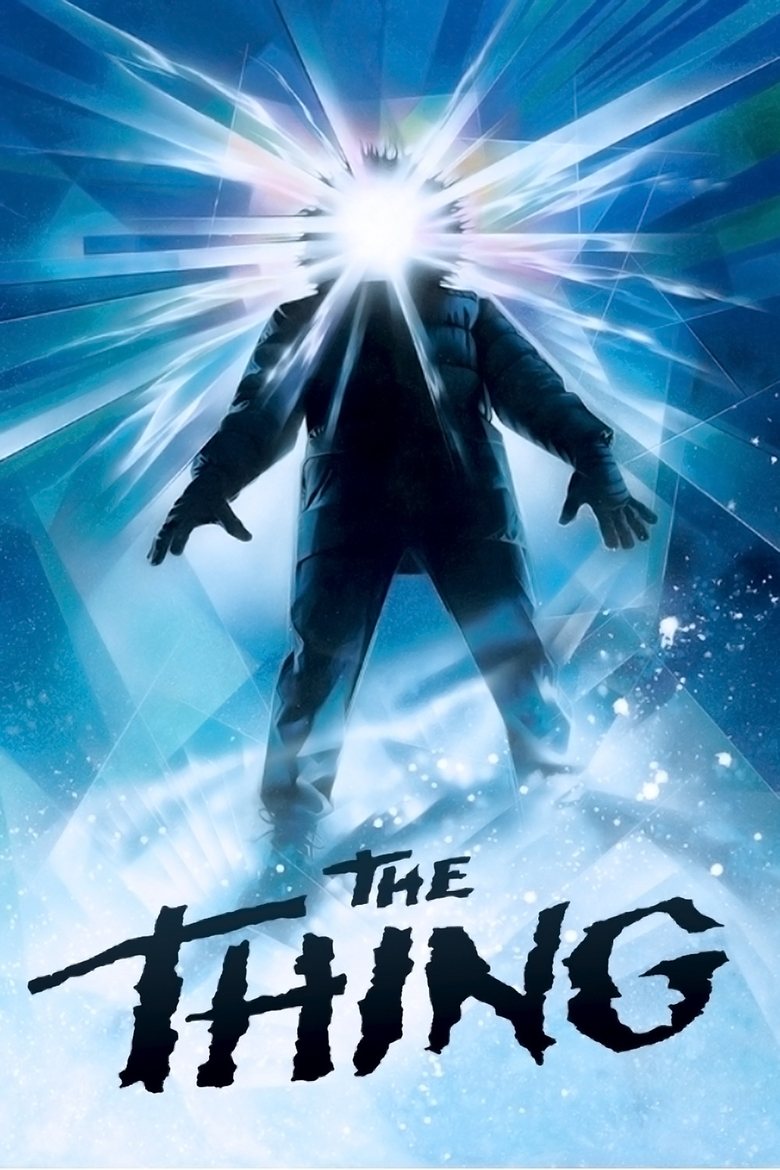
The Thing 1982
Rob Bottin was twenty-two and hospitalised for exhaustion by the end of it. His creature never settles into a single shape, which is the argument: no form holds long enough for the crew to trust it.

Day of the Dead 1985
Savini's best work and his most clinical: autopsy-accurate viscera, latex that tears on cue, and a final evisceration held in wide shot so you can see there is no cut hiding the mechanism.

Re-Animator 1985
Gordon plays Lovecraft as farce and the effects follow his lead: a severed head that keeps talking, a body carrying it around. Every gag lands as punchline delivery, and the timing is impeccable.

The Beyond 1981
Fulci and Giannetto De Rossi abandon plot for image: the tarantulas, the eyes, the acid. Continuity errors are irrelevant when each set piece stands alone as a painting of decay.

Zombie Flesh Eaters 1979
De Rossi's splinter-in-the-eye scene is the most patiently constructed gore shot of the seventies: real time, no cutaway, every second available to look away in.

Dawn of the Dead 1978
Savini's grey-blue zombies and machete work turned the mall into an abattoir, but the gore is satirical before it is visceral: consumer bodies bursting inside a temple of consumption.
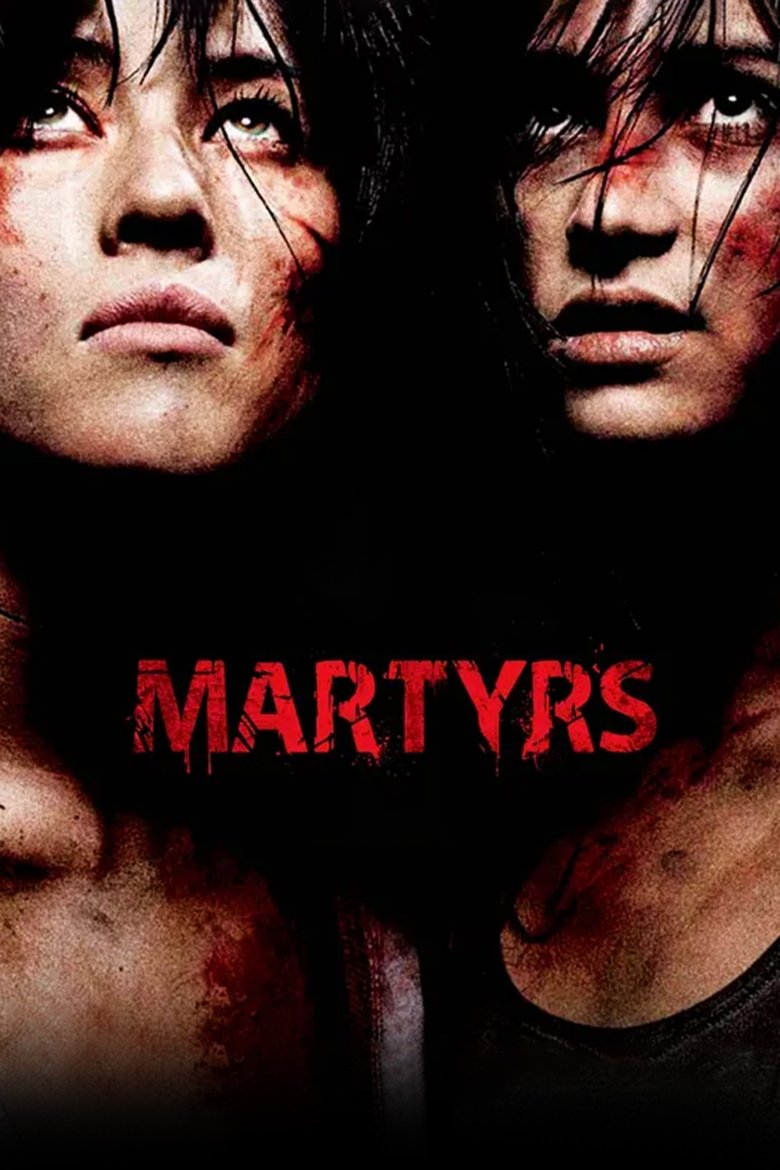
Martyrs 2008
Laugier builds an endurance structure rather than a shock reel, stripping spectacle away for two hours until only flaying and a metaphysical claim remain. The most argued-over film of its movement.
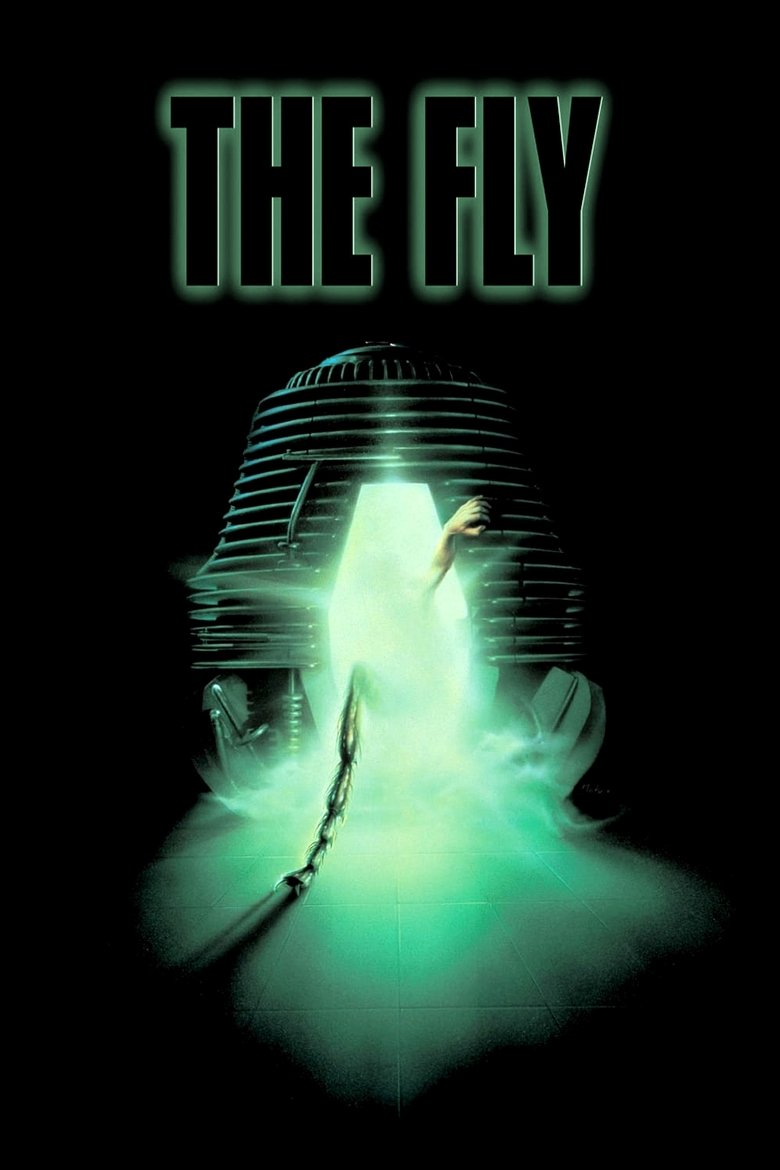
The Fly 1986
Chris Walas won the Oscar for it, unusual honesty from the Academy. Each stage of Brundle's decay is a legible step in an argument about disease and self-knowledge, played with real tenderness.

Videodrome 1983
Rick Baker's breathing videocassette and abdominal slit are prosthetics as thesis. Media enters the body literally because Cronenberg treats metaphor as the soft option.

Hellraiser 1987
Bob Keen's hooks and chains reframed gore as liturgy. Barker films flaying with the composure of religious painting, and the Cenobites arrive as clergy rather than as monsters.

Tetsuo: The Iron Man 1989
Tsukamoto shoots metal erupting through flesh in 16mm black and white, driven by stop-motion and industrial noise. The body horror is economic: Tokyo's machinery colonising the worker who serves it.

City of the Living Dead 1980
Gino De Rossi's drill through the skull and the regurgitation sequence are Fulci at his most frontal: set pieces that narrate nothing and simply strike, while Dunwich falls apart around them.

Cannibal Holocaust 1980
The found-footage frame makes the viewer complicit, and that is the design rather than an accident of it. The film also killed real animals on camera, a fact that belongs in any assessment.

Riki-Oh: The Story of Ricky 1991
Lam Nai-choi adapts the manga at full volume: skulls burst, a man fights with his own intestines. The prosthetics are cheap and the film knows it, which is why it plays as comedy.

Bad Taste 1987
Jackson's homemade debut, four years of weekends and a kitchen full of latex. The gore is engineering-class showing off by someone with no budget and nobody supervising him.
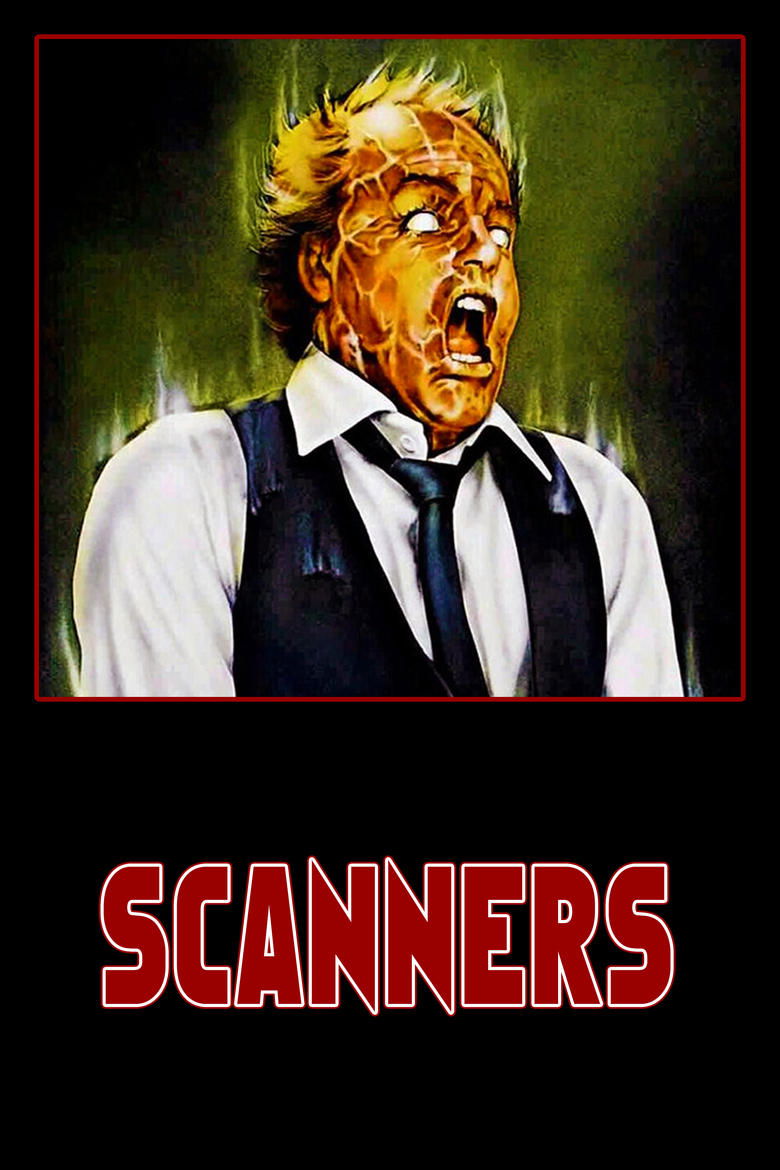
Scanners 1981
One exploding head, engineered by Dick Smith's team with a shotgun fired into a plaster cast, and the whole film is remembered for it. Cronenberg's coldest study of a body used as state property.

High Tension 2003
Aja hired Giannetto De Rossi and the Italian lineage shows in every kill. The first act is technically superb slaughter; the twist that follows is what people still argue about.

Inside 2007
Maury and Bustillo stage a home invasion in near-total red, and the violence stays domestic in scale: scissors, knitting needles, a pregnant body treated as contested territory.

Ichi the Killer 2001
Miike splits the difference between cartoon and clinic: severed limbs, hooks through cheeks, a man cut vertically. The digital blood dates it, the tonal derangement does not.
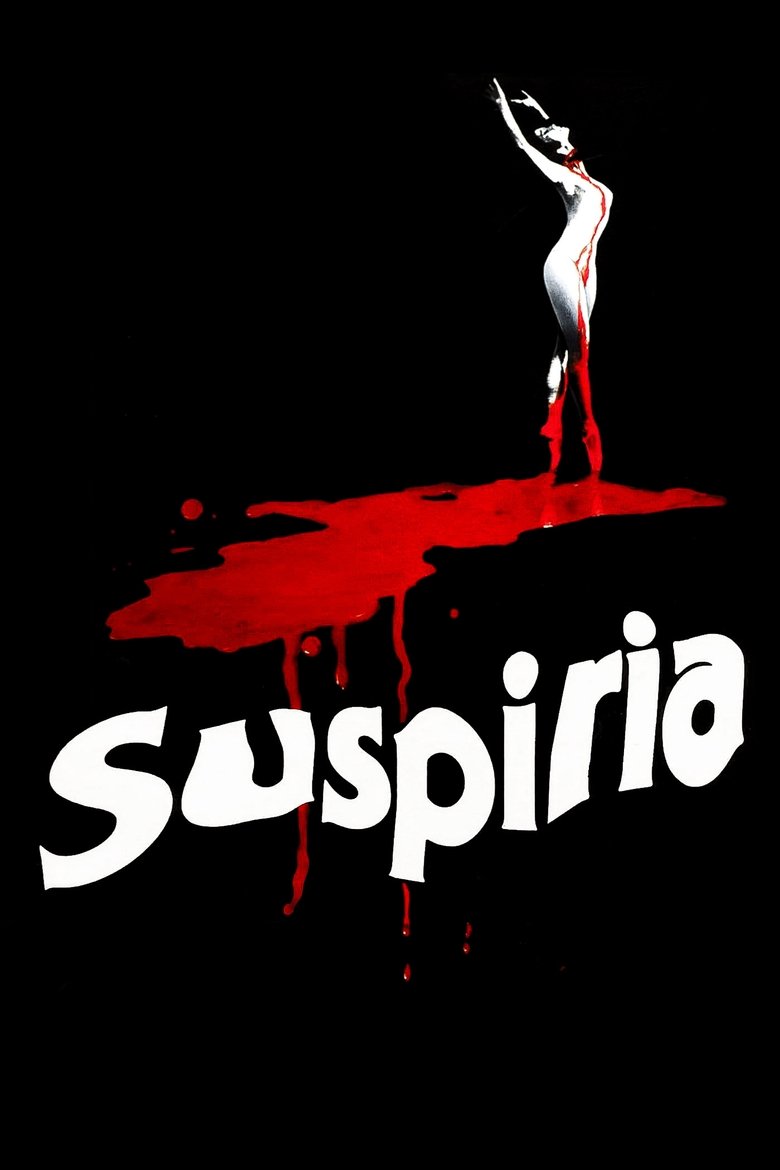
Suspiria 1977
The opening double murder is gore as Technicolor design: primary reds, a heart stabbed on screen, a body dropped through stained glass. The set decides what the violence looks like.

Maniac 1980
Savini's shotgun head-burst, performed on himself, is the most notorious shot of 1980. Lustig films Manhattan squalor without any of the glee the film's reputation implies.

Blood Feast 1963
Herschell Gordon Lewis invented the splatter film here on a two-week schedule, with sheep organs standing in for human ones. Technically inept, historically foundational.
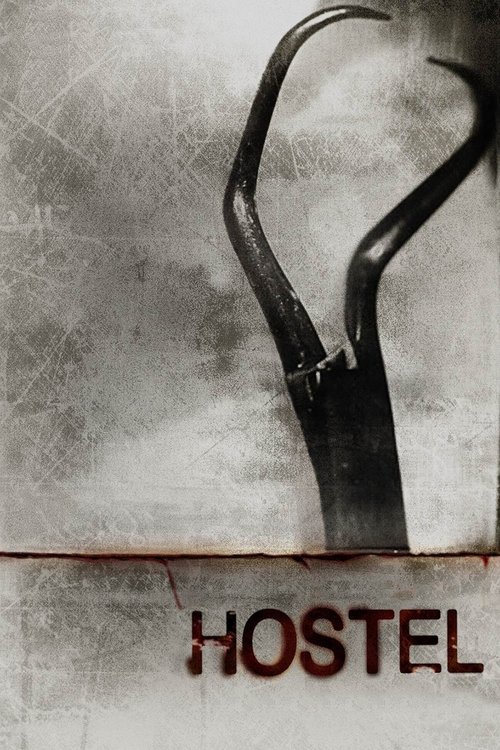
Hostel 2006
An industrial premise, KNB EFX supplying the tools, and a critique of American entitlement abroad that the film mostly means. The eye sequence is its one indelible image.