
Best Psychological Horror Movies
Psychological horror is where the genre stops trusting external monsters to do all the work. The terror comes from obsession, breakdown, repression, guilt, identity slippage, or the horrible suspicion that the mind has become a hostile environment. That does not mean the films are bloodless. Some of them are vicious. It means the wound starts internally and radiates outward. The best psychological horror movies are often the ones that keep the viewer in unstable relation to what is being seen, whether that instability arrives through performance, editing, architecture, sexual panic, or a simple inability to tell if the world is cracking or the character is. This list leans toward films where psychological horror governs the whole design, with detours into France and Japan because those traditions have been especially good at turning interior damage into cinema.
The best psychological horror treats the mind as a production environment, not just a theme: rooms distort because thought distorts, and relationships become traps because identity refuses to hold. Belief, shame, sex, ambition and grief stop being background psychology and start dictating the whole filmic weather. That is why the subgenre endures - it never needs a monster suit to leave marks.
The films on this list

Repulsion 1965
Polanski makes the apartment itself absorb Carol's disgust and erotic revulsion until walls, hallways and silence all start behaving badly. A foundation text that gives breakdown real texture instead of abstraction.

The Shining 1980
Kubrick turns the Overlook into a machine for repetition and psychic abrasion, where the family looks pre-broken before the ghosts fully declare themselves. Madness erupting, induced, or simply revealed, and the film never needs to settle.

Possession 1981
Zulawski pushes divorce, sexual jealousy and creature panic to an operatic pitch where no clean line survives between collapse and monstrosity. Isabelle Adjani alone could justify its reputation.

Jacob's Ladder 1990
Adrian Lyne crosses cleanly into nightmare logic without losing emotional stake, keeping every explanation alive long enough to make each one hurt. Trauma, chemistry, grief and conspiracy all answer the same damaged nervous system.

Perfect Blue 1998
Satoshi Kon uses animation to collapse perception, performance and violation with almost indecent precision. Mima's career change becomes a full-scale identity siege that still feels uncomfortably current.

Mulholland Drive 2001
Lynch builds dread out of failed dreams and erotic idealization, letting fantasy cannibalize memory until even the glamour looks ready to rot. Its horror is structural rather than scene by scene.

Black Swan 2010
Aronofsky films artistic perfectionism like an infection, making every mirror, feather and rehearsal participate in Nina's breakdown. He is expert at delivering embarrassment and fear in the same breath.

Saint Maud 2020
Rose Glass treats religious conviction as an aesthetic project, watching loneliness and mortification build a closed devotional circuit. Precise, acidic, and brutal about how easily private holiness turns self-consuming.
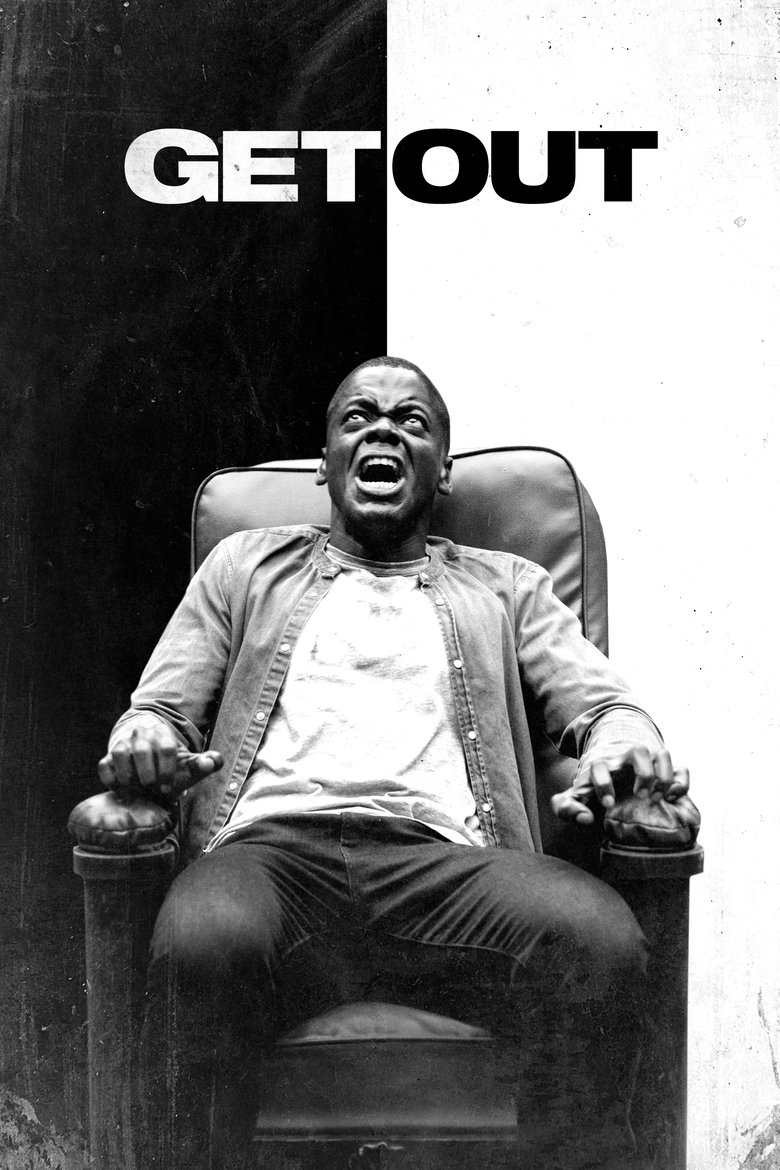
Get Out 2017
Peele locates the dread in politeness: every compliment lands as a measurement, and the horror is already complete before anyone raises a hand. Chris spends the film being read while pretending not to notice.

Psycho 1960
Hitchcock breaks his contract with the audience early, then spends the rest of the film making identification itself feel unsafe. The terror is in how readily you agree to help clean up.

The Silence of the Lambs 1991
Demme shoots interrogation as seduction, holding Foster in close-up until the audience shares her exposure. Lecter never needs to threaten: he only has to know things.

The Blair Witch Project 1999
Myrick and Sánchez withhold everything and let exhaustion do the work, until arguing over a map is worse than any sighting. The forest offers nothing to look at, which is exactly the problem.

The Vanishing 1988
Sluizer strips the abduction film of mystery and leaves only obsession, following a man whose need to know outlasts any hope of rescue. Evil here is methodical, curious and entirely reasonable to itself.

Rosemary's Baby 1968
Polanski builds the dread out of neighbours, doctors and a husband's ambition, so every reassurance tightens the trap. Nobody believes her, and the film is in no hurry to say whether they should.

American Psycho 2000
Harron plays the narrator's confessions as a comedy of status, letting business cards and skincare carry the same weight as violence. The uncertainty about what happened is the subject, not a loophole.

The Babadook 2014
Kent makes grief indistinguishable from possession, so a mother's exhaustion reads at once as illness and as haunting. The most frightening sound in it is a child who will not stop needing her.

The Wicker Man 1973
Hardy keeps the sun up and the songs cheerful while a policeman's certainty about his own authority walks him deeper into a community that has already decided. The horror is procedural.

Se7en 1995
Fincher soaks the city in rain and paperwork until the investigation feels like clerical labour under a sermon nobody asked for. The dread comes from a killer always further along than the detectives.

Martyrs 2008
Laugier moves the ground twice, so the viewer never settles into the film they thought they were watching. The cruelty is presented as a system with a stated purpose, which is worse than sadism.

Carrie 1976
De Palma treats high school as a surveillance apparatus and puts the audience on the side of the watchers. Long before anything supernatural lands, the film is about being looked at wrongly.

The Descent 2005
Marshall sends the group underground with an unresolved betrayal in their luggage, so the caves only finish what guilt started. Take away the creatures and it still ends badly.

Dead Ringers 1988
Cronenberg finds the horror in two men who cannot tell where one of them ends, then lets one start designing instruments for a body he no longer trusts. The wound is identity, not tissue.

Misery 1990
Reiner keeps everything at bedside scale, where a fan's approval becomes a currency the writer has to keep earning. Wilkes smiles all the way through the negotiation, and that is the frightening part.
More shorts to watch