
Best Modern Horror Movies
Modern horror is not just "recent horror." It is a set of pressures that hardened after about 2010: global circulation, sharper formal control, social crisis brought closer to the family unit, and a new willingness to let art-house patience coexist with real genre violence. The best modern horror movies are often precise about structure in a way older cycles were not. They know exactly what system is trapping the characters, whether that system is grief, sex, race, migration, ecology, religion, or simple bad luck arriving with a face. This list is not a duplicate of the decade listicles already sitting elsewhere in the library. I have avoided making it a simple roll call of the most over-repeated titles. Instead, these eight films show how modern horror changed its tools across the 2010s and 2020s, moving between body horror, psychological horror, South Korea, France, Britain, Australia, and the United States without losing thematic bite. The genre got sleeker. It also got crueler in smarter ways.
Watch these free right now
The best modern horror movies share a trait older cycles only sometimes needed: they are system-aware. Each film knows what web already holds its characters before the first major scare lands, whether that web is bodily, historical or a monster rule so clean it feels mathematical. The genre matured not by becoming respectable but by learning to embed dread in structures people thought they understood, then letting those structures bite back.
The films on this list

Under the Skin 2014
Jonathan Glazer fuses science fiction, predator tale and body-horror abstraction until ordinary human interaction feels uncanny. Its coldness proves alienation can cut deeper than intimacy when the formal control is exact enough.

The Babadook 2014
Jennifer Kent refuses to separate maternal exhaustion from monster logic, relocating the supernatural inside domestic strain. It knows caretaking can become a panic space before any apparition shows up.

It Follows 2015
David Robert Mitchell gives horror one of its cleanest monster rules and a strangely unmoored sense of time. He drains the slasher of mascot energy and replaces it with dread that just keeps walking, making waiting feel contagious.

The Wailing 2016
Na Hong-jin works at epic scale, letting village paranoia, possession, Christian ritual and shamanic performance coexist in one filthy storm. Loud, funny, spiritually sick and structurally ambitious.

Raw 2017
Julia Ducournau takes body horror back to school and treats identity as something physically embarrassing. The body's rebellion looks both liberating and humiliating, which is exactly the right mix.

His House 2020
Remi Weekes braids a ghost story, a refugee story and an indictment of bureaucratic cruelty without flattening them into one tidy allegory. Few recent films make walls, paperwork and memory collaborate so efficiently.

Nope 2022
Jordan Peele turns spectacle itself into the monster, thinking at blockbuster scale without abandoning strangeness. It is a film about looking that never stops asking what counts as evidence and what counts as bait.
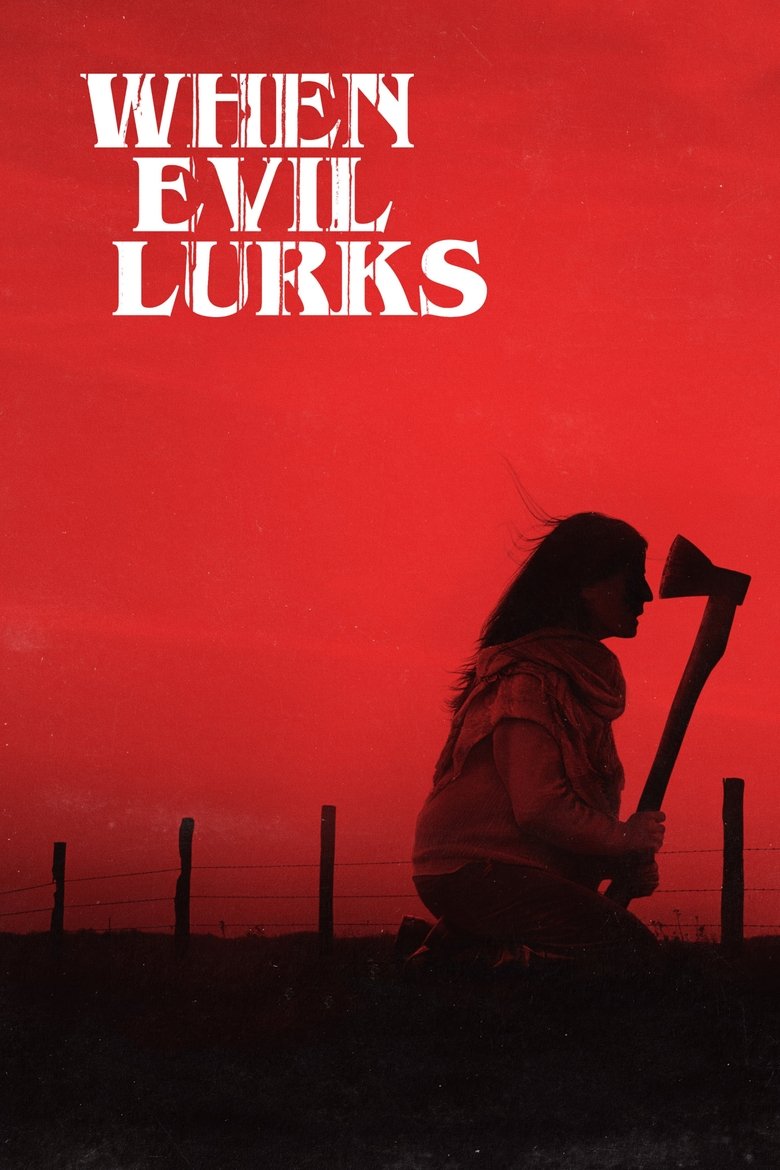
When Evil Lurks 2023
Demian Rugna treats horror as contamination moving through family, livestock, rumor and failed authority. Vicious and fast, it is utterly convinced that bad systems spread faster than good advice.
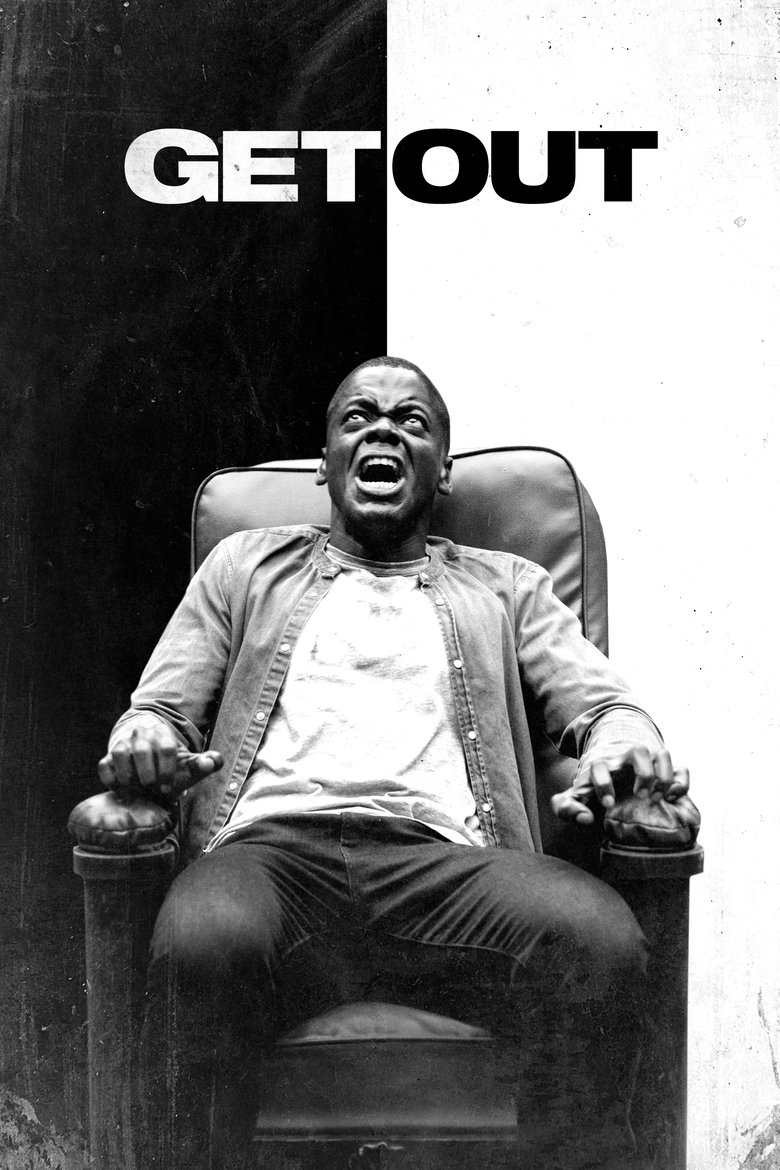
Get Out 2017
Peele runs social comedy and dread on the same track, so every polite question in that house lands like a threat. The horror is in the tone of voice, long before anything is confirmed.

Hereditary 2018
Aster shoots a family in collapse with the patience of a miniaturist, treating the house as a dollhouse someone else is arranging. Grief is not a metaphor here, it is the mechanism.
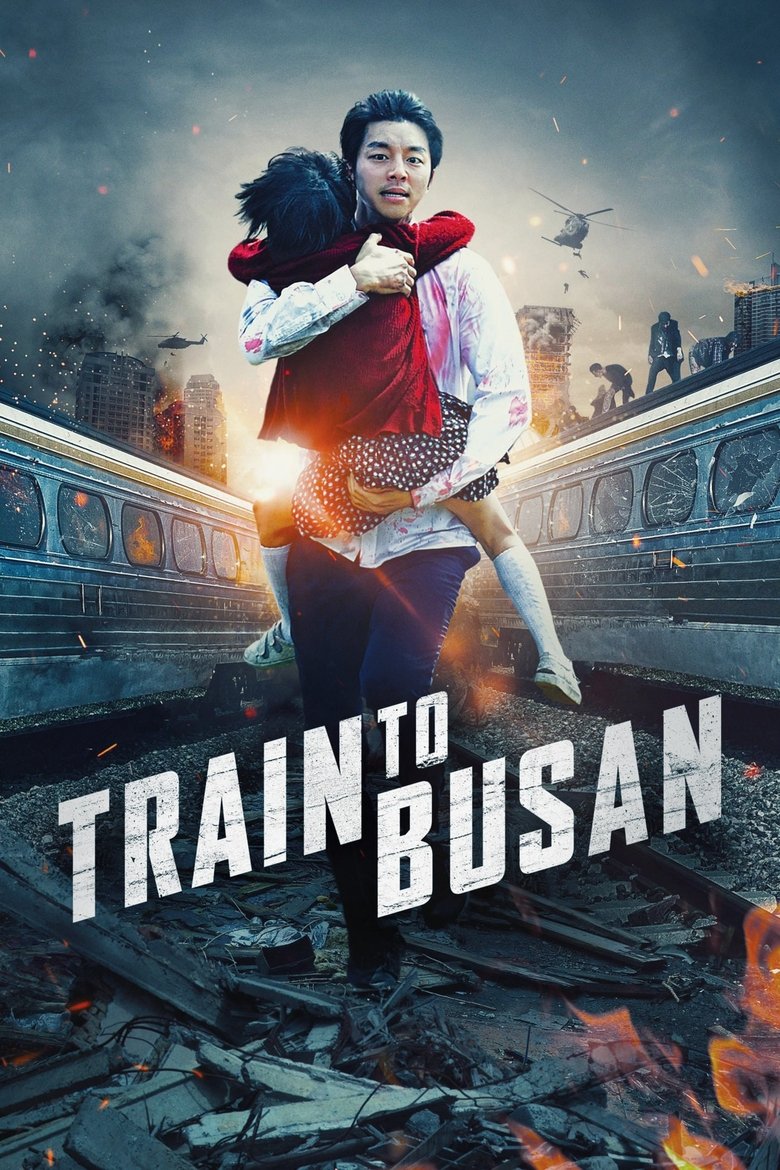
Train to Busan 2016
Yeon uses train carriages as class compartments, each door a negotiation about who is worth saving. The speed is relentless, but the cruelty comes from passengers, not the infected.
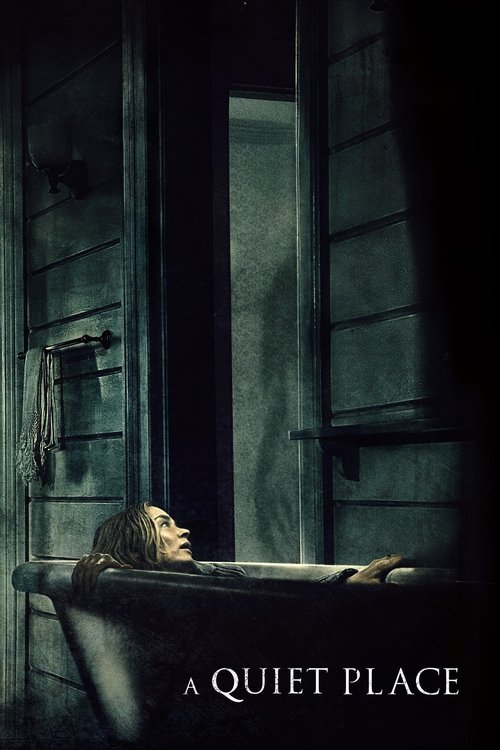
A Quiet Place 2018
Krasinski turns sound design into the rulebook, making every floorboard and held breath a matter of survival arithmetic. Silence becomes the language a family has to parent in.

Sinister 2012
Derrickson builds the scares out of found footage a writer keeps choosing to watch, making ambition the delivery system for the curse. The projector clatter does more work than any monster.

Saint Maud 2020
Glass keeps devotion and delusion perfectly indistinguishable, filming a carer's faith from inside so the viewer loses any outside reference. Morfydd Clark plays certainty, which is worse than doubt.

Under the Shadow 2016
Anvari sets a djinn loose in a Tehran apartment during the missile strikes, so air raids and superstition share one soundtrack of dread. What a mother must fear from the state doubles the haunting.

The Autopsy of Jane Doe 2016
Øvredal draws his tension from procedure, letting two coroners read a body the way a detective reads a room. Each incision delivers information nobody wanted to receive.

Ready or Not 2019
Bettinelli-Olpin and Gillett stage a wedding night as a hunt across family property, and the comedy comes from how bureaucratically the in-laws treat it. Samara Weaving keeps the fury credible.
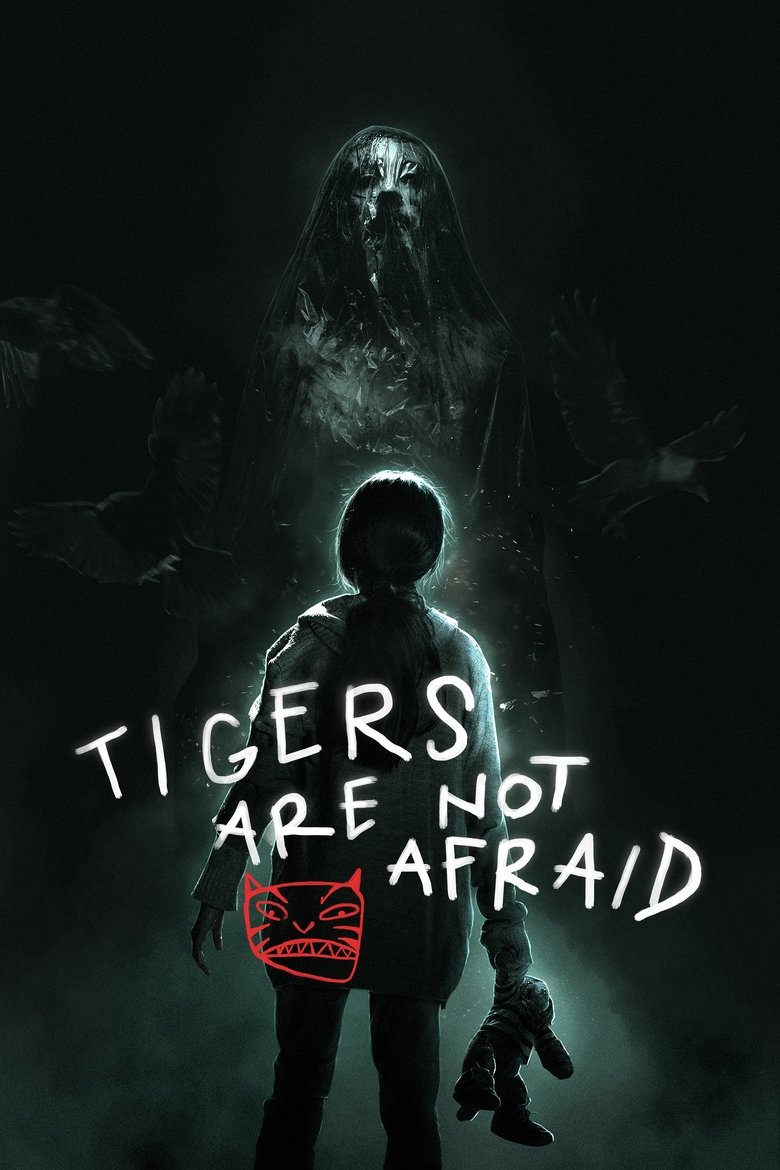
Tigers Are Not Afraid 2017
López binds cartel violence to fairy-tale logic, giving orphaned street kids three wishes that behave like evidence. The ghosts are less frightening than the adults who made them.

A Girl Walks Home Alone at Night 2014
Amirpour films Bad City in monochrome as a place where a chador reads as a cape and vampirism becomes a way of policing men. Mood carries the plot, and the mood is entirely hers.

Barbarian 2022
Cregger designs the film to keep rearranging what kind of film it is, and the rental house is only the first misdirection. Every reasonable decision a guest makes turns out to cost her.
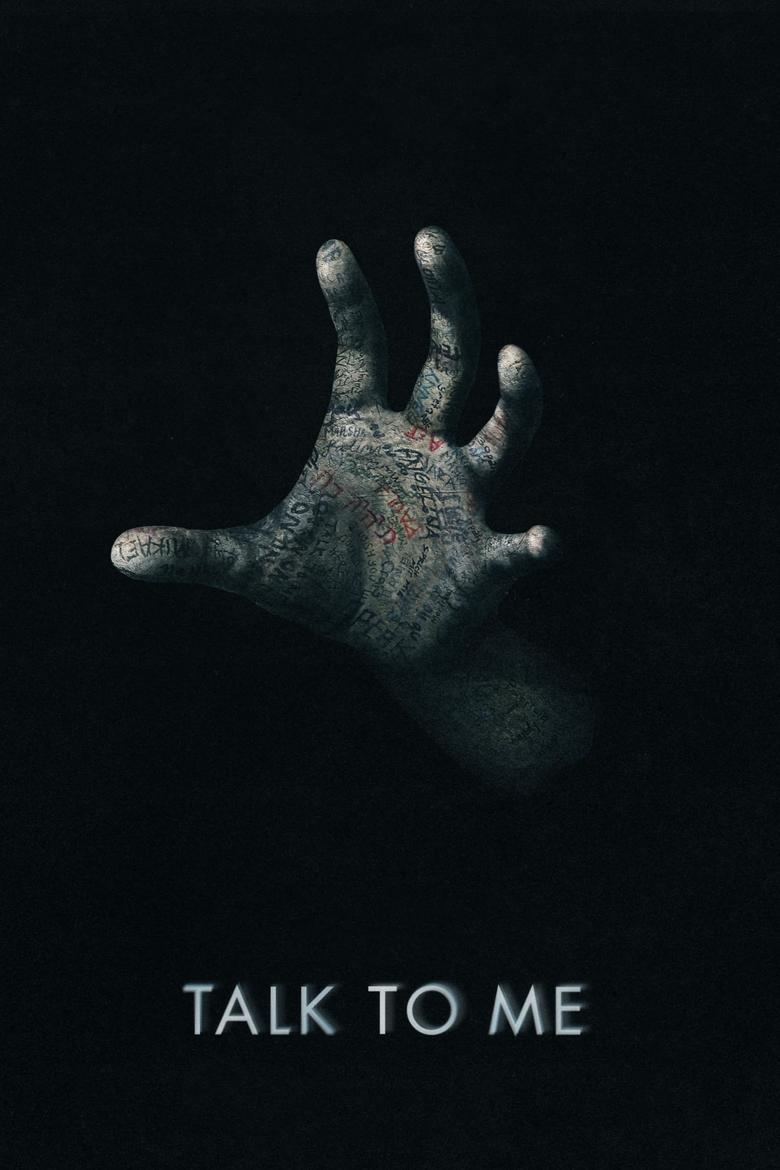
Talk to Me 2023
The Philippou brothers turn a party trick into a dependency, filming possession the way teenagers film each other: phone up, ninety seconds, laughing. Grief is what makes the game addictive.
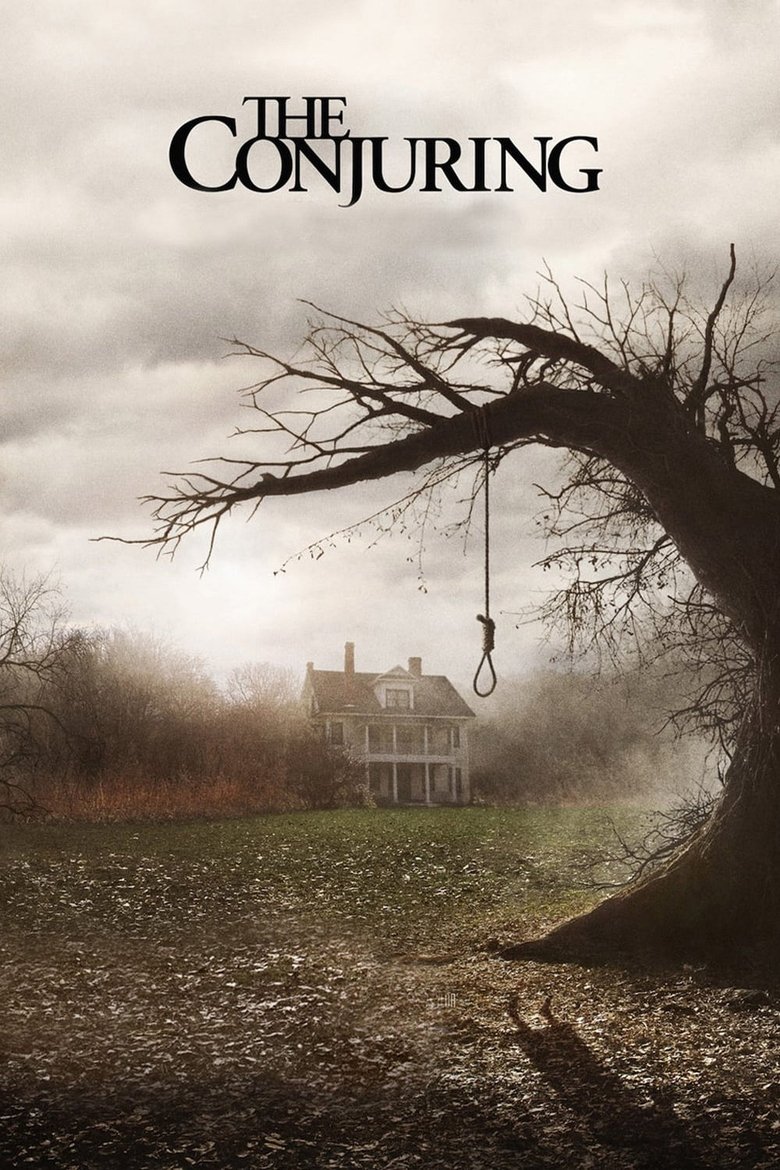
The Conjuring 2013
Wan revives old-fashioned craft, moving the camera to find empty space and trusting a clap in the dark. Framing the Warrens as heroes is a choice, and it makes the film play like a procedural.

Us 2019
Peele works in doubles and rhymes, so the boardwalk, the mirror and the choreography all point at one argument about who gets a life. Lupita Nyong'o carries two performances at once.

Kill List 2011
Wheatley starts in a kitchen row about money and lets dread accumulate through job talk and abrupt cuts, never explaining more than the men themselves know. The unease is structural, not atmospheric.
More shorts to watch