

Best Folk Horror Movies
Folk horror works on a simple premise: the land remembers, and modern people keep arriving as if memory were optional. The films below earn the label because they do more than place fear in the countryside. They let ritual, inherited belief, local custom, and the sheer pressure of place govern the dread. This is not a jump-scare subgenre. It is a patience subgenre. It likes circles, songs, harvests, masks, mud, old rules, and outsiders who realize too late that nobody around them thinks an explanation is necessary. I have leaned toward the films that define the shape of the form rather than every adjacent rural nightmare. That means some obvious near-neighbors stay outside the fence. These eight are the spine.
Folk horror survives because it never needed a single national costume. British pagan terror gave the form its most famous grammar, but the deeper principle travels easily: landscape plus memory plus local law equals dread. These films all understand that modernity is thin cover for rituals, hungers and communities that do not care whether outsiders approve.
The films on this list

The Wicker Man 1973
Hardy's fixed point for the whole form, terrifying not because the villagers are eccentric but because their pagan world makes perfect sense to them. Once you grasp that asymmetry, every polite conversation on Summerisle becomes a threat.

Witchfinder General 1968
Michael Reeves proves you need no paganism for the countryside to turn murderous. Vincent Price's Matthew Hopkins is sanctioned sadism moving village to village, folk horror stripped down to persecution and moral rot.
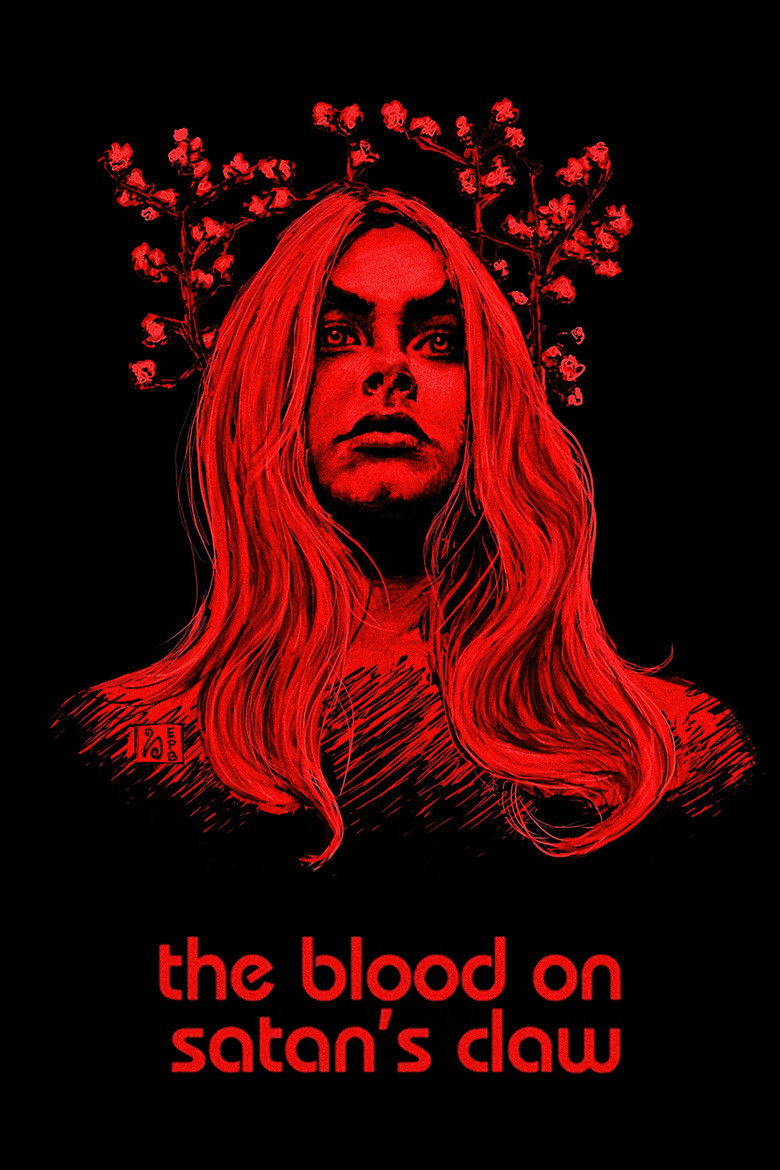
The Blood on Satan's Claw 1971
Where English soil starts to feel sentient, a skull in a ploughed field loosing possession and youth corruption on a village half-claimed by an older religion. Haggard binds the subgenre to harvest, land and buried power.
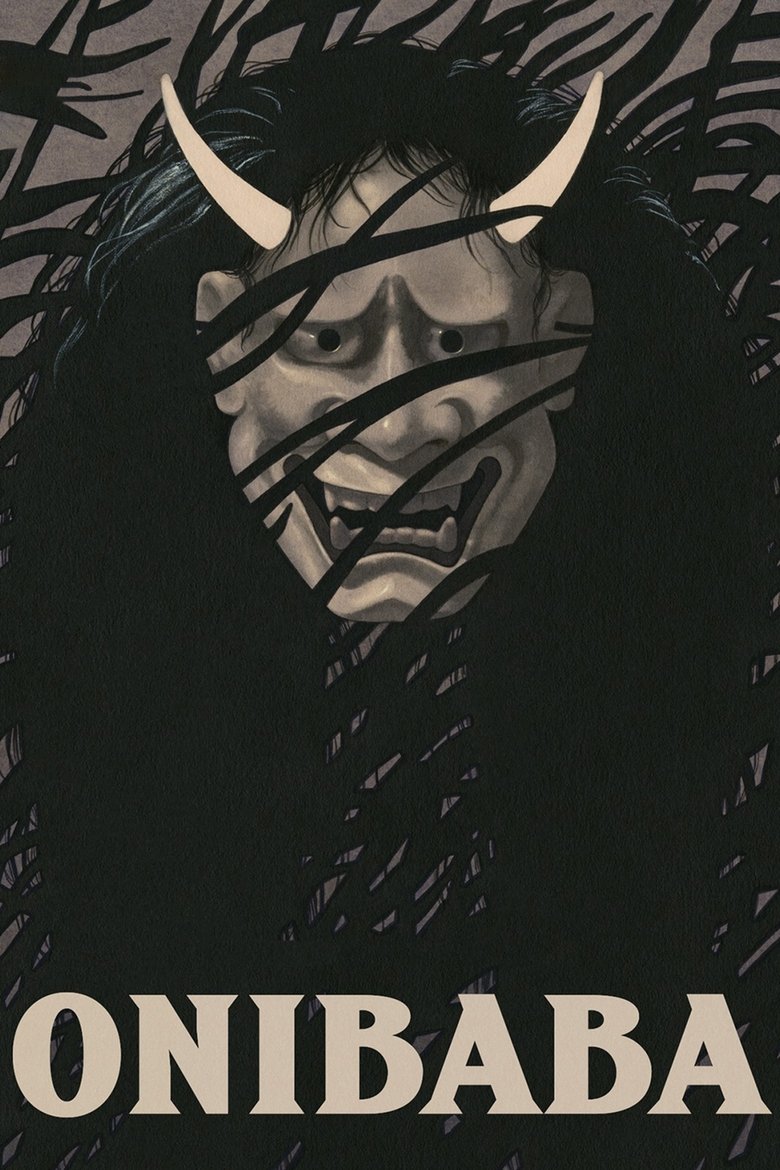
Onibaba 1964
Shindo's marsh-set masterpiece proves folk horror was never only British, turning reeds, masks and erotic jealousy into a complete system of dread. Belief here grows straight out of war, hunger and the body.

Kill List 2011
Wheatley remembers folk horror can also be recession horror, opening on unpaid bills and damaged masculinity before the pagan trap closes. The angriest film here, and the one that makes the old machinery feel fully contemporary.

A Field in England 2013
Wheatley's hallucinatory register, shot in black and white amid the Civil War and reduced to mushrooms, occult authority and landscape disorientation. Folk horror as altered consciousness and lost perspective.

The Witch 2016
Eggers treats the form like a historical infection, where Puritan isolation makes belief carnivorous. The devil is not merely in the woods but in the family grammar and the work of survival.

Midsommar 2019
Aster drags folk horror into daylight, proving pastoral brightness can be as oppressive as shadow. Dani does not just wander into a cult; she walks into a structure that knows how to metabolize her grief.