The 25 Best Creature Feature Movies
A monster film is only as good as the object at the centre of it. That is the organising idea here: films where somebody welded, sculpted, cast, cabled or wore the thing, and where the craft of making it move is the reason the film exists at all. Rob Bottin, Stan Winston, Rick Baker, Ray Harryhausen, Chris Walas and Eiji Tsuburaya are authors on this list, and we name them.
The tradition is not one thing. There is the atomic mutation, born in 1953 and 1954 and still going. There is kaiju, a Japanese lineage with its own politics, from the Hiroshima grief of the first Godzilla to Anno's satire of a paralysed civil service. There is the animal-attack picture, which is usually about land, money or class. And there is the modern pastiche, made by people who grew up renting this stuff and rebuilt the foam-latex workshop on purpose.
Watch these free right now

How this list was built
Ranking favours films where the monster is a built object and where the building is visible in the finished picture. A puppet with real weight beats a weightless render, and a suit performance beats a design document. Digital creatures are here when the animation gives them mass and behaviour rather than just silhouette.
We have kept the sub-traditions distinct on purpose, because a giant-ant procedural, a kaiju film about postwar reconstruction and a desert comedy about worms are doing entirely different work. Where the effects artist is the real author of the film, the note says so, and where a production's chaos shaped the result, the note says that too.
Cabane à Sang keeps separate lists for monster movies, shark films and alien horror, so a few obvious titles live over there instead. This one is about the workshop.
The films on this list
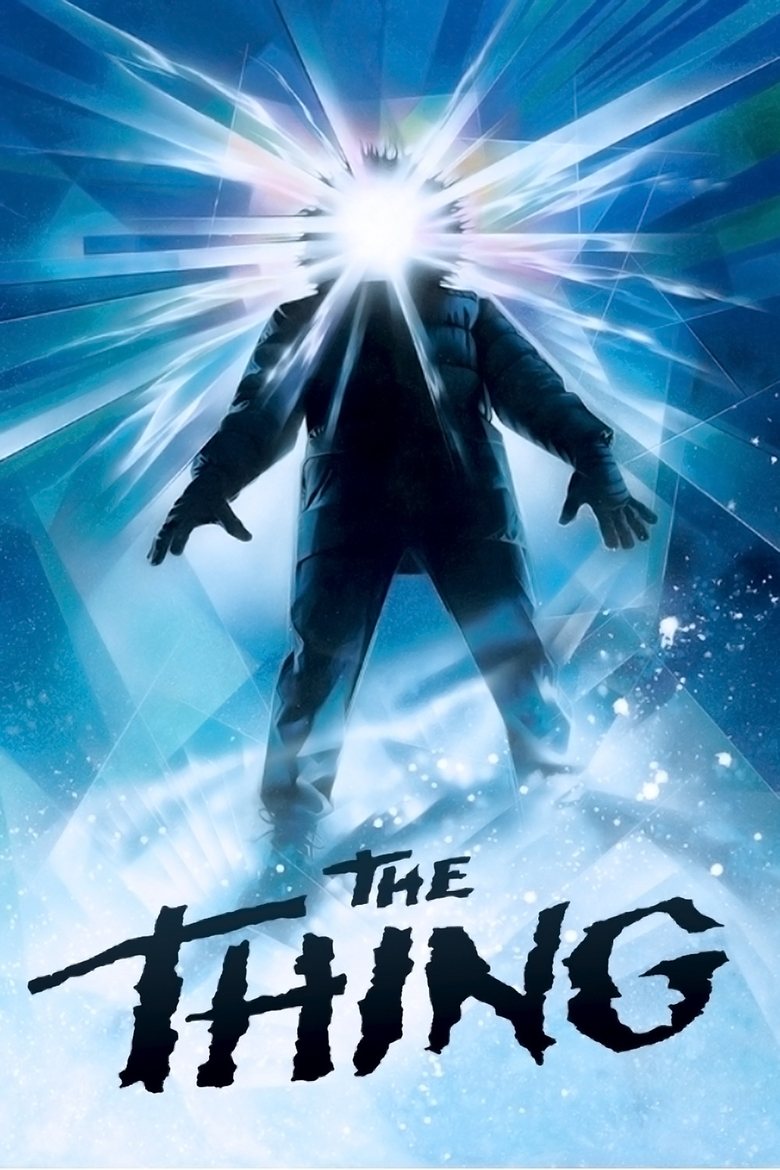
The Thing 1982
Rob Bottin was 22 and effectively lived at the studio; what he produced is biology as betrayal, every transformation a body improvising out loud. Reviled in 1982, load-bearing ever since.

Godzilla 1954
Eiji Tsuburaya's suit weighed close to a hundred kilos and moves like something in pain, which is the entire argument for building a monster rather than drawing one. The 1954 Japanese original.
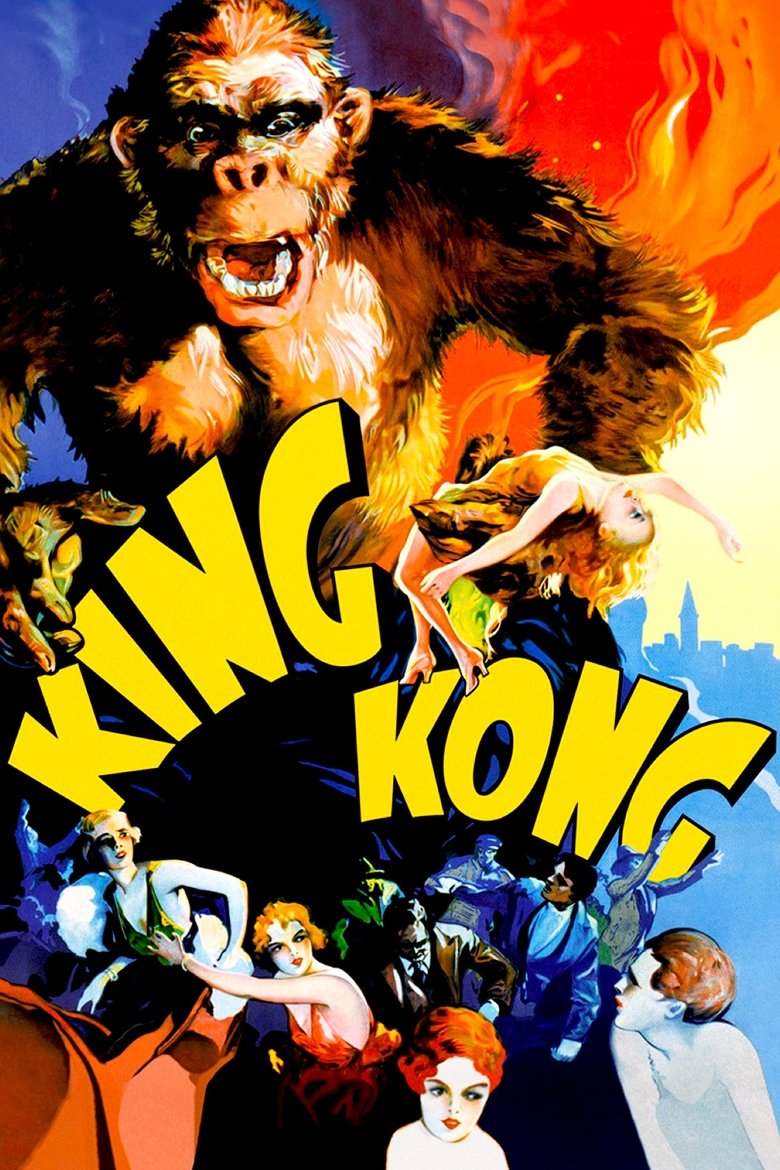
King Kong 1933
Willis O'Brien animated an eighteen-inch armature and wrote the vocabulary in the process: rear projection, miniature jungle, a monster with a temper and a readable face. All of it still an object.

Alien 1979
Giger drew it, Carlo Rambaldi engineered the head, and Bolaji Badejo, a Nigerian design student over two metres tall, wore it in the dark. No film had ever hidden its costume so well.
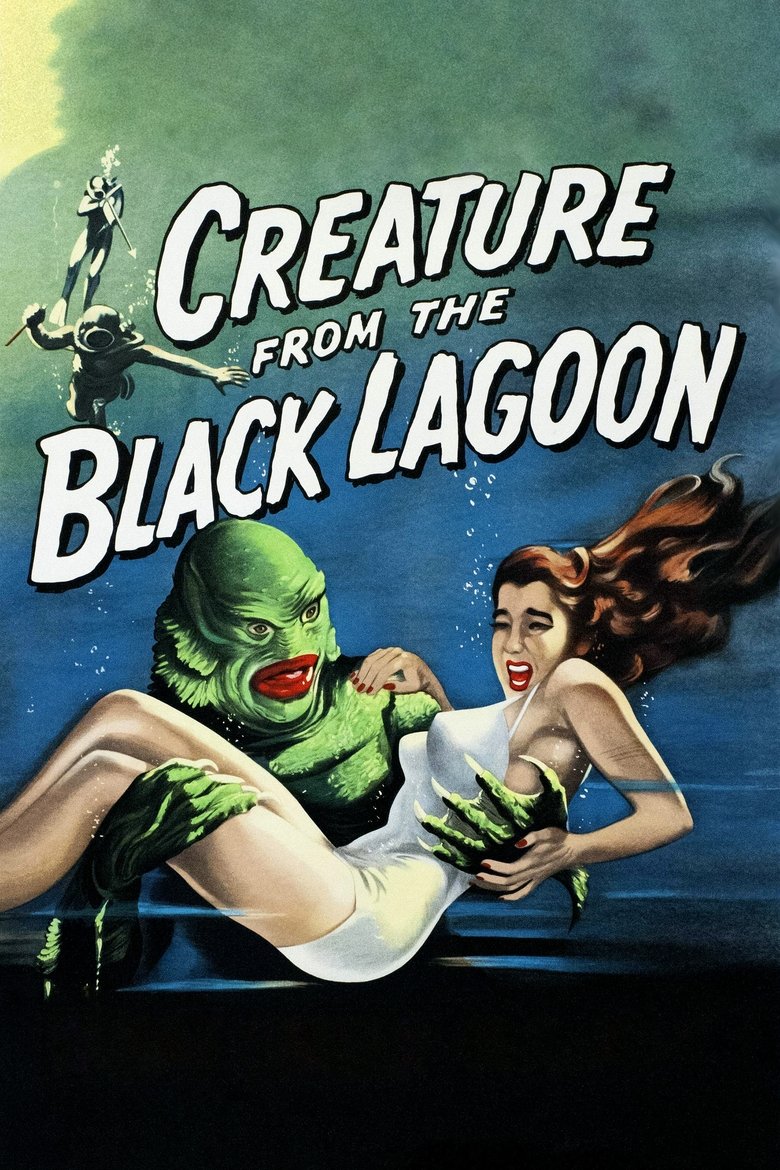
Creature from the Black Lagoon 1954
Two performers share the Gill-man: Ben Chapman on land, Ricou Browning holding his breath below. The foam-rubber suit had to read as an animal from every angle, and it does.

An American Werewolf in London 1981
Rick Baker took the first makeup Oscar for this and earned it in one brightly lit room: a man stretching into a quadruped while Sam Cooke sings. Change-o heads, cable rigs, nowhere to cut away.
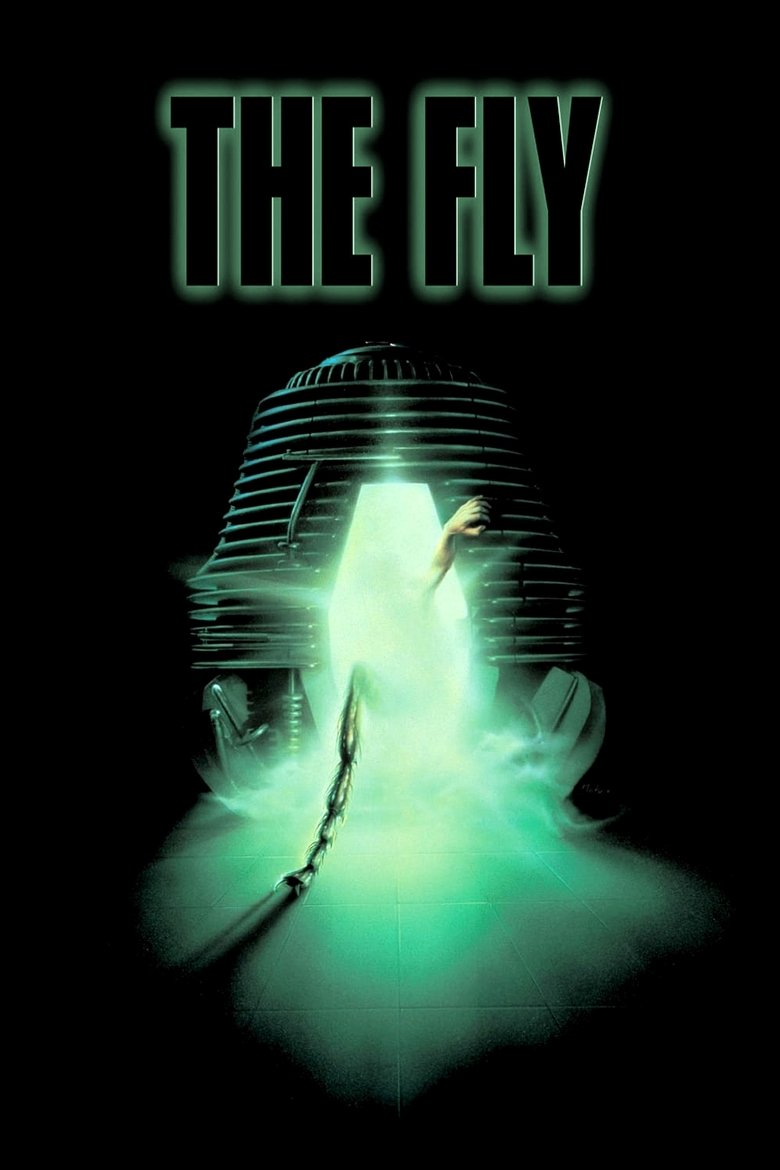
The Fly 1986
Chris Walas built seven stages of Brundlefly and Cronenberg shot them as a terminal diagnosis. The monster is a man taking notes on his own decay until the notes stop making sense.

Them! 1954
The ants are full-scale mechanical props, which is why a closing mandible has weight. Warner shot a colour test and dropped it, and the monochrome makes the machines unarguable.
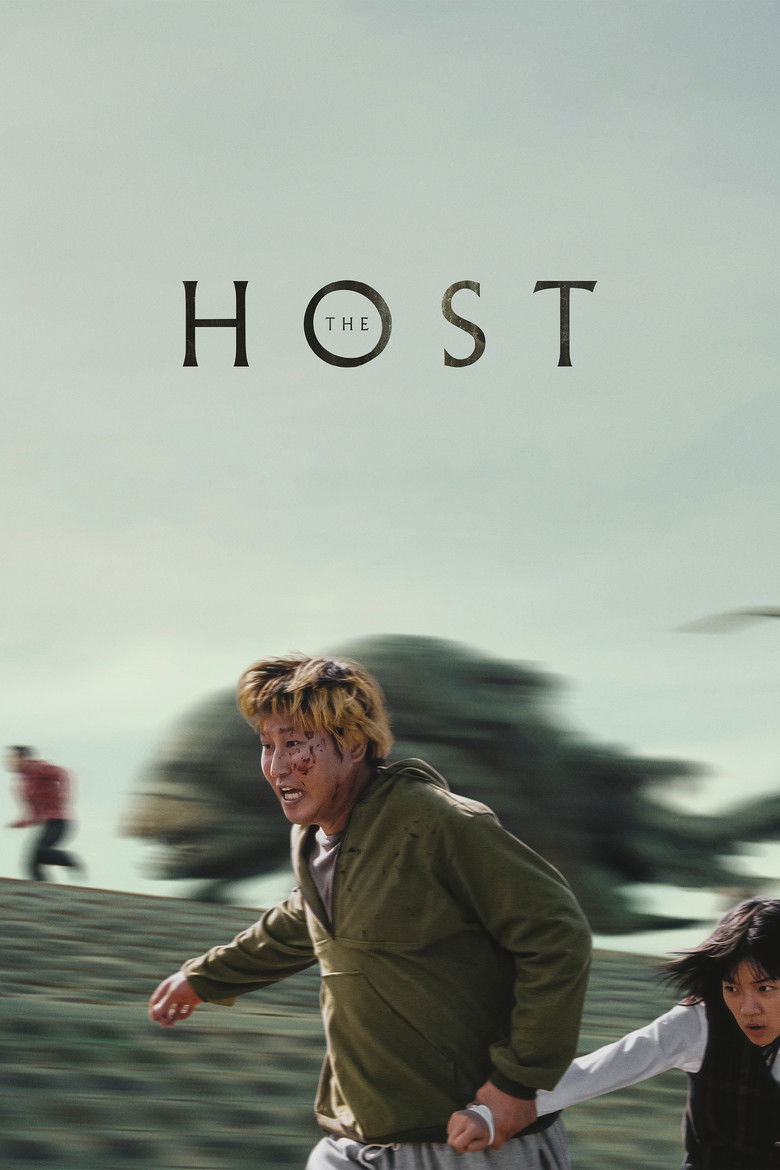
The Host 2006
Bong hangs a mutated Han River animal on American chemical dumping and a family too shambolic to be heroic. The thing is digital and still moves like a body with bad joints.

Aliens 1986
Stan Winston's shop multiplied Giger's design into a colony and built the Queen as a four-metre hydraulic puppet with two operators inside it. Cameron shoots the whole thing as a war picture.

Jaws 1975
Three pneumatic sharks named Bruce that kept sinking, and a director forced to imply what he could not show. The malfunction wrote the film; Verna Fields cut it into an animal.

Tremors 1990
Amalgamated Dynamics built graboids that never fly and never need to, because the desert floor does the acting. A comedy where every gag is a plan and every plan is physics.

Predator 1987
Winston's second design after the first collapsed on set, worn by Kevin Peter Hall: mandibles, thermal vision, dreadlocks. The jungle half beats the reveal, and the reveal is strong.

Gremlins 1984
Chris Walas turned a Christmas comedy into a puppet workshop under siege, hundreds of rod-and-cable mogwai wrecking a Frank Capra town. It helped force the PG-13 rating into existence.

Godzilla Minus One 2023
Yamazaki drops the character into 1947 rubble and a country with no army left to send, then delivers 610 effects shots for roughly what Hollywood spends on a trailer.

Shin Godzilla 2016
Anno's monster is a bureaucratic emergency: committee rooms, on-screen job titles, a creature that keeps evolving because nobody has the authority to sign off on stopping it.

The Descent 2005
Marshall keeps the crawlers offscreen for an hour and lets the cave do the work, then reveals prosthetic performers lit by flares and camcorder green. Grief first, animals second.

The Beast from 20,000 Fathoms 1953
Harryhausen's rhedosaurus wading through Coney Island is the most copied sequence in the whole tradition, animated frame by frame by one man in a rented room with a rented camera.

The Blob 1988
Tony Gardner's remake lets the mass digest people on camera with their faces still legible in the pink. Co-written by Frank Darabont, meaner than the original and openly hostile to the army.

Cloverfield 2008
Neville Page designed a distressed juvenile animal instead of a weapon, and Reeves keeps it at the edge of a camcorder frame. Manhattan at eye level, one block at a time.
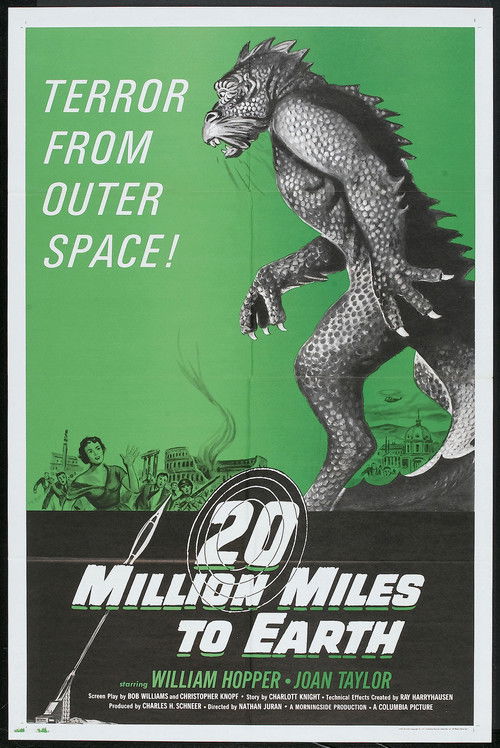
20 Million Miles to Earth 1957
Harryhausen's Ymir is the victim of the piece: a Venusian animal dragged to Rome, growing because our air poisons it, shot down at the Colosseum. He named it his own favourite.
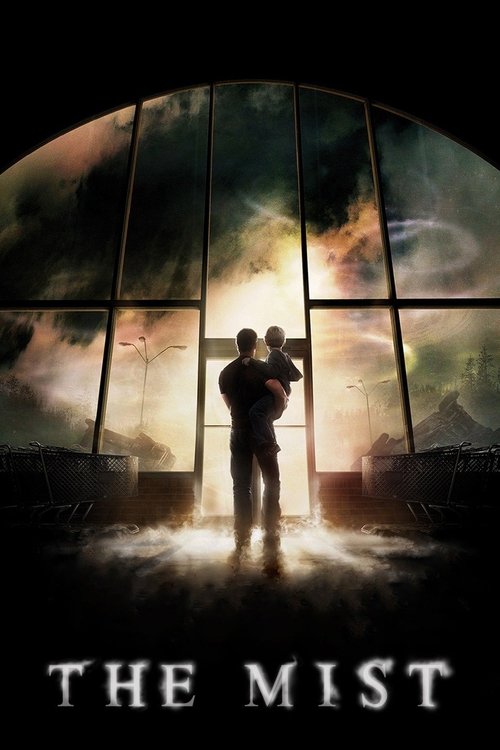
The Mist 2007
What is outside barely matters; Darabont's subject is a supermarket organising itself into a congregation with a prophet and a scapegoat. Watch the black-and-white version.
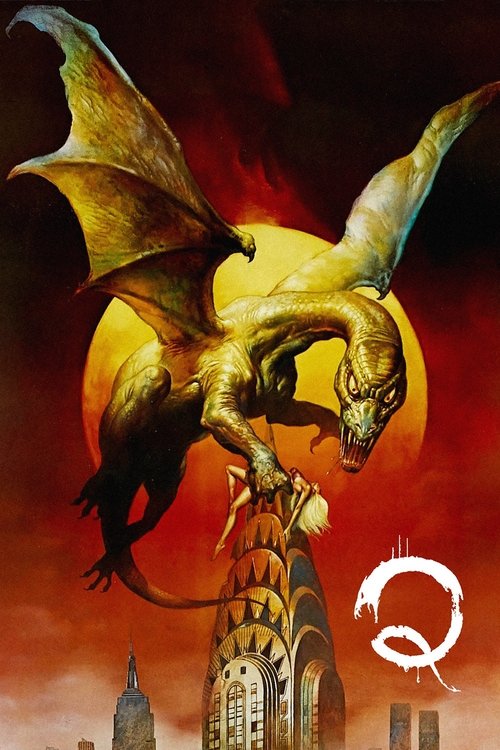
Q 1982
Cohen shot New York without permits and had Randall William Cook and David Allen animate a Quetzalcoatl over the Chrysler Building. Michael Moriarty improvises the whole middle of the film.

Alligator 1980
John Sayles wrote it, so the reptile in the Chicago sewers is a class grievance with teeth: growth hormones, dumped pets, a garden party it demolishes. Robert Forster deserved better than that pool.
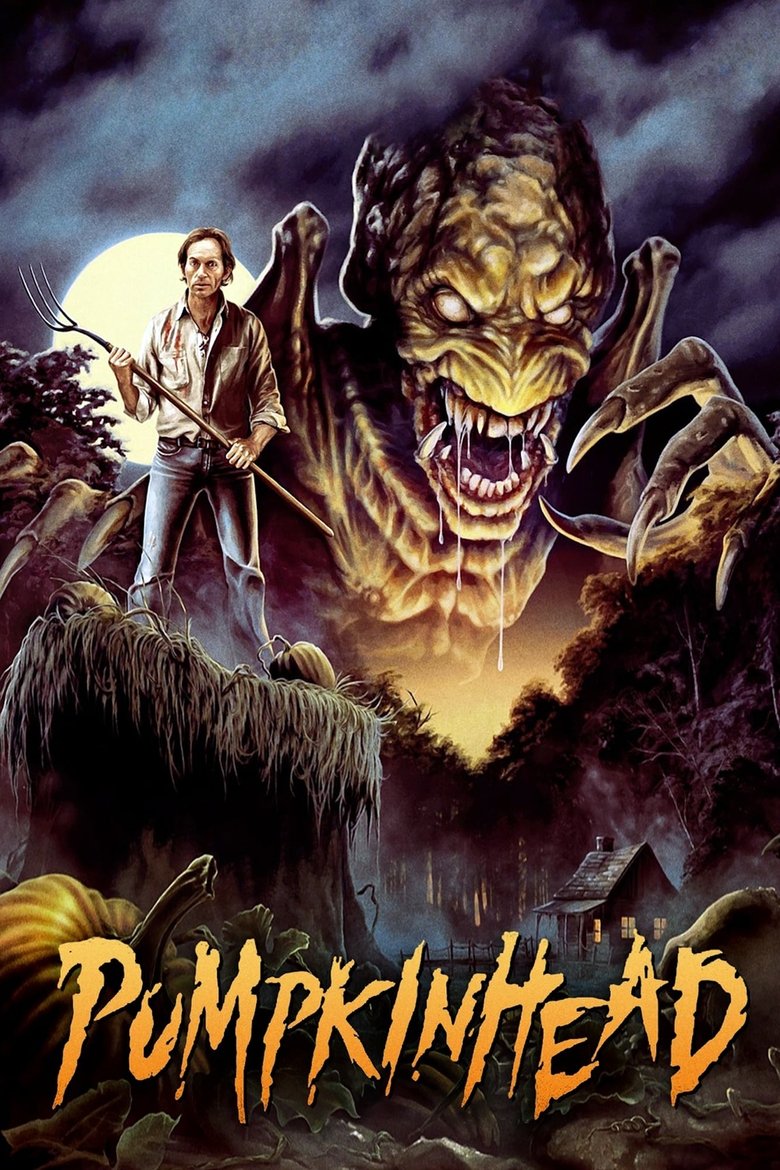
Pumpkinhead 1988
Winston directed exactly once, and predictably the design is the film: a lanky vengeance demon in a tobacco-country folk tale, performed by Tom Woodruff Jr. inside the suit.