Best Classic Horror Movies
"Classic" is one of those words people use lazily until a list forces them to define it. For this one, classic means pre-2000 and still fully alive on the screen. Not merely important, not merely old, and not here out of duty. The best classic horror movies established visual grammar, moral panic, and whole subgenre pathways that later films still borrow, loot, or argue with. That means pre-code monster pictures, psychological horror before the term hardened, dead-serious American collapse, and the gleaming violence of Italian horror. I have leaned toward films that still feel like live wires rather than museum pieces. Some famous titles stay outside the list because eight slots go quickly and horror history is rude about abundance. These are the films I would hand to someone who wants the old canon without the embalming fluid.
Watch these free right now

These are classics not because critics agreed to preserve them but because they keep generating fresh unease long after their moment passed. Some work through monsters, some through psychology or color, and some through the plain revelation that home, family, and community protect far less than advertised. Horror history is crowded, and these eight still shove to the front.
The films on this list

Bride of Frankenstein 1935
James Whale made the rare sequel that clarifies the original's strangeness rather than merely extending it: funny, blasphemous, and emotionally cruel. Its pity-struck monster and ruined longing gave horror a visual vocabulary later films still borrow.

Psycho 1960
Hitchcock turns anxiety into architecture, reorganizing the audience's trust with obscene efficiency. Editing, sound, and Anthony Perkins' politeness do the damage, moving horror into a modern American space where embarrassment and murder share one weak lamp.

Carnival of Souls 1962
Herk Harvey's low-budget miracle finds dread in ontological drift rather than spectacle, as Mary Henry moves through a world that no longer recognizes her. It feels less like a 1962 artifact than a transmission from a damaged afterlife.

Rosemary's Baby 1968
Polanski makes paranoia domestic and social: institutions do not shout to violate someone, they only smile and keep talking over the woman who already knows. Neighbors, doctors, and polite culture collaborate until conspiracy becomes indistinguishable from ordinary life.

Night of the Living Dead 1968
Romero reinvented the zombie and made siege horror socially diagnostic: a farmhouse, a group under pressure, and a political bitterness that never needs speeches. The ending still lands like a door slammed on the national myth.
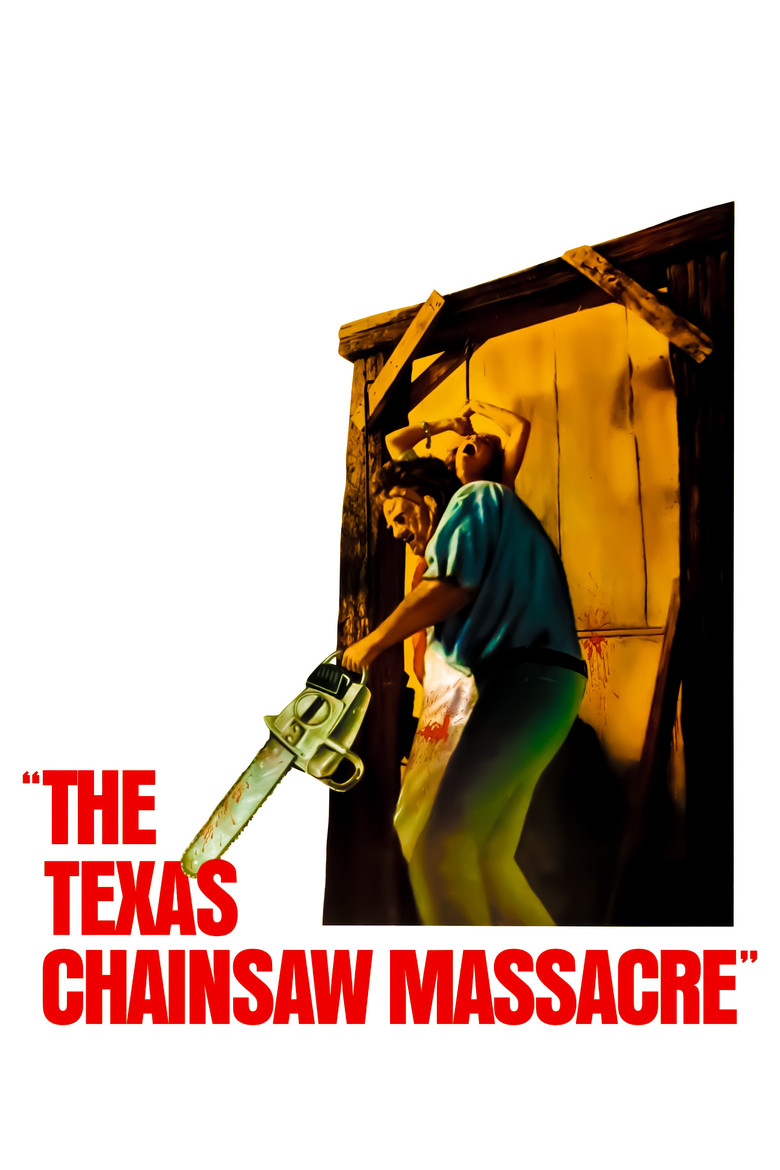
The Texas Chain Saw Massacre 1974
Tobe Hooper brought grime, heat, and industrial collapse to the center of American horror. It is canonical not for fame but because it still feels unsafe, a roadside nation curdled in daylight with every social buffer already burned off.
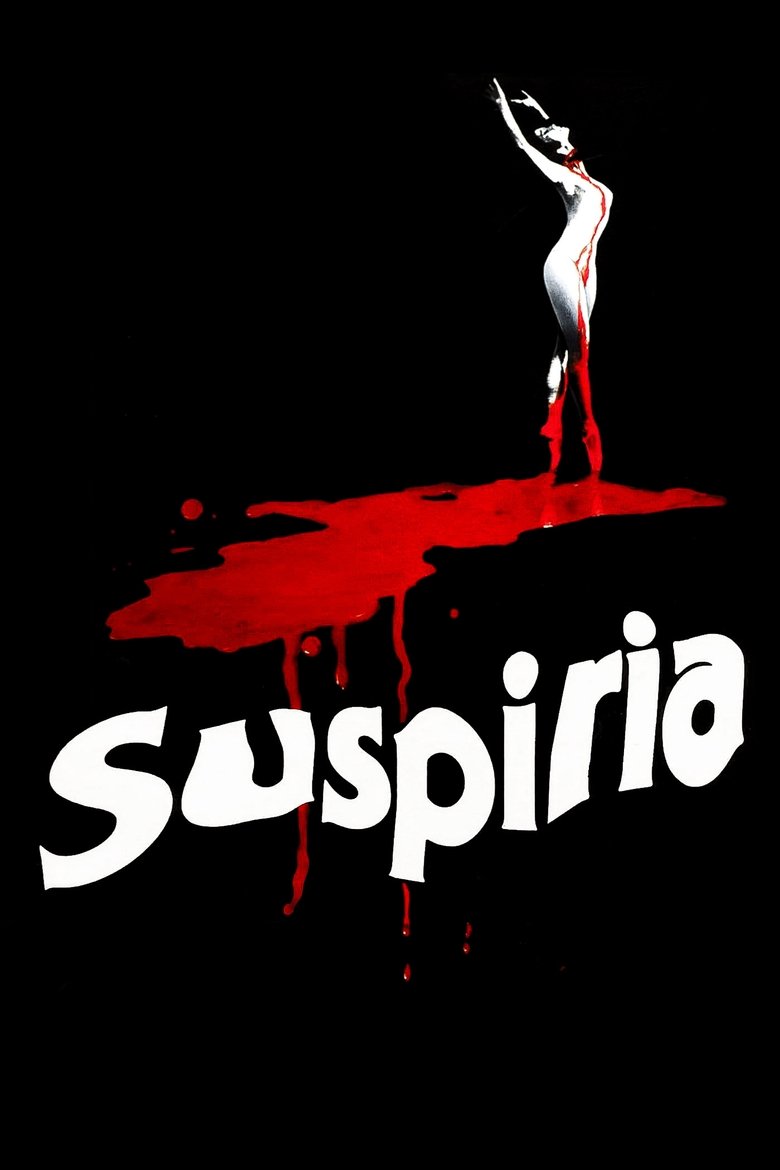
Suspiria 1977
Argento makes horror so beautiful it becomes threatening on its own terms. Color, sound, and architecture combine into a logic no realist explanation could improve, a supernatural delirium adjacent to giallo that asks you to submit rather than believe.
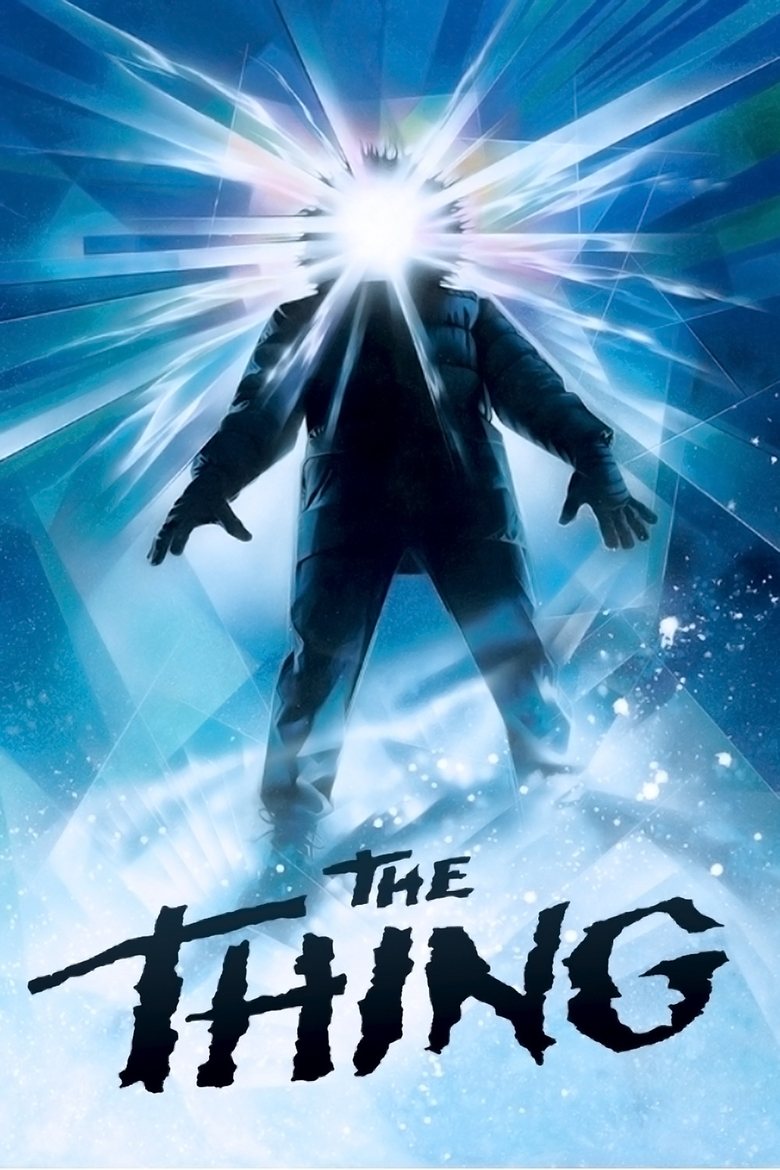
The Thing 1982
Carpenter's benchmark for creature paranoia joins body horror to perfect ensemble mistrust: no one can trust the body as evidence, the room, or the weather. His control keeps tightening even after the monster is fully visible.

Eyes Without a Face 1960
Franju films surgery with a documentarian's calm and lets the mask carry the emotion a face no longer can. Its cruelty is clinical, which is precisely why censors panicked.

Peeping Tom 1960
Powell hands the camera to the killer and makes the audience's own appetite the subject, which cost him his career at home. With Karlheinz Böhm, technique reads as pathology.

The Innocents 1961
Clayton preserves the ambiguity of James by trusting Freddie Francis's deep focus and Deborah Kerr's certainty. Nothing is confirmed, and the governess's conviction is the frightening part.

The Birds 1963
Hitchcock removes the score, replaces it with electronic bird noise, and withholds any explanation, so the film ends without granting the reassurance of a cause.
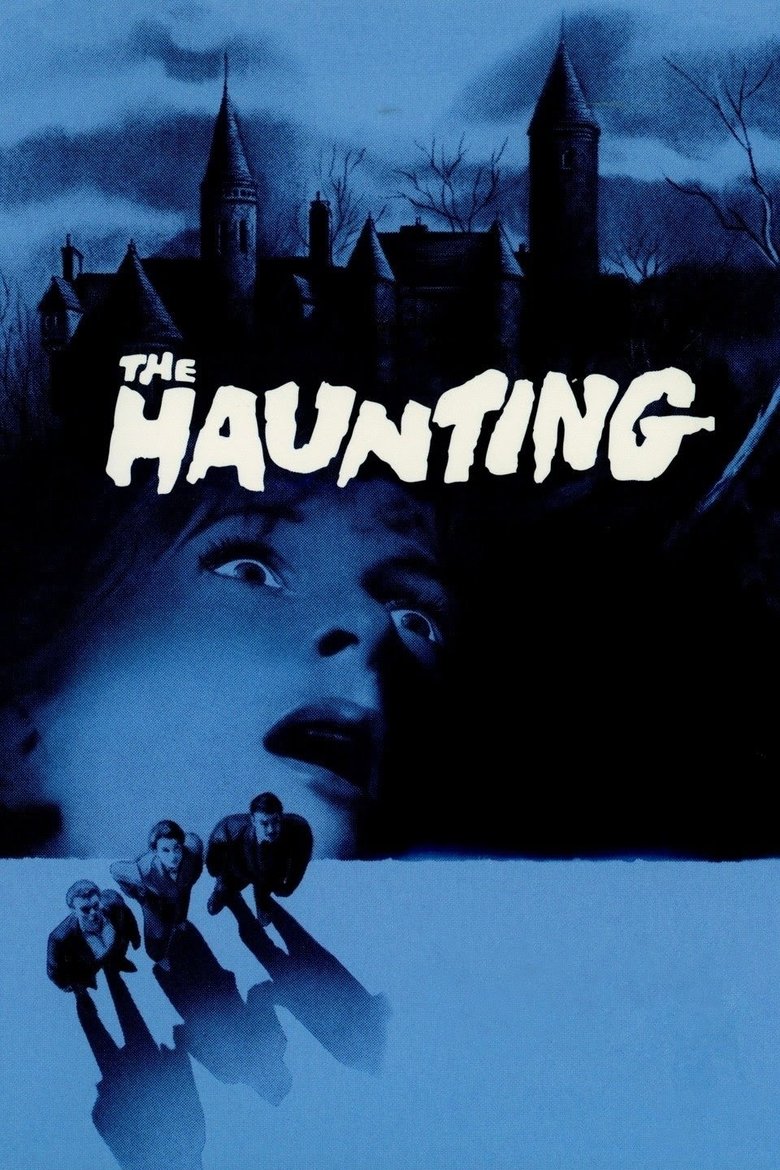
The Haunting 1963
Wise distorts his lenses and lets sound press against doors, so Hill House is only ever felt. Julie Harris's narration shifts the haunting toward a question about who wants to be chosen.
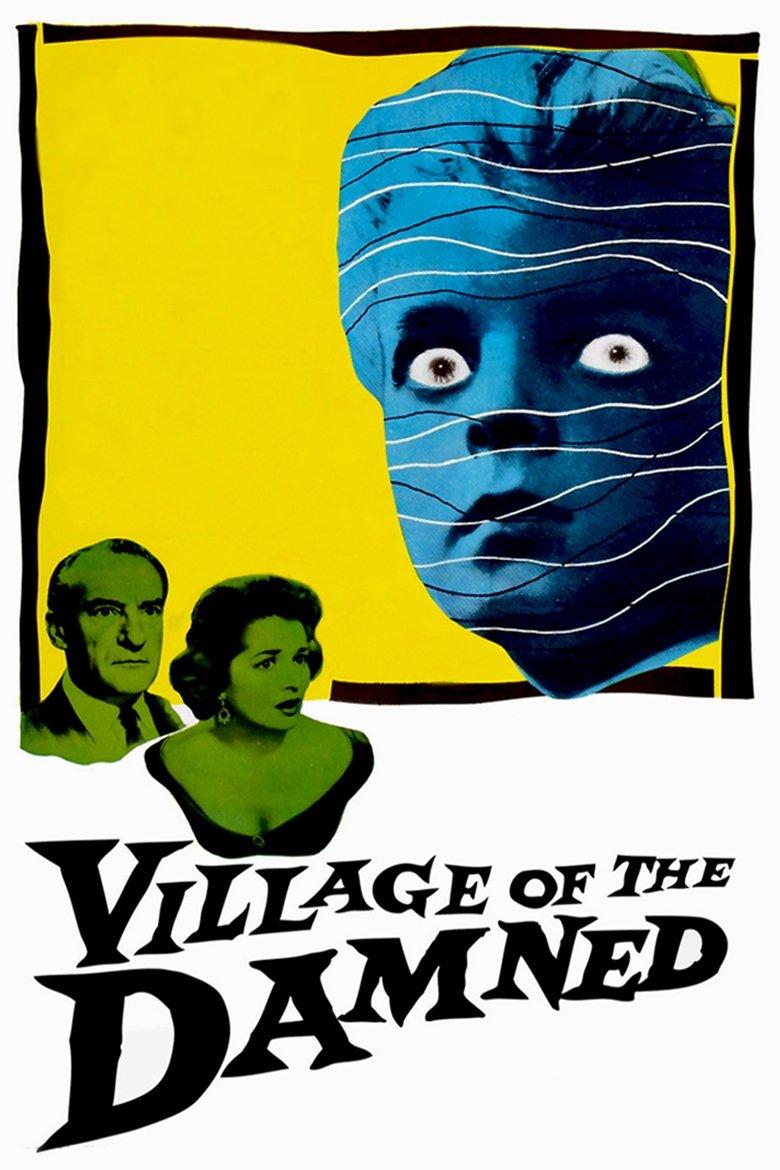
Village of the Damned 1960
Rilla confines the invasion to a tidy English village and locates the horror in a school rather than a spaceship. The children's flat courtesy unnerves more than any effect could.
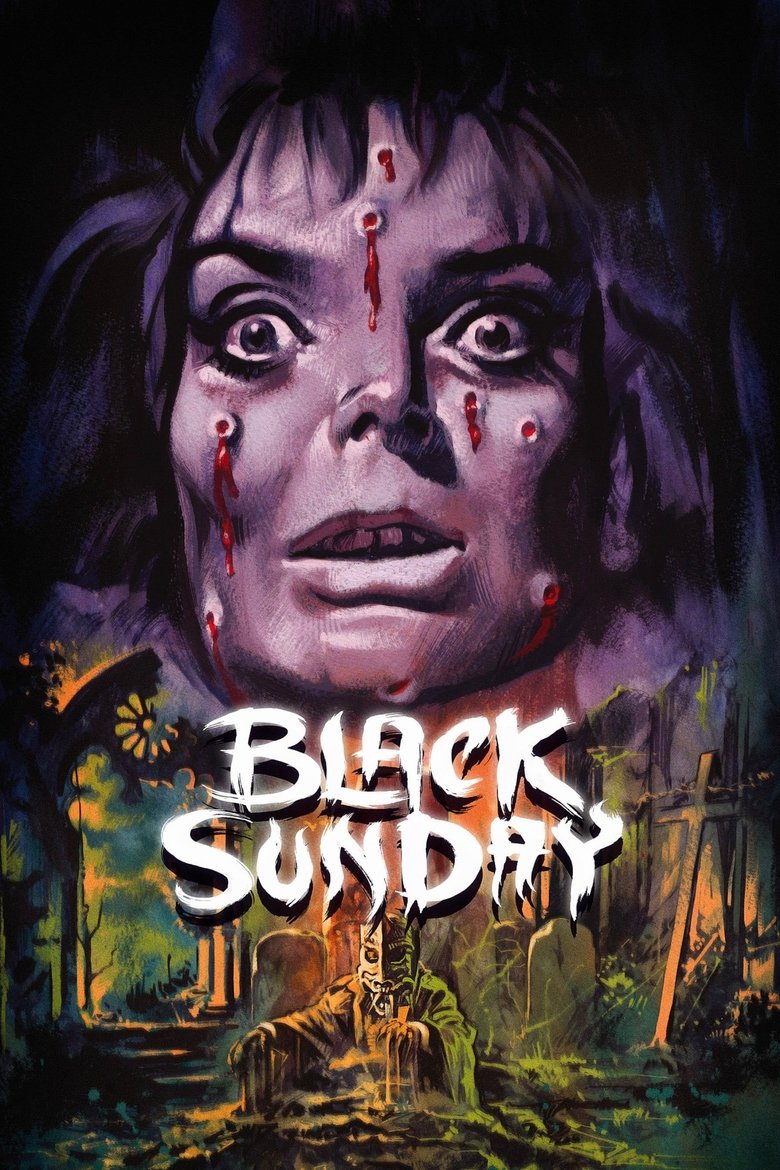
Black Sunday 1960
Bava's directing debut is a lesson in what fog and a moving camera can buy on no money, and Barbara Steele's double casting sets the template for Italian gothic. Texture over plot, deliberately.

The Devil Rides Out 1968
Fisher shoots occultism as procedure, with Christopher Lee unusually cast as the man who knows the rules. Richard Matheson's script gives Hammer's satanism an almost administrative rigour.

Witchfinder General 1968
Reeves strips the witch hunt of any supernatural alibi and films seventeenth-century England as a country where paperwork licenses murder. Price gives his coldest, least theatrical performance.

Nosferatu 1922
Murnau shot on real locations and let daylight and geography do the work, which is why his vampire reads as plague rather than seducer. Made without rights, and nearly destroyed for it.

The Cabinet of Dr. Caligari 1920
Wiene's painted sets refuse to pretend depth, so the whole film becomes an account rather than a record. Expressionism begins here as a way of admitting a story cannot be trusted.

Freaks 1932
Browning casts sideshow performers as the only people in the film with a working moral code and leaves the cruelty to the beautiful ones. MGM buried it, which confirms the reading.
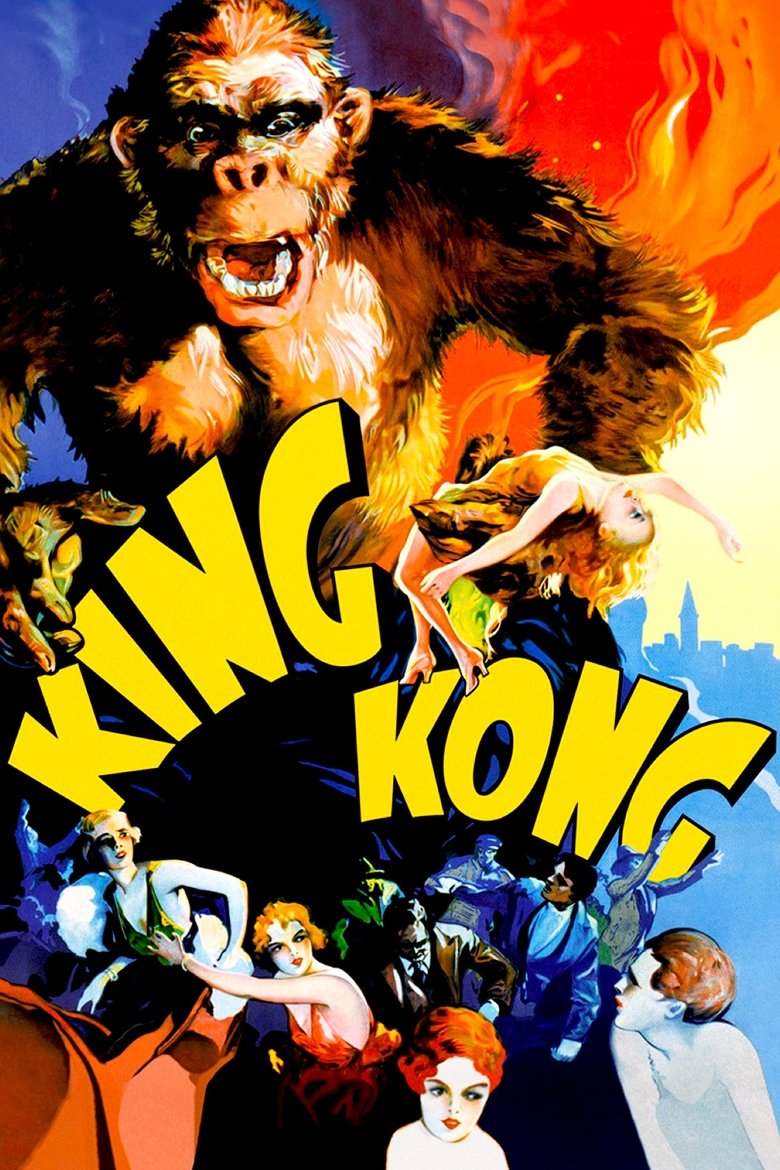
King Kong 1933
Cooper and Schoedsack frame the whole expedition as showmanship, so O'Brien's animation is exhibited exactly as the promoters exhibit their find. The self-portrait is knowing and unflattering.

Dracula 1931
Browning's version is stagebound and half-silent, and Lugosi's deliberate delivery does the work a score would. That stillness gave Universal a monster brand for the next twenty years.

Frankenstein 1931
Whale keeps the sympathy with the creature and gives Karloff silence to work in, so the mob becomes the film's real pack of monsters. The lab sequence invented an entire visual grammar.