
The 25 Best 1960s Horror Movies
The 1960s is the decade horror stopped being a costume genre. Psycho and Peeping Tom both opened in 1960, and both moved the threat out of the crypt and into a rented room with a working lock, while Hammer was proving that colour, cleavage and Terence Fisher could outsell any Universal monster.
Then the map widened. Corman shot Poe in widescreen, Bava invented the giallo inside a fashion house, Franju filmed surgery like reportage, Kobayashi and Shindo pulled ghost stories out of Japanese folklore with no interest in Anglo-American precedent, and Romero closed the decade with a siege in Pennsylvania that made the studio ending unusable.
How this list was built
The ranking is critical, not archival. We are not surveying everything the decade released, we are arguing about what it did: which films shifted the genre's centre of gravity, and which are still doing work on a screen tonight.
That means the Anglo-American story shares the list with the Italian, Japanese and French strands rather than relegating them to a footnote. It also means a cheap Florida gore picture can outrank a handsome studio production, if it widened what horror was permitted to show.
Original titles are given wherever a film circulated under several, because much of this decade reached English-speaking audiences recut, redubbed and renamed.
The films on this list

Psycho 1960
Hitchcock kills his star at the forty minute mark and hands the picture to a polite young man with a hobby. Horror checked into the motel and never went back to the castle.

Night of the Living Dead 1968
Romero shot it cheap outside Pittsburgh and ended the decade by killing the studio model, the reassuring final reel and the white saviour hero in a single move.

Peeping Tom 1960
Powell aimed the camera at the audience's appetite and the British press ended his career for it. A film about filming that does not come out of its own analysis clean.

Eyes Without a Face 1960
Franju films surgery like documentary and grief like poetry, then lets the two contaminate each other. Edith Scob's mask does more with stillness than any monster of the decade.
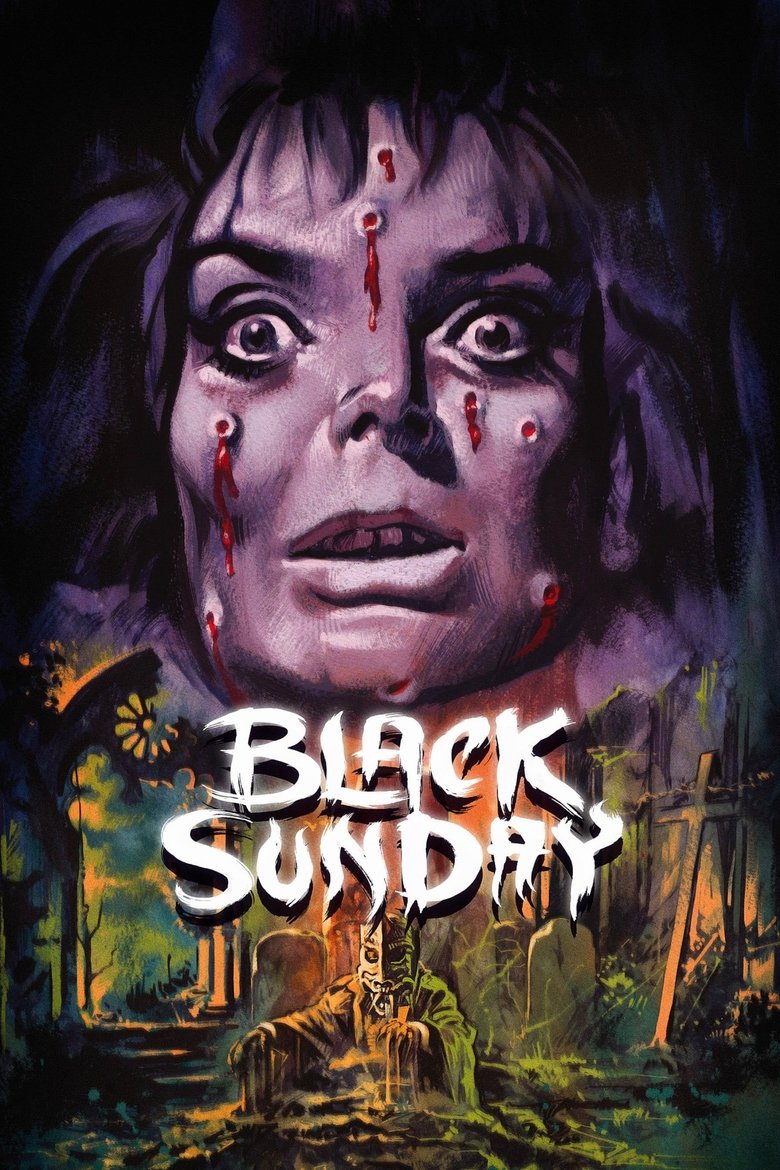
Black Sunday 1960
Bava's official debut invents modern Italian horror in black and white: Barbara Steele doubled, a mask lined with spikes, and light deployed as a moral instrument.

Repulsion 1965
Polanski shrinks a South Kensington flat around Catherine Deneuve until the walls take an interest. Made by an exile who knew the city was the haunted party here.

Rosemary's Baby 1968
The conspiracy is a co-op board, the coven wears cardigans, and nobody believes the pregnant woman. Polanski's satanism is really a film about medical authority.

The Innocents 1961
Clayton and Freddie Francis shoot Henry James in a CinemaScope frame wide enough for the governess to invent things in. Whether the ghosts exist is the wrong question.

Kwaidan 1965
Four ghost stories staged under painted skies in a studio Kobayashi refused to make look real. Slow, formal and completely uninterested in reassuring anyone.
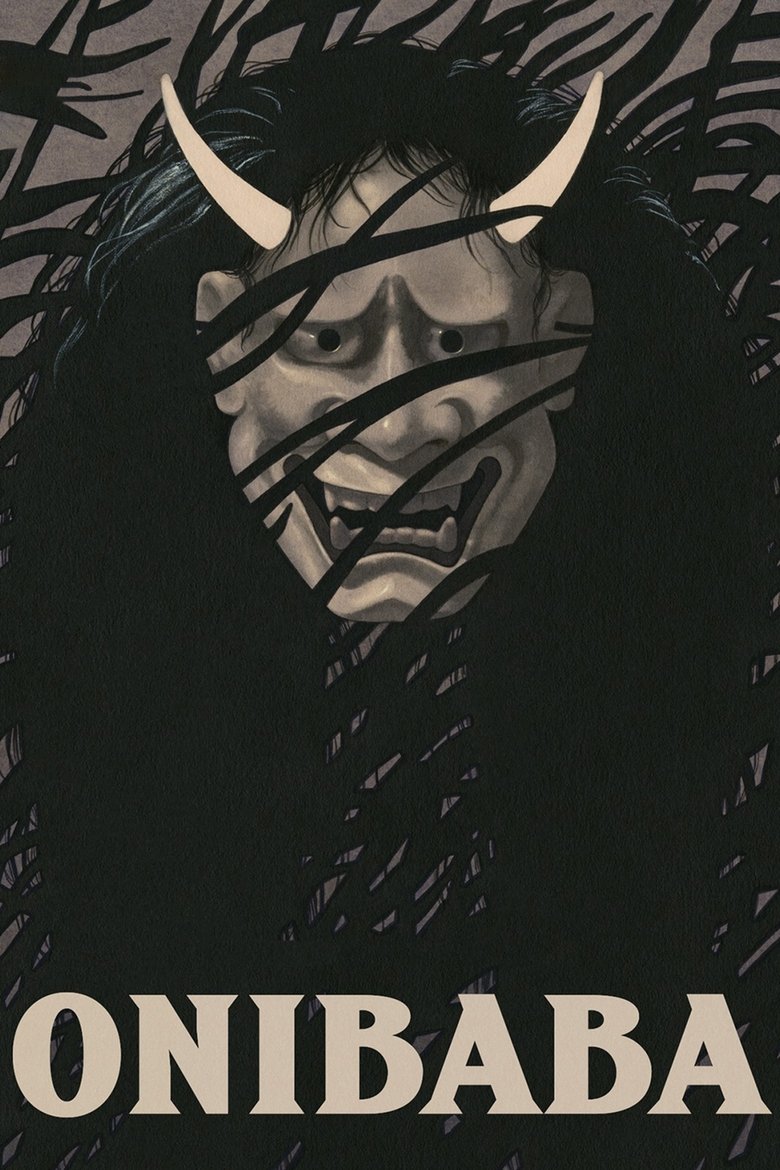
Onibaba 1964
Two women murder soldiers for their armour in a sea of grass, and Shindo shoots hunger as an erotic force. The mask, when it comes off, takes the face with it.
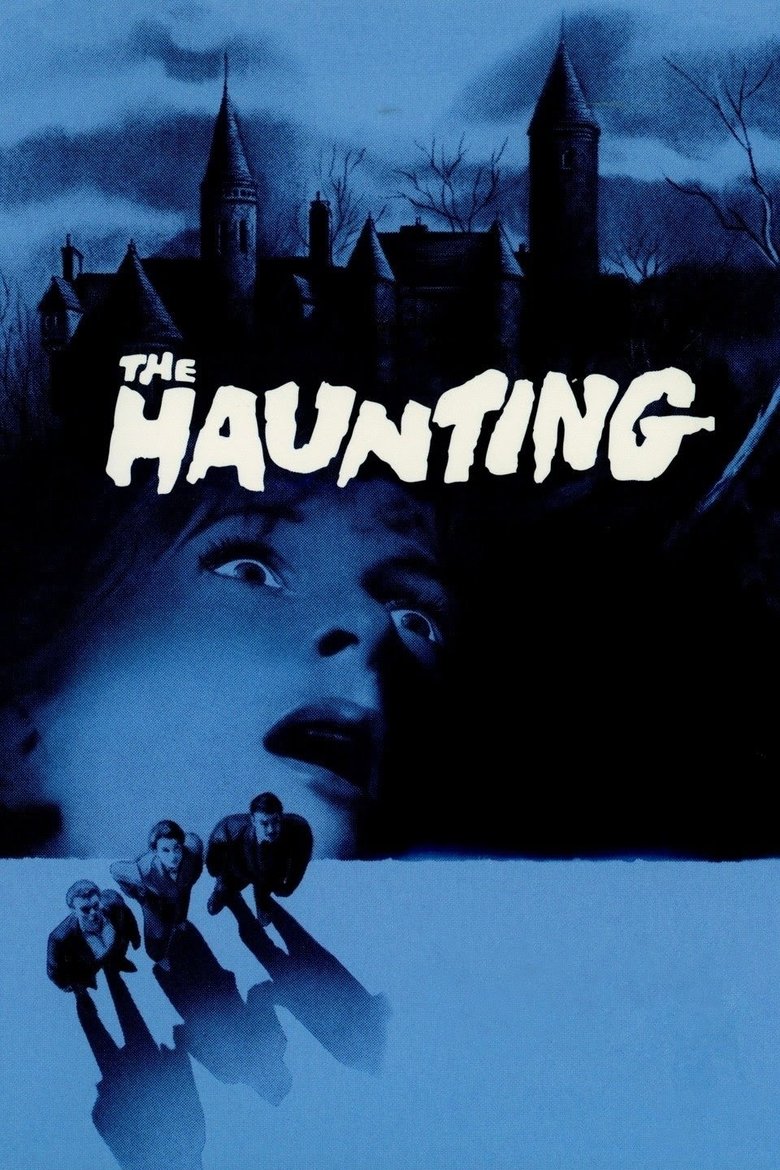
The Haunting 1963
Wise gets everything from a bulging door and a sound like breathing, and Julie Harris supplies the crack the house works through. Hill House never has to show itself.
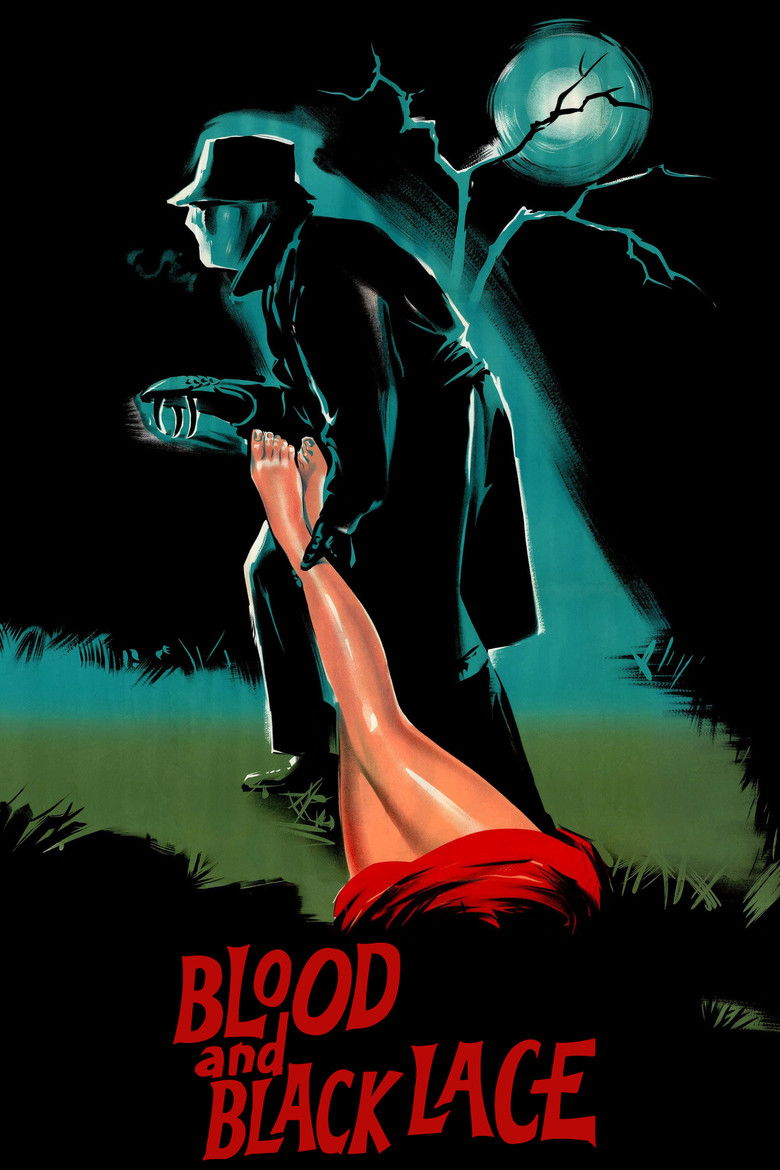
Blood and Black Lace 1964
The giallo arrives fully formed: a faceless killer in a white mask, a fashion house, murders staged as couture. Bava cares about the choreography, not the culprit.

Carnival of Souls 1962
An industrial filmmaker from Kansas made exactly one feature, about a woman who cannot rejoin the living, and it plays like a dream somebody else is having.

Kill, Baby... Kill! 1966
A Carpathian village, a dead girl bouncing a ball, and a staircase Bava folds back into itself. Fellini and Scorsese both took from it, and so did everyone after them.

The Birds 1963
No motive, no score, no explanation: Hitchcock removes the machinery that makes a threat legible and leaves the sky simply behaving wrongly, right through to the non-ending.

Witchfinder General 1968
Reeves films the English civil war as licensed sadism with paperwork, and gets Vincent Price's coldest, least theatrical performance. He was 24, and dead two years later.

Kuroneko 1968
Shindo's second folk horror: mother and daughter-in-law take revenge on samurai from a bamboo grove, weightless and furious. Bodies float because the injustice has no floor.
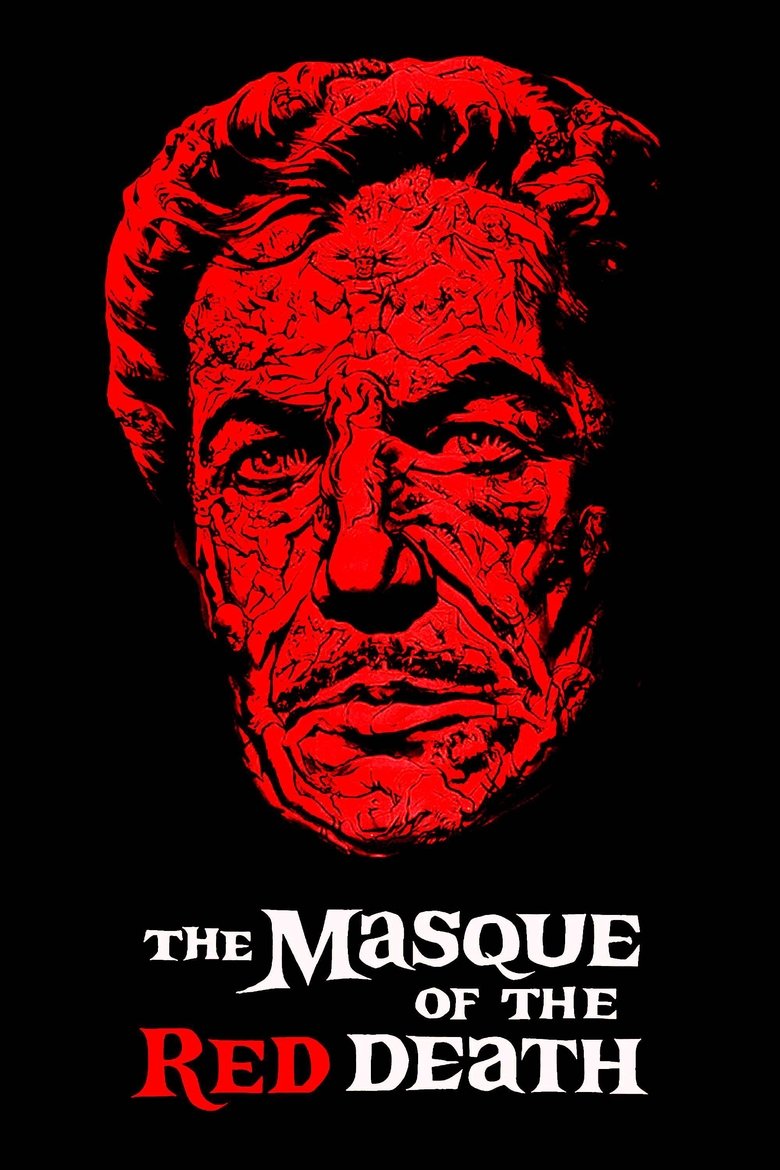
The Masque of the Red Death 1964
Corman's best Poe, shot on sets left over from Becket with Nicolas Roeg on camera. Price plays Prospero as a man who has thought his cruelty through and finds it coherent.

The Pit and the Pendulum 1961
The film that turned the Poe cycle into a franchise: Price unravelling in widescreen colour, and a closing shot that shuts the door on the audience as well.

House of Usher 1960
Two weeks, AIP money, and the decision to shoot Poe in colour and widescreen instead of another black and white monster. The American gothic revival starts here.
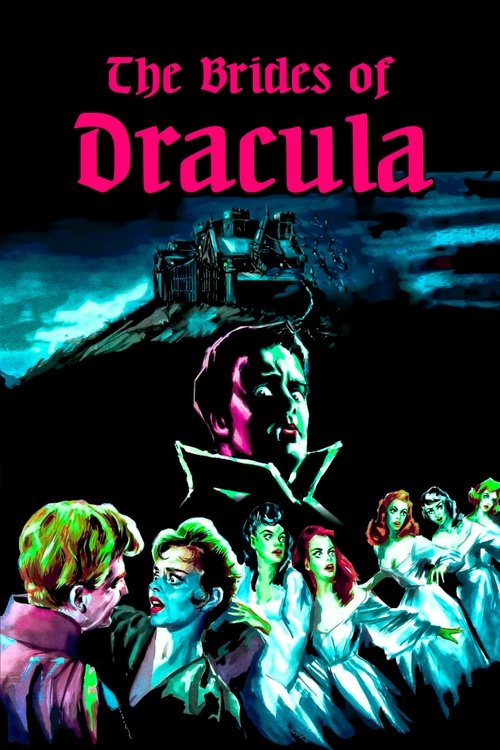
The Brides of Dracula 1960
Hammer's finest gothic, and Dracula is not in it. Fisher gets everything from David Peel's smiling aristocrat and from Van Helsing burning a fresh bite off his own neck.

The Curse of the Werewolf 1961
Hammer spends its first act on class violence in Spain, so the lycanthropy arrives as an inheritance. Oliver Reed's first lead, played as grief rather than menace.

The Plague of the Zombies 1966
A Cornish tin mine, a squire raising free labour from the churchyard, and Hammer accidentally writing the political zombie two years before Romero got to it.

The Devil Rides Out 1968
Christopher Lee on the right side for once, holding a chalk circle all night against Dennis Wheatley's occultism. Richard Matheson's script treats magic as procedure.

Quatermass and the Pit 1967
A Martian ship under a London tube station turns racial panic into archaeology. Nigel Kneale's premise is that the devil is an ancestral memory, and Hammer plays it straight.
More shorts to watch