Synopsis
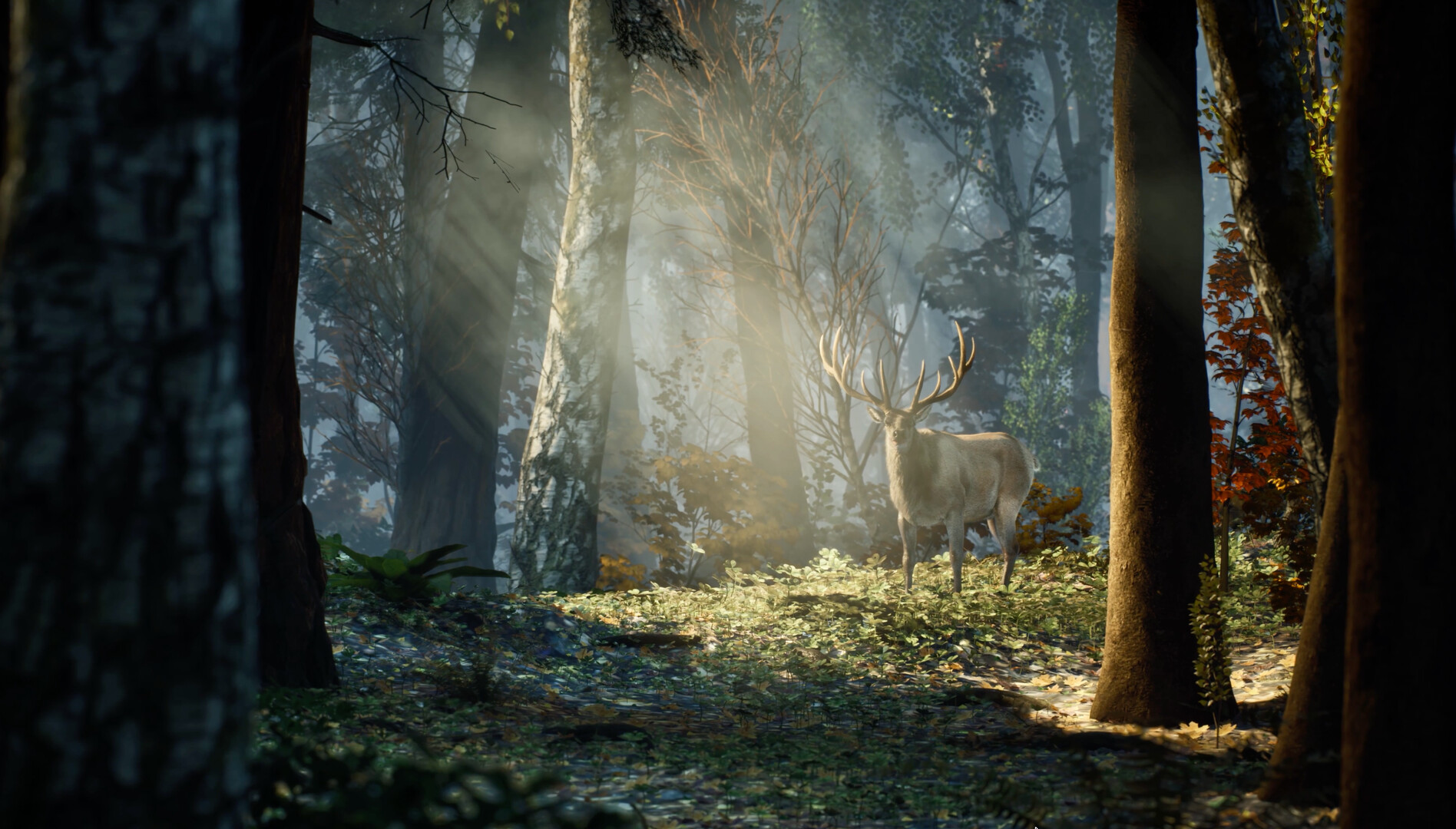
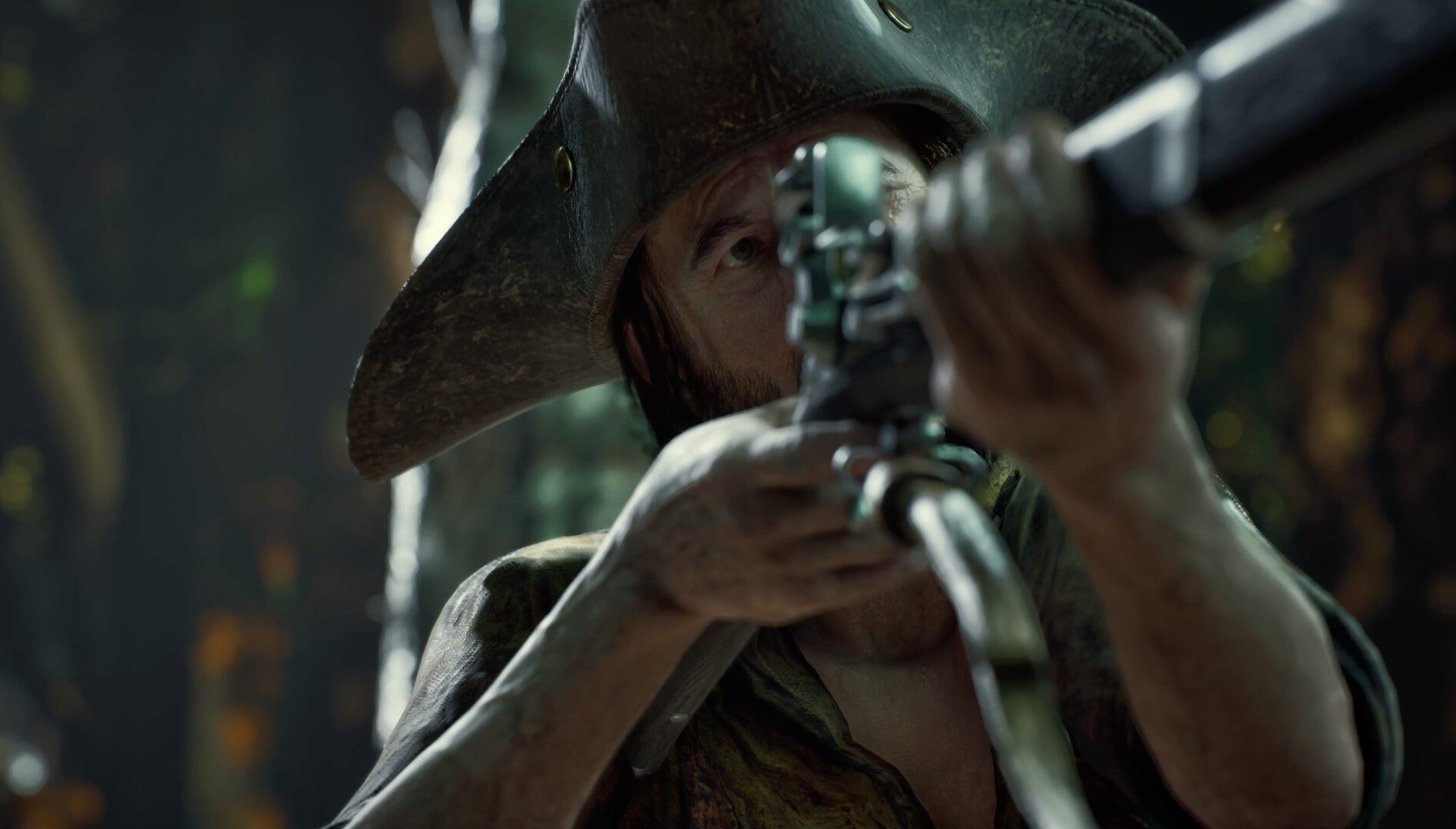
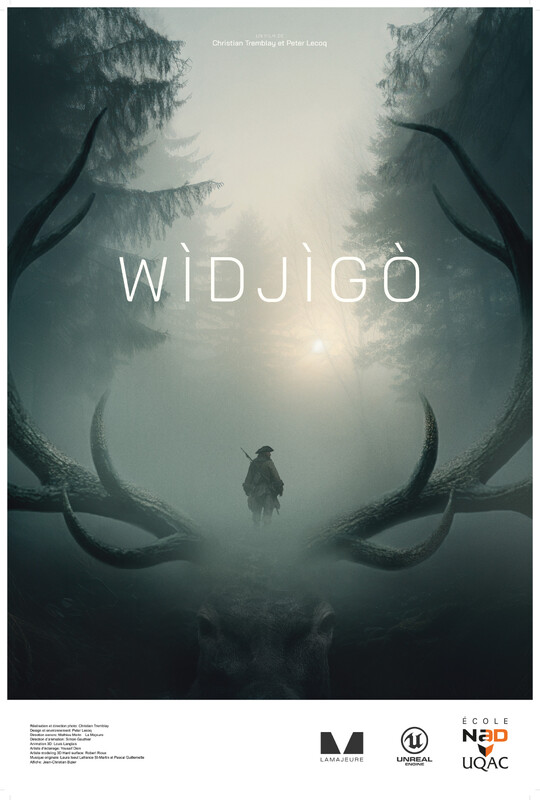
In the 17th century, as famine ravaged the fragile lands of New France, a coureur des bois ventured alone into the vastness of the boreal forest. The man, scarred by seasons of survival and sacrifice, undertook one final hunt: to track down large game and bring back enough to feed his family. But beyond necessity, something inexplicable drives him forward, as if the forest itself were calling him. The cinematic sequence opens on a typical Quebec autumn landscape: a cold wind stirs the red and golden leaves, the trees creak, and the light casts shadows through the branches. Every step the hunter takes echoes in an almost unreal silence. Very quickly, we realize that this environment is not just vast—it is impenetrable, and indifferent to human presence. As the hunt intensifies, a persistent feeling of being watched sets in. Then, around a bend in the underbrush, a deer appears. Majestic, motionless, it stares at the hunter. But something is off. Its gaze is too calm, almost conscious. Time seems to stand still. Behind this face-to-face encounter lies a darker truth. This forest is not merely a territory stretching as far as the eye can see—it is the setting for an ancient, invisible presence that defies human rules and logic. This cinematic sequence thus lays the groundwork for a broader narrative, where physical survival intertwines with a slow psychological descent. Perhaps the hunter isn’t hunting after all…
Crédits
Images