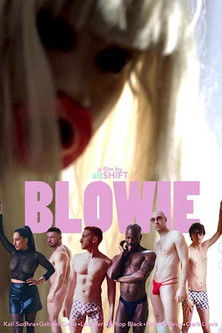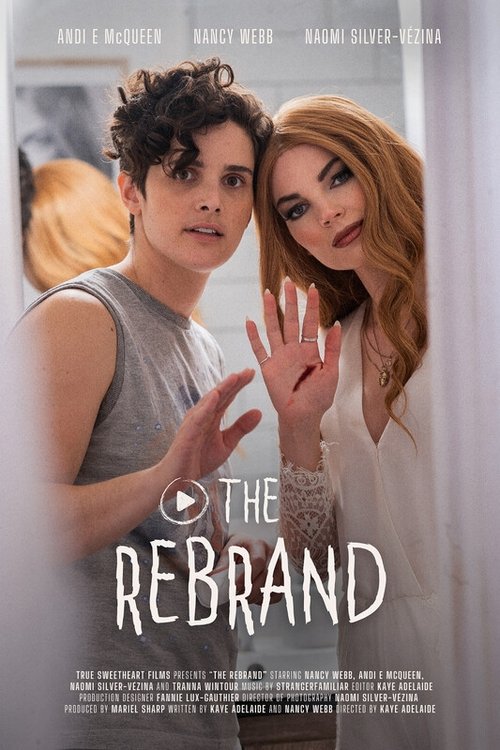
Wicked Queer: Boston's LGBTQ Film Festival is the oldest continuously running LGBTQ film festival in New England and one of the longest-established queer film events in the eastern United States, founded in 1992 and operating annually in Boston, Massachusetts. Its longevity - more than three decades of programming queer cinema in a city with a complex history of both progressive politics and conservative cultural resistance - is itself a form of institutional testimony to the importance of dedicated LGBTQ cultural spaces in the American Northeast.
The name "Wicked Queer" is a deliberate piece of Boston vernacular - "wicked" being the regional intensifier that marks the festival as specifically and proudly local, rooted in Boston's particular cultural identity rather than presenting itself as a generic coastal festival that could be anywhere. This local rootedness has been a strength, building a genuine Boston audience and community over three decades rather than positioning the festival primarily as an industry event or tourist attraction.
Programming at Wicked Queer spans the full range of LGBTQ cinema. The festival programs features, shorts, and documentaries from États-Unis and international filmmakers, with a consistent emphasis on work that reflects the diversity of queer experience across race, class, gender identity, and cultural context. The festival has explicitly worked to center queer voices from communities of color and to program work that goes beyond the more commercially visible gay and lesbian narratives that dominate mainstream LGBTQ media representation.
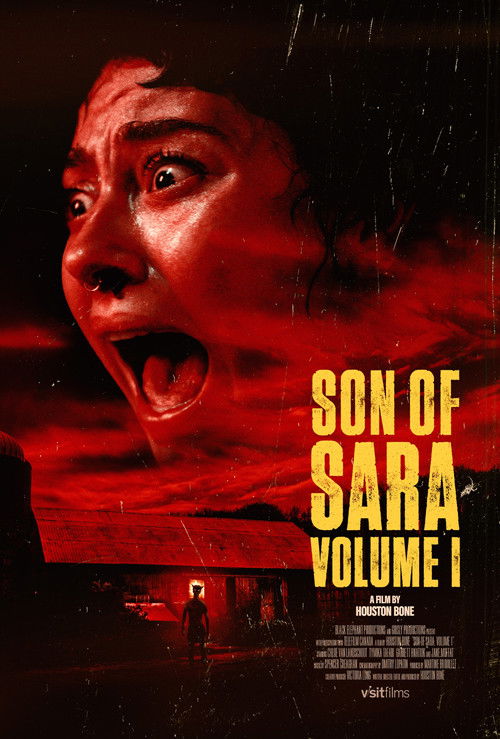
LGBTQ cinema at its most alive has always had a complicated and generative relationship with genre. The tradition of reading classic horreur through queer lenses - the monster as the outsider, the vampire as the transgressive sexual figure, the queer subtext that runs through decades of genre filmmaking - is not merely academic at Wicked Queer but has practical programming implications. Explicitly queer horror, thriller films centering LGBTQ protagonists, and genre work that uses genre conventions to articulate queer desire and fear have appeared in the festival's programming alongside documentary and social realist drama.
The festival's engagement with experimental and formally unconventional queer cinema has been notable over the years. Boston has a significant experimental film and video culture, connected to its university and arts communities, and Wicked Queer has drawn on that tradition to program work that might not find a home in more commercially oriented LGBTQ festivals. Queer experimental cinema, video art, and hybrid documentary-fiction work have been part of the programming mix.
International programming at Wicked Queer reflects the global expansion of queer filmmaking in recent decades. Films from France, Allemagne, Brésil, Mexico, Espagne, and from countries where queer filmmaking exists under greater legal and social constraint have all appeared in festival programs. The festival has treated its international programming as an act of solidarity as well as cultural curiosity, platforming filmmakers from contexts where the ability to make and show queer cinema is not guaranteed.
The festival takes place across multiple venues in Boston, using the city's network of art-house cinemas, community spaces, and cultural institutions. This distributed model keeps the festival embedded in the fabric of Boston's cultural geography rather than concentrated in a single venue, making it more accessible to different communities across the city.
Panel discussions, filmmaker Q&As, and community events complement the screenings, building the festival into a wider cultural moment rather than a pure screening event. These social and educational dimensions reflect the festival's understanding of cinema as a community-building practice, not merely an entertainment product.
For three decades, Wicked Queer has held a space for queer cinema in Boston that remains as necessary as it was when the festival was founded.
 Outfest: Los Angeles Gay & Lesbian Film Festival
  Inside Out Toronto LGBT Film Festival
  Chéries-Chéris