
Dublin International Film Festival
The Dublin International Film Festival, founded in 2003 and held each February in the Irish capital, is the largest film festival in Ireland, operating as the primary platform for international cinema in a country whose own film industry has experienced significant growth since the 1990s while remaining heavily dependent on co-production with the United Kingdom and the United States.
The festival was established to fill a gap in Irish cultural infrastructure. Ireland had strong literary, theatrical, and music traditions with international institutional support, but no equivalent institution for cinema. The country produced significant filmmakers - Neil Jordan, Jim Sheridan, John Boorman operated from Ireland - but lacked a domestic festival of serious standing that could serve both industry and public functions. DIFF was founded to address this absence.
February timing gives the festival a distinctive position in the international calendar. After Sundance but before Berlin's conclusion, DIFF occupies a moment when the awards season's major films are reaching wider release and when the previous year's international festival circuit films are available for Irish audiences who may not have had access to them during the autumn festival rush. The programming reflects this timing, mixing world cinema with Irish premieres of titles that have already screened internationally.
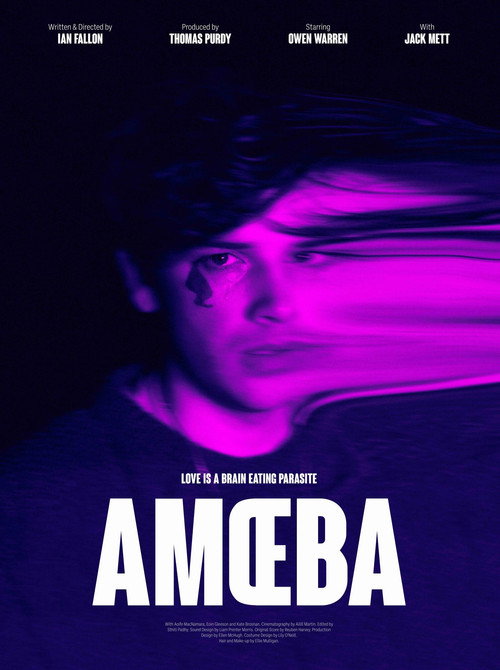
Irish cinema is a consistent focus of the programming. Short films and features by Irish directors, co-productions involving Irish production companies, and films set in Ireland have their own program strands. The festival has been an important early platform for Irish genre filmmakers, including directors whose work connects Irish folklore and landscape to horreur et thriller conventions. Irish horror has a specific cultural genealogy that runs from the country's rich folk tradition of banshees, changelings, and the fairy realm through Gothic literary heritage - Bram Stoker was Irish, a fact that DIFF has periodically honored - into contemporary genre filmmaking.
Bram Stoker's Irish identity is not incidental to Irish horror cinema. The author of Dracula was born in Dublin in 1847, and the Gothic sensibility of his work - the anxiety about foreign contamination, the relationship between sexuality and death, the crumbling aristocratic estate - connects to specifically Irish cultural and historical anxieties of his period. Contemporary Irish horror filmmakers have engaged with this inheritance in various ways, and DIFF has provided a venue for this work.
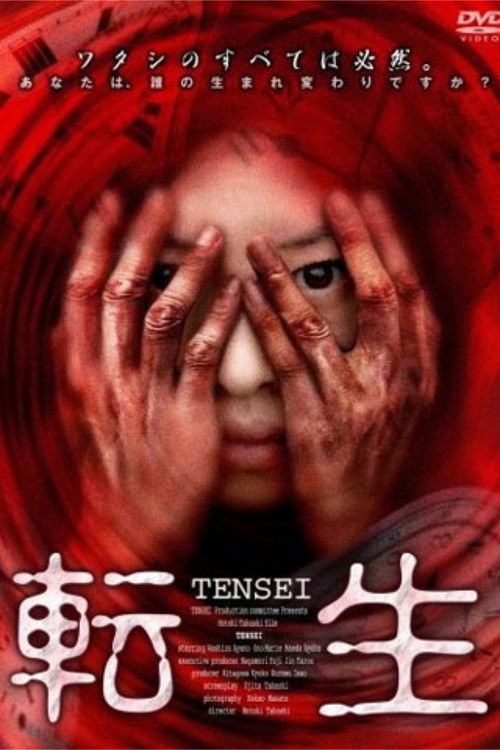
International thriller, horreur, and genre cinema have also been part of the Dublin program through sidebar programs and special screenings. The February timing, with its short days and cold Dublin weather, creates an atmospheric context suited to darker programming. The festival has used venues across Dublin including the Irish Film Institute, the Savoy Cinema, and the Light House Cinema to create a city-wide event.
The Irish Film Institute, which hosts portions of the festival program, is itself a significant institution in Irish film culture - an arthouse cinema with an archive and educational functions that provides a context for international cinema separate from the mainstream multiplex environment. The institute's programming sensibility and DIFF's programming have sometimes overlapped, particularly in their shared interest in formally ambitious international cinema that receives limited commercial distribution in Ireland.
Industry functions at DIFF have included short film programs that serve the Irish Screen industry community and networking events for the significant number of international production companies that use Ireland's tax incentive structures for location shooting. Ireland's Section 481 film tax relief has attracted major international productions, and the festival serves as a connection point between the international production infrastructure that uses Ireland as a location and the domestic film culture that is the festival's primary constituency.
Documentary programming has been strong, reflecting Ireland's tradition of socially engaged documentary work. Irish public broadcasting has historically supported documentary production, and the festival has included work that engages with Irish social history - the Troubles, emigration, the Church's institutional abuses, the economic boom and crash - alongside international documentary cinema.
The Dublin International Film Festival has grown into a genuinely significant institution in Ireland's cultural life, providing Irish audiences with access to international cinema that commercial distribution alone cannot supply and providing the Irish film industry with a domestic showcase that has been absent for much of the country's cinema history.
 Irish Film and Television Awards
  Belfast Film Festival
  Bolton International Film Festival
  BFI London Film Festival