Belfast Film Festival
Belfast Film Festival is the principal film event of Northern Ireland, drawing audiences each spring to a city whose post-conflict cultural renaissance has made it an increasingly compelling hub for independent cinema on the island of Ireland. Founded in 1994, the festival began as a modest platform for work that rarely reached local screens and grew steadily into a ten-day celebration of international cinema, documentary, and homegrown Irish filmmaking.
The festival is based primarily in Belfast city centre, using the Queen's Film Theatre as its flagship venue alongside commercial cinemas and arts spaces around the city. This multi-venue model allows the programme to range freely across audience sizes and moods, from packed gala screenings of anticipated international titles to intimate Q&A sessions with first-time filmmakers.
Belfast Film Festival has never positioned itself as a genre or cult event, but its programming has consistently made room for the darker, stranger, and more formally adventurous end of world cinema. Thriller et crime films regularly appear in the main strand, reflecting both audience appetite and the Irish literary tradition of brooding, morally complex storytelling. The programme has at various points featured work from Polish, French, and Scandinavian cinema, traditions where genre and art-house sensibilities regularly cross-pollinate.
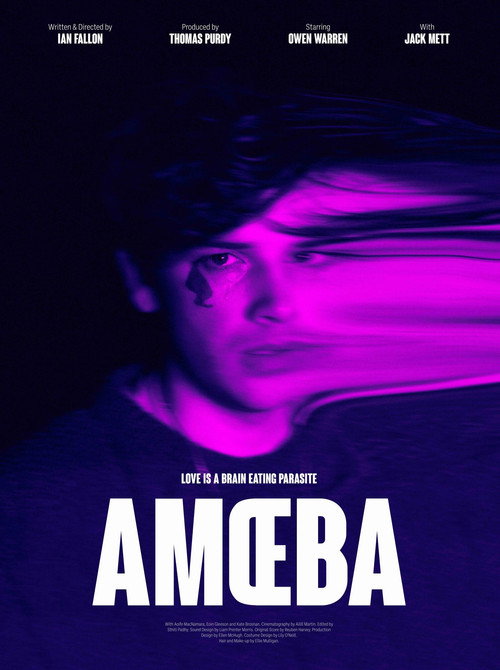
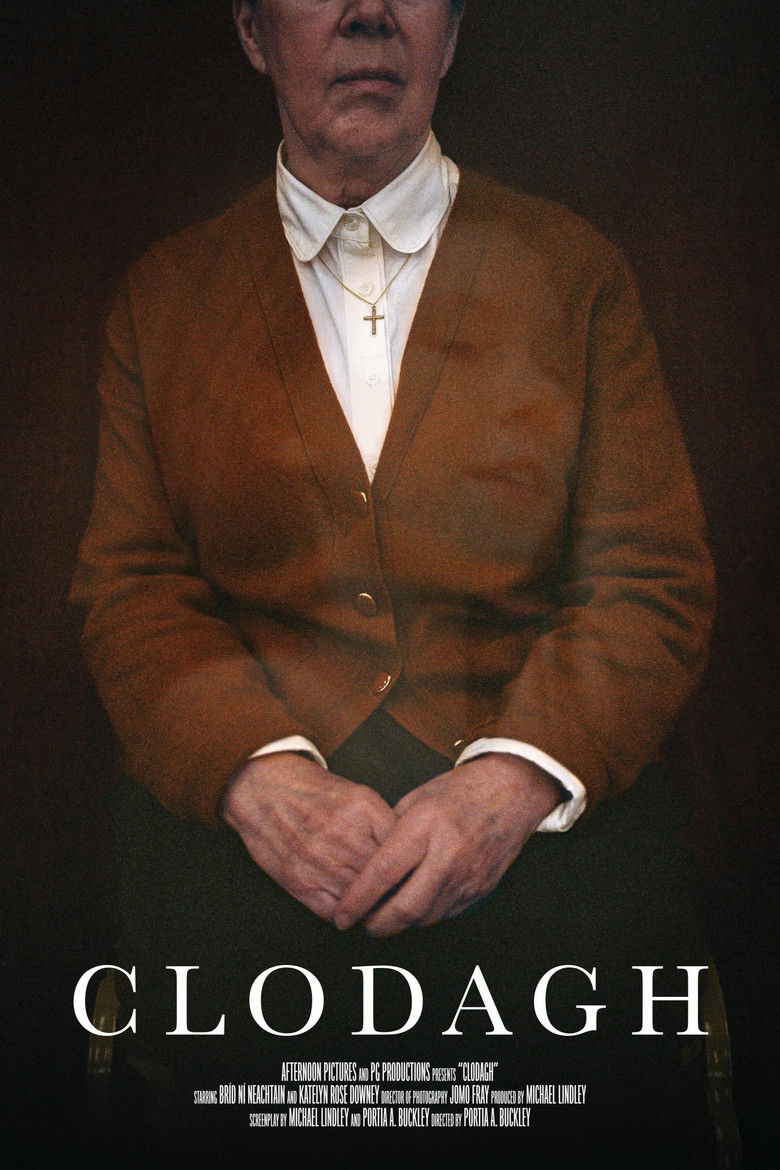
The festival operates a competitive section for short films, with particular emphasis on Northern Irish and Irish production. These shorts competitions have been an important proving ground for local talent: writers, directors, and producers who have gone on to work in television drama and feature film have their earliest festival credits here. The support for short-form work reflects a broader mission to cultivate a sustainable filmmaking culture in a region that does not have the infrastructure of London, Dublin, or Edinburgh.
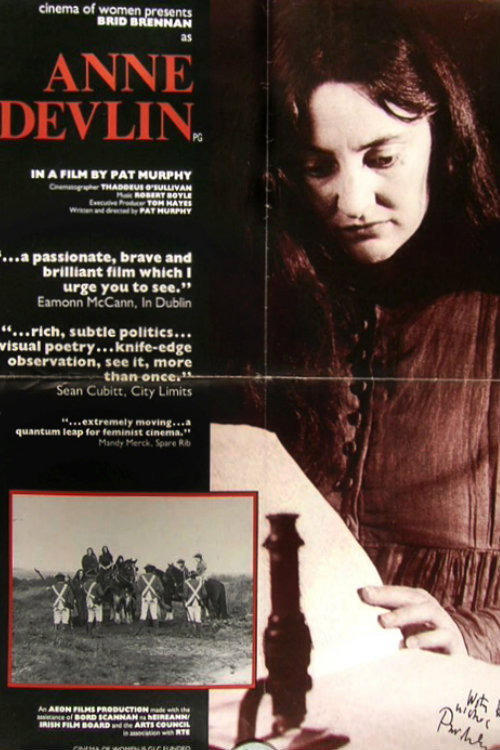
Documentary programming is a consistent strand at Belfast. The festival has screened social-issue and politically engaged non-fiction films that speak to Northern Irish audiences from a position of lived experience, covering themes of conflict, memory, community, and identity that resonate specifically in this city. These screenings are often accompanied by panel discussions that extend the conversation beyond the screen.
Industry events and masterclasses bring visiting filmmakers into direct contact with local practitioners, giving the festival a mentorship function beyond its public programme. Script development workshops and producer networking sessions have been part of the calendar in various years, acknowledging that access to professional development is as important as access to finished films.
The festival's relationship with Royaume-Uni film culture is complicated by Belfast's distinct position: it sits within the UK's funding and broadcasting infrastructure while maintaining strong creative ties to the Republic of Ireland. This dual orientation gives the programme a particular breadth, drawing on both the BFI-supported tradition of British social realism and the more mercurial, sometimes surreal strand of Irish cinematic storytelling.
International competition at Belfast tends to spotlight films from territories underrepresented in the mainstream UK release calendar. Eastern European drama, Latin American arthouse, and festival-circuit work from France et Allemagne find their way into the programme, giving Belfast audiences a window onto world cinema that extends well beyond what multiplexes provide. The curatorial sensibility rewards risk and distinctiveness over the safely awards-facing.
For genre cinema viewers, Belfast Film Festival is most relevant as a context in which thriller et crime work from international directors receives serious critical attention. Films that have played at Rotterdam, San Sebastian, or the Directors' Fortnight in Cannes often make their UK or Irish debut at events like Belfast before finding distribution. Following the festival's programme is therefore a useful guide to what is coming in the year ahead.
The event's modest scale relative to its major European counterparts is also its strength. Filmmakers who attend find a genuinely engaged audience rather than an industry marketplace, and the city itself - its murals, its pubs, its complicated beauty - provides a backdrop that tends to make the experience memorable for visitors.
 Dublin International Film Festival
  Fantasia International Film Festival
  Irish Film and Television Awards
  BFI London Film Festival