
Curtacinema - Rio de Janeiro International Short Film Festival
Curtacinema is Brésil's leading dedicated short film festival, founded in Rio de Janeiro in 1991 and sustained over more than three decades as the country's primary international platform for the short film format - a distinction that has made it one of the most significant short film events in Latin America.
The festival's name derives from the Portuguese word for short film - "curta-metragem" - and signals its singular focus on the format. While Brazil has a vibrant feature film culture and several prominent festivals including those in Gramado, Brasilia, and Rio de Janeiro's own international film festival, Curtacinema has occupied a specific and uncontested niche as the event that treats the short film as the primary object of curatorial and competitive attention rather than as a subordinate programme alongside feature competition.
Rio de Janeiro provides a context of particular significance for Brazilian film culture. The city was historically the centre of Brazilian cinema production before Sao Paulo's growth shifted some of that weight southward, and its cultural institutions, cinemas, and creative communities have given Curtacinema a setting with deep film-historical resonance. The festival takes place at venues across the city and has developed close relationships with Rio's cinema infrastructure over its long history.
The international competitive programme brings short films from across the world into dialogue with Brazilian and broader Latin American production, giving local filmmakers and audiences exposure to the full range of what the format is capable of internationally. This comparison has been generative for Brazilian short film culture, situating domestic production within a global conversation rather than an exclusively national frame.
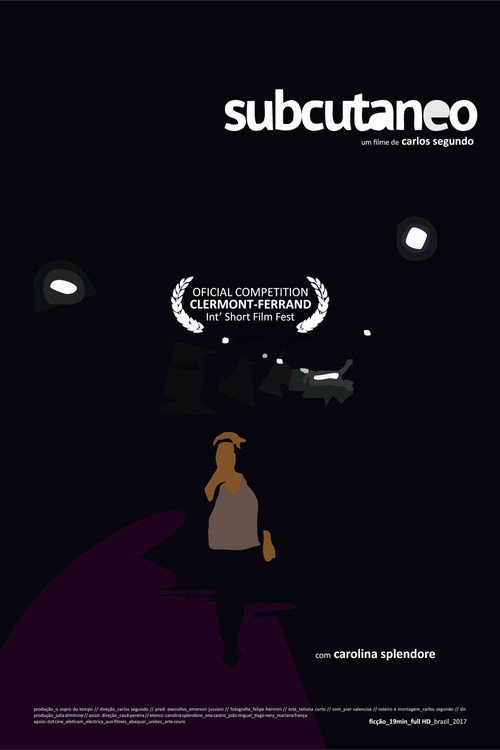
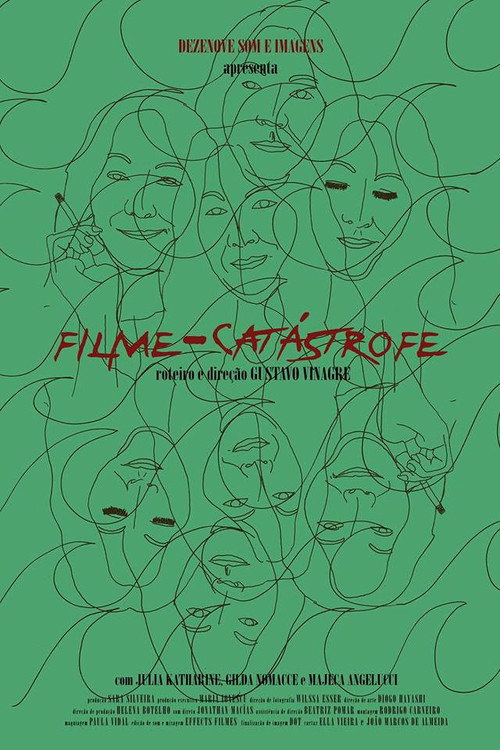
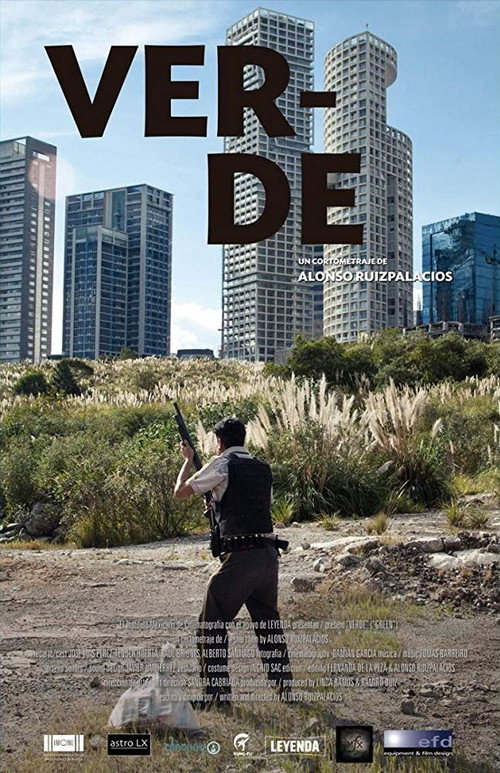
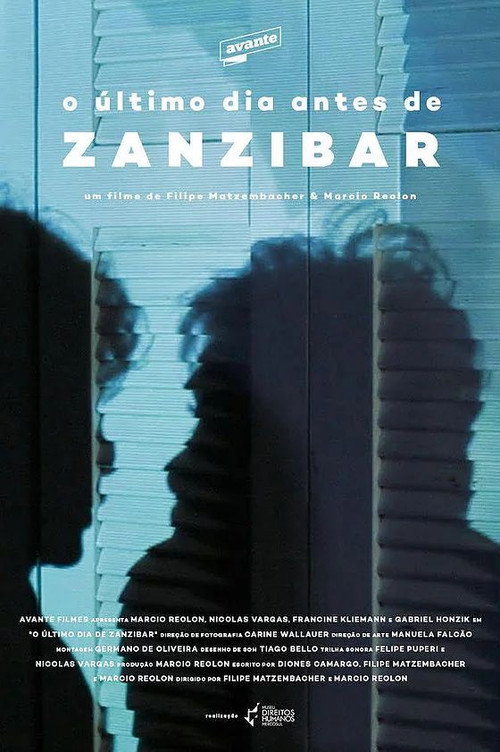
Brazilian short filmmaking has across Curtacinema's history included work spanning animation, documentaire, experimental narrative, thriller, horreur, and social drama - genres and modes that reflect the diversity of Brazilian filmmaking culture as well as the particular pressures and preoccupations of Brazilian society. The festival has given many Brazilian short filmmakers their first major competitive platform and has served as a launching point for careers that subsequently extended into feature production.
The Latin American context is significant. Brazil shares the short film format's challenges with other countries in the region: commercial distribution infrastructure for short work is limited, television broadcast opportunities are constrained, and the festival circuit remains the primary way in which short films reach audiences beyond their immediate production communities. Curtacinema's three-decade commitment to the format has made it a crucial institutional advocate for short film as a legitimate and serious cinematic mode in the Brazilian context.
Competition categories at the festival have covered national and international short films across various length and format definitions, with awards in multiple categories recognising the range of what the short film can do. The jury composition across editions has brought together Brazilian and international film professionals, maintaining the festival's connection to both its domestic context and the global short film community.
Over more than thirty years, Curtacinema has developed an accumulated identity as an event that takes short film seriously on its own terms rather than as a training ground or stepping stone to features - a philosophy that has given the festival a consistent character and a clear sense of purpose within the complex landscape of Brazilian film culture.
 Cartagena Film Festival