

WorldFest Houston
WorldFest Houston, founded in 1961 and formally launched as a competitive event in 1968, holds the distinction of being one of the oldest continuously operating independent film festivals in United States history - a claim that places it alongside or ahead of events that now enjoy far greater international prominence. The festival is held in Houston, Texas, the fourth-largest city in the United States, and its longevity reflects both the organizational commitment of its founding team and the consistent support of a Houston audience with genuine appetite for international and independent cinema.
The festival's founding is associated with the late Hunter Todd, who served as its director for decades and whose vision shaped WorldFest's distinctive character. Todd was an enthusiastic champion of independent production and of the international circuit that Hollywood product frequently ignores, and under his stewardship WorldFest developed a reputation for welcoming work that the mainstream American festival circuit was unlikely to pick up. This positioned the festival as an important early platform for independent and international filmmakers seeking American exposure.
WorldFest Houston runs a substantial competition across multiple categories: feature films, short films, documentaries, student films, animation, and television production. The multi-category structure reflects the festival's ambition to serve the full range of screen production rather than focusing narrowly on prestige narrative features. This breadth has made WorldFest a particularly important event for independent producers seeking competition credits that span formats and genres.
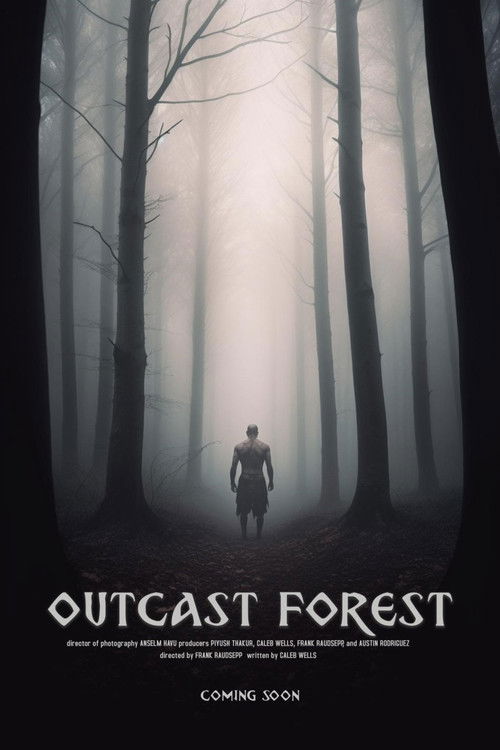
Genre cinema has been a consistent presence at WorldFest Houston throughout its history. The festival's independent and international orientation means that horror, sci-fi, thriller, and exploitation films have been welcomed at WorldFest when equivalent events applied tighter curatorial gates. Texas has its own genre-cinema heritage - the state has been the location and the cultural origin of significant genre productions across the decades of American exploitation and independent filmmaking - and WorldFest operates within that awareness even when its programme spans the full range of international production.
Notable early entries in the careers of significant filmmakers passed through WorldFest competition. The festival has made a point of tracking these early associations as part of its institutional history, presenting itself as a place that recognized important talent before the industry mainstream did. For independent filmmakers working outside the festival-circuit cities of Los Angeles, New York, and Sundance's Park City, WorldFest offered a competitive context with genuine jury prestige and industry attention.
France, Germany, Italy, Japan, and other major filmmaking territories have all had strong representation in WorldFest competition over the decades. The festival's international orientation reflects its understanding that Houston's cosmopolitan population - the city is one of the most ethnically diverse in the United States - represents an audience capable of engaging with cinema from across the globe. That diversity of origin has informed WorldFest's programming ethos: world cinema here means genuinely worldwide.
Student film competition at WorldFest Houston is taken seriously. The festival has consistently offered student filmmakers a competitive context that gives genuine industry feedback and jury recognition, and many careers in American and international cinema include an early WorldFest credit. This commitment to emerging talent across the full production range - not just students making prestige short films but student work in genre, documentary, and animation - reflects the festival's democratic instincts.
The Remi Awards - WorldFest's signature prize, named after a golden statuette of a French Legionnaire - are awarded across the competition categories and carry genuine weight as competition credits in the American independent and international markets. The naming of the award is itself a piece of festival history, reflecting the international aspirations of the festival's founders.
Houston's status as a major American city without a dominant association with the entertainment industry has always been part of WorldFest's identity. The festival is not embedded in the celebrity culture of Los Angeles or the literary culture of New York; it occupies a different American space, one defined by industrial ambition, ethnic diversity, and a pragmatic relationship with culture that suits an independent film festival with its roots in the late 1960s American independent movement. After more than half a century of operation, WorldFest Houston remains one of the genuine institutions of American independent cinema history.