The Thessaloniki International Film Festival, held each November in Greece's second-largest city, is the oldest continuously operating film festival in the Balkans and Southeast Europe, a competitive event with FIAPF recognition that has served since the 1960s as the primary international film event for Greece and an important hub for Balkan and Eastern Mediterranean cinema.
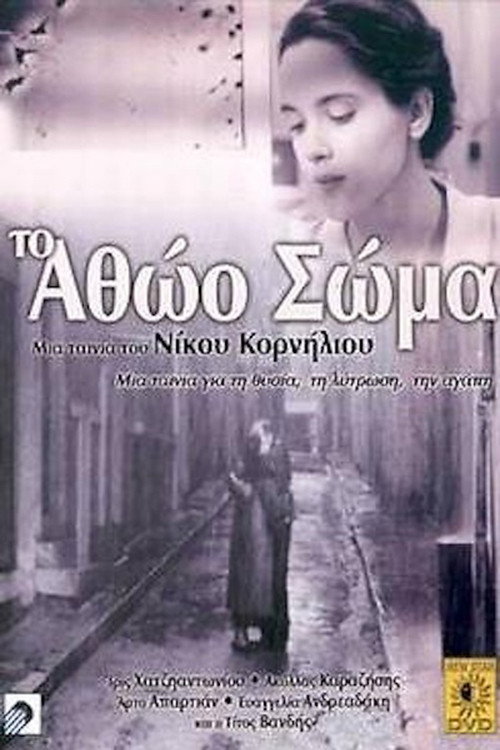
Greece occupies a distinctive position in European cinema history: a country with a rich national film tradition that includes work of major international significance - Theo Angelopoulos's long takes and landscape-scale melancholy being the most internationally celebrated example - alongside a robust popular cinema tradition that has engaged with genre conventions across several decades. The Thessaloniki festival reflects both dimensions of this tradition, presenting Greek cinema internationally while programming world cinema for domestic audiences.
The festival was established in the 1960s as an annual showcase for Greek cinema, initially as a domestic event before acquiring international competitive status. Over subsequent decades it expanded its programme significantly, incorporating international competition sections, documentary programming, and retrospective strands. The transformation into a genuinely international festival gave it a different function: not merely a domestic awards event but a genuine point of exchange between Greek and international film cultures.
The competitive section of the Thessaloniki festival presents international features in a jury format, with prizes carrying weight in both the European art-cinema circuit and the Greek distribution market. The festival has attracted significant international films to its competition and has been recognised as a serious programming event by the international press and programming community. The Golden Alexander, the festival's top prize, has a history behind it.
Thessaloniki as a city provides a setting with considerable cultural density. The city is one of the oldest continuously inhabited cities in Europe, with a Byzantine, Ottoman, and Jewish history layered beneath its contemporary Greek identity. This historical depth and the city's position as a commercial and cultural crossroads between Europe, Asia, and the Middle East give the festival a geographic logic: Thessaloniki is a place from which the cinemas of Greece, the Balkans, Turkey, and the Eastern Mediterranean can be viewed with equal attention.
The documentary programme at Thessaloniki has been particularly strong, with a dedicated competition for documentary features that reflects the festival's commitment to non-fiction as a serious cinematic form. Greek documentary filmmaking has a significant tradition, and the festival's documentary section provides a platform for both domestic and international work in the form.
For genre cinema, Thessaloniki's relationship is primarily through the programming of thriller and crime work within its broader international programme, and through the periodic engagement with Greek genre cinema - a tradition that includes significant horror-adjacent work, particularly in the "Greek Weird Wave" cinema of the 2000s and 2010s. Films associated with that movement - work by directors like Giorgos Lanthimos and Yorgos Zois - operate in a register that is simultaneously dark comedy, psychological horror, and social satire, creating a distinctively Greek variant of the kind of cinema that blurs genre and art-film boundaries.
The Greek Weird Wave is particularly relevant context for understanding what Thessaloniki has contributed to international genre cinema awareness. Lanthimos's early Greek-language features, which deploy horror-adjacent scenarios of family dysfunction, bodily vulnerability, and social control, premiered in a Greek festival context before achieving international success. Thessaloniki has been part of the domestic ecosystem that nurtured this work.
The festival's November timing places it late in the European festival year, after the major autumn festivals in Venice, Toronto, and London. This timing means Thessaloniki receives films that have already been through the major circuit but are finding new audiences in Southeast Europe, alongside genuinely new discoveries that the major festivals missed. The programming team has developed a reputation for finding significant films from the Balkans and Eastern Mediterranean that the larger events have overlooked.
Balkan cinema broadly - films from Romania, Bulgaria, Serbia, and the broader region - has found an important showcase in Thessaloniki, reflecting the festival's geographic position and its institutional commitment to being a regional hub rather than simply a Greek national event.
 International Film Festival Rotterdam
  Berlin International Film Festival
  Cannes Film Festival
  Locarno International Film Festival