

MIX Copenhagen LGBTQ+ Film Festival
MIX Copenhagen LGBTQ+ Film Festival, founded in 1986, is one of the oldest LGBTQ+ film festivals in the world, predating most comparable events and operating continuously from Denmark's capital at a time when queer film culture was still building its international infrastructure. The festival was established in an era before LGBTQ+ cinema had significant mainstream visibility, when specialized festival platforms were the primary means through which queer filmmakers could reach audiences who recognized their work and their lives. That founding context shapes the festival's identity even decades later: MIX Copenhagen carries the historical weight of having been a genuine lifeline for LGBTQ+ cinema when fewer alternatives existed.
Copenhagen is a fitting home for this history. Denmark has long been among the more socially progressive countries in Europe on questions of gender and sexuality, and Copenhagen's cultural life has included substantial LGBTQ+ arts infrastructure since at least the 1970s. The city provided both the political environment and the audience base for a festival like MIX to establish itself and sustain operations across nearly four decades.
The festival's programming covers the full range of LGBTQ+ cinema - features, documentaries, short films, and experimental works from around the world that address queer experience, identity, history, and politics. The scope is genuinely international: LGBTQ+ cinema as a category encompasses films from France, Germany, the United States, Brazil, Japan, South Korea, and dozens of other national contexts, each reflecting the specific political and cultural conditions for queer life in those places.
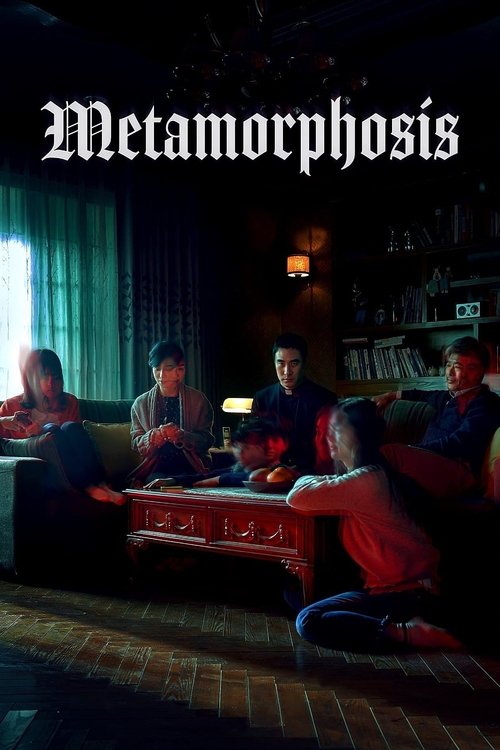
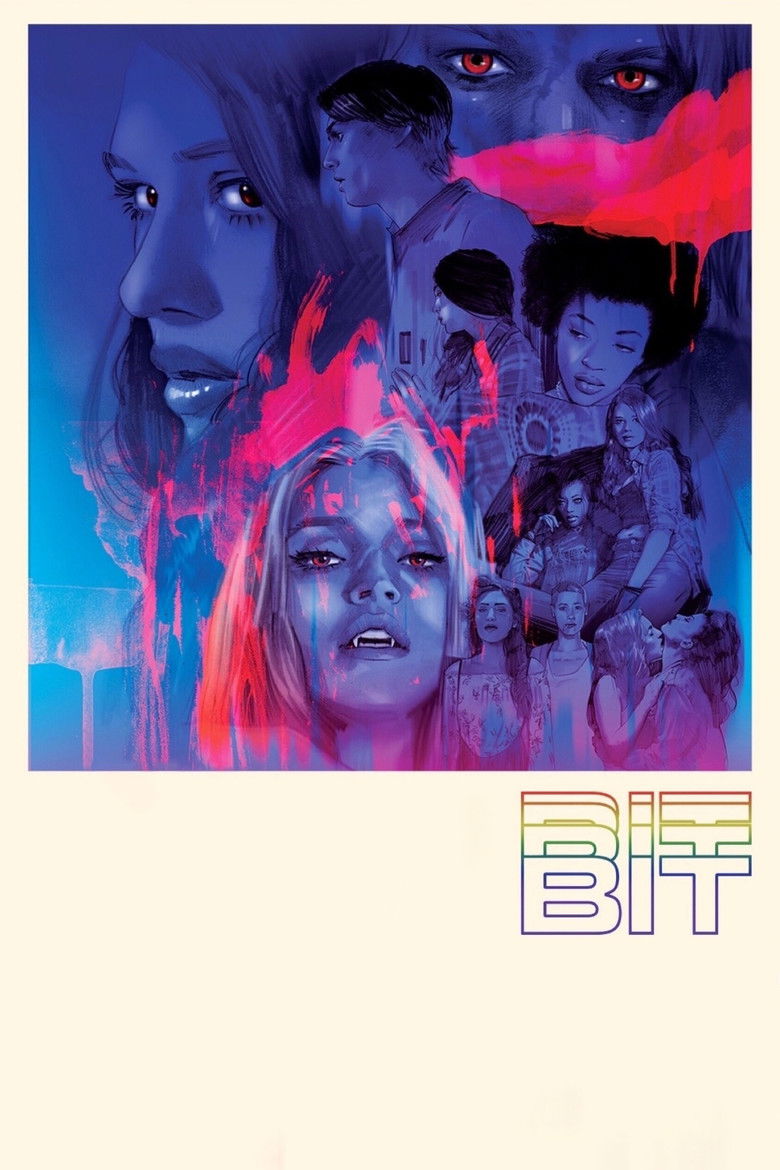
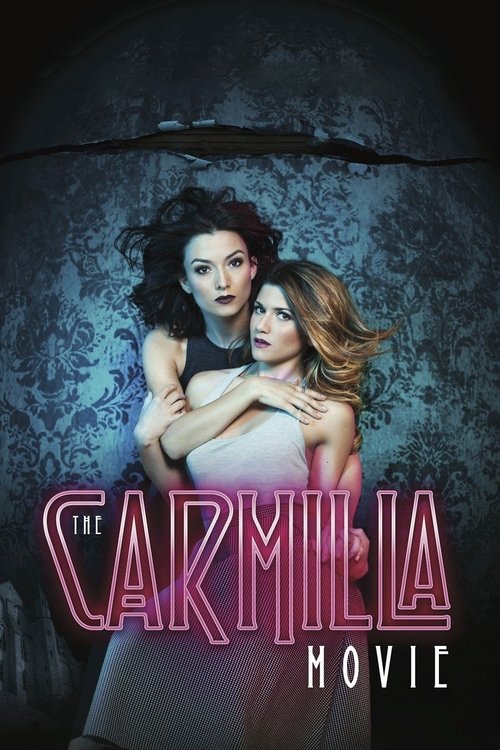
The intersection of LGBTQ+ cinema with genre filmmaking is significant and historically underappreciated. Queer coding and queer subtext run throughout the history of horror cinema - the monster as metaphor for the feared Other, the vampire as figure of transgressive desire, the gothic tradition's persistent engagement with prohibited sexuality, and the psychological-horror tradition's exploration of identity and bodily transformation all carry strong queer dimensions that genre scholars have analyzed extensively. Some of the most celebrated horror and thriller films explicitly address queer experience, and LGBTQ+ film festivals have been among the most engaged curatorial contexts for those works.
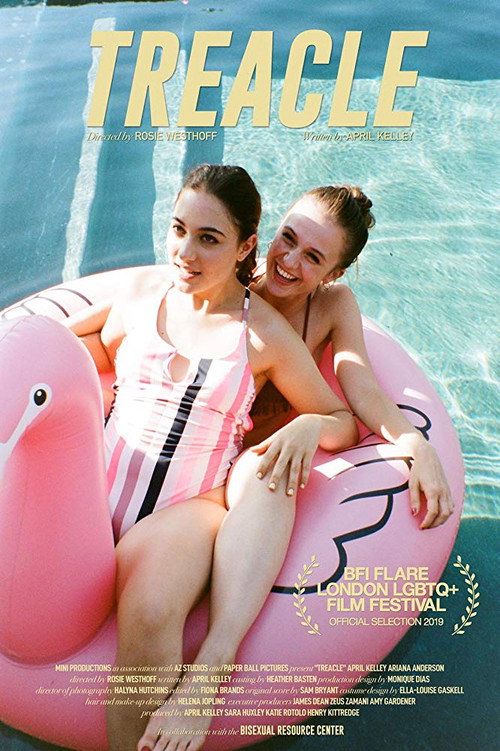
The lgbtq genre category in the CaSTV catalog reflects precisely this intersection: films that address queer identity, desire, and experience within genre frameworks - horror, thriller, sci-fi, exploitation, drama - represent a significant portion of genre cinema's history and ongoing production. MIX Copenhagen, as one of the oldest and most continuous LGBTQ+ film festivals, has been one of the primary platforms through which such films have reached dedicated audiences.
The festival typically runs in October, occupying a slot in the autumn festival calendar. Programming includes a competitive section with jury awards, retrospective screenings of significant historical LGBTQ+ cinema, and special events including filmmaker talks and community gatherings. The balance between archival and contemporary programming is important: for a festival with MIX Copenhagen's history, the obligation to document and celebrate the LGBTQ+ cinema of the past is as significant as the obligation to discover new work.
For CaSTV, MIX Copenhagen is relevant both as a long-running specialized festival with genuine genre connections and as one of the historical institutions that sustained queer film culture during decades when that culture had limited mainstream visibility. Its 1986 founding date places it among the earliest LGBTQ+ film events anywhere in the world, and its continuous operation through Denmark is a record of institutional durability that relatively few specialized festivals can match.