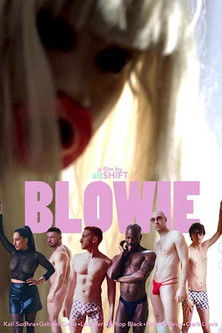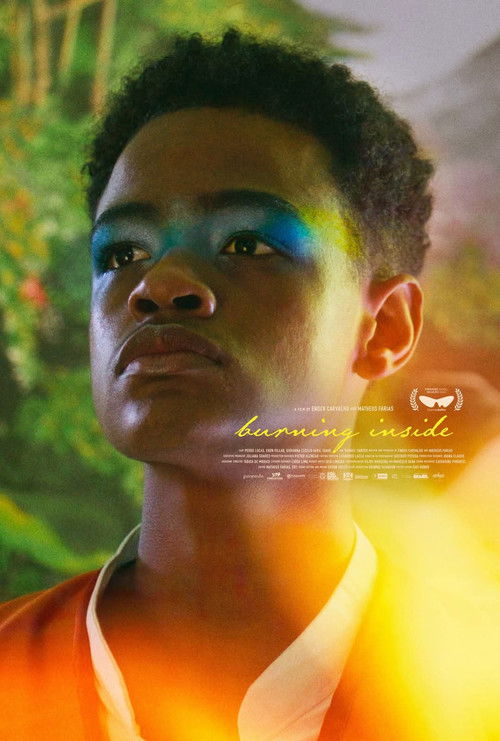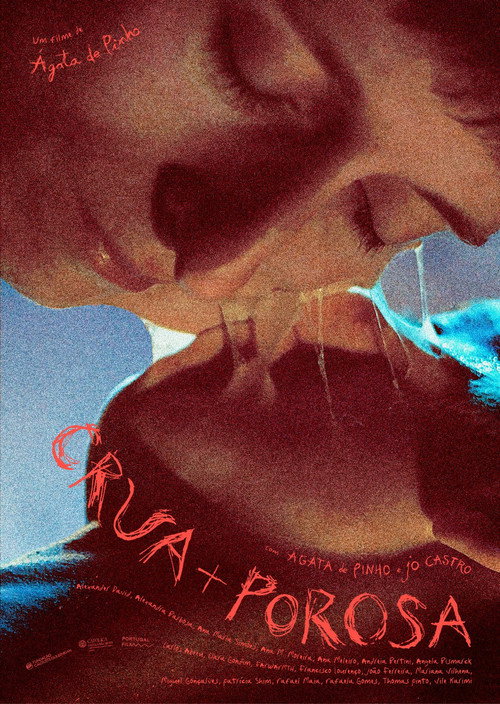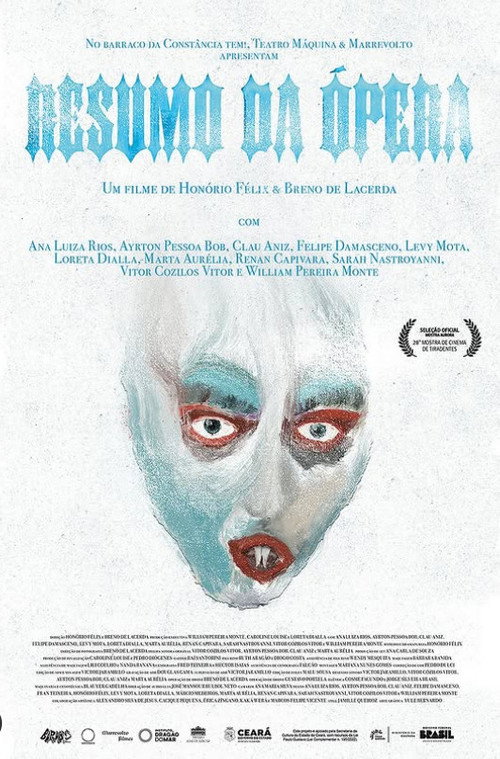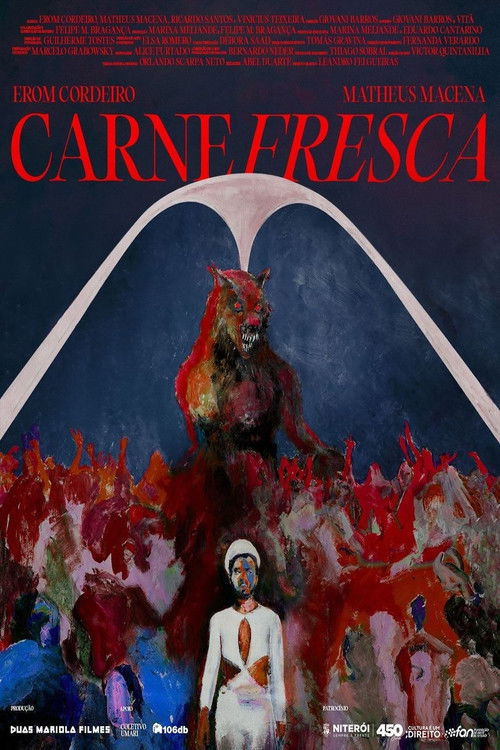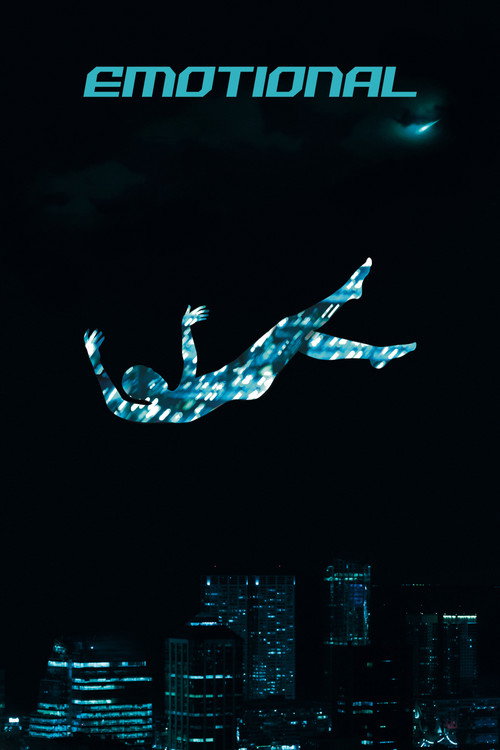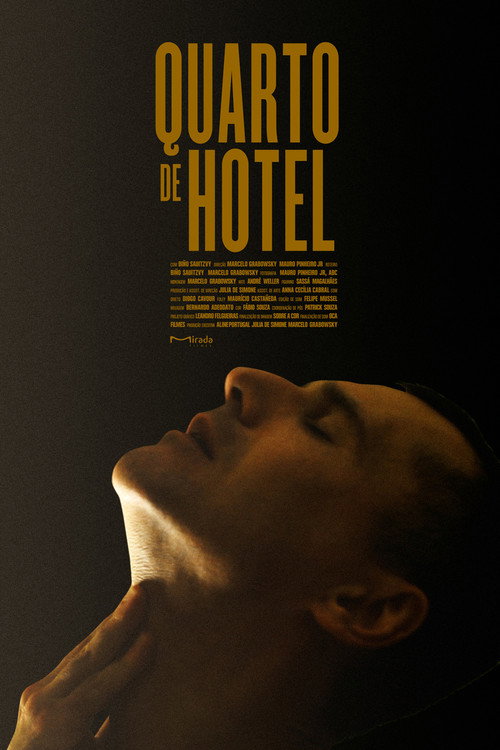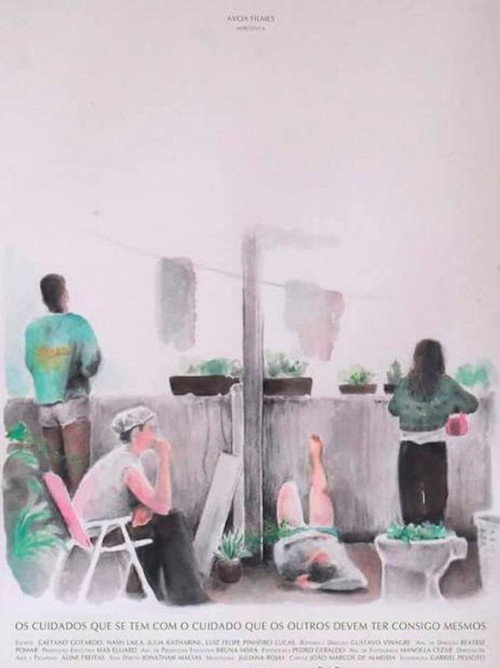
Mix Brasil is Brazil's oldest and largest LGBTQ film festival, established as a platform for international and Brazilian cinema that engages with queer lives, identities, and experiences in all their complexity. Based primarily in Sao Paulo - Brazil's largest city and its economic and cultural powerhouse - with editions that have also taken place in Rio de Janeiro, Mix Brasil has been a defining institution of Brazilian queer cultural life and a major platform for LGBTQ cinema in Latin America across multiple decades of operation.
Brazil's relationship to queer culture is contradictory and complex. The country is home to some of the world's largest and most celebrated Pride events, including the Sao Paulo Gay Pride Parade, which has at times claimed the title of the largest Pride march in the world. At the same time, Brazil has a significant problem with violence against LGBTQ people, a powerful conservative religious political bloc, and a recent history of political leadership hostile to queer rights. Mix Brasil operates within this contradiction - it is a festival that exists because the contradiction is real, because queer Brazilian cinema and queer Brazilian lives require a dedicated cultural space for visibility and celebration that cannot be taken for granted.
The programming at Mix Brasil is international in scope. Films from the United States, France, Spain, Germany, Argentina, and across Latin America compete alongside Brazilian productions in the festival's international competition. The festival has introduced Brazilian audiences to internationally significant LGBTQ cinema and has provided Brazilian queer filmmakers with a competitive context for their work that does not require them to submit exclusively to mainstream festivals where queer content may be marginalised.
Brazilian cinema's own engagement with queer themes has been rich and has a substantial history. From the provocations of the Udigrudi (underground) cinema of the 1960s and 1970s through the openly queer films of subsequent decades, Brazilian filmmakers have engaged with questions of gender, sexuality, and identity in ways that reflect the specific conditions of Brazilian society. Mix Brasil is the institutional context in which that tradition is honoured and in which new work in this tradition finds its audience.
The festival programmes documentary films alongside fiction features and shorts, recognising that documentary is often the form in which LGBTQ experience is most directly addressed and in which the political stakes of visibility are most clearly felt. Political documentary, biographical portraits of queer figures, observational films of community life, and more formally experimental nonfiction work all appear in the Mix Brasil programme.
Genre filmmaking that engages with LGBTQ experience also finds a place at Mix Brasil. Horror films with queer themes - a tradition with a longer history than is often acknowledged, from the coding of classic Hollywood horror through the explicitly queer horror that has developed in recent decades - have been part of the festival's programming range. The relationship between queerness and genre cinema is substantial and is taken seriously in festivals like Mix Brasil.
Sao Paulo provides a fitting home for a festival of this kind. The city's size, its cosmopolitan character, its history of immigration and cultural mixing, and its status as Brazil's commercial and media capital give Mix Brasil access to audiences and infrastructure that would be unavailable in smaller Brazilian cities. The festival has also served as a gathering point for the Brazilian LGBTQ creative community - filmmakers, performers, writers, and cultural activists who use the festival as both a professional and a social occasion.
Mix Brasil stands as evidence that Brazil's queer cultural life has produced institutions of genuine depth and longevity, and that Brazilian cinema's engagement with LGBTQ experience has been serious, sustained, and internationally recognised.
 Rio de Janeiro International Film Festival
  Cartagena Film Festival