

imagineNATIVE Film + Media Arts Festival
imagineNATIVE Film + Media Arts Festival, founded in Toronto in 1998, is the world's largest festival dedicated to film, video, audio, and digital media created by Indigenous peoples. This distinction is not merely a superlative: the festival was founded at a moment when Indigenous filmmakers had virtually no dedicated international platform for their work, and it has spent more than twenty-five years building the infrastructure, relationships, and visibility that Indigenous cinema needed in order to be recognised as a global filmmaking practice rather than a regional or ethnographic curiosity.
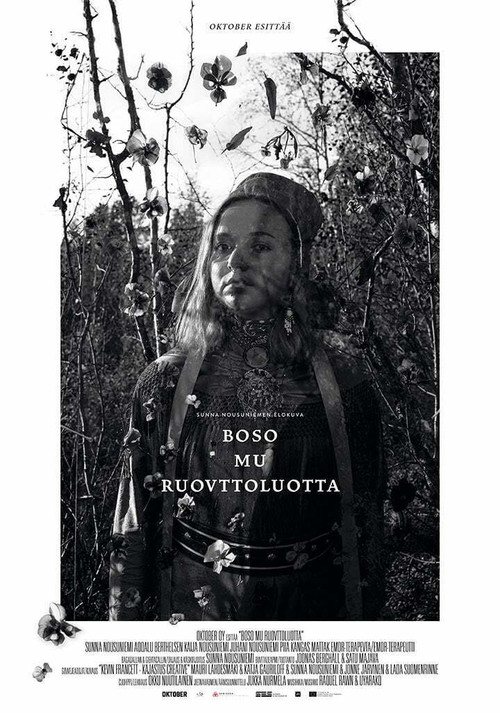
The festival takes place in Toronto, on the traditional territory of multiple First Nations, and its programming draws from Indigenous filmmakers across Canada, the United States, and nations around the world - Maori filmmakers from New Zealand, Aboriginal filmmakers from Australia, Sami filmmakers from Scandinavia, and Indigenous filmmakers from Latin America, Asia, and Africa are all part of the imagineNATIVE programme. The festival's scope is genuinely global because Indigenous peoples exist on every inhabited continent, and their cinematic traditions and concerns, while distinct, share certain structural similarities rooted in shared experiences of colonisation, cultural suppression, and self-determination.
imagineNATIVE programmes features, short films, documentaries, experimental works, and digital and interactive media, reflecting a broad understanding of what media arts means for Indigenous practitioners who often move between and across traditional media boundaries. The festival has been an early adopter of new media forms as they have emerged, recognising that Indigenous artists have often found digital and interactive media particularly generative for exploring questions of territory, language, memory, and sovereignty that are central to their communities' concerns.
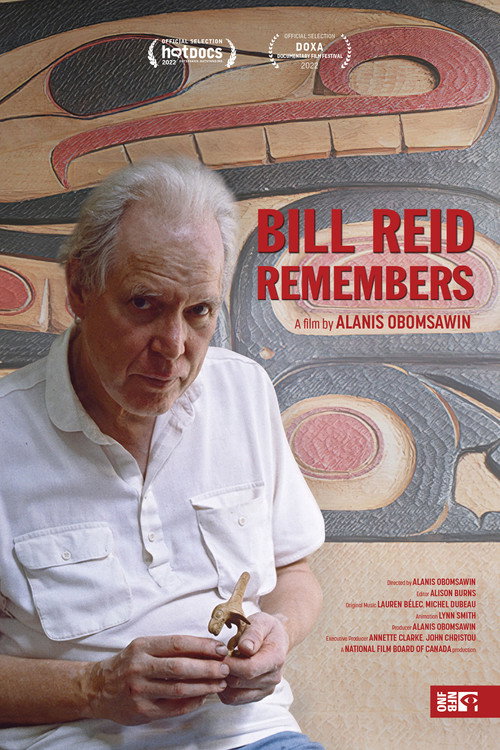
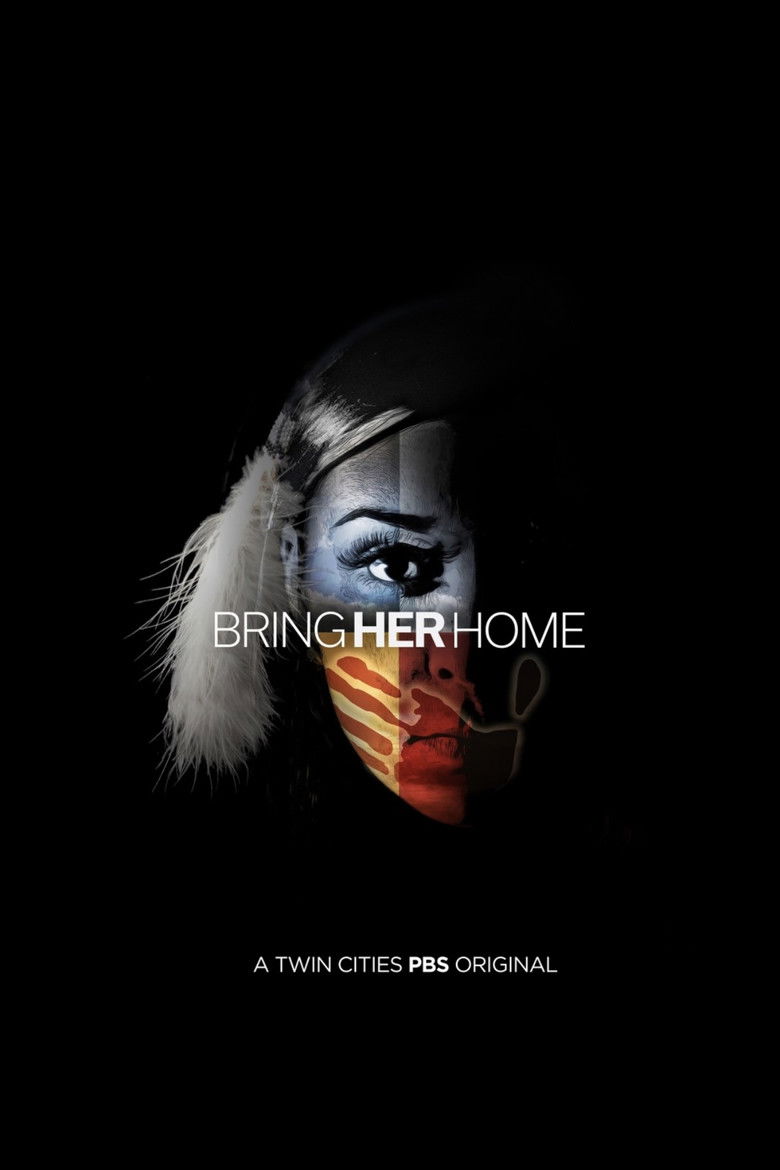
Documentary filmmaking has deep roots in Indigenous media practice, and imagineNATIVE has been a major platform for documentary work about Indigenous history, land rights, cultural survival, residential school systems, and contemporary Indigenous life in ways that mainstream documentary festivals have been slower to programme. But the festival is emphatically not only a documentary event: narrative features, experimental films, horror, fantasy, and genre work made by Indigenous filmmakers all find a home in the programme.
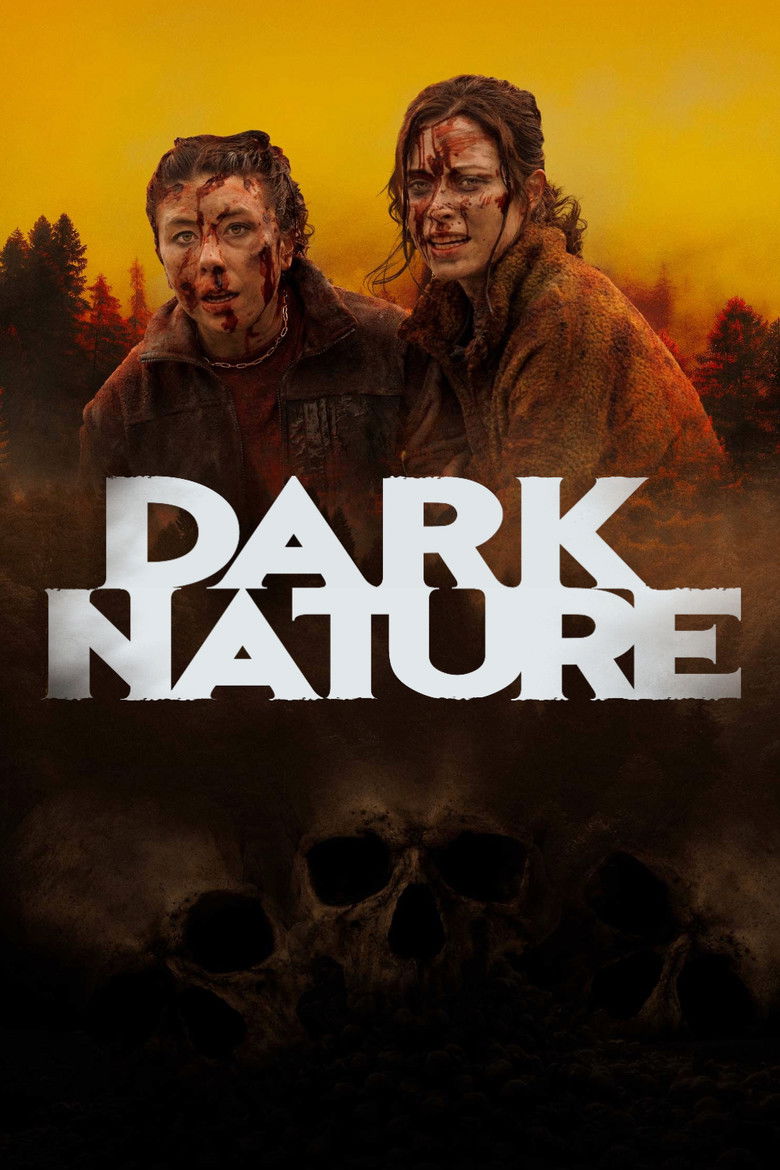
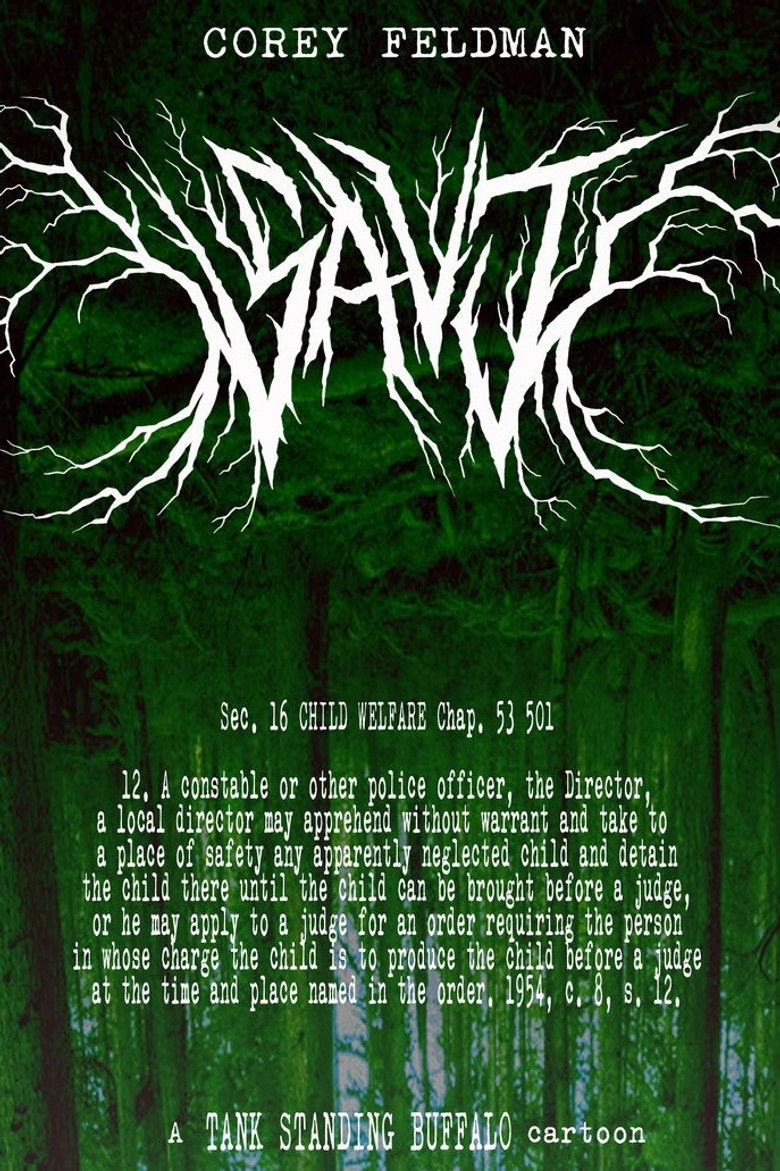
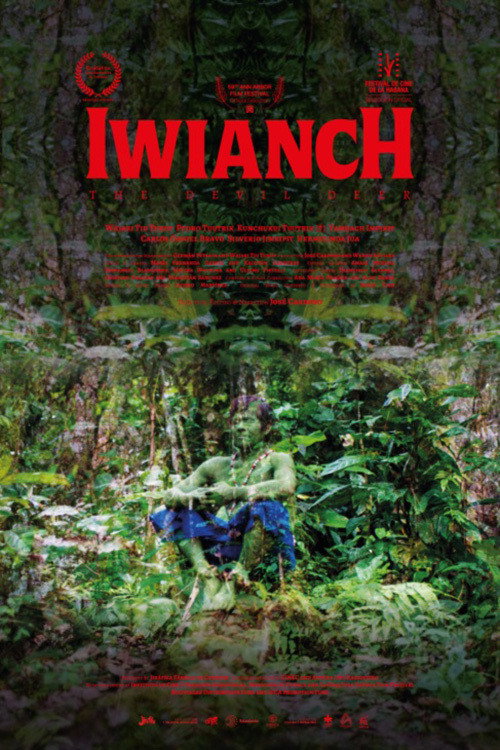
Indigenous horror and genre filmmaking has developed significantly in the decades since imagineNATIVE was founded. Films rooted in Indigenous cosmologies, monster traditions, and relationships to land and the supernatural have emerged as a genuine filmmaking current - sometimes described as Indigenous horror or "reservation horror" - that uses horror and fantasy genres to engage with both specific cultural traditions and with the ongoing traumas of colonisation. imagineNATIVE has been a central platform for this work, programming films that bring supernatural and genre elements into conversation with Indigenous storytelling traditions.
The festival's competitive programme includes jury awards and audience awards across its various categories. The prize-giving functions as an affirmation of Indigenous filmmaking excellence by an institution specifically constituted to recognise it - an important distinction from prizes awarded by juries whose cultural frameworks may not be equipped to evaluate Indigenous work on its own terms.
imagineNATIVE also operates year-round programming, industry initiatives, mentorship programmes, and advocacy work designed to improve Indigenous filmmakers' access to funding, distribution, and training. The festival is embedded in a broader ecosystem of Indigenous media arts support that extends far beyond its annual screening programme.
Canada's film industry has historically underinvested in Indigenous filmmaking, and imagineNATIVE has been a persistent and effective advocate for changing that. The festival's longevity, its international scope, and its growing influence within mainstream Canadian film culture reflect both the quality of the work it champions and the strength of the case it has made, year after year, for why Indigenous cinema matters.