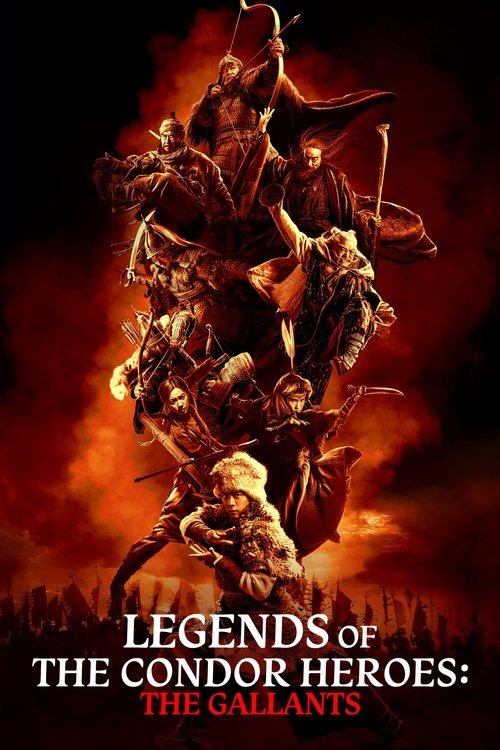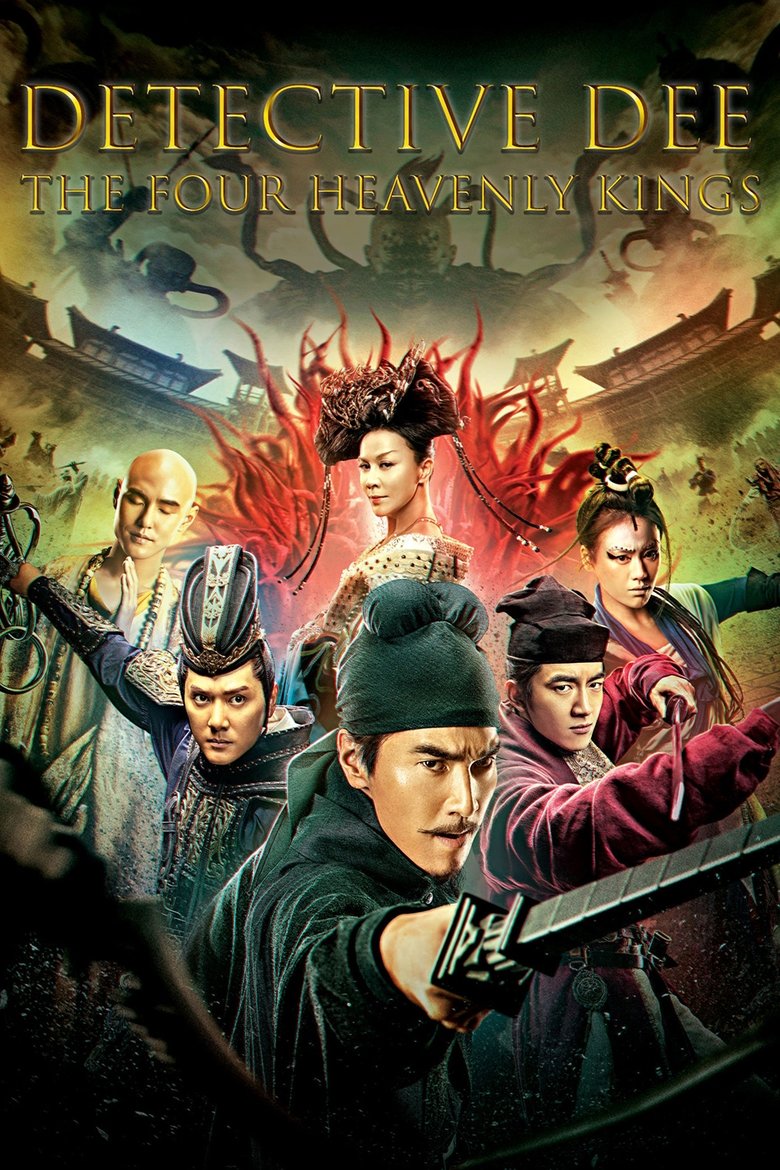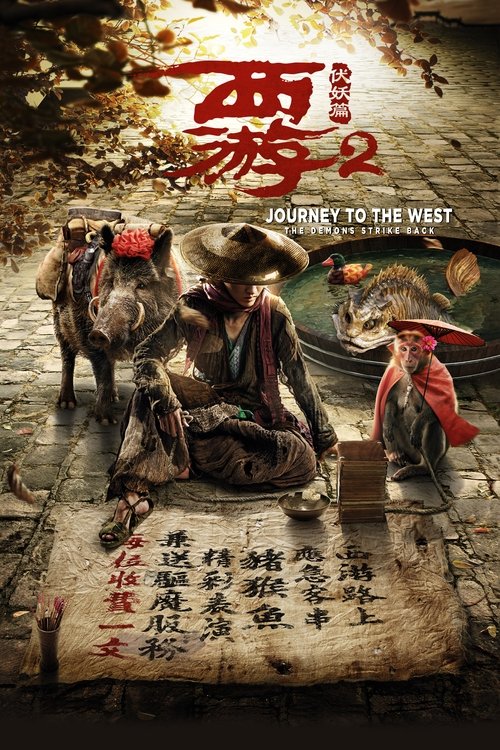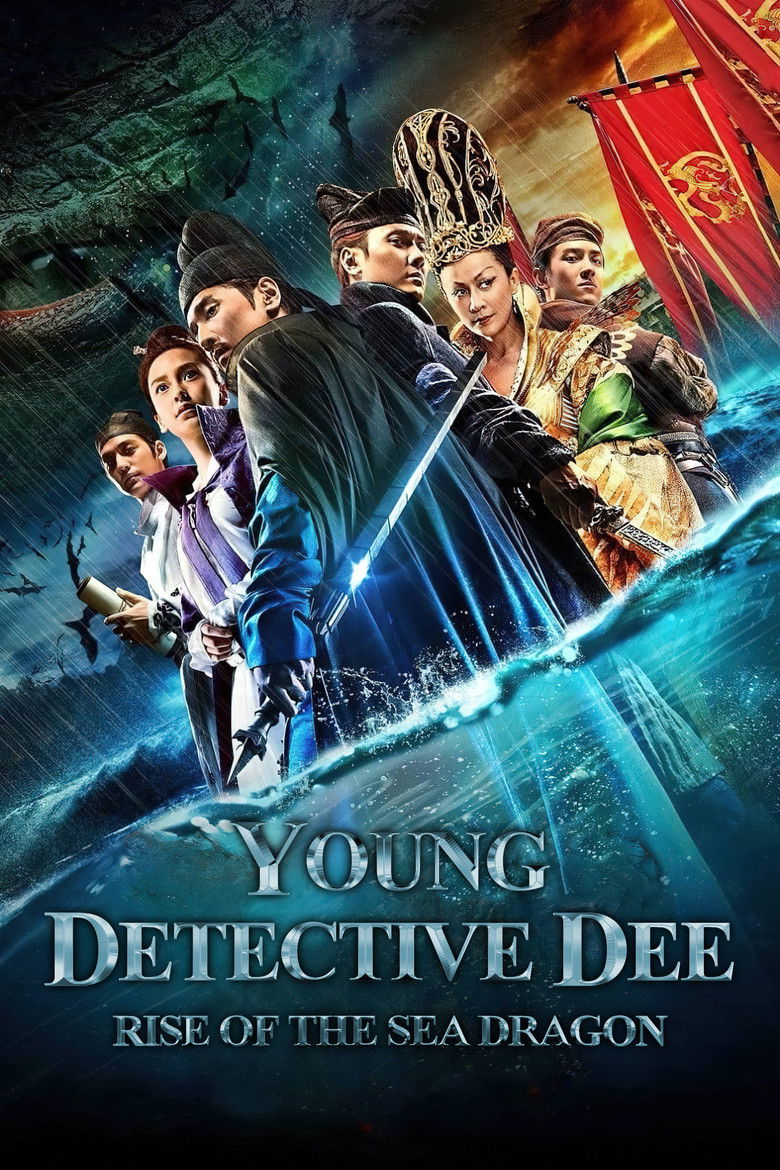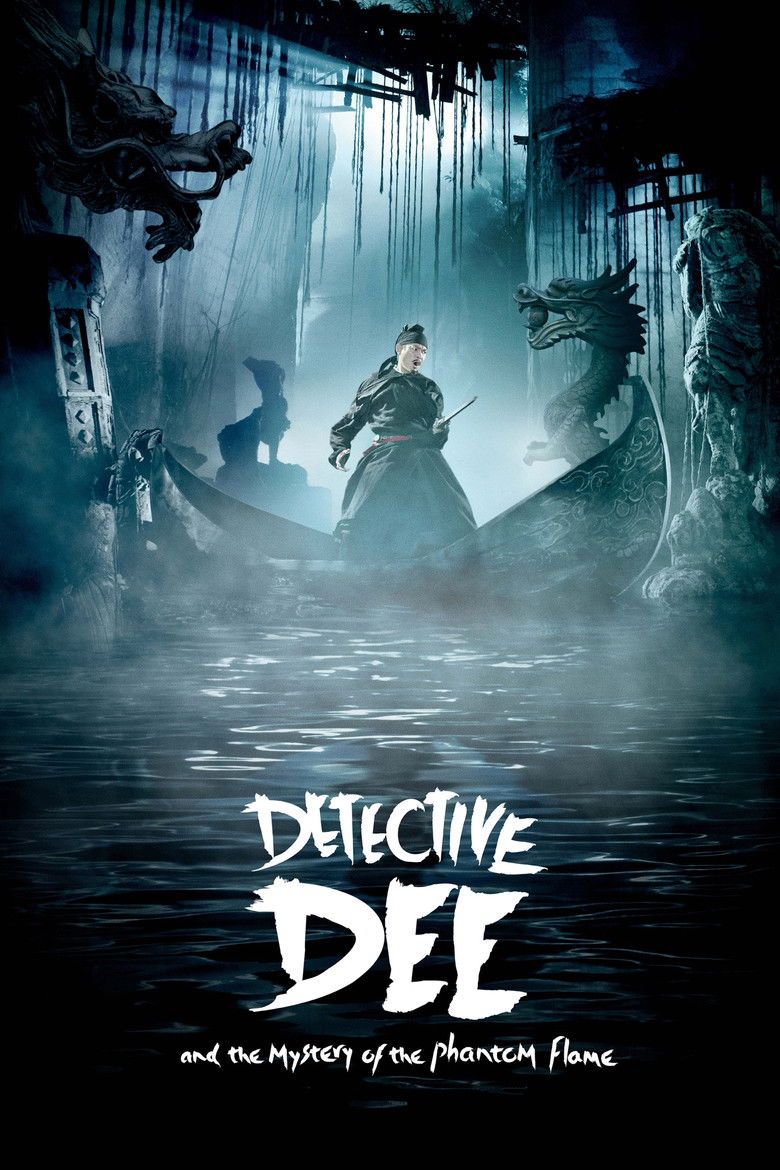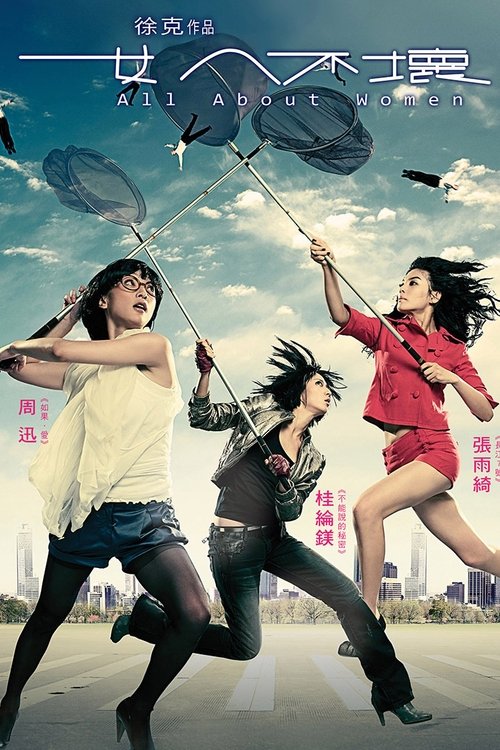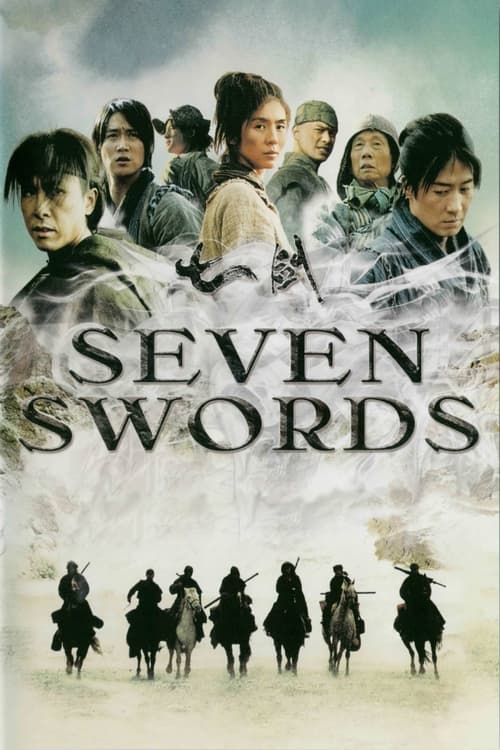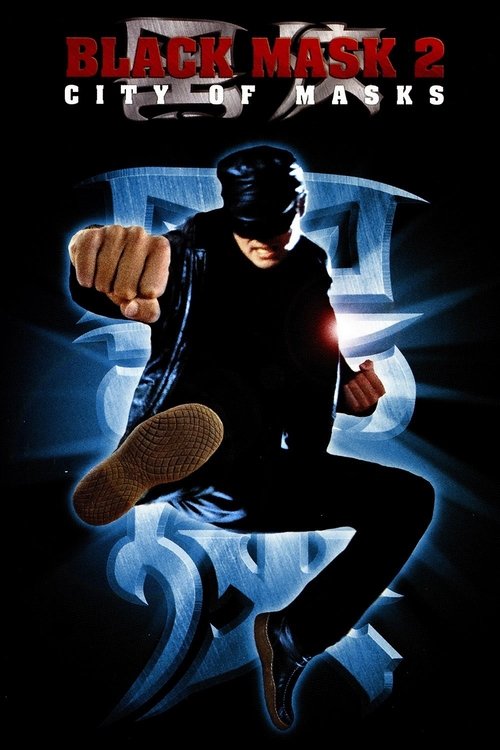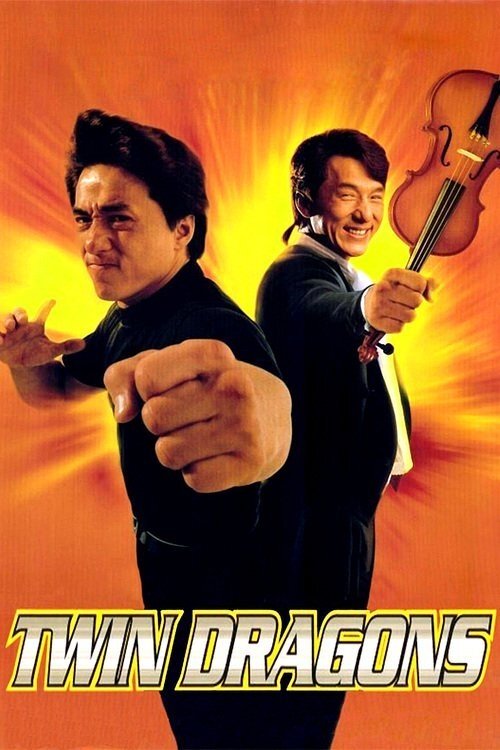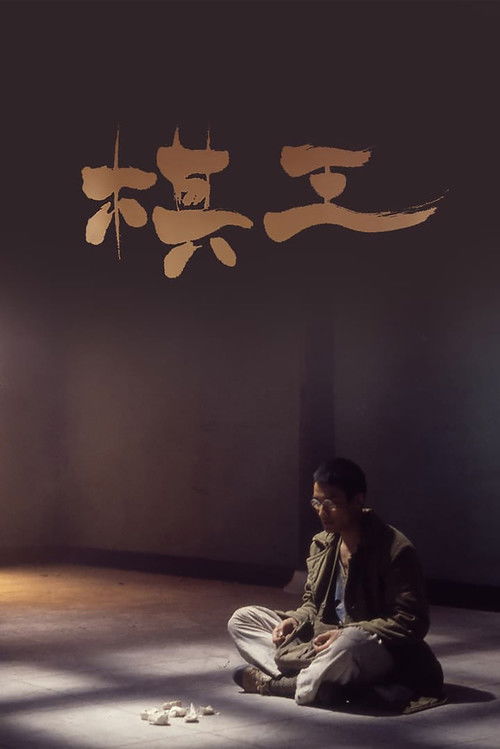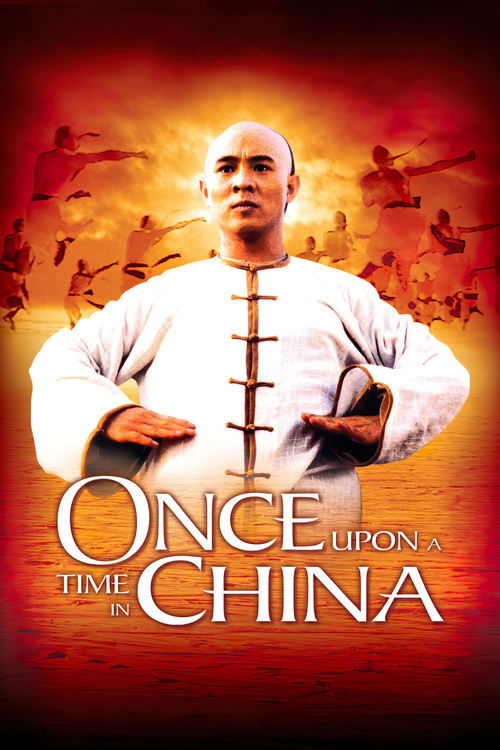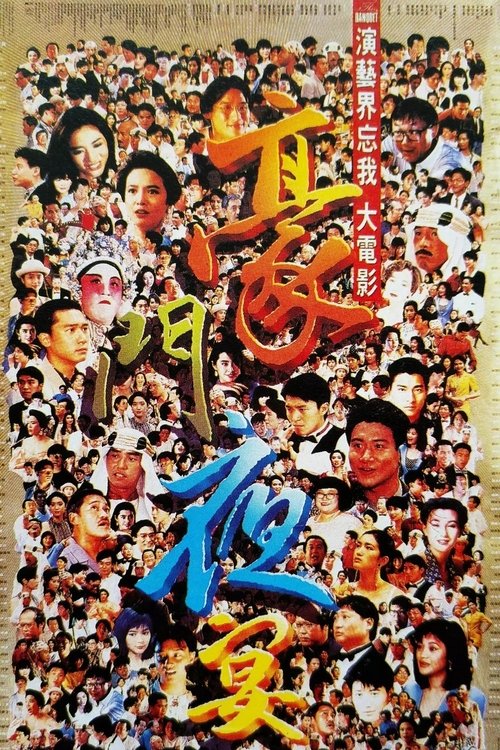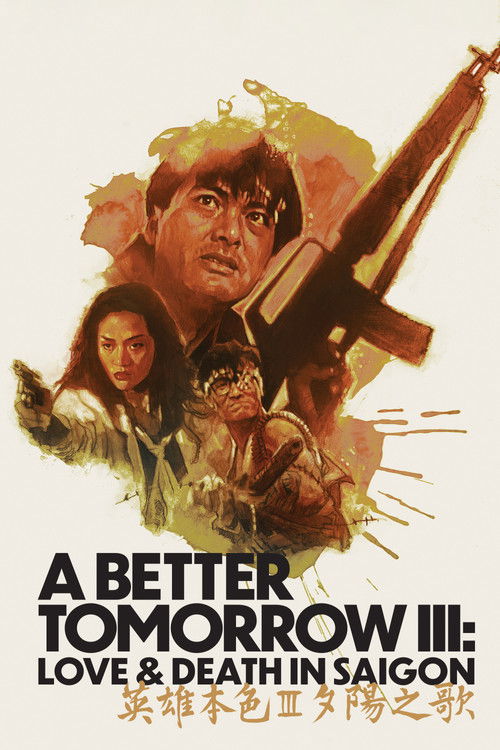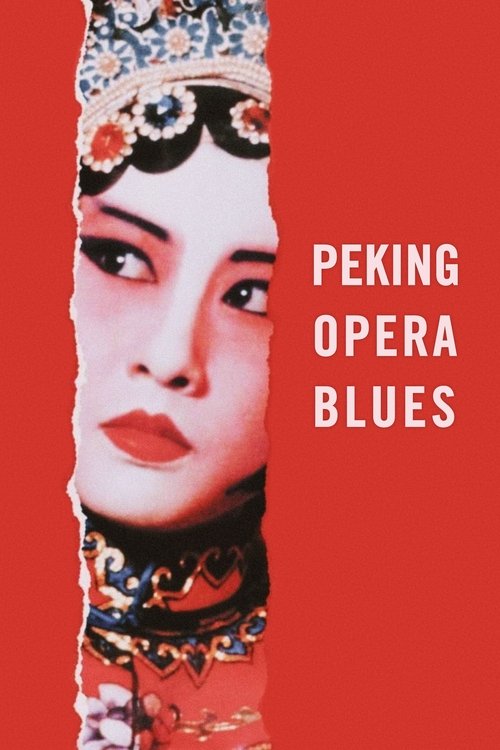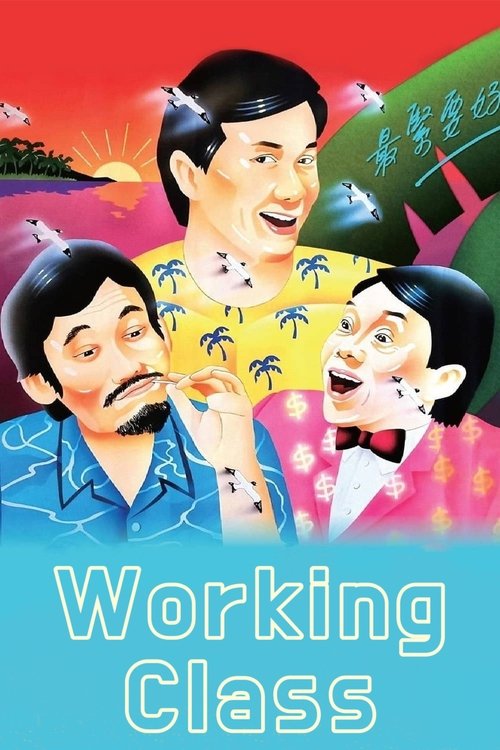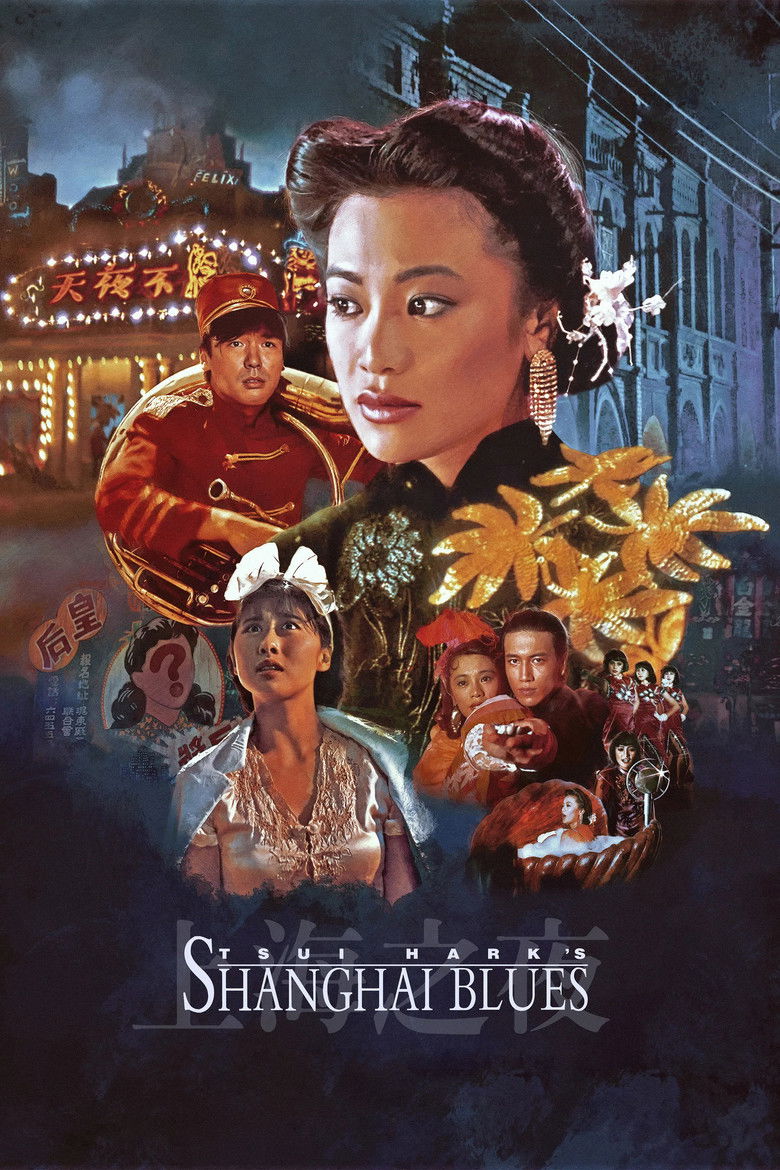


Tsui Hark
Tsui Hark is the sort of director who looks simpler from a distance than up close. A quick summary may place the work inside horror, next to horror, or on the edge of another commercial or art-cinema tradition, but that kind of label rarely explains why the films continue to matter. On CaSTV, Tsui Hark belongs in the database because the career repeatedly returns to menace, atmosphere, distortion, and the pressure points where genre starts exposing deeper habits of looking. Even when individual films travel through adjacent territory, the signature keeps circling back to dread and its many disguises.
The career also makes more sense when read historically instead of heroically. What makes the career arc persuasive is its refusal to stay still: even when the surface changes, the pressure points remain recognisable. For Tsui Hark, the interest is not just a handful of famous titles or cult objects, but the way a whole filmography teaches viewers how to recognise its methods. Some projects are compact and brutal, some are baggy and exploratory, some tilt toward pulp while others lean toward a harsher seriousness. What binds them is not uniform quality or a single narrative formula, but a recurring pressure on bodies, spaces, and social arrangements. That pressure is one reason the work sits productively beside Horror, Thriller, and Supernatural.
Country context matters too. In the current queue, Tsui Hark is best read through Japan or, when the record is broader than one national frame, through the wider question of how genre travels between industries. National cinema is not decorative metadata here. It helps explain which production routes were open, what kind of audience recognition was possible, and how prestige, censorship, exploitation, and export circulation shaped the work. A director working through Japan enters horror history differently from one forged mainly through festival culture or television spillover.
If there is a useful way to discuss formative work without pretending every career has the same myth of origin, it is this: for Tsui Hark, their signature becomes legible when early experiments start hardening into a method, even before the better-known titles arrive. Early efforts often contain the blueprint in unstable form. You see how a scene is stretched past comfort, how an image is made to linger, how performance is pitched toward either deadness or panic, and how ordinary environments acquire a slightly poisoned charge. In later, stronger, or simply better remembered films, those early decisions harden into style. That long view is more valuable than flattening the director into one 'essential' title.
Themes and textures matter at least as much as plot. Across the career, Tsui Hark shows an attraction to bodies under stress, identities coming apart, and images that keep their sting after the plot has moved on. Depending on the title, that can produce films that resonate with Psychological Horror, Ghost, Occult, Body Horror, or even the abrasive edges of Giallo. The point is not that every work belongs equally to each of those clusters. It is that CaSTV becomes more precise when it treats genre as a field of pressure rather than a fixed border patrol. Directors endure because they keep discovering new ways to push that field around.
Reception around the work usually says as much about the categories critics bring to it as it does about the films themselves: prestige readers notice structure, cult audiences notice excess, and genre historians notice continuity. That is especially true of directors whose reputations move in cycles. One decade may turn them into a cult object. Another may cool the conversation. Later still, a festival sidebar, a restoration, or a change in critical fashion can make the films feel newly urgent. For that reason, Tsui Hark should also be read through historical and curatorial frames: the 1970s, the afterlife of repertory viewing, and events such as Fantasia that help remap neglected or divisive work. Horror history is full of directors who looked minor until the context around them changed.
There is also an argument to be made for inconsistency, or at least for productive unevenness. Many strong genre careers include failures, detours, compromised productions, and strange commissions. Those films do not necessarily weaken the case for Tsui Hark. Sometimes they sharpen it by showing which obsessions survive bad material or shifting markets. Sometimes they reveal the director's method more nakedly than the prestige successes do. CaSTV is useful here because it allows a career to remain contradictory without forcing it into a clean narrative of mastery.
The best way into Tsui Hark, then, is comparative. Read the director through Japan, through cluster pages like Horror and Thriller, and through adjacent traditions such as Folk Horror, Found Footage, Serial Killer, or Survival Horror when those links illuminate the work. Then step sideways into a decade frame or a festival frame and see what changes. That movement between biography, genre, nation, and reception is where Tsui Hark stops being just a credit line and becomes part of the larger argument CaSTV is making about how horror spreads across cinema and stays alive in critical memory.
Filmography