Scariest Horror Of All Time
"Scary" is a messy category, which is part of why the query never dies. Some horror movies frighten through shock. Some through atmosphere. Some through the unbearable feeling that the film has understood a private fear you would rather keep unspoken. So this list does not pretend there is one universal scare mechanism or one objective ranking. It leans toward films whose fear stayed portable across decades, countries, and changing audience habits. That means a heavy showing from 1970s horror, when American horror got meaner and less polite, but it also means room for Japanese horror and newer films that learned how to make family life, grief, and even empty space feel unsafe. I have favored movies that still work in a dark room with no defensive irony available. Some viewers fear the body, some fear the supernatural, some fear being trapped with other people. The eight films below cover all three, and every one of them knows how to leave the room feeling altered after the credits.
Watch these free right now

The scariest films never chase the same reaction: some corner you with noise and violation, some make space itself feel wrong, and some understand that the deepest fear is social. 1970s American horror supplies the brutal foundation, Japanese horror changed how dread moves through images, and the best modern films found new pressure inside grief and domestic life. The result is always the same. You finish the film and the room has lost some of its trustworthiness.
The films on this list

The Exorcist 1973
Friedkin's benchmark for possession horror treats evil as an invasion that humiliates everyone it touches, and his control of sound turns a quiet apartment into a site of violation. It still plays like a crisis rather than a formula.
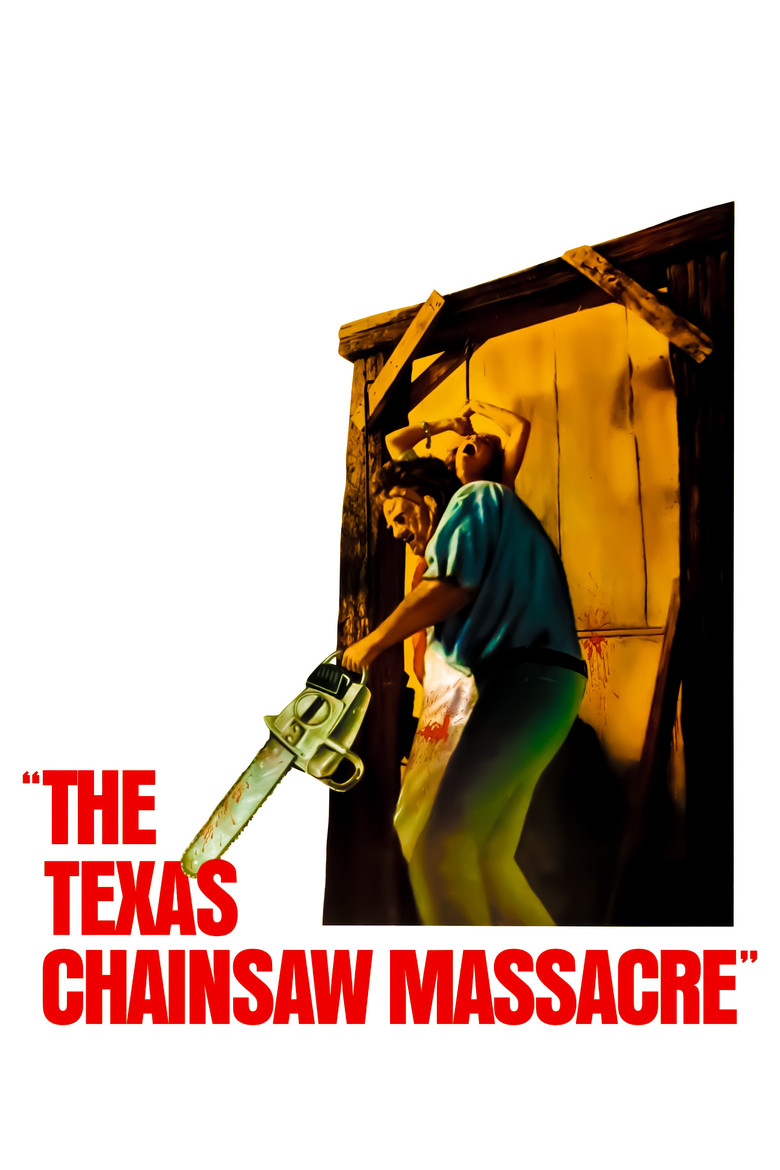
The Texas Chain Saw Massacre 1974
Hooper makes the whole sweaty, sun-scorched landscape feel complicit, frightening less through gore than through the sense of a world gone lawless and socially broken. Once Leatherface appears, your pulse never quite settles.

Alien 1979
Scott takes haunted-house logic into space, where a closed environment and an unknowable creature turn corporate labor into prey. Giger's design bites, but the pacing is what keeps the film under your skin.
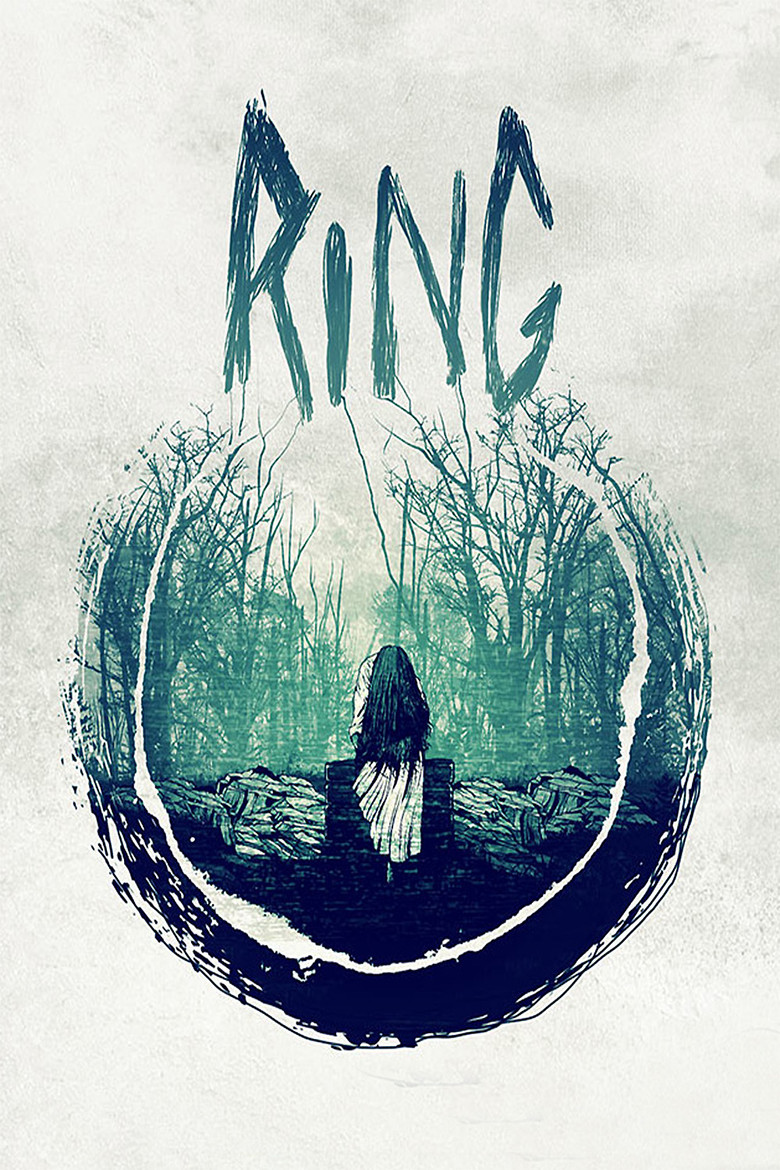
Ring 1998
Nakata makes dread feel viral, turning a cursed tape, a phone and a ticking deadline into a delivery system for fear. It does not want to startle you; it wants to colonize your imagination and stay there.

The Blair Witch Project 1999
Myrick and Sanchez strip horror down to darkness, bad map logic and frayed group nerves until orientation itself becomes the threat. The woods never need to show you much, only convince you there is no route back.

Pulse 2001
Kurosawa makes loneliness contagious, staging rooms and screens as spaces quietly vacated of human warmth, then giving that emptiness a shape. It suggests the world has already ended at the emotional level.

The Descent 2005
Marshall lets claustrophobia and group mistrust intensify each other until the cave has already broken everyone before the creatures arrive. Setting and monsters end up competing evenly for your nerves.

Hereditary 2018
Aster fuses family grief and occult panic into a single trapped house, escalating past tasteful unease toward genuine collapse. The miniatures make domestic life feel predestined.

The Shining 1980
Kubrick scares with scale and symmetry: empty corridors held a beat too long, a score that grinds before anything happens. Nothing needs to jump out when the building itself is watching.

Psycho 1960
Sixty-five years on, the bathroom sequence still works because the cutting and Herrmann's strings inflict what the camera never shows. It taught audiences that no character is safe.

Halloween 1978
Carpenter's fear is spatial: the Shape standing still at the edge of frame, a suburb of hedges and lit windows, that piano figure counting time. Cheap to make, impossible to shake off.
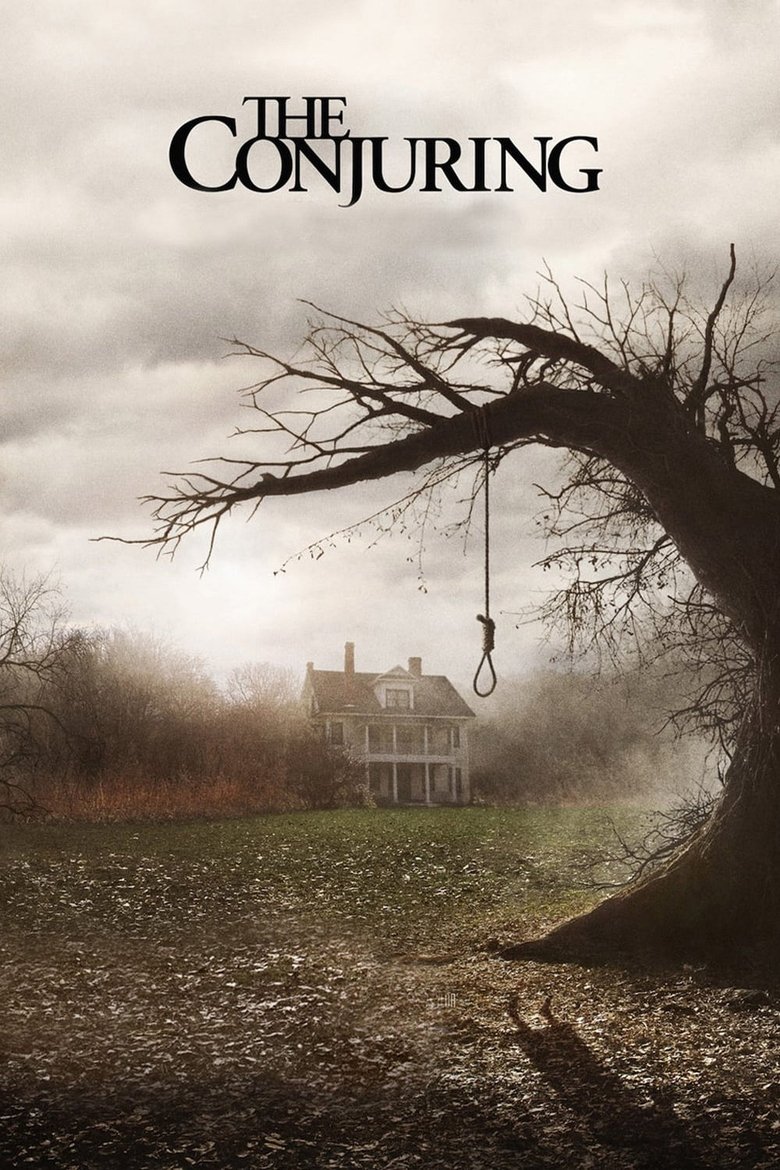
The Conjuring 2013
Wan builds his scares like magic tricks, telling you where to look and then making you wait. The clap in the dark and the wardrobe are why a whole cinema flinches on cue.

Sinister 2012
Derrickson hides the worst of it in Super 8 home movies watched alone at night, then pairs them with a sound design that scrapes. Those reels are what people say they cannot unsee.

Rosemary's Baby 1968
It frightens people who are not scared of monsters, because the threat is a lease, a marriage and a doctor's opinion. Half a century on it still plays like a documentary about not being believed.

The Omen 1976
Donner's reputation rests on Goldsmith's choir and a run of set-piece deaths staged with the calm of an accident report. Viewers still describe the nanny and the sheet of glass decades later.

The Silence of the Lambs 1991
Its fear concentrates in two scenes people can still describe from memory: a walk down a cell block and a basement lit in green. Hopkins is barely on screen and dominates the whole film.
![[REC] (2007) - film poster, directed by Jaume Balagueró](https://cabaneasang.tv/wp-content/uploads/castv/posters/rec-2007-jaume-balaguero-poster.jpg)
[REC] 2007
Among the rare films that frighten people just as badly on a second viewing, because a camera lamp is all that stands between the audience and the dark. Handheld panic with nowhere to cut away to.

Jaws 1975
Spielberg's shark is scarce and Williams' two notes are not, which is why the film still ruins swimming for people who know exactly how the trick works. Fear by withholding, then by yellow barrels.

Scream 1996
Craven frightens by proving that knowing the rules protects nobody, and the opening phone call is the sharpest ten minutes he ever shot. Self-awareness sharpened the knife instead of blunting it.
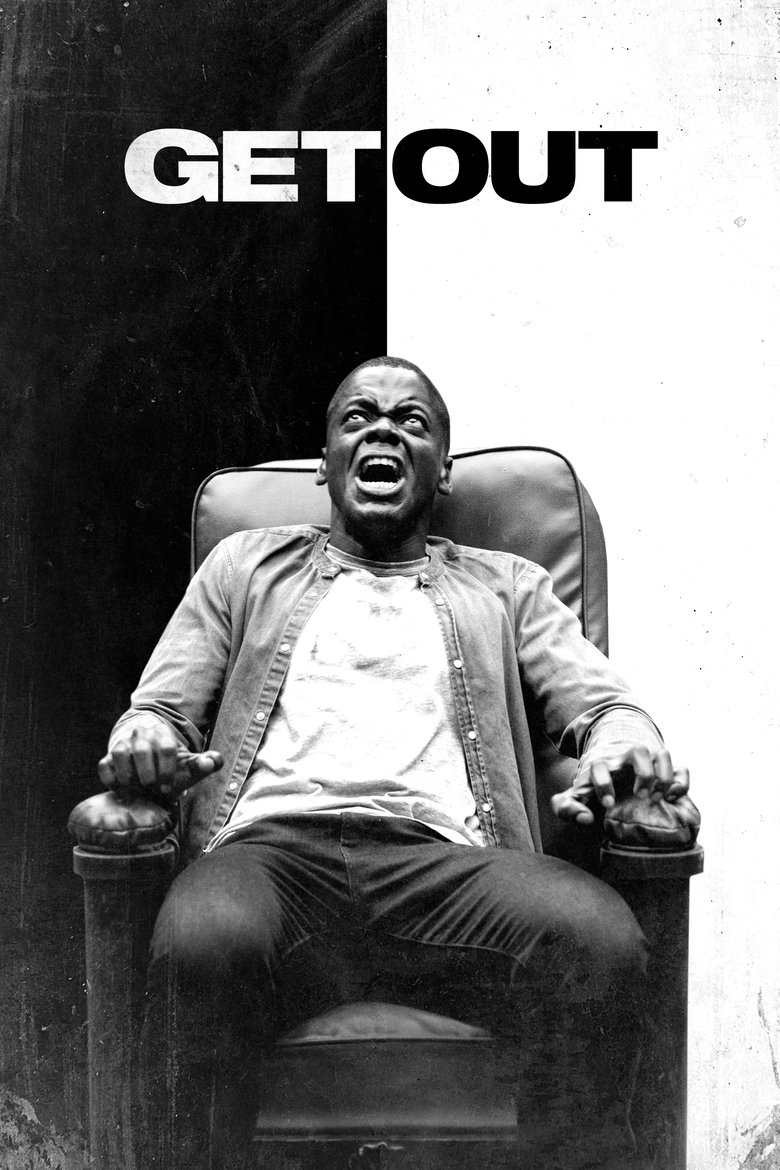
Get Out 2017
The moment audiences flinch at involves a teacup and a spoon, which is why it unsettled viewers who thought they were immune to horror. Its reputation rests on recognition rather than shocks.
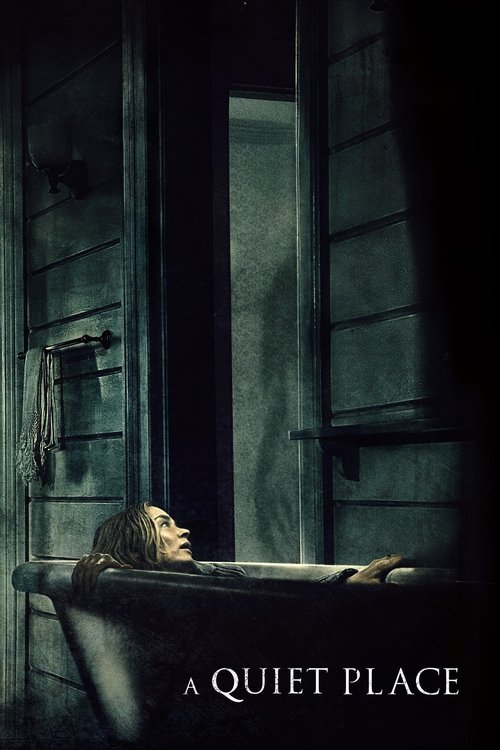
A Quiet Place 2018
Krasinski weaponises the auditorium: with the mix dropped to near silence, every cough in the room becomes a risk the audience shares. The scares work because you are keeping quiet too.