

Most Disturbing Horror Movies
"Disturbing" is more useful than "scary" because it names the feeling that remains after the film has stopped performing overt fear. A disturbing horror movie lingers by attacking moral comfort, bodily trust, social confidence, or the fantasy that representation has safe limits. The category is not identical with extremity. Some films get under the skin through suggestion. Others use blunt force. The important point is that they change the emotional air around you and do not restore it cleanly.
Watch these free right now


The most disturbing horror movies do not simply frighten; they compromise your preferred distance from what they show, through filth, cruelty, ambiguity or the unbearable proximity of ordinary human behavior. Disturbance is horror that keeps talking after the formal scare has ended, and these films never really lower their voices.
The films on this list
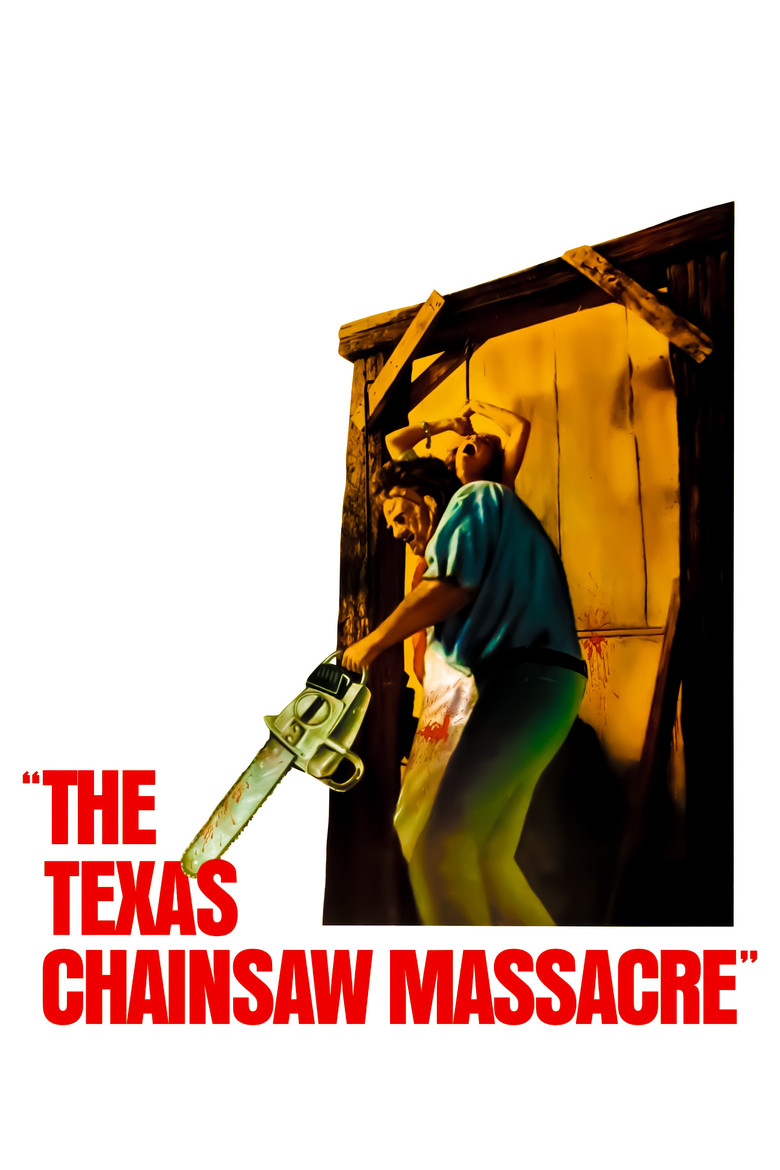
The Texas Chain Saw Massacre 1974
Tobe Hooper earns the top slot because the disturbance comes from atmosphere rather than graphic display. The film feels filthy, hysterical and socially diseased, leaving you contaminated by implication alone.

Eraserhead 1977
Lynch makes parenthood, industry, sex and bodily anxiety merge into one impossible nightmare object. It disturbs because it never grants stable interpretive ground; the whole world seems medically offended by your presence.

Possession 1981
Zulawski disturbs by emotional overexposure, letting divorce, political unease, sexuality and creature horror convulse together until psychological distance collapses. Isabelle Adjani's performance alone could justify inclusion.

Henry: Portrait of a Serial Killer 1986
McNaughton strips serial murder of glamour and leaves only banality, misogyny and routine cruelty. It disturbs because it offers so little interpretive comfort: no elegant frame, only repetition and damage.
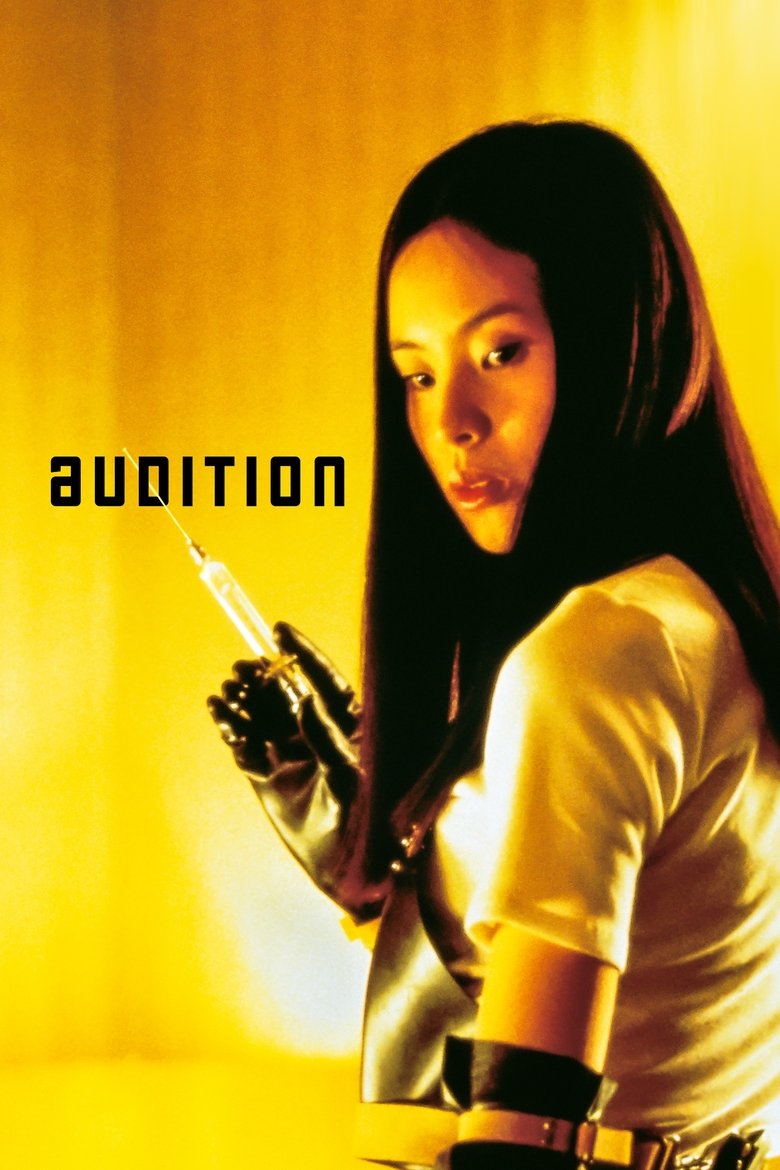
Audition 2000
Miike weaponizes patience, and the disturbing force lies not only in the famous violence but in how thoroughly the film dismantles the male fantasy that invited the audience in. Courtesy, loneliness and sadism share the same room for too long.

Inside 2007
Bustillo and Maury build their home invasion from grief and maternity, and the result is less shocking than corrosive. The film keeps finding ways to make bodily vulnerability feel personal rather than spectacular.
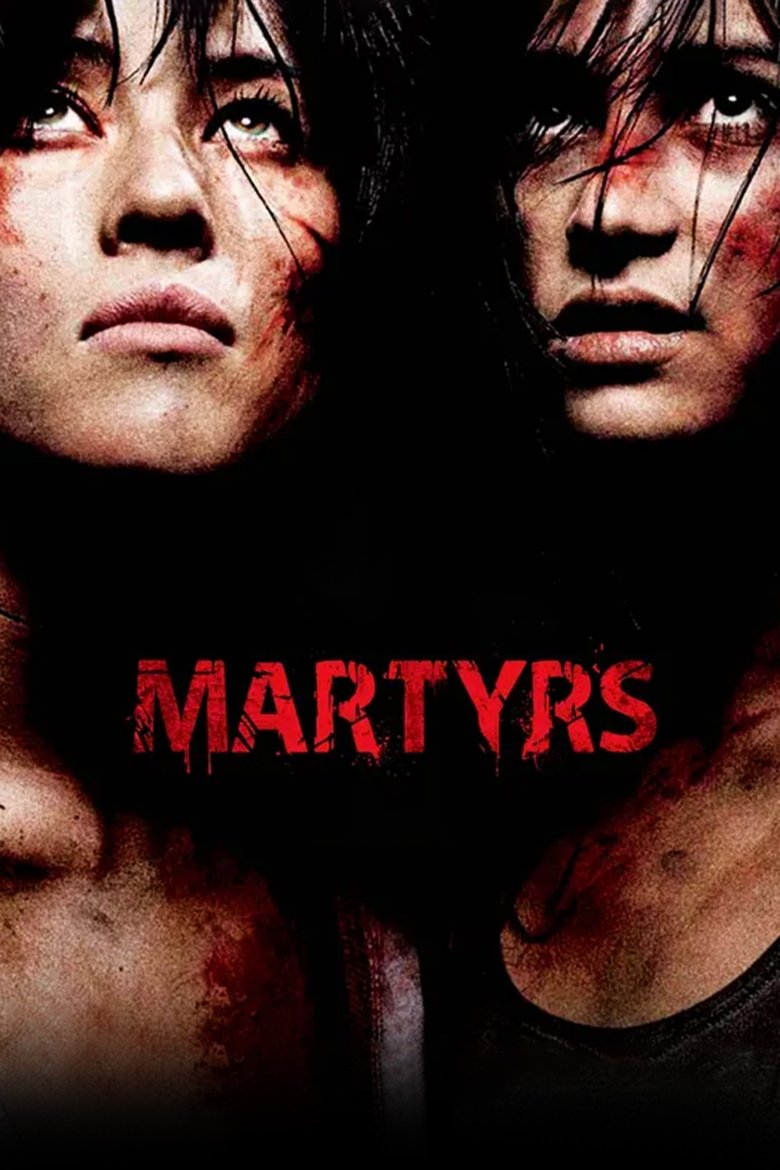
Martyrs 2008
Laugier pushes past simple endurance into institutional cruelty and metaphysical experiment, one of the century's defining arguments over what horror may do with suffering. Even viewers who reject it remember it with unusual clarity.

The Girl Next Door 2007
Communal complicity wounds more deeply than supernatural horror, and this film knows it. Drawn from material inspired by the Sylvia Likens case, it disturbs not through flourish but through the horrifying ordinariness of the people sustaining the abuse.
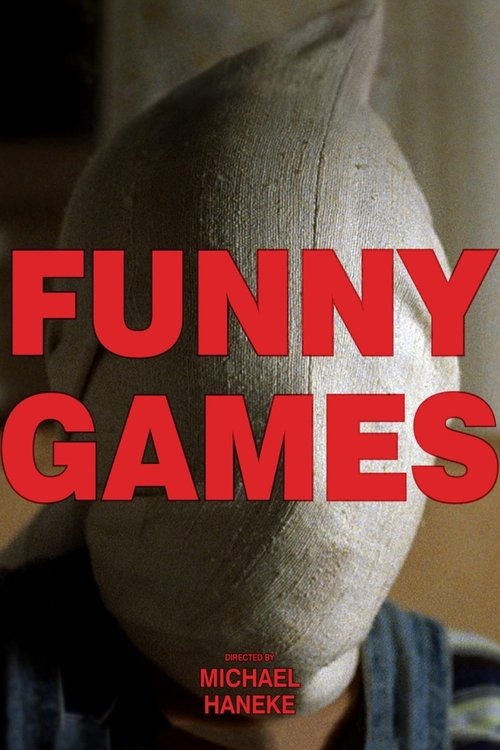
Funny Games 1997
Two intruders turn a family's captivity into games and repeatedly address the audience. Haneke makes the film disturbing by denying safe spectatorship, forcing entertainment and cruelty into the same frame.

The Vanishing 1988
Rex's search for his vanished girlfriend draws him toward the ordinary man who abducted her. The disturbance lies in calm method and obsessive need: understanding the crime becomes its final trap.

Antichrist 2009
A grieving couple retreat to a cabin and turn therapy into mutual terror. Von Trier makes bereavement, sex, nature and violence impossible to compartmentalize, producing disturbance through emotional exposure as much as injury.

Speak No Evil 2022
A Danish family's politeness keeps them inside a visit that becomes steadily intolerable. Tafdrup makes social compliance the disturbing mechanism, then follows it to an ending designed to deny relief.