Best Slasher Movies
The slasher is horror reduced to mechanism: a killer, a pattern, a space, an audience waiting for rhythm to turn into attack. That simplicity is misleading. The best slasher movies survive because they know how elastic the form is. It can be grimy, playful, suburban, urban, dreamlike, politically sour, or brutally literal. What matters is control. A slasher lives or dies on how well it organizes anticipation, release, and the nasty afterimage in between.
Watch these free right now


The best slasher movies prove that a simple machine can keep mutating. Carpenter made it abstract, Craven made it dream and talk, Hooper made it smell like collapse, and Aja made it rude again. The body count is never the whole story - the real art lies in how a film teaches you to wait for it.
The films on this list
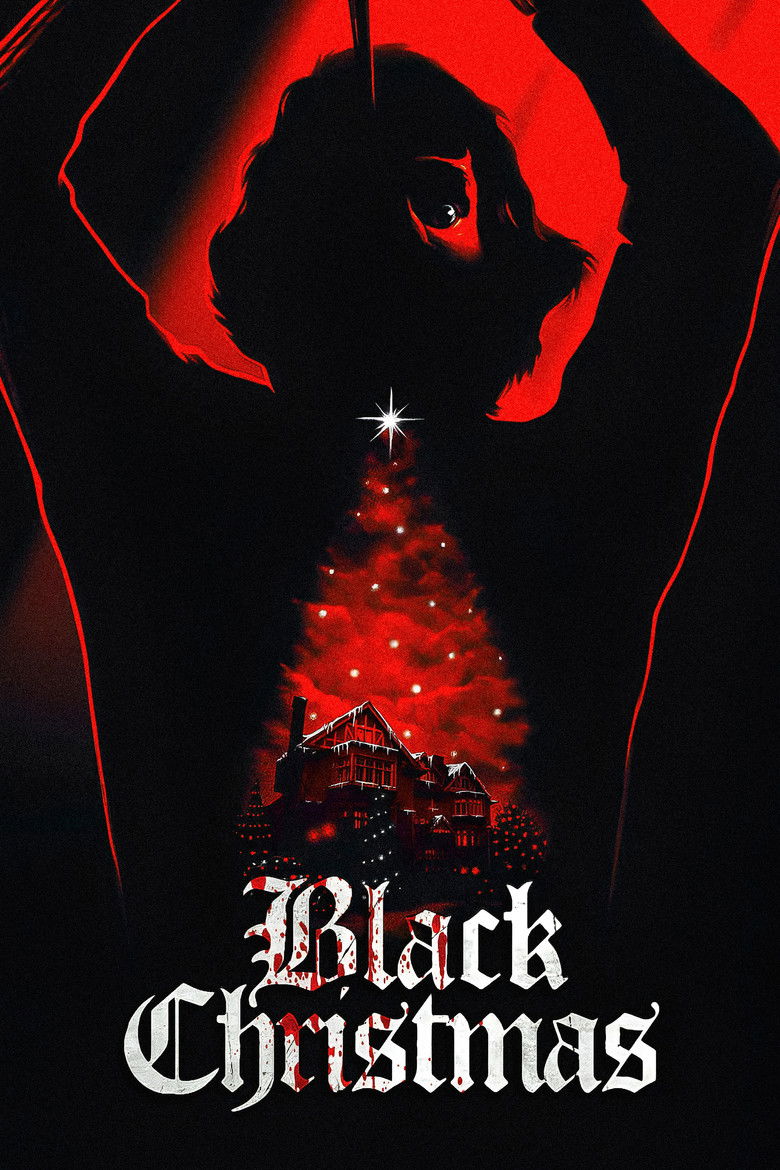
Black Christmas 1974
Bob Clark gets to the foundation early, where obscene calls and a sorority house make the stalking feel dirtier than many later body-count machines. It already understands that intimacy makes the threat worse.

Halloween 1978
Carpenter gives the form its cleanest grammar, timing suburbia, score and camera movement with total control. Michael Myers works because he is barely a character and almost pure force.
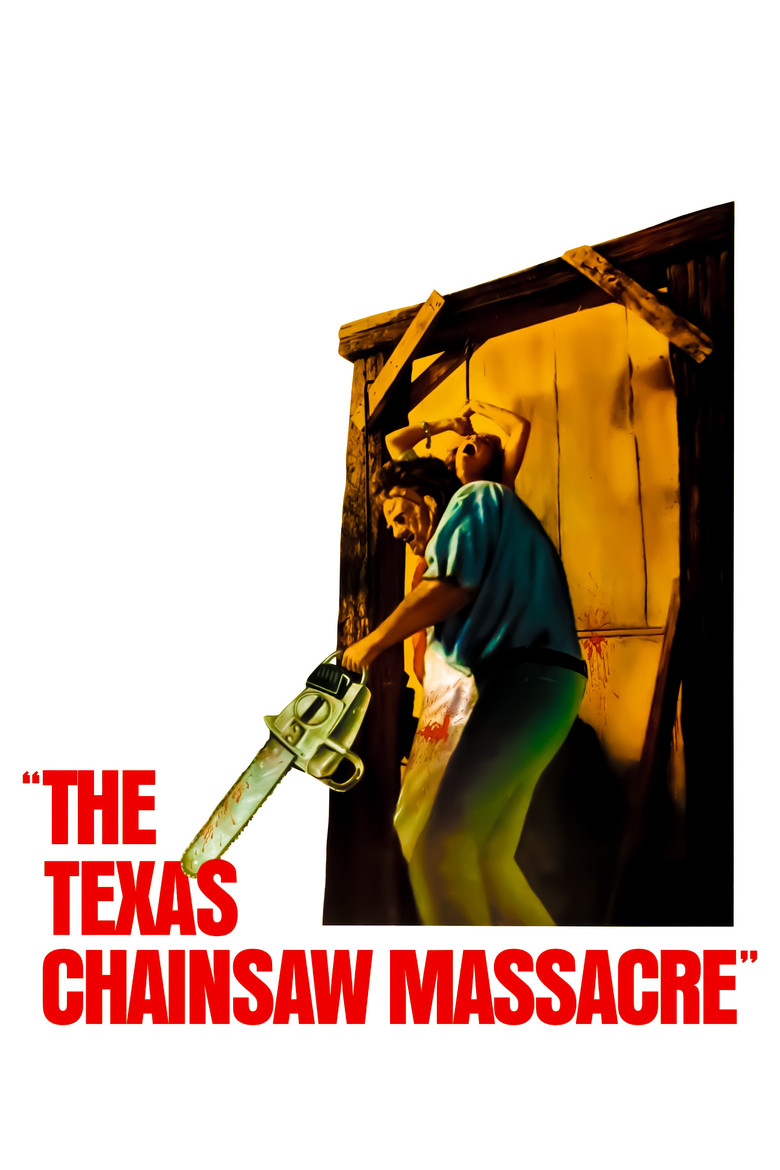
The Texas Chain Saw Massacre 1974
Hooper makes the film feel like a nation having a heatstroke, with Leatherface unforgettable and the family system around him turning the violence infrastructural. It exceeds the slasher label, yet the label owes it everything.

A Nightmare on Elm Street 1984
Craven keeps the form from hardening into repetition by moving the attack into sleep. Dream instability plus a killer who understands performance made the subgenre newly elastic.

Candyman 1992
Bernard Rose takes the stalking and body-count grammar and gives it mythic and social depth. Urban legend, race and public housing complicate the formula without dulling its hook-handed directness.

Scream 1996
Craven and writer Kevin Williamson know the rules well enough to mock them and still make them land. Self-awareness alone never saved a slasher - precision did.

High Tension 2003
Alexandre Aja reminds the form how ugly it can be, pushing violence and sensory assault to the front with no postmodern charm. Slasher mechanics have rarely been this blunt in the 21st century.

Psycho 1960
Hitchcock lays down the slasher's whole grammar at once: the protagonist dropped mid-film, the domestic space weaponised, the killer explained away by a clinical lecture. Everything after 1978 works from this floor plan.

My Bloody Valentine 1981
Mihalka swaps the summer camp for a mining town, and that working-class texture is what separates it from the 1981 glut: adults who go underground, a holiday nobody controls, gore the censors cut to ribbons.
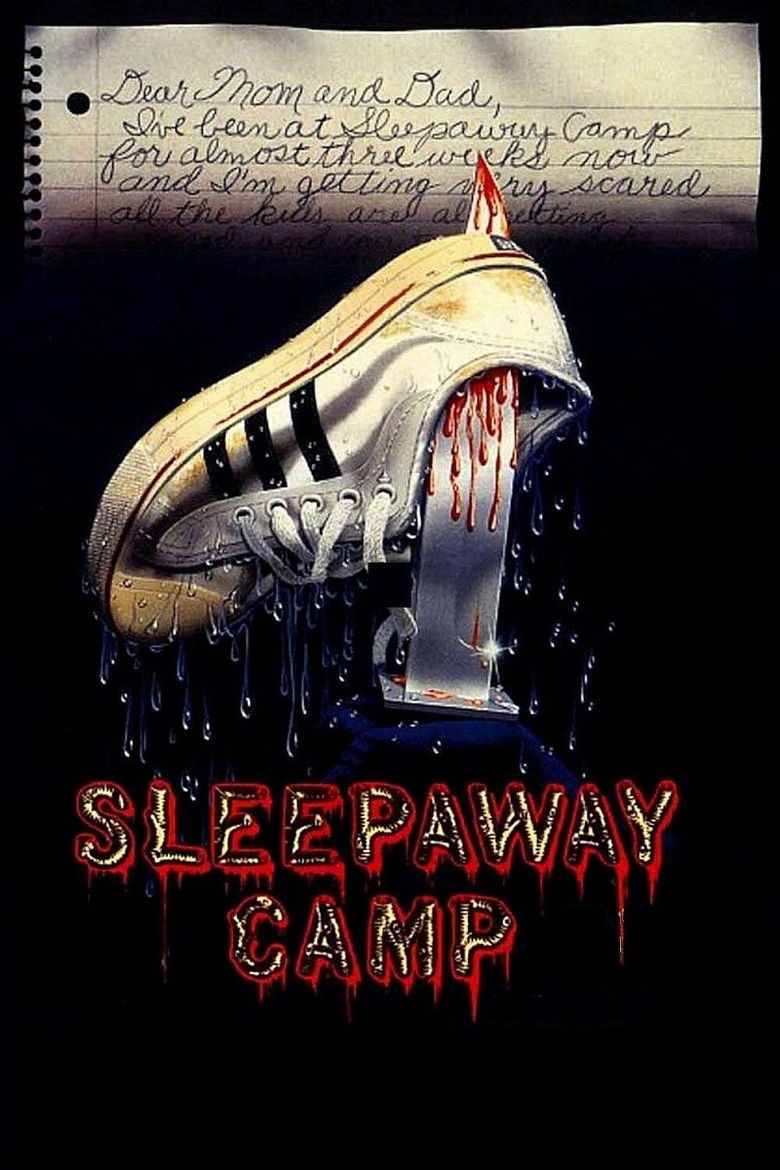
Sleepaway Camp 1983
Hiltzik's camp is genuinely hostile before anyone dies: the cruelty of children, the leering of adults, a flat regional ugliness no studio would have permitted. The awkwardness is not incompetence, it is the discomfort.

The Burning 1981
Maylam runs on Savini's craft and a campfire legend, and the best stretch abandons stalking altogether for one sustained daylight massacre. The killer stays a rumour instead of becoming a brand.

The Prowler 1981
Zito gives the 1981 cycle its most clinical entry: Savini kills staged with unhurried, almost surgical patience, and a returning-soldier premise that roots the violence in a war nobody in town mentions.

I Know What You Did Last Summer 1997
Williamson's other 1997 script takes the opposite road from Scream: no irony, guilt as the engine, a cast sold on magazine covers. The slasher rebuilt as teen melodrama with a hook in it.

Friday the 13th 1980
Cunningham built it to chase Halloween's money and accidentally fixed the industrial standard: a location, a date, a body count, one Savini set piece. Almost no ideas and enormous consequences.

Peeping Tom 1960
Powell mounts the blade on the camera and makes looking the crime itself, which is why 1960 critics ended his career over it. A proto-slasher indicting its own audience before the cycle existed.
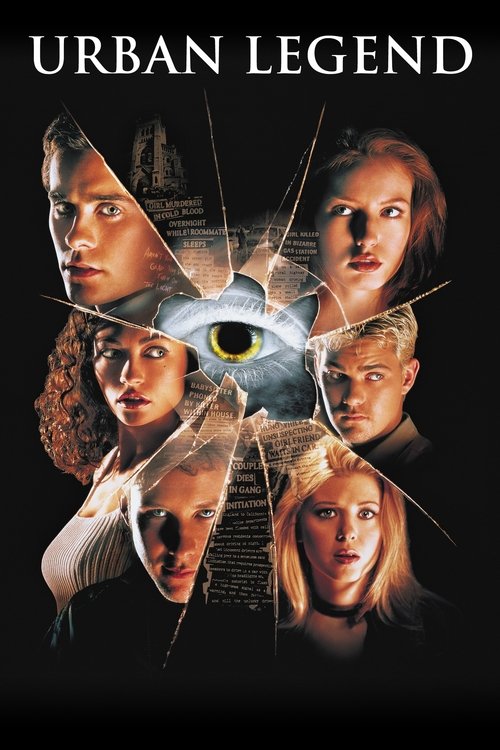
Urban Legend 1998
Blanks keeps the post-Scream machinery but trades film references for campus folklore, so every kill has to perform a story the audience already knows. The gimmick is sharper than the mystery around it.

Cherry Falls 2000
Wright inverts the cycle's punitive morality: if the killer takes virgins, then survival means having sex, and the town's teenagers act on it. The joke was pointed enough to get the film cut down twice.
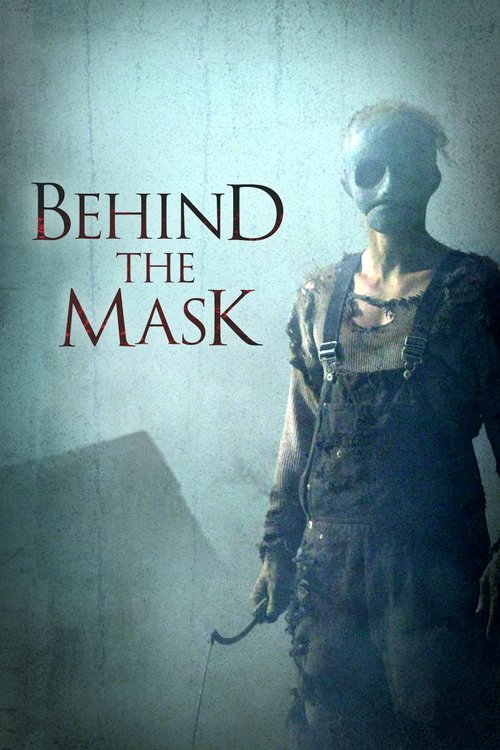
Behind the Mask: The Rise of Leslie Vernon 2006
Glosserman films an aspiring killer as a documentary subject who explains cardio, alibi and the construction of his own legend with the sincerity of a tradesman. The subgenre treated as a craft, not a myth.

X 2022
West shoots a 1979 porn crew in 1979 textures, then lets the horror come from age and appetite rather than a mask. Its cruelty is that both sides want exactly the same thing, decades apart.
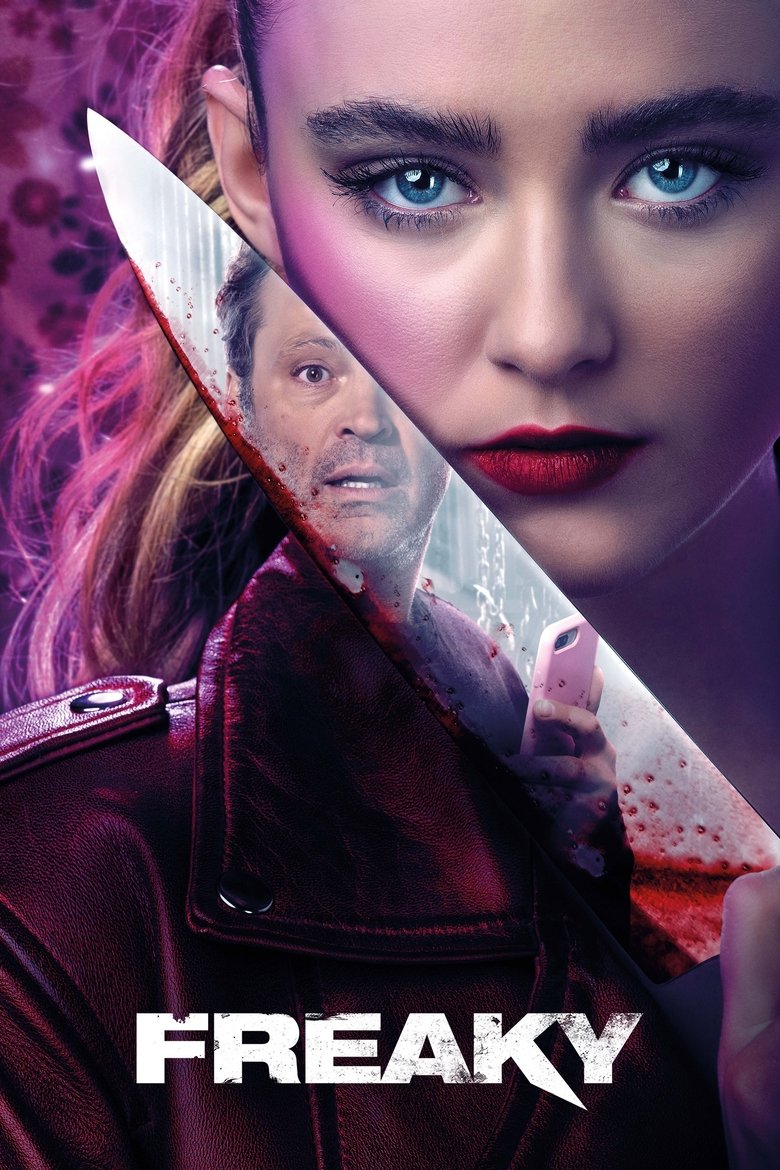
Freaky 2020
Landon feeds a body-swap comedy through slasher machinery and gets real value out of it: Vaughn playing a teenage girl, and a final girl who has to learn to move inside the thing that hunted her.

Prom Night 1980
Lynch cares less about kills than about a secret six friends have kept, so the film spends itself on dread and disco before the last reel turns violent. Curtis serves as pure post-Halloween capital.