
Horror Movies Based On True Stories
"Based on a true story" is one of horror's oldest pieces of salesmanship, but it is not meaningless. The phrase usually signals that a film has attached itself to a crime, a haunting claim, a court case, a tabloid legend, or a stretch of social trauma that audiences recognize as already half fictionalized in public memory. The useful question is not whether the movie is exact. It never is. The useful question is what the truth claim adds. In the best cases, it grounds the horror in institutions, histories, and scandals that make the fiction feel socially authenticated.
Watch these free right now

Horror movies based on true stories are always negotiating with disbelief. The strongest ones do not ask you to confuse fiction with documentation; they ask you to notice how quickly reality becomes a story once fear is involved, and how eagerly culture believes that story if it makes the dread feel official.
The films on this list

The Exorcism of Emily Rose 2005
Derrickson builds from the Anneliese Michel case and frames the film as both possession narrative and courtroom dispute, keeping law, medicine and faith in active conflict. The real interest is how belief becomes public evidence.
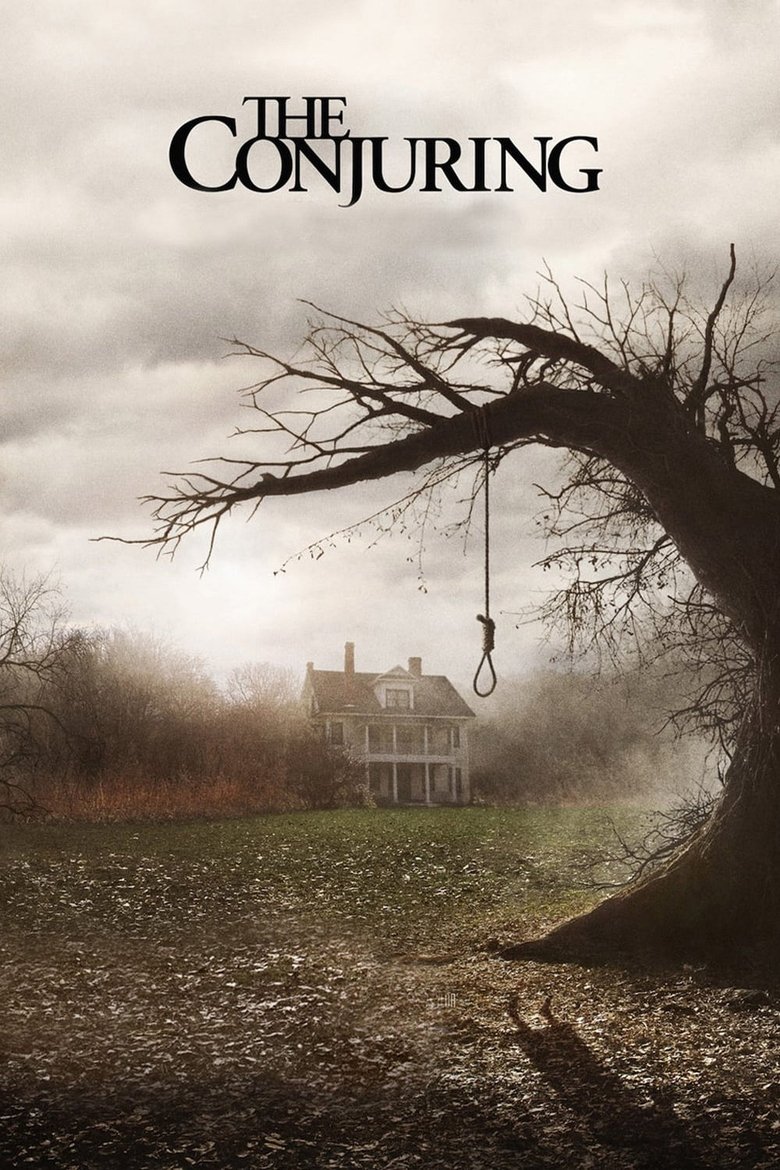
The Conjuring 2013
James Wan uses the Perron haunting and Warren case-file mythology as scaffolding for an exquisitely efficient haunted-house machine. Historical fidelity is not the point; the true-story rhetoric works like extra weather around the film.

The Amityville Horror 1979
Whether you treat the Lutz claims as fraud, folklore or profitable hybrid, the film draws force from a story that was already a media object before it became a movie. That loop between tabloid and haunting is the whole sell.

Henry: Portrait of a Serial Killer 1986
McNaughton takes loose inspiration from Henry Lee Lucas and drains away nearly all glamour, showing that true-story horror is not limited to hauntings. Real misogyny and casual brutality outdo any demon when the director refuses sensational polish.
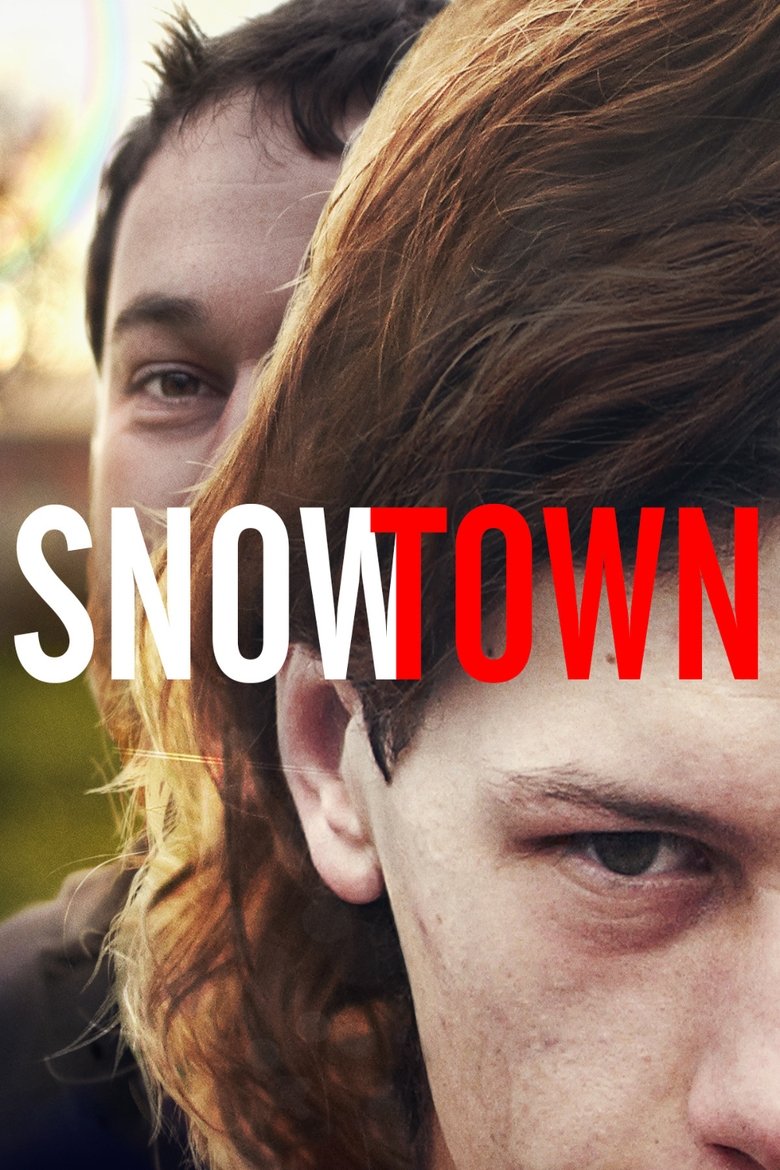
Snowtown 2011
Based on the Snowtown murders in Australia, Kurzel tracks grooming, coercion and social abandonment with disciplined dread. He never beautifies the crimes into thriller propulsion; he shows ordinary damage ripening into atrocity.
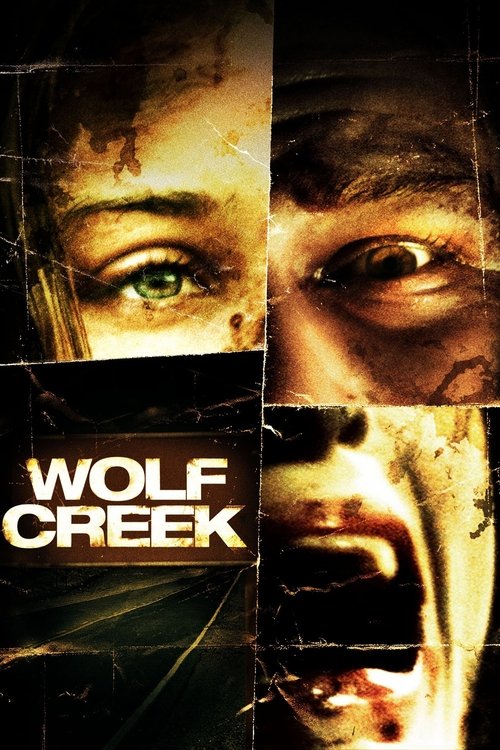
Wolf Creek 2005
McLean pulls from several Australian crime cases, including the Ivan Milat murders, and turns the outback into a zone of national vulnerability. The truth claim is loose but productive: the map itself might contain this violence.

The Girl Next Door 2007
Based on Jack Ketchum's novel drawn from the Sylvia Likens case, the film shows that the worst true-story horror often comes from communal complicity, not isolated madness. Ordinary people make the nightmare and keep it running.

Veronica 2017
Paco Plaza uses the Vallecas case in Madrid as a springboard for adolescent occult panic and domestic strain. The apartment feels lived-in and economically pressured before the supernatural intrudes, giving the true-story frame real weight.
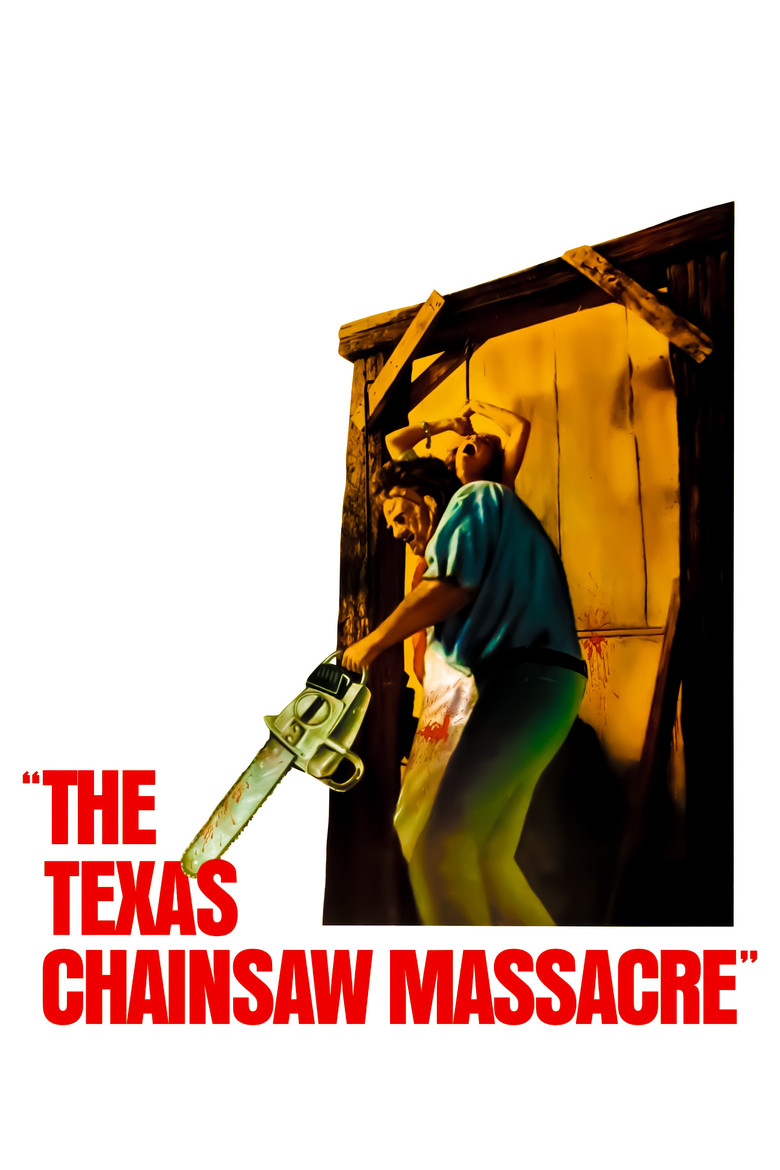
The Texas Chain Saw Massacre 1974
The opening narration sells documented atrocity; Hooper actually borrowed Ed Gein's furniture and invented everything else. The lie is part of the craft, and the film feels found rather than written.

Scream 1996
Williamson wrote it after a broadcast about the Gainesville murders unsettled him alone in a house, and almost nothing of that case reaches the screen. What survives is the reflex of watching crime as entertainment.

A Nightmare on Elm Street 1984
Craven took newspaper reports of Hmong refugees who died in their sleep and built a fiction on top of them. Freddy is pure invention; only the premise that sleep can kill you was reported fact.

The Exorcist 1973
Friedkin films Blatty's novel, which grew from the 1949 Roland Doe case, a boy's exorcism preserved in a priest's diary rather than in evidence. The film's power is procedural, not evidentiary.

Jaws 1975
Spielberg adapts Benchley, who had the 1916 Jersey Shore attacks somewhere far behind him and a fisherman's trophy shark closer to hand. Amity's real subject is a town council protecting revenue.

The Serpent and the Rainbow 1988
Craven takes Wade Davis's ethnobotanical fieldwork on Haitian zombification, tetrodotoxin and social death, then adds nightmare set pieces Davis never claimed. The research is real, the delirium is Craven's.

Zodiac 2007
Fincher adapts Graysmith and refuses the closure the genre expects, filming case files, handwriting and phone logs as the actual drama. It is a study of failed certainty, and the case is still open.

The Birds 1963
Du Maurier's 1952 story supplies the shape, and Hitchcock also held clippings about the 1961 Capitola shearwaters, birds sickened by algal toxin. Neither source explains anything, which is the point.

Poltergeist 1982
The Seaford case behind it collapsed under scrutiny, investigators circling back to the twelve-year-old living in the house. Hooper needs none of it: the terror is suburban property turning hostile.

The Strangers 2008
Bertino's source is a knock at his childhood door asking for someone who did not live there, and houses burgled that same night. No case file exists, and the flatness of motive is what the film keeps.

The Hills Have Eyes 1977
Craven built it on Sawney Bean, a Scottish cannibal clan historians read as broadside invention rather than record. A folk libel becomes a desert film about which family is the savage one.

The Mothman Prophecies 2002
Pellington adapts Keel's compilation of Point Pleasant sightings and phone calls, material that was always testimony rather than record. The Silver Bridge did fall, traced to a cracked eyebar, not an omen.
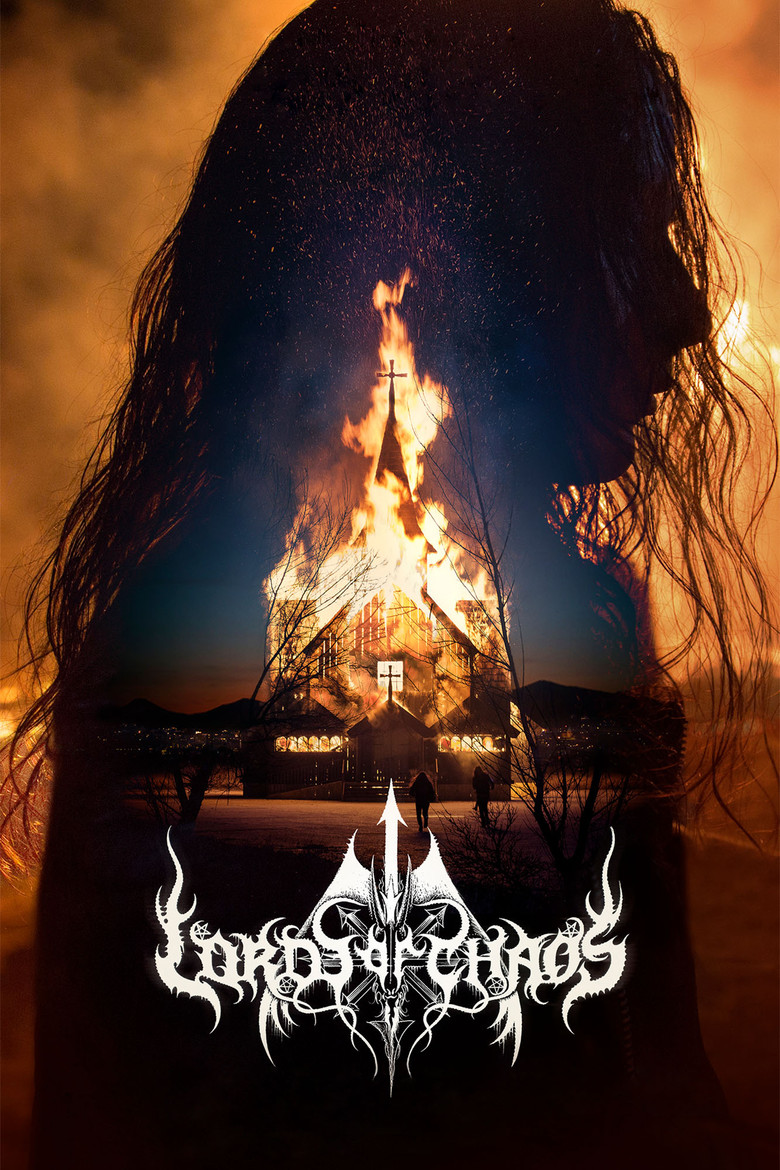
Lords of Chaos 2018
Åkerlund opens on the words based on truth and lies, honest about a source book the Norwegian scene has contested for decades. Court records anchor the killings; the interior lives are invention.
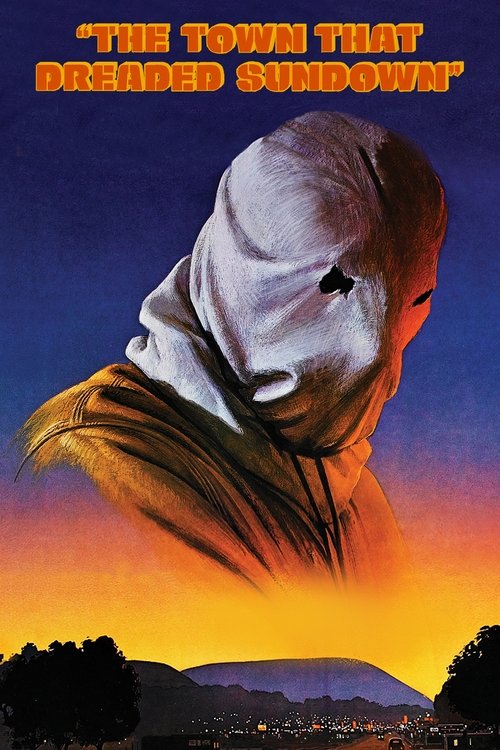
The Town That Dreaded Sundown 1976
Pierce shot in Texarkana with dates on screen and a newsreel voice, dramatizing five murders from 1946 that were never solved. The docudrama surface is his method and also his licence.

Dead Ringers 1988
Cronenberg reaches the Marcus twins through a novel, keeping the shared practice and the shared decline while discarding the reporting. What interests him is a body unable to tell where it ends.