Horror Movies Based On Books
Literature has always fed horror cinema, but adaptation in this genre is rarely about fidelity alone. A good horror adaptation does not simply illustrate the book. It translates dread into image, sound, pacing, and performance, then decides what to keep ambiguous and what to make physical. The best horror movies based on books often end up becoming the definitive versions of material that already worked perfectly well on the page. That is not betrayal. It is proof the nightmare survived translation.
Watch these free right now

The best horror movies based on books are not museum pieces. They decide what cinema can do that prose cannot: the held frame, the impossible sound cue, the body in space, the face that reacts half a second too late. Translation is most faithful when it stays alive enough to mutate.
The films on this list

Psycho 1960
Hitchcock turns Robert Bloch's novel into one of cinema's permanent shock systems, surpassing the source in cultural force through editing, architecture and performance. The book's bad conscience becomes pure film form.

Rosemary's Baby 1968
Polanski stays close to Ira Levin and still produces something chillingly singular, making apartment walls, social niceness and reproductive control into horror mechanisms long before the cult shows itself. Adaptation as pressure management.

The Exorcist 1973
Blatty adapted his own novel, but Friedkin is why the film feels this merciless, giving the bodily outrage a force prose could only imply while keeping the theological and procedural seriousness. That conversion remains a genre benchmark.

The Shining 1980
Kubrick famously diverges from Stephen King, which is the point. He keeps the hotel, the family and the psychic pressure, then builds a colder, more architectural nightmare: less loyal, more immortal.
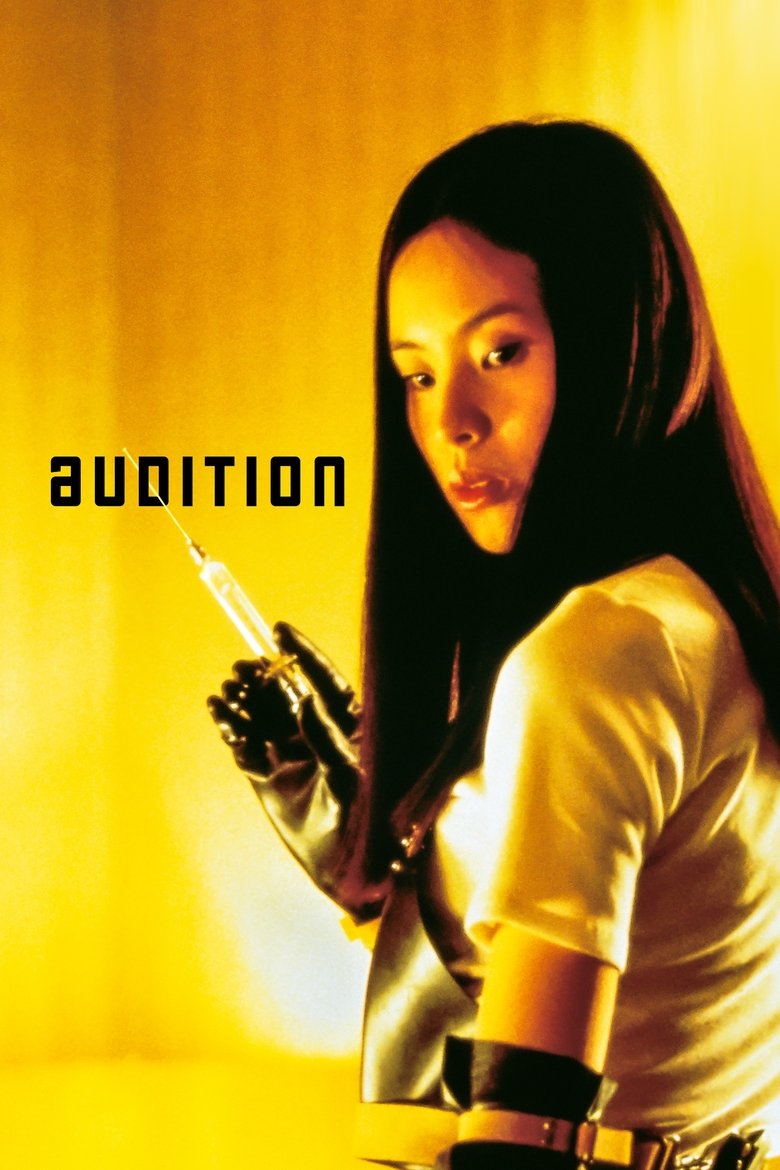
Audition 2000
Miike turns Ryu Murakami's novel into a masterclass in tonal betrayal, preserving the book's conceptual trap while changing the sensory rhythm of how it springs. The film's patience is part of the cruelty.

Let the Right One In 2008
Alfredson adapts John Ajvide Lindqvist with remarkable control, preserving the loneliness and cruelty while refining the atmosphere into icy precision. It proves horror adaptation can be gentle in tempo without becoming soft.
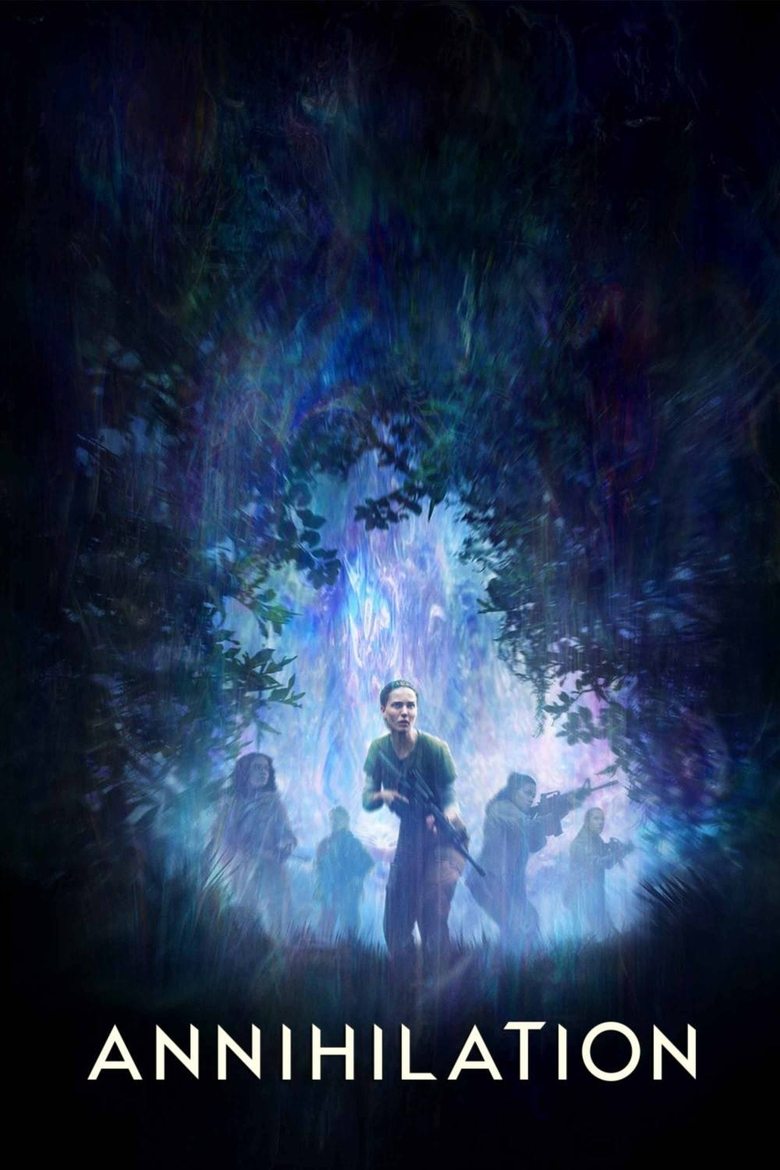
Annihilation 2018
Garland treats Jeff VanderMeer's novel less as blueprint than as mutating biological material, changing major elements yet capturing the essential cosmic unease. The adaptation is not a transcription but another organism grown from the same spores.

The Innocents 1961
Jack Clayton turns Henry James's The Turn of the Screw into a governess's crisis of perception. Every whispered accusation keeps the children poised between victims, conspirators and projections.
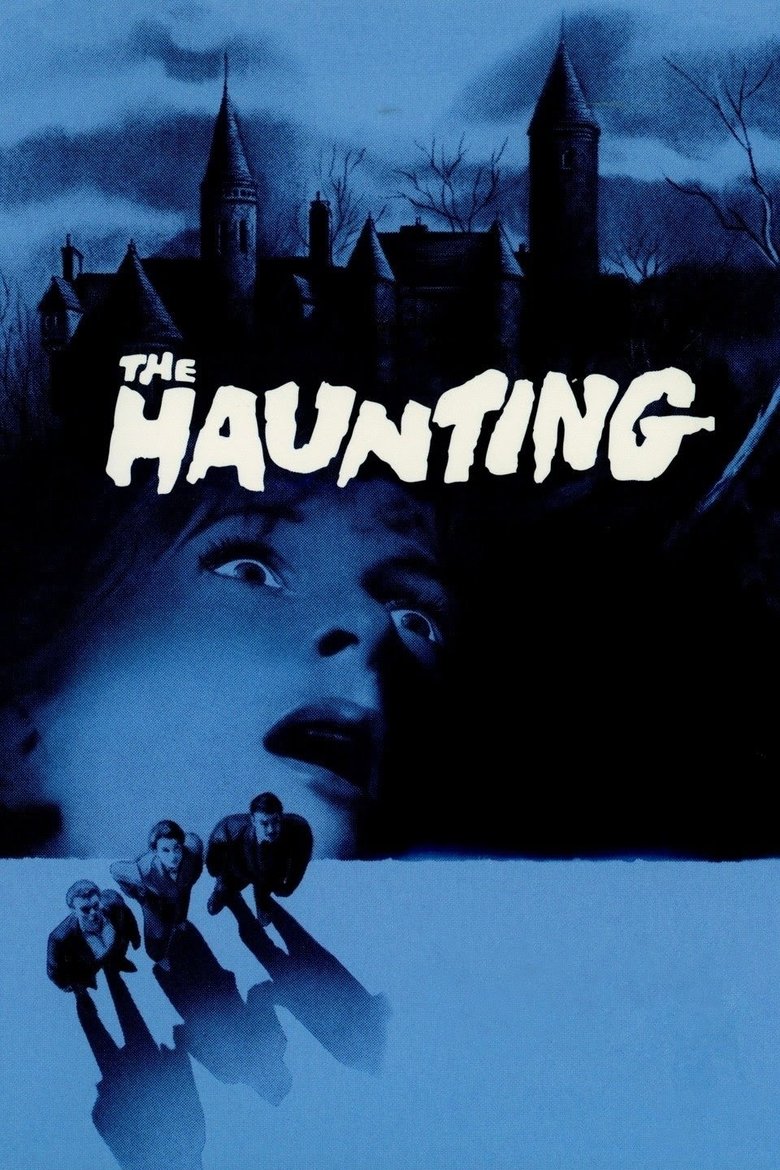
The Haunting 1963
Robert Wise draws Shirley Jackson's The Haunting of Hill House into Eleanor's unstable point of view. Hill House needs few visible ghosts when its corridors can steadily rewrite her sense of belonging.

Carrie 1976
Brian De Palma adapts Stephen King's Carrie as a collision between adolescent shame and telekinetic power. The prom devastates because its spectacle grows from humiliations made painfully intimate.

The Woman in Black 2012
James Watkins brings Susan Hill's The Woman in Black to Eel Marsh House, where widowed lawyer Arthur Kipps uncovers a vengeful ghost. Grief gives the adaptation weight beyond its apparitions.
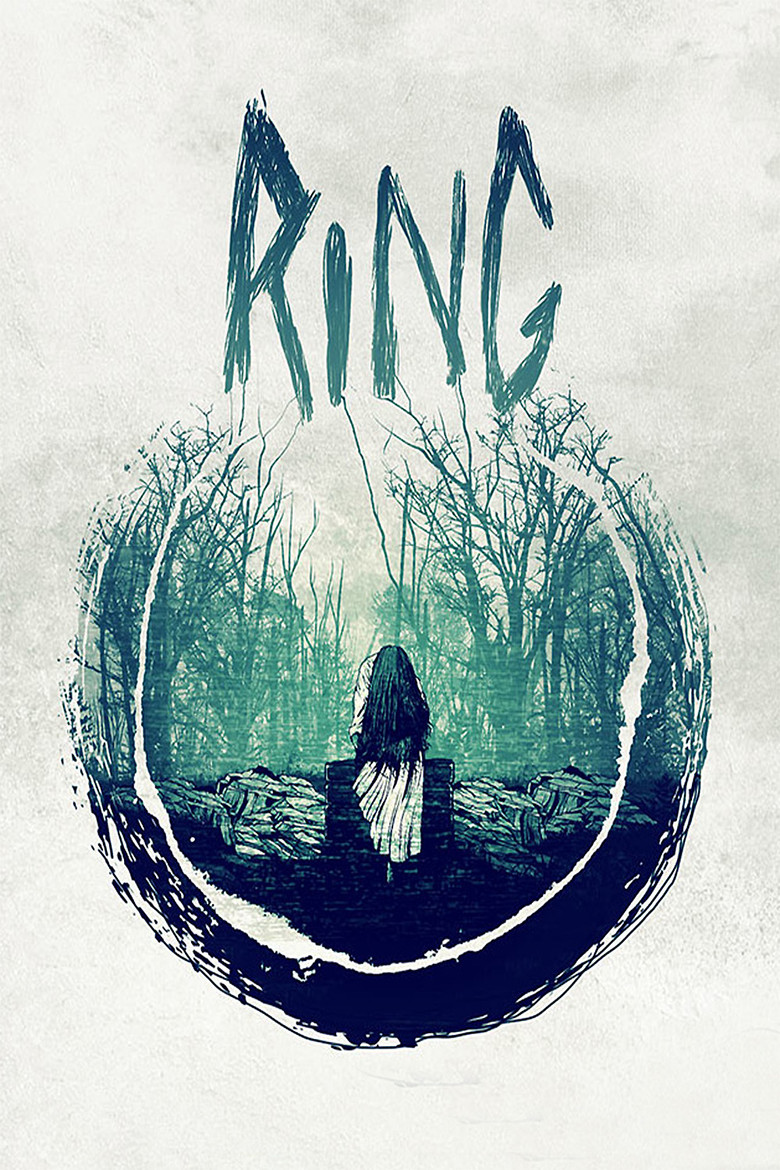
Ring 1998
Hideo Nakata condenses Koji Suzuki's Ring into an investigation driven by a cursed videotape. The adaptation makes ordinary playback equipment feel fatal, with each viewing carrying its own deadline.