Horror Films Women Directors
Horror directed by women is not a single subgenre, aesthetic, or political program. Treating it as one usually reveals a critic who has not watched enough of it. What the category does offer is a chance to track how women filmmakers have used horror to work on embodiment, rage, family structure, social performance, and genre pleasure without asking permission from a form that was never truly owned by men in the first place. The best horror films directed by women are varied, contradictory, and frequently more formally assured than the tokenizing discourse around them.
Watch these free right now


The best horror films directed by women do not ask to be admired for representation points; they demand to be watched as horror, as formal systems and bodily provocations and arguments about what the genre can hold. Bigelow, Denis, Kent, Amirpour and Ducournau all arrive by different roads, and none of them arrive quietly.
The films on this list

Near Dark 1987
Kathryn Bigelow turns the vampire film into a roadside crime-family picture with punk heat, muscular and romantic and cruel all at once. It needs no explanatory footnotes to prove reductive expectations pointless.

Trouble Every Day 2001
Claire Denis makes erotic hunger feel tired, intimate and physically degrading, with no interest in safe metaphors. It shows how art-cinema severity and horror appetite can coexist without either one diluting the other.

The Babadook 2014
Jennifer Kent gives grief, maternal exhaustion and domestic claustrophobia one of the decade's most durable monster shapes. The emotional truth and the creature logic keep strengthening each other instead of competing.

A Girl Walks Home Alone at Night 2014
Ana Lily Amirpour turns the vampire film into a lonely nocturnal drift full of gender inversions, pop cool and predatory tenderness. It never argues for its right to exist; its confidence is the argument.

Raw 2017
Julia Ducournau uses cannibal coming-of-age horror to make appetite, shame and family inheritance physically unavoidable. Conceptually sharp and gloriously bodily, it refuses the false choice between ideas and mess.

Titane 2021
Ducournau returns with a film too unstable, tender, metallic and indecent to fit the polite talk about the female gaze in horror. That is the point: the genre is strongest when it stops consenting to its tamest expectations.

Honeymoon 2014
Leigh Janiak turns a honeymoon ruined by strange occurrences into a slow-motion rupture of body and intimacy. Controlled space, sound and two committed performances make the marriage feel alien.

Evolution 2016
On Lucile Hadzihalilovic's island, a sickly boy subjected to strange medical procedures questions a society populated only by women and boys. Explanation stays scarce and unease does the work.

Prevenge 2017
Alice Lowe writes, directs and stars as a pregnant widow taking murderous instructions from her unborn child. Its deadpan revenge plot refuses every pious screen cliché about pregnancy.
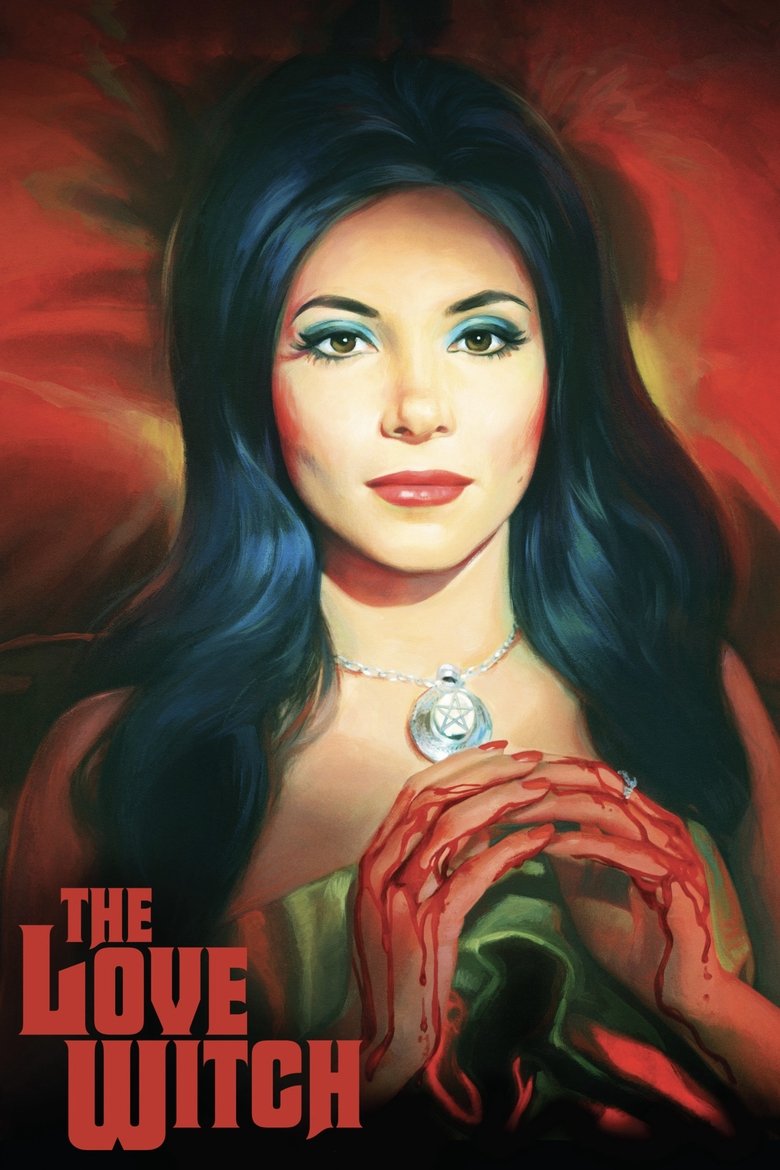
The Love Witch 2016
Anna Biller's witch brews desire in a handmade world of saturated colour, period décor and lethal romantic projection. The beauty is exacting; the narcissism underneath is merciless.

Good Manners 2017
A live-in nanny discovers strange behaviour and unexplained bloodlust in her wealthy, pregnant employer. Juliana Rojas and Marco Dutra bend class satire, fairy tale and body horror around their growing bond.

Black Christmas 2019
Sophia Takal rebuilds the sorority slasher around sisterhood, campus power and organized misogyny. It is openly polemical and far stranger than a routine remake.