
Best Zombie Movies
Zombie horror is one of the genre's most durable machines because it always arrives carrying another crisis with it. Consumerism, plague, militarism, colonial guilt, family breakdown, class panic, pandemic boredom - the undead can hold all of it. The best zombie movies are not just about reanimated bodies. They are about systems already rotting before the dead start walking. That is why the subgenre keeps surviving its own overproduction. When the metaphor is this flexible, somebody eventually remembers how to make it bite again.
Watch these free right now


The best zombie movies keep changing the pressure point while preserving the same rude lesson: society was always flimsier than it looked. Romero knew it in black and white, Fulci in rot, Boyle in speed, Yeon in class and motion. The dead stay useful because the living keep doing half the work for them.
The films on this list

Night of the Living Dead 1968
Romero establishes the modern rules by refusing comfort: raw, political, and ruthlessly clear about how fast social order fails under pressure. The ending alone would secure its place, and the whole film rewrote the subgenre.

Dawn of the Dead 1978
Romero expands the form into satire without diluting the dread, turning the shopping mall into a mausoleum for consumer habit and letting apocalypse become routine. Few zombie films balance gore, comedy, and social clarity this well.

Zombie 2020
Fulci gives the undead tropical rot and dreamlike nastiness; if Romero is the political architect, Fulci is the poet of decomposition. The film feels diseased before anything attacks, and that atmosphere matters as much as the famous eye trauma.

Day of the Dead 1985
Angrier, uglier, and more claustrophobic than its predecessors, which is why its reputation has grown. The bunker setup strips away public satire for authoritarian collapse and the grim chance the dead are learning faster than the living.
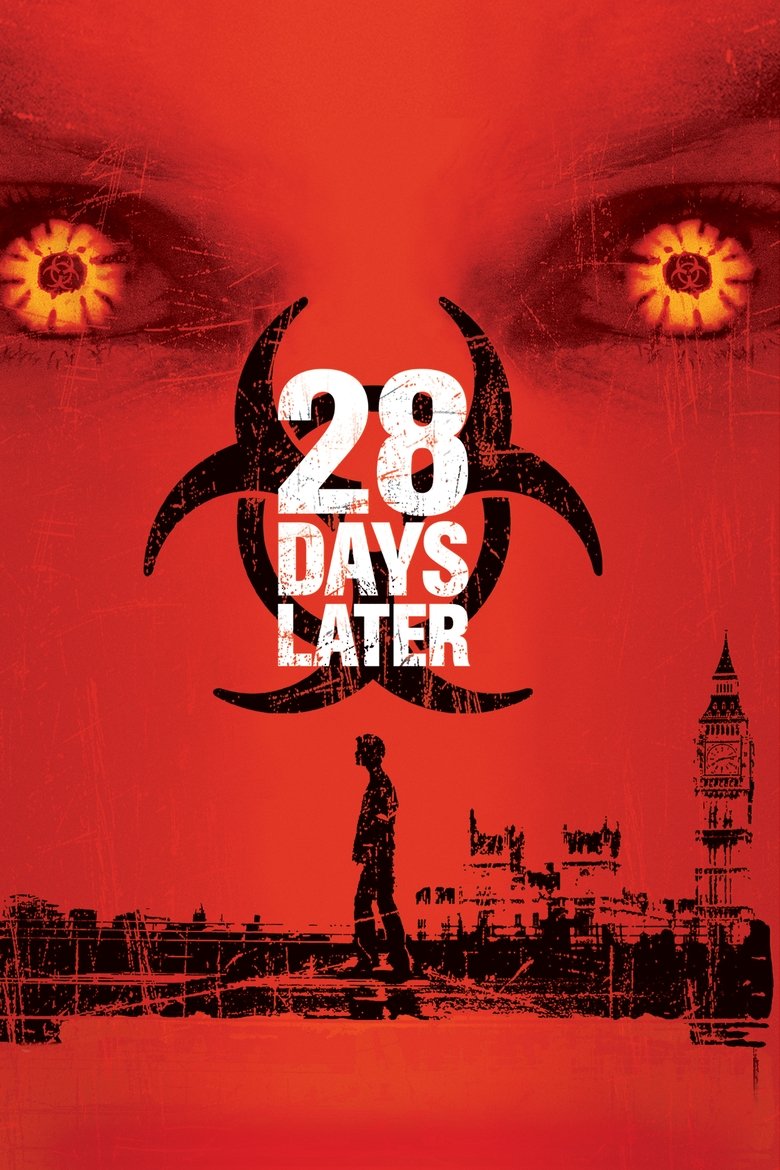
28 Days Later 2002
Boyle technically gives us the infected rather than the classic undead, but the genre absorbed it instantly, reviving outbreak horror with digital urgency and empty-city unease. It changed the speed of the whole form.
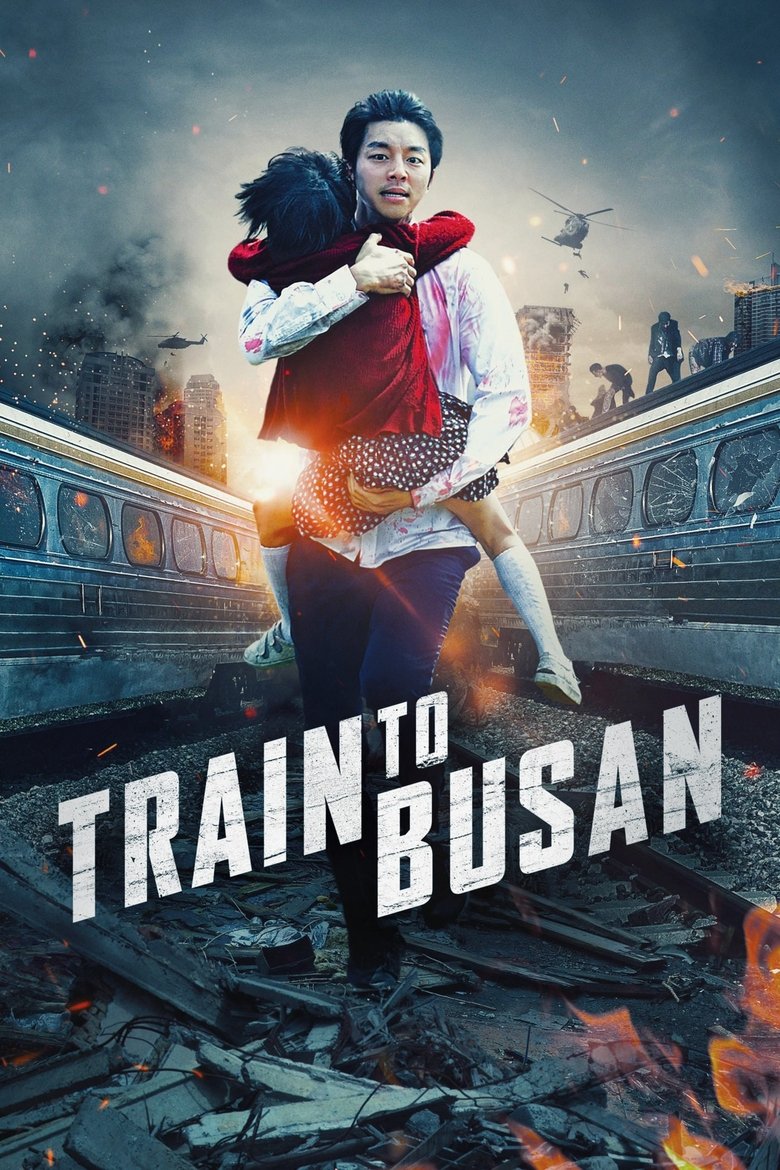
Train to Busan 2016
Yeon compresses class anxiety, parental failure, and sacrificial heroism into a single bullet train, the immaculate action powered by how sharply it reads selfishness as a crisis accelerant. Here the system exposed is speed itself.
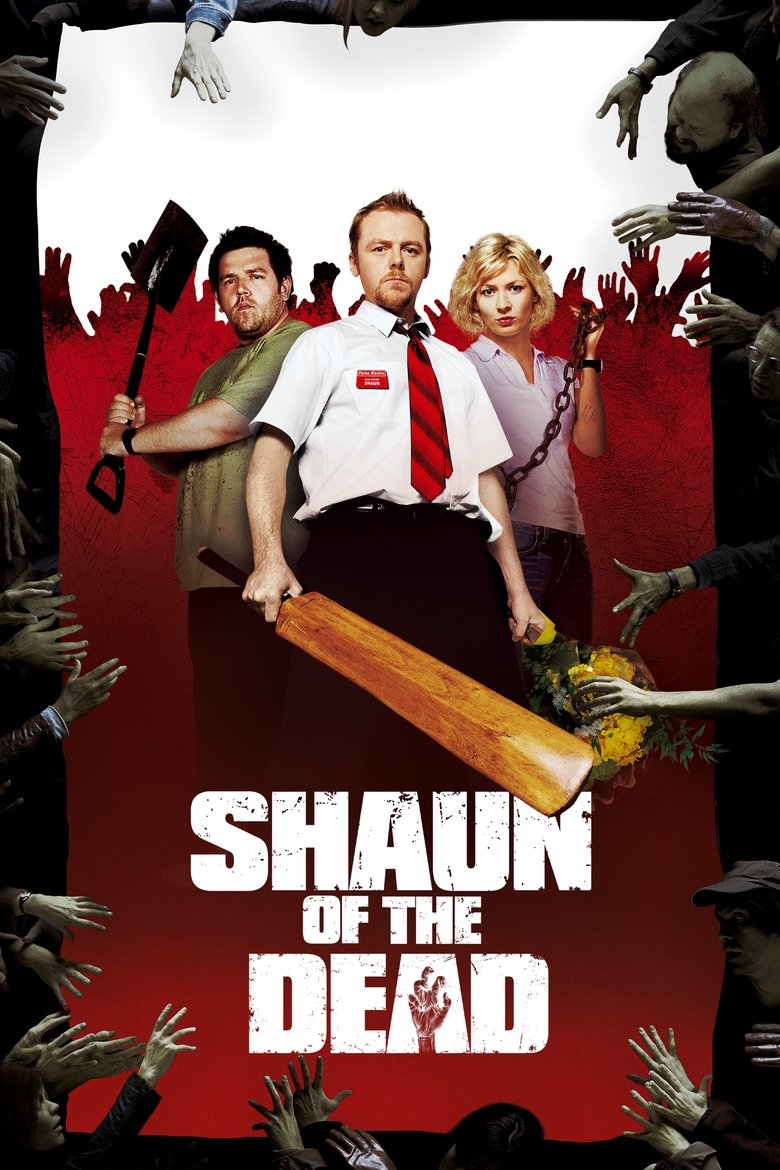
Shaun of the Dead 2004
Wright films the apocalypse as an interruption to a life already stalled, where the hard task is admitting adulthood rather than swinging a cricket bat. The gags and the grief share one edit.

Re-Animator 1985
Gordon turns reanimation into a problem of career advancement, with West treating corpses as lab equipment and colleagues as obstacles. The comedy comes from ambition, not from the mess.
![[REC] (2007) - film poster, directed by Jaume Balagueró](https://cabaneasang.tv/wp-content/uploads/castv/posters/rec-2007-jaume-balaguero-poster.jpg)
[REC] 2007
Balagueró and Plaza seal a news crew inside a quarantined building and make the camera light the only thing on their side. Infection climbs floor by floor, which turns architecture into a countdown.

The Return of the Living Dead 1985
O'Bannon rewrites the rules with corpses who run, talk and can explain what they want, then pins the outbreak on military housekeeping. Punk soundtrack, bureaucratic cause.
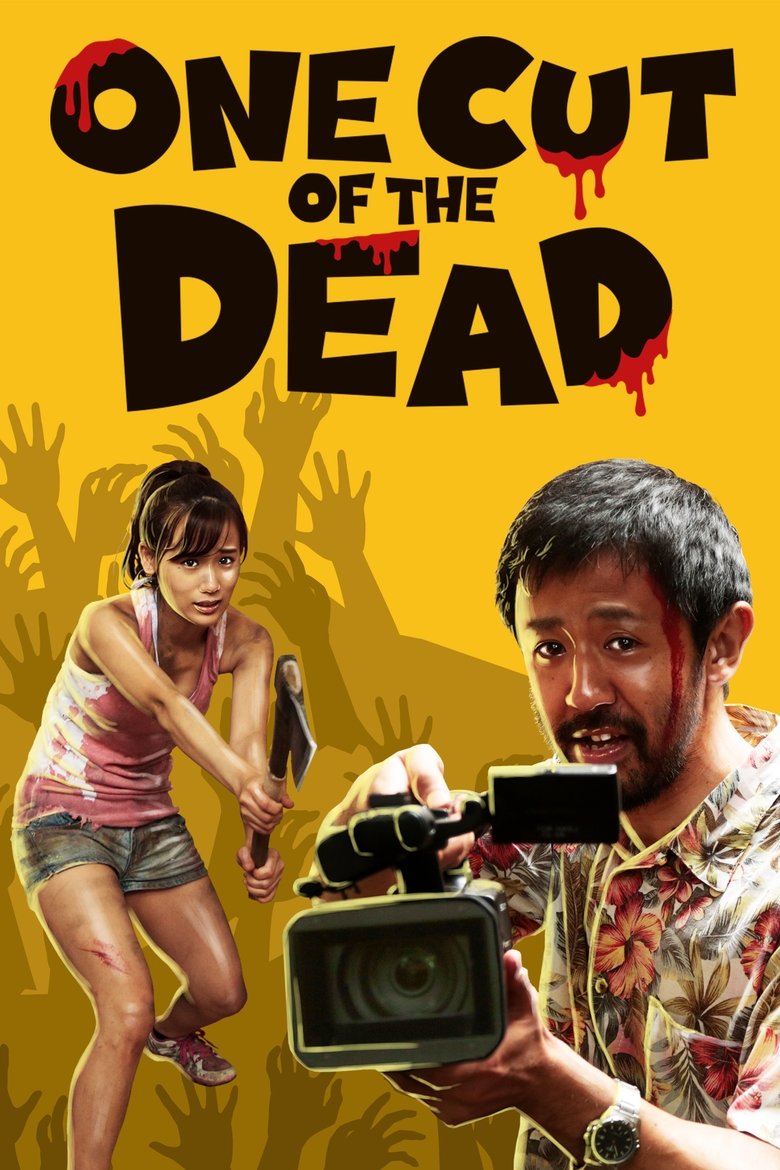
One Cut of the Dead 2017
Ueda uses the outbreak as a pretext to film the desperation of a shooting crew, where the real monster is a schedule. Its structure rewards patience in a way no synopsis can convey.
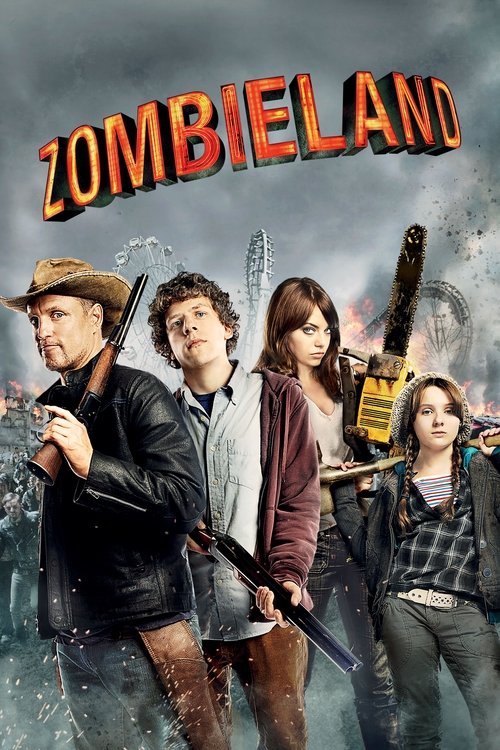
Zombieland 2009
Fleischer reduces survival to a list of rules and road-trip banter, betting the audience knows the genre well enough to laugh at its own reflexes. Family here is assembled rather than inherited.

Braindead 1992
Jackson escalates until gore stops shocking and becomes slapstick arithmetic, all of it powered by a mother who refuses to release her son. The lawnmower is only the punchline.

Dead Snow 2009
Wirkola sends students to a cabin that owes something to 1945, so his undead arrive with a claim rather than an appetite. Snow, plunder and occupation memory, played for splatter.
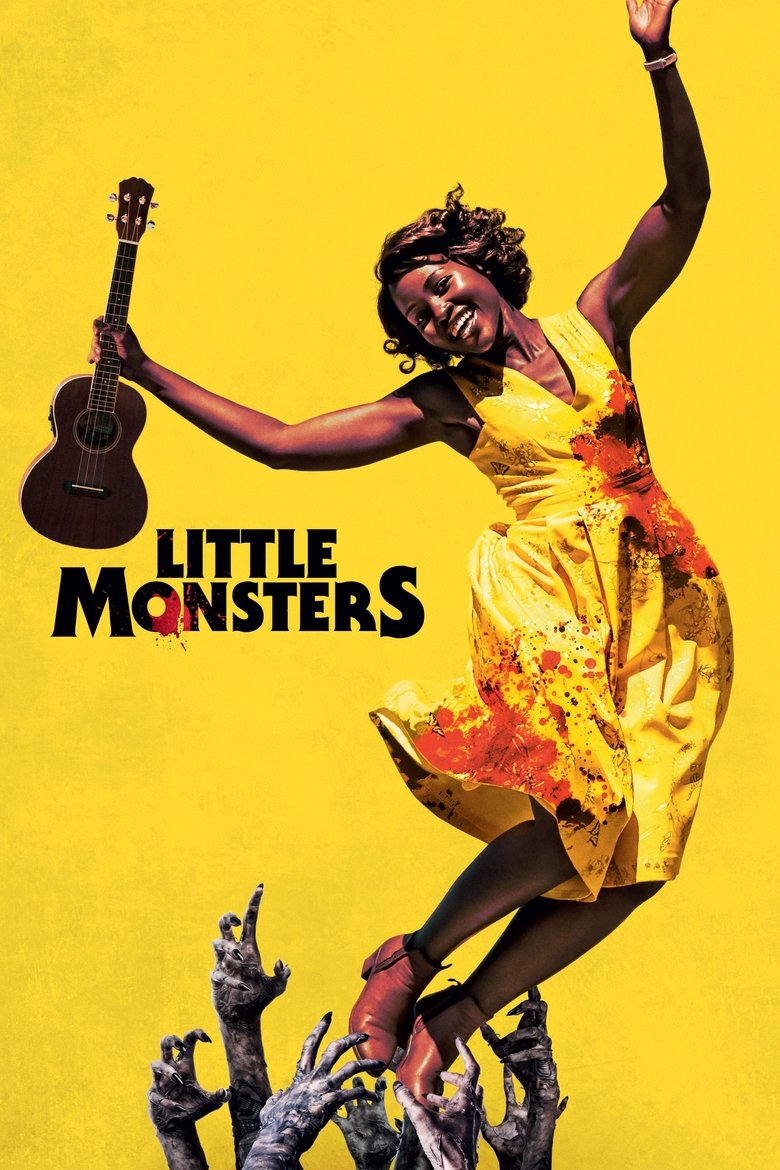
Little Monsters 2019
Forsythe puts Nyong'o between a class of five-year-olds and an outbreak, and finds that keeping children calm is harder work than killing anything. Sincerity carries it further than the jokes do.

Zombie Flesh Eaters 1979
Fulci frames the outbreak as something the West sails out to collect, with a Caribbean island supplying the dead and Manhattan receiving them. The rot is imported and the dread is colonial.
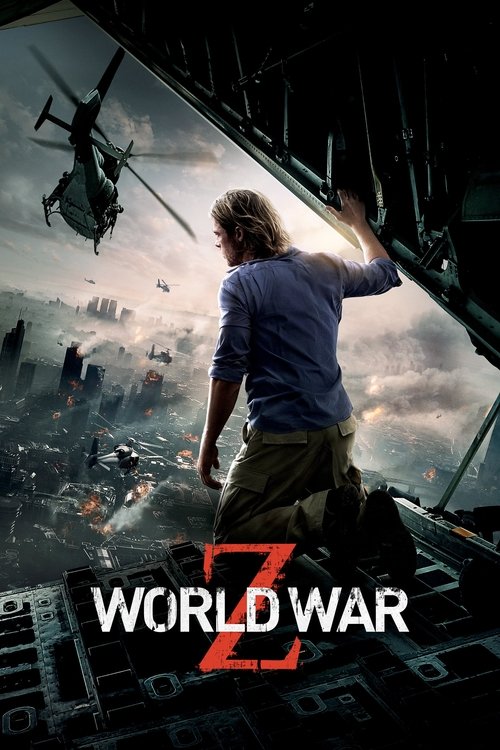
World War Z 2013
Forster scales the outbreak up to logistics and epidemiology, treating the swarm as a fluid that finds the gaps in any wall. The horror is institutional: no city, army or plan holds.

The Girl with All the Gifts 2016
McCarthy takes the infection seriously as biology and asks what a species owes the one replacing it. Melanie is studied, chained and taught, which makes the classroom scenes the tense ones.
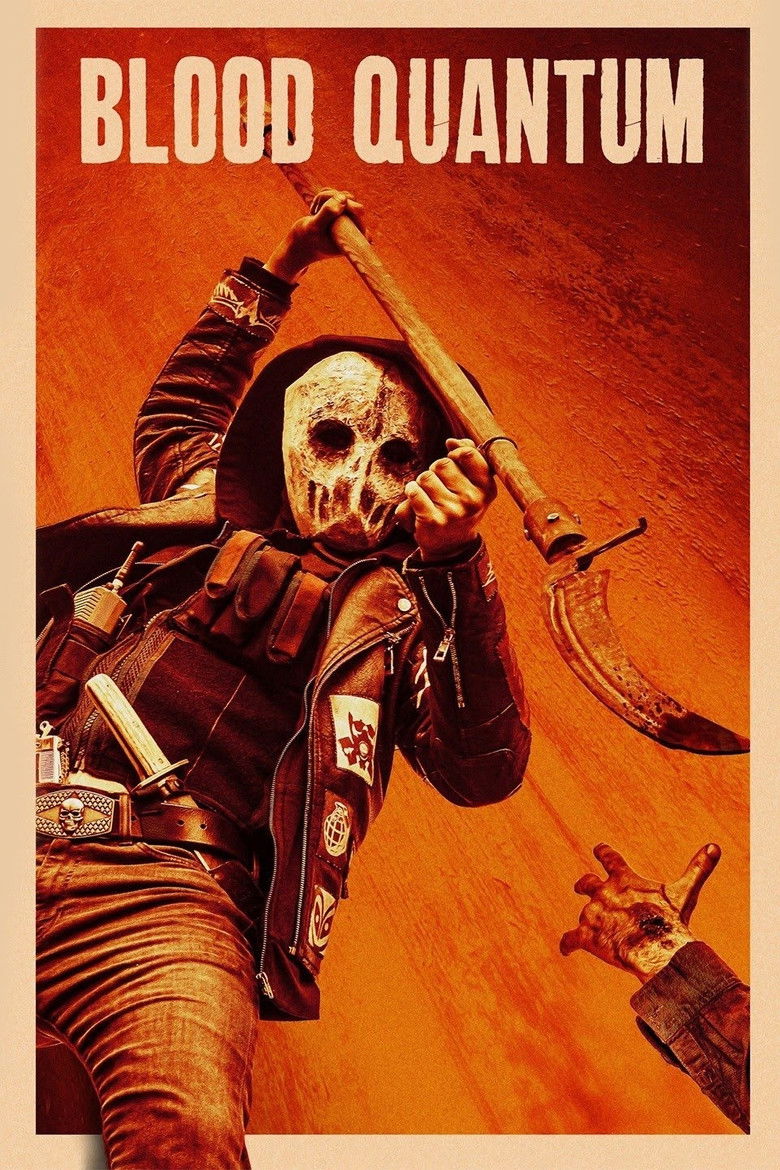
Blood Quantum 2019
Barnaby grants immunity to the Mi'gmaq of Red Crow and lets the reserve decide who gets through the gate. The question of who is owed shelter has centuries behind it.
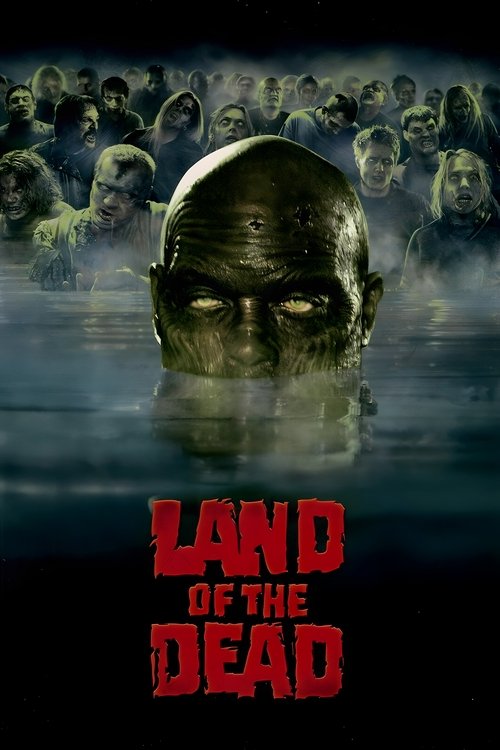
Land of the Dead 2005
Romero moves the living into a fortified tower with luxury condos above and a slum below, and grants the dead the beginnings of memory. Class, not contagion, decides who is expendable.

Versus 2000
Kitamura throws yakuza, gunplay and swordfights into a forest where the dead refuse to stay down, choosing momentum over coherence every time. A stunt reel with a mythology bolted on, and it moves.