
The 21 Best Turkish Horror Movies
Turkish horror runs on a different metaphysics than the one most viewers bring to it. The threat is usually a jinn, a created being the Qur'an places alongside humanity rather than beneath it, and the response is ruqya: recitation, by a hoca, from scripture. There is no bishop to authorise anything and no dossier waiting for approval.
That difference shapes the plots. Where the Catholic possession film is a procedural about permission, the Turkish one is about debt. Someone commissioned harm, usually inside the family, and the sorcery invoices whoever stands nearest. Hasan Karacadağ's Dabbe films are the central body of work here; Alper Mestçi's Siccîn series is the other half of the argument.
How this list was built
Three traditions run through it. The oldest is Yeşilçam: Drakula İstanbul'da in 1953, working from Ali Rıza Seyfi's Turkish Dracula rather than Stoker's, and Metin Erksan's Şeytan in 1974, a shot-for-shot Exorcist that quietly replaces the Jesuits with an imam. These were not naive imitations. They were fast, cheap and entirely aware of what they were doing.
The second is the cin cycle, which began commercially with Büyü and Okul in 2004 and has not stopped since. Hundreds of films, most shot in weeks, organised around a named jinn, a sorcerer for hire and a family that already owed something. We ranked the ones that think with the belief system rather than decorate with it, and kept a few later titles to show what the cycle became once it industrialised.
The third is the festival lane: Can Evrenol's Baskin out of Toronto, Orçun Behram's The Antenna out of Toronto, Kutluğ Ataman's occult Istanbul picture long before his video-art career. Films made with an international audience in view, which changes their register without making them less Turkish. Titles are given in Turkish with the English release name attached, because those names vary by territory and the Dabbe numbering in particular does not agree with itself.
The films on this list

Baskin 2013
Five cops answer a call and drive into an Ottoman-era station full of cultists. Evrenol works in Fulci reds and greens, and the Father's line about carrying hell with you at all times is the film's entire thesis.
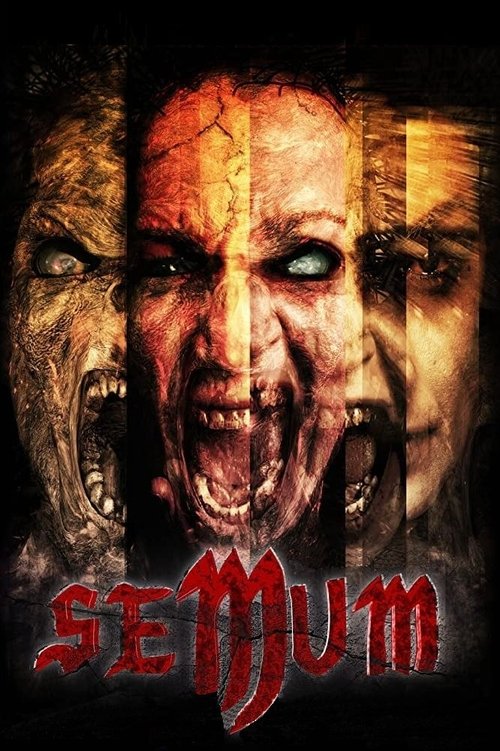
Semum 2008
This is where Karacadağ named his own genre: Turco-Islamic horror. The entity is Azazil, the counterweight is a hoca, and the argument is theological rather than folkloric, staged inside a secular Istanbul apartment.
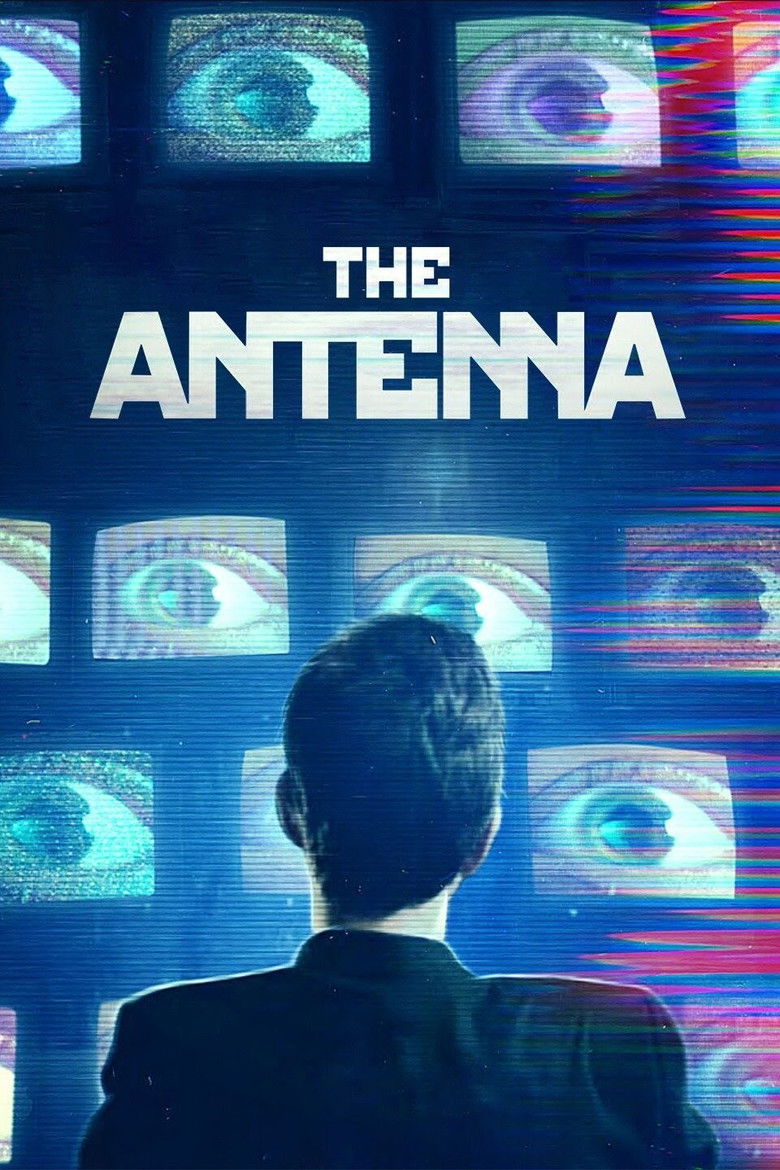
The Antenna 2020
A state-mandated dish goes up on a decaying apartment block ahead of the midnight bulletin, and black tar starts coming down the pipes. Behram makes broadcast censorship literal and never once explains the mechanism.
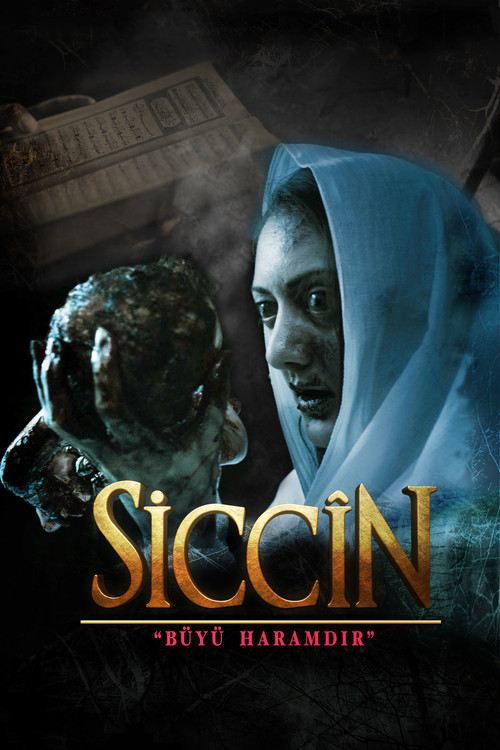
Sijjin 2014
Mestçi opens his series with a woman who commissions black magic against her cousin's wife and then watches it come back down her own bloodline. Sijjin is the register of the damned named in Surah 83, and the film means it.
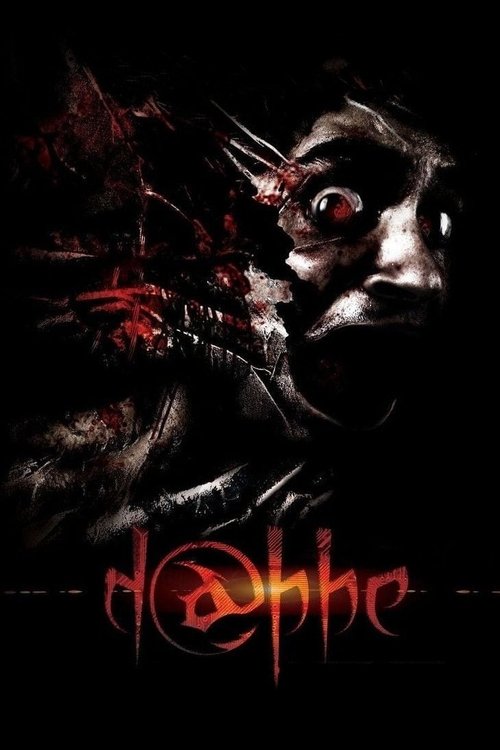
Dabbe 2006
A wave of suicides spreads by email and the film gives it a name: dabbe, the beast of the Islamic end times. Early digital-era horror treating the internet as a channel for something scripturally much older.
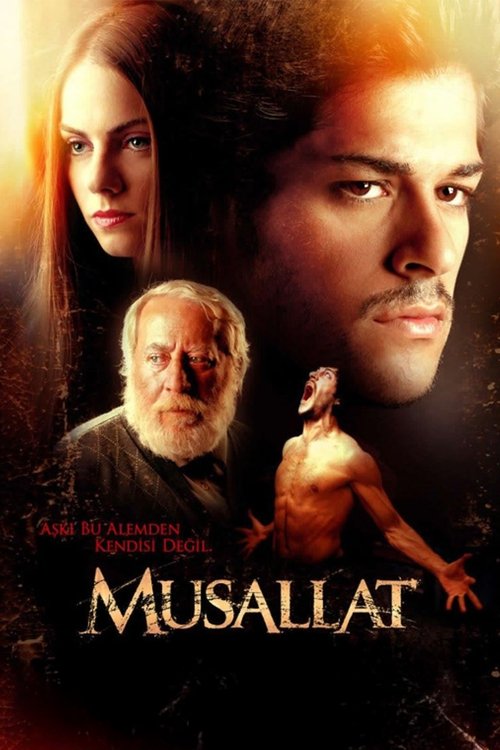
Musallat 2007
A Turkish worker in Berlin is pushed toward suicide by visions German medicine cannot name, so he returns to Istanbul and finds a healer. The gurbetçi setup gives the jinn a specific address and the film its real subject.

The Little Apocalypse 2006
The Taylan brothers hang a haunting on the 1999 earthquake: a woman who lost her mother in it feels a small tremor while on holiday, and everything unsealed comes up with it. Grief given a seismic trigger.
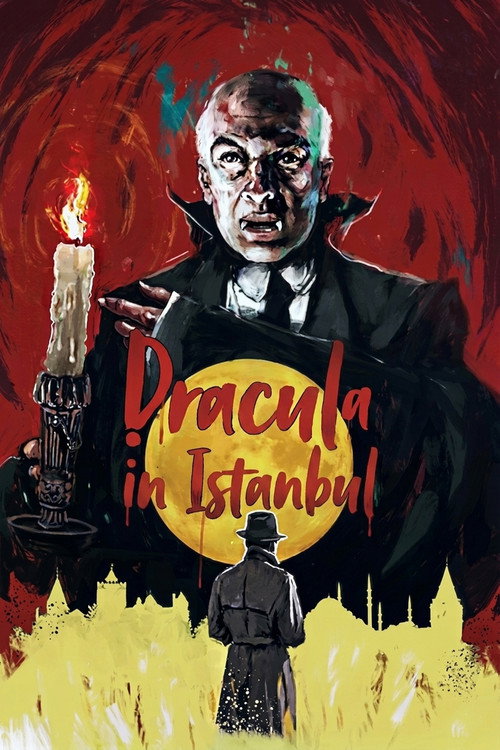
Dracula in Istanbul 1953
Adapted not from Stoker but from Ali Rıza Seyfi's 1928 Turkish version, which is why the Count is openly Vlad the Impaler. The first screen Dracula with fangs, and Atıf Kaptan plays him bald.
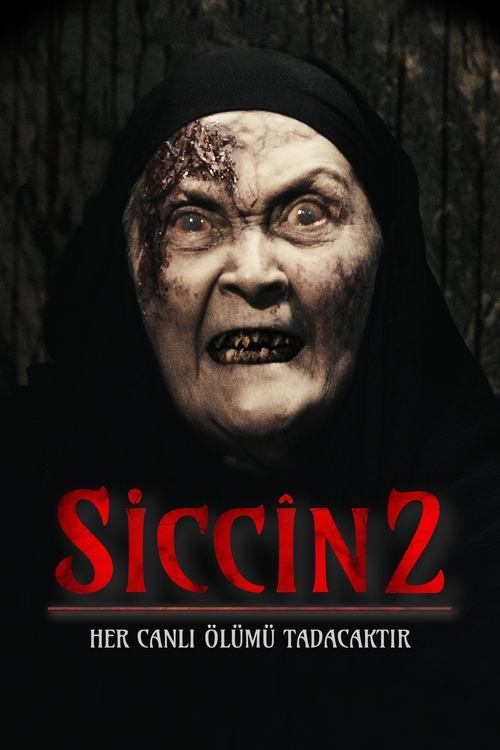
Sijjin 2 2015
A dead child, a husband withdrawing, and a doll carrying an aunt's jealousy across two generations. Mestçi's best structural idea: the curse works like an inherited debt, and someone always signed for it.
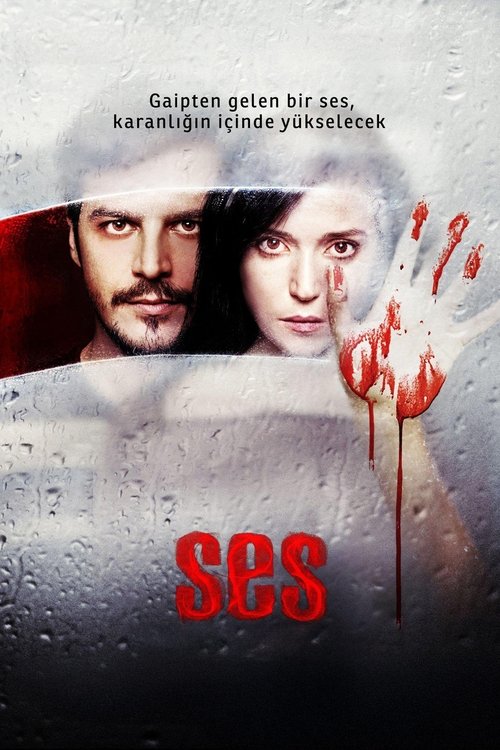
The Voice 2010
A call-centre worker starts hearing a voice that knows things only she knows, and her neighbours decide it is divine before it turns on her. Ünal cares less about the source than about how fast belief arrives.

Housewife 2017
Evrenol's English-language follow-up to Baskin: a cult, a childhood killing, and a woman who cannot stop reliving it. Visual ambition well past the budget, and better when it overreaches than when it explains.

Büyü 2004
Archaeologists move into an emptied village and the film goes straight to insects, screaming and murder. Rough, badly reviewed, and the picture that proved Turkish horror could fill a cinema.

Okul 2004
Adapted from Doğu Yücel's novel, a high-school ghost story that plays half its length as comedy and then pulls the floor out with an unread letter. The Taylans' first pass at a genre they would refine.
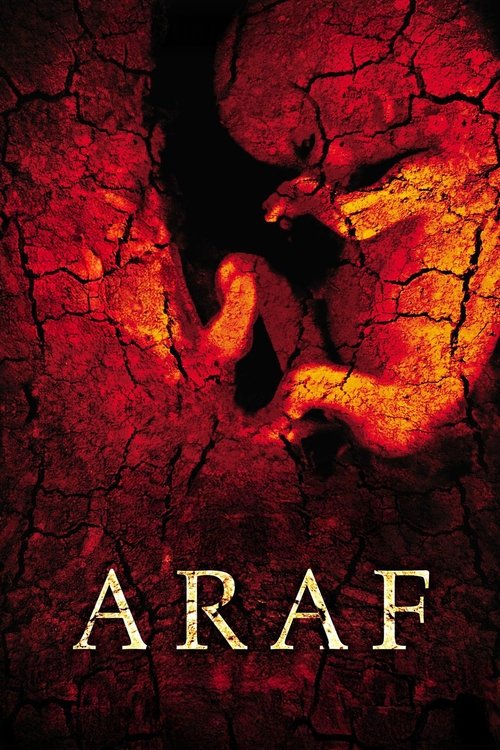
Araf 2006
A dancer's illegal abortion returns during her second pregnancy, and Dalkıran borrows his grammar wholesale from Japanese horror. Turkish cinema catching the Ringu wave three years late and unembarrassed about it.

Sijjin 3: The Forbidden Love 2016
Two factory partners, a fired worker's curse, and a widower who tries to bring his wife back and gets a jinn instead. Mestçi holds the series moral: the harm is always ordered, and always by someone with a name.

Gomeda 2007
Five friends holiday near Ürgüp, where Gomeda is an actual mountain, and Demirci shoots his debut half in colour and half in black and white. The most formally curious Turkish horror film of its decade.

Naciye 2015
A lean house-in-the-country thriller that premiered at Screamfest before it opened at home, and works almost entirely on the strength of its title character. Proof the cin cycle was never the only Turkish option.
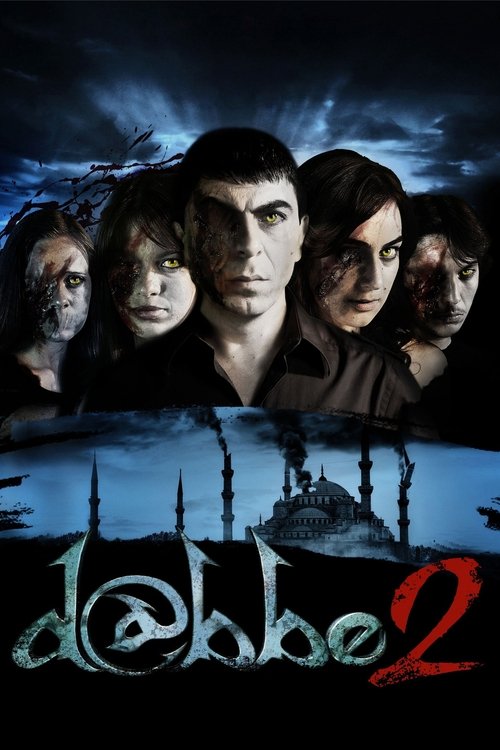
Dabbe 2 2009
The sequel scales the premise up: dabbe now holds every electromagnetic system on earth, with jinn and shadow beings under command. Karacadağ's most openly apocalyptic film and his least controlled.

Musallat 2: Lanet 2011
Mestçi drops the Berlin frame and stays in Turkey, trading the first film's best idea for more room to work the possession itself. The bridge between Musallat and the Siccîn machine.
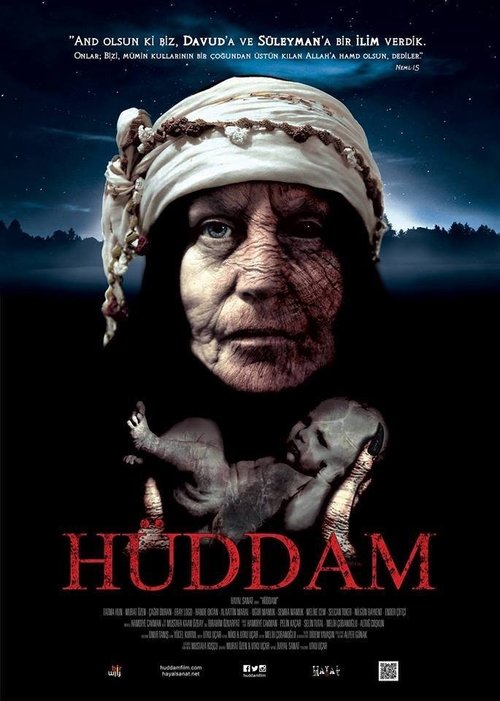
Hüddam 2015
Uçar names his film after a named practice of summoning rather than after a creature, and the series has since run to a fifth installment. The clearest case of the cycle's industrial phase: a title, a ritual, a sequel.
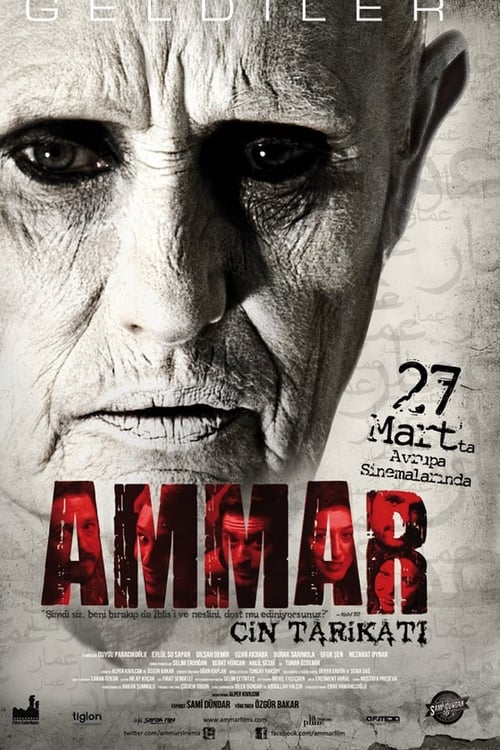
Ammar: Cin Tarikatı 2014
Özgür Bakar directed more of these than anyone, and Ammar sets his template: a named jinn, a subtitle promising a sect, a sequel inside two years. The cin cycle as a production line, without apology.
More shorts to watch