

The 25 Best Southern Gothic Movies
Southern gothic is not a synonym for backwoods slasher, and the difference is the whole page. It is a literary inheritance, running from Faulkner and Flannery O'Connor through Carson McCullers and Tennessee Williams, and the films that belong to it carry the same freight: decayed grandeur nobody will admit is decayed, religion running a fever, family secrets sweating in a closed room, and the unpayable debt of American history sitting at the table.
So the test is not the map. Being set in the American South qualifies a film for nothing on its own, and a chainsaw in a Texas field belongs to a different genre with a different appetite. We asked instead whether the film treats the past as a creditor. Not everything here is horror first, because our catalogue is genre cinema broadly, but everything here runs close enough to the genre's bloodstream to belong.
How we built this list
We ranked on inheritance. The top placings go to films where the South is the argument rather than the address: the preacher, the plantation, the parish, the family that owes somebody a body. Where a picture is merely lurid about the region, we placed it low or left it out.
Excluded on principle: hicksploitation and the cannibal-family cycle, which run on contempt for the people they film and belong to the rural-menace tradition we cover elsewhere, plus prestige drama that uses the South as tasteful set dressing with no rot in the foundations. Several entries here are novels first, and the notes say so.
Two of our other pages already hold adjacent ground, the backwoods and rural-menace tradition and our folk horror selection. This one does not duplicate either. Where a film could plausibly sit on those lists too, it earned its place on this one by what it inherits rather than where it was shot.
The films on this list

The Night of the Hunter 1955
Laughton's only film and still the form's high water mark: a preacher with scripture on his knuckles, a river, two children awake. Expressionist light aimed straight at American piety.

Angel Heart 1987
Parker runs a detective story down to New Orleans and lets hoodoo handle the plotting. Ceiling fans, chicken blood, and a client who was always going to own the ending.

Sinners 2025
Coogler drops a 1932 Mississippi juke joint between the Klan and something with fangs, then argues that Black music is precisely what everybody keeps arriving to steal.

Eve's Bayou 1997
Lemmons builds a Creole Louisiana family on the foundation of what the children saw, then lets memory and second sight fight over the record. Southern gothic as inheritance law.
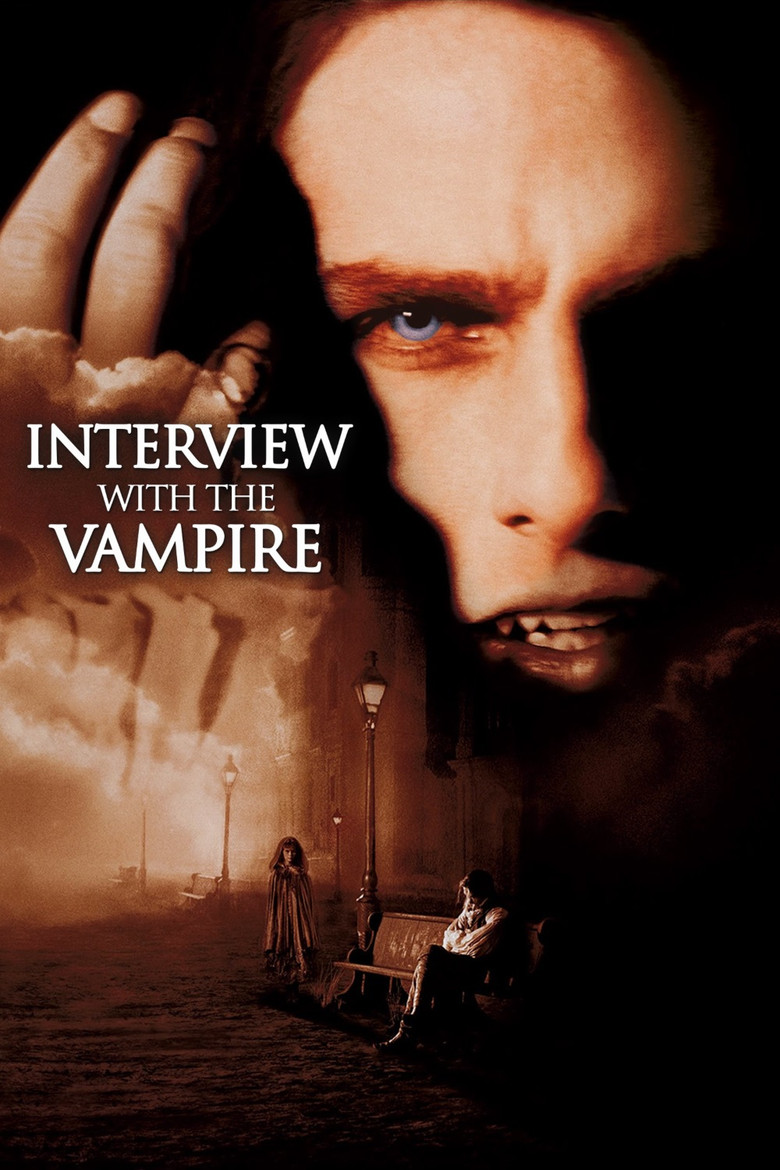
Interview with the Vampire 1994
Two centuries of Louisiana money, plague and slavery, narrated by an immortal who cannot stop apologising. Jordan makes the plantation the vampire's real crime scene.

Hush... Hush, Sweet Charlotte 1964
Bette Davis rots inside a Louisiana mansion she refuses to surrender to a highway project. Aldrich weaponises decayed grandeur and lets the visiting cousin do the arithmetic.

The Beguiled 2017
Coppola locks a Confederate girls' school around a wounded Union soldier and lets manners do the killing. Candlelight, needlework, and one very deliberate omission.
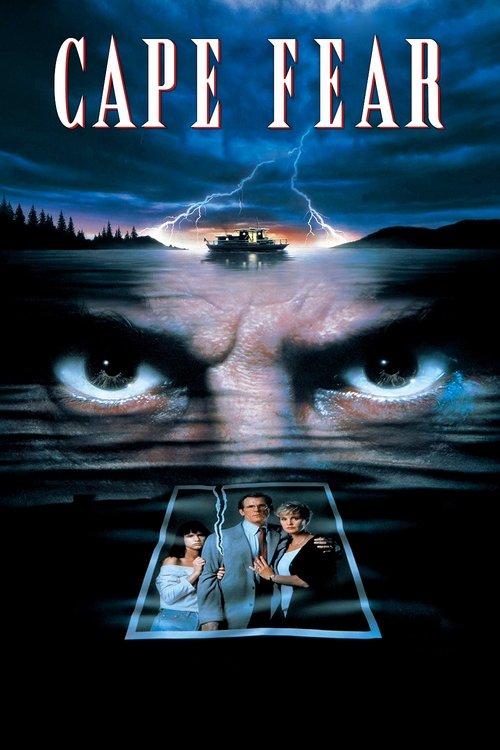
Cape Fear 1991
Scorsese remakes a Southern thriller as a family's moral audit, with Max Cady quoting scripture written on his own skin. The houseboat finale is pure Old Testament.

The Beyond 1981
Fulci hangs one of the seven gates of hell in a Louisiana hotel and trades logic for dream grammar. A South imagined by an Italian, and somehow it lands.

Suddenly, Last Summer 1959
Tennessee Williams by way of a lobotomy threat: a rich widow buying silence about how her son died and what he was. The closing monologue is a cannibal aria.
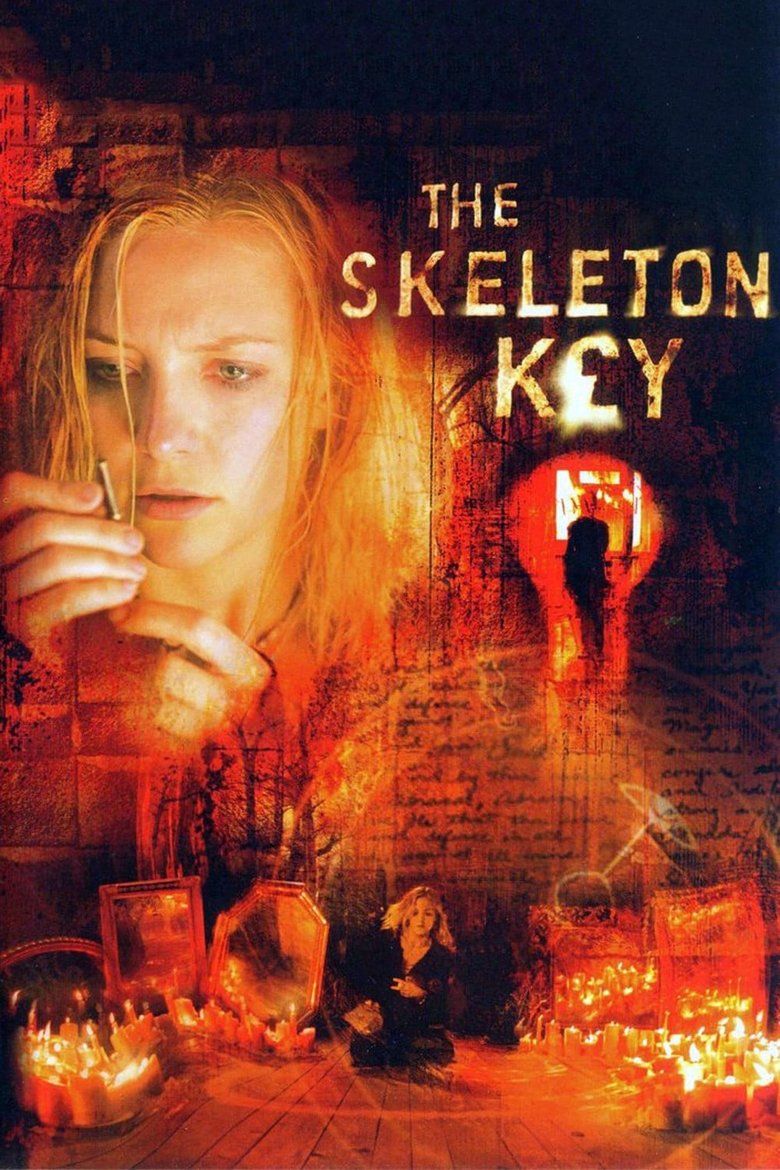
The Skeleton Key 2005
A hospice nurse in a Terrebonne Parish house learns that hoodoo is a contract, not a superstition. The best mainstream horror ever built on Louisiana conjure practice.

Cat People 1982
Schrader relocates the Lewton premise to a humid New Orleans of zoos and incest, scored by Moroder. Sleazier, sadder and far more Southern than its reputation allows.

Daughters of the Dust 1991
Gullah women on a South Carolina sea island in 1902, deciding what will cross to the mainland with them. Dash treats ancestors as present company rather than metaphor.

Beasts of the Southern Wild 2012
A Louisiana community living outside the levee, aurochs on the horizon, a six-year-old holding the whole cosmology together. Folklore made out of genuinely drowning coast.

Frailty 2002
Paxton directs himself as a Texas father handed a list of demons by an angel, and the film declines to tell you he is wrong. Feverish religion with no wink anywhere.
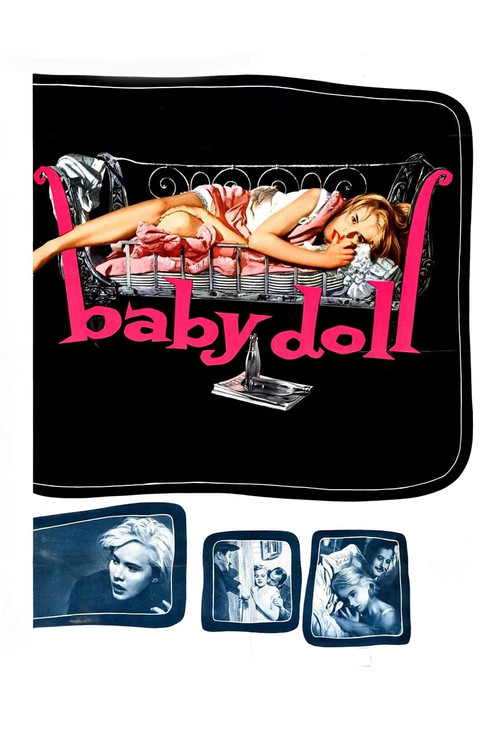
Baby Doll 1956
Kazan and Williams put a thumb-sucking teenage bride, a failing cotton gin and an arson claim inside one collapsing house. Condemned from pulpits, entirely correctly.
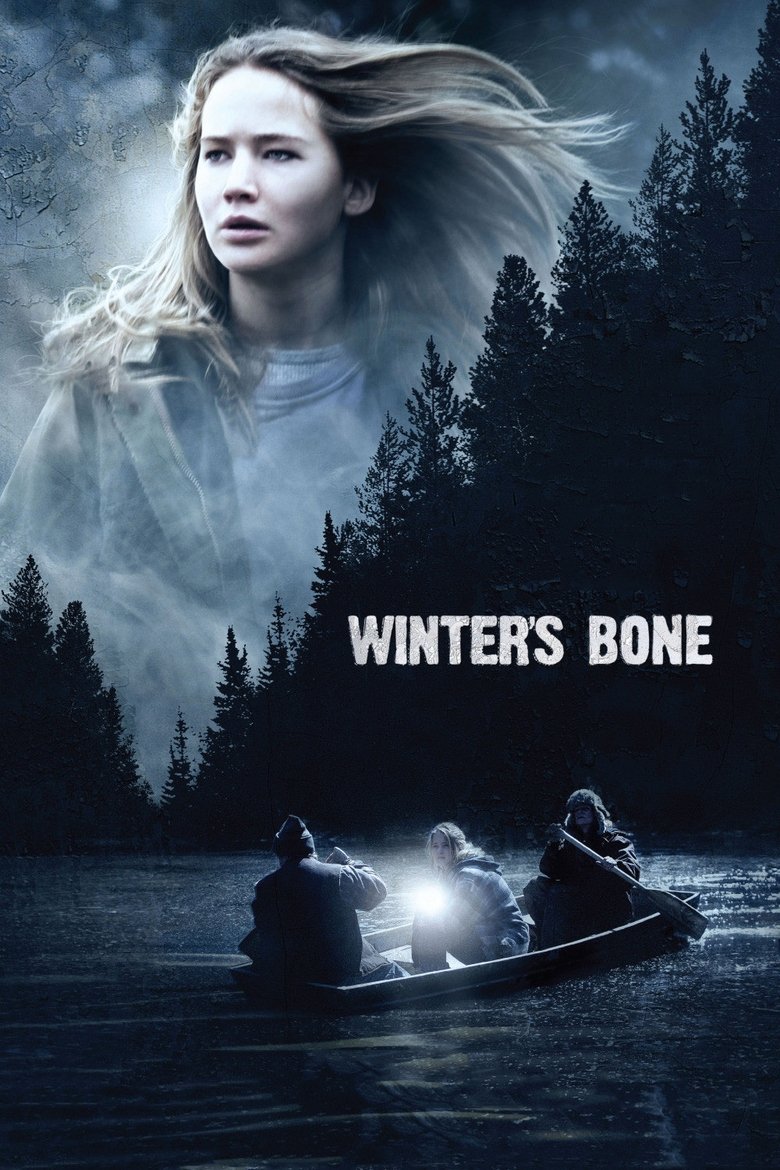
Winter's Bone 2010
Ozark rather than Delta, but the machinery is identical: a girl owed a corpse by her own kin, and a code that answers to nobody from outside the hollow.
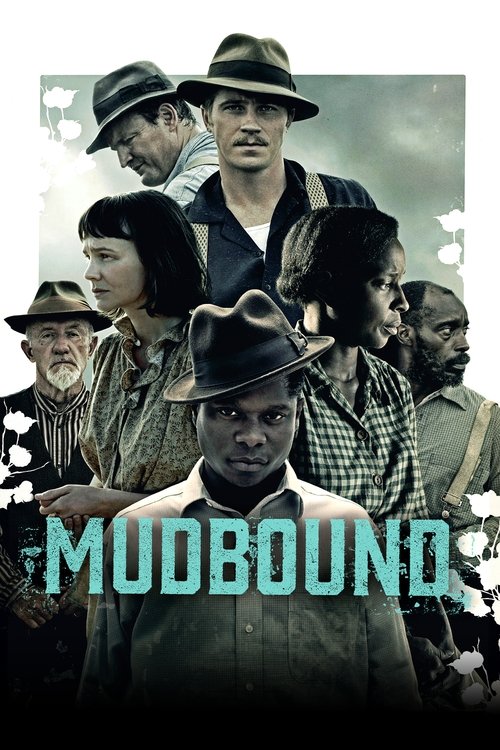
Mudbound 2017
Two families, one Mississippi Delta farm, and a debt collected in a barn. Rees builds her horror out of paperwork and neighbours instead of monsters, which is worse.

Two Thousand Maniacs! 1964
A Confederate town celebrates its centennial by dismembering Northern tourists. Lewis invented gore and accidentally wrote the sharpest joke about history left unsettled.
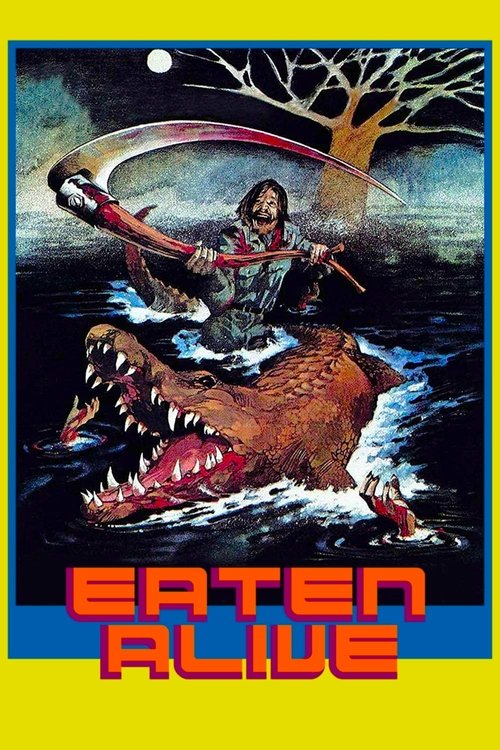
Eaten Alive 1976
Hooper's swamp hotel is run by a man with a scythe and a pet crocodile, shot in shrieking pink and green. O'Connor's grotesque with the safety catch taken off.

Killer Joe 2012
Friedkin turns a Texas trailer into a courtroom where a detective accepts a daughter as his retainer. Tracy Letts writes the family, and a chicken leg finishes them.

Undertow 2004
Two Georgia brothers, a bag of gold coins and an uncle who considers them his. Green shoots the pursuit like a lyric poem that keeps standing on rusty nails.

The Beguiled 1971
Siegel's version is the nastier one: Eastwood as a soldier certain he can manage a house full of women, and a mushroom dinner that settles the question.
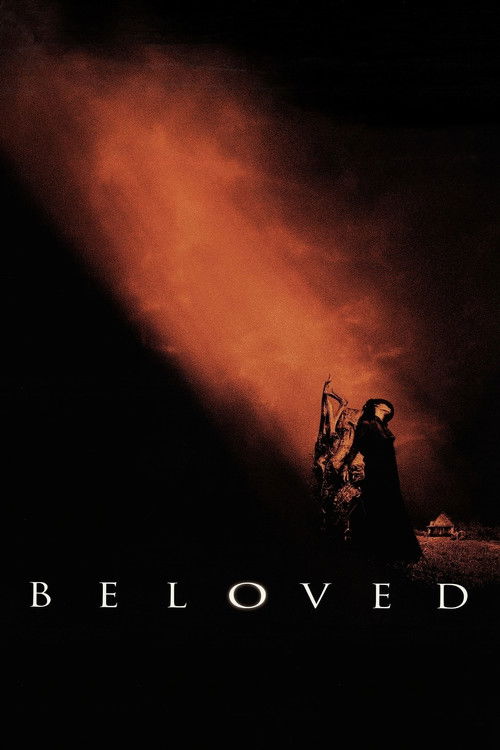
Beloved 1998
Toni Morrison's ghost is a debt with a body, following a freed woman north out of Kentucky. Commercially buried on release, and one of the bravest studio horror films made.

Antebellum 2020
The premise is a better film than the execution, but the central idea, that the plantation never closed and merely changed management, earns its place on this list.