
Best Serial Killer Movies
The serial killer film is really two genres: the hunt and the portrait. The hunt gives us procedurals like Se7en and Zodiac, where obsession infects the investigators. The portrait gives us Psycho, Henry and American Psycho, where the camera lives somewhere it should not.
This list crosses both traditions plus their giallo ancestors, ranked by cross-source consensus.
Watch these free right now


The hunt and the portrait
Fritz Lang's M invented the whole conversation in 1931: a city, a killer, and the uncomfortable question of what the mob becomes while hunting him. Memories of Murder perfected the procedural as tragedy, and Henry stripped the portrait of every comfort.
The giallo lineage (Bava's fashion-house murders, Argento's black gloves) runs underneath it all, which is why those landmarks appear here too.
The films on this list
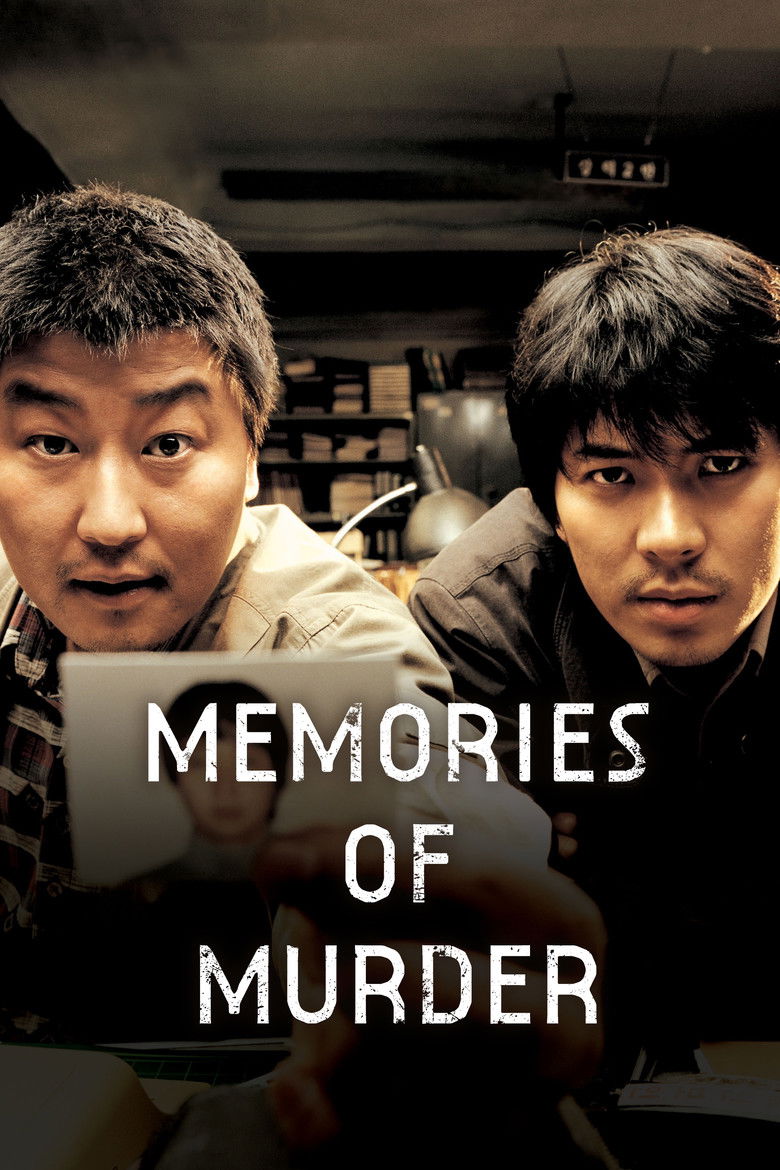
Memories of Murder 2003
Bong builds the procedural as national failure: rural detectives beating out confessions while the Hwaseong case stayed open for decades. The final look into the camera hands the failure to us.

Se7en 1995
The film that made rain, ledgers and dressed corpses into a whole visual grammar. Fincher's real subject is not the sermon-killer but two cops arguing over whether the city is worth defending.

American Psycho 2000
Harron reads Ellis as a comedy of business cards and skincare, where the murders may be fantasy and the misogyny certainly is not. Bale plays Bateman as a man performing personhood badly.

Manhunter 1986
Mann's Lecktor is a phone voice in a white cell, and the film belongs to the investigator who has to think like his target to work at all. Everything is teal, symmetrical and one bad thought from collapse.

Psycho 1960
The film that taught audiences a protagonist can die at the halfway mark and the monster might be the shy one behind the desk. Every portrait film on this list runs downstream of it.

The Silence of the Lambs 1991
Demme shoots it as a film about being looked at: every man in the frame stares at Clarice, Lecter included. That is why the procedural still holds while the Buffalo Bill material has aged badly.

Henry: Portrait of a Serial Killer 1986
Loosely drawn from Henry Lee Lucas's confessions, most of which were lies, and the film keeps that flatness: no motive, no detective arriving, murder filmed as shift work. The camcorder scene is still the hardest thing here.

Peeping Tom 1960
Powell aims the accusation at the audience: the killer films his victims' fear, and we bought a ticket to watch. British critics destroyed him for it, and the film outlived every one of them.

Arsenic and Old Lace 1944
Capra's farce about two sweet aunts with a dozen bodies in the cellar and elderberry wine as the murder weapon. The joke is that serial murder was already familiar enough to be a drawing-room gag.

I Saw the Devil 2010
Kim runs revenge past its own limit until the avenger and the killer are doing the same work with different paperwork. Choi Min-sik plays evil as boredom, which is the film's coldest idea.

Man Bites Dog 1992
A Belgian film crew follows a chatty killer and slowly starts holding the equipment for him. Still the sharpest attack on documentary complicity anyone has made, and very funny until it is not.

The Night of the Hunter 1955
Laughton's only film, composed like a woodcut, with Mitchum's preacher singing hymns while hunting two children for money. LOVE and HATE on the knuckles gave the genre its first perfect image.

Cure 1997
The killer here is a vector, not a personality: a young man who hypnotises strangers into murder and remembers nothing. Kurosawa films 1990s Tokyo as a place where identity is already loose enough to catch it.

Deranged 1974
The Ed Gein film that actually looks like the case file: a farmhouse, a preserved mother, a mild man narrating his own atrocities to camera. Roberts Blossom is unbearably gentle, and Tom Savini did the effects.
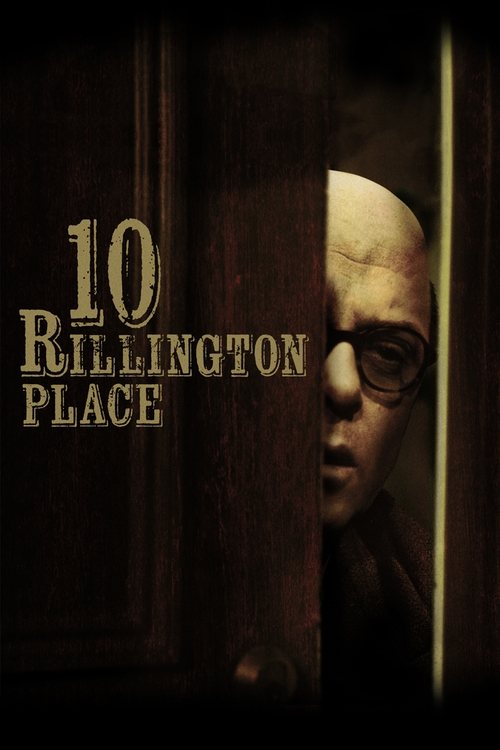
10 Rillington Place 1971
Fleischer reconstructs the John Christie murders with no suspense and no style, because the real subject is Timothy Evans, hanged for a killing Christie committed. The film refuses to make that comforting.

The House That Jack Built 2018
Von Trier casts the serial killer as an artist explaining himself, then makes the explanation the punishment. Whether the provocation was worth five chapters is a fair argument to have.

The Boston Strangler 1968
The split-screen is the argument: a city fragmented by fear, then a man who cannot hold one self together. Fleischer sides with the investigation rather than the spectacle, which was not the fashion.
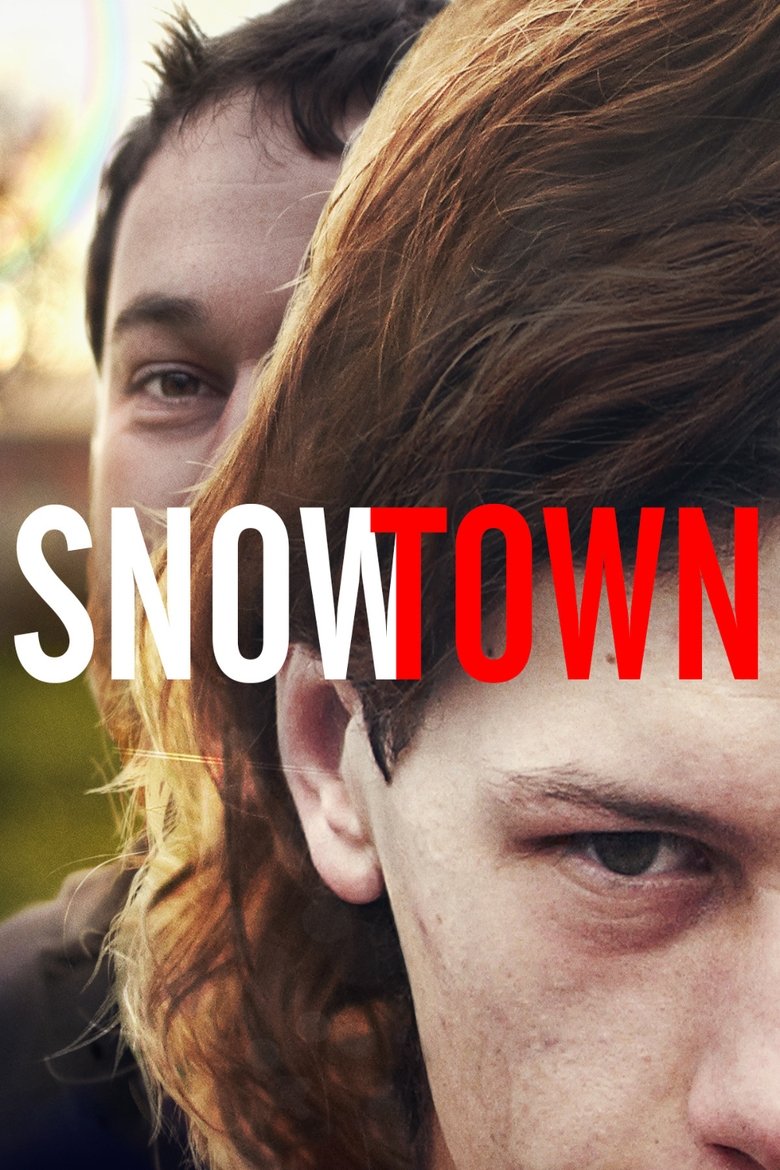
Snowtown 2011
Kurzel films John Bunting's crimes as the story of a teenager groomed into participation, in a South Australian suburb offering nothing else. The violence is mostly offscreen and far worse for it.

Frenzy 1972
Hitchcock back in London, with Covent Garden produce, a wrongly accused man and a necktie killer he refuses to make charming. The single-take retreat down the stairs is a whole essay on restraint.
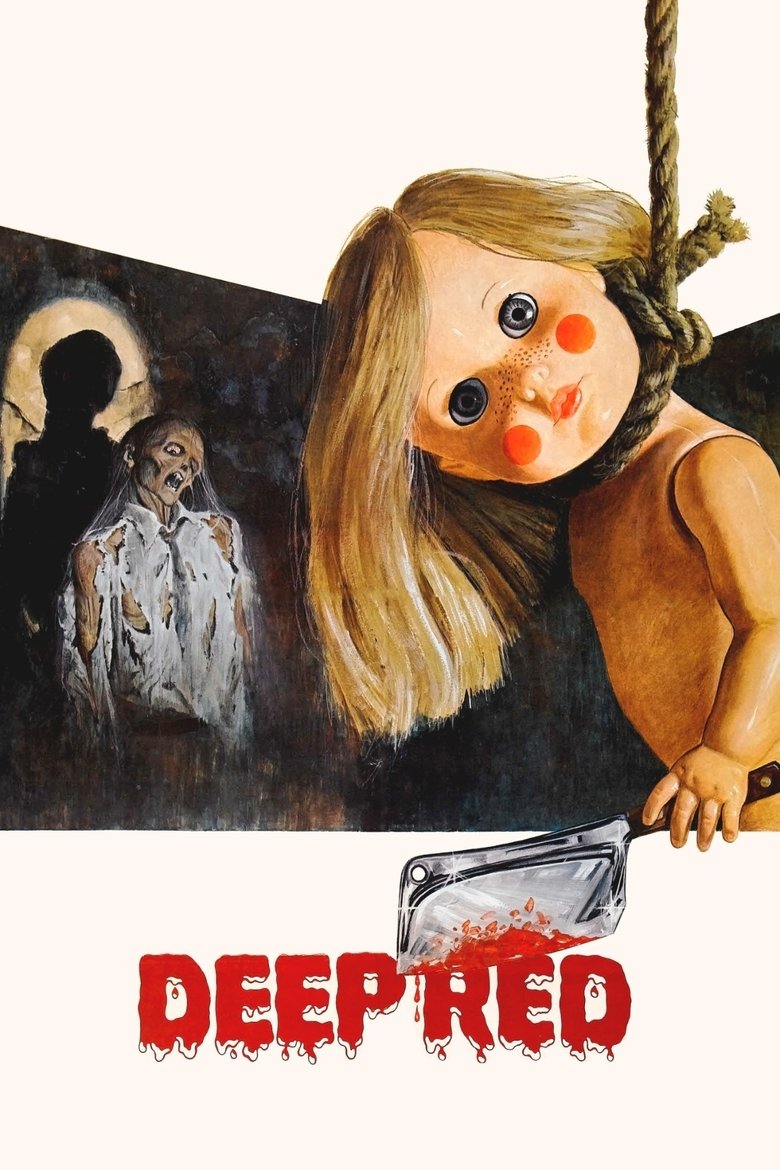
Deep Red 1975
The giallo at full power: a pianist half-sees a murder, and the film spends two hours in the gap between seeing and understanding. Goblin arrive and the subgenre acquires a heartbeat.

The Girl Who Knew Too Much 1963
Bava's black-and-white template, where a tourist witnesses a killing nobody believes and an alphabet murderer works Rome. Every black glove that followed was cut from this pattern.
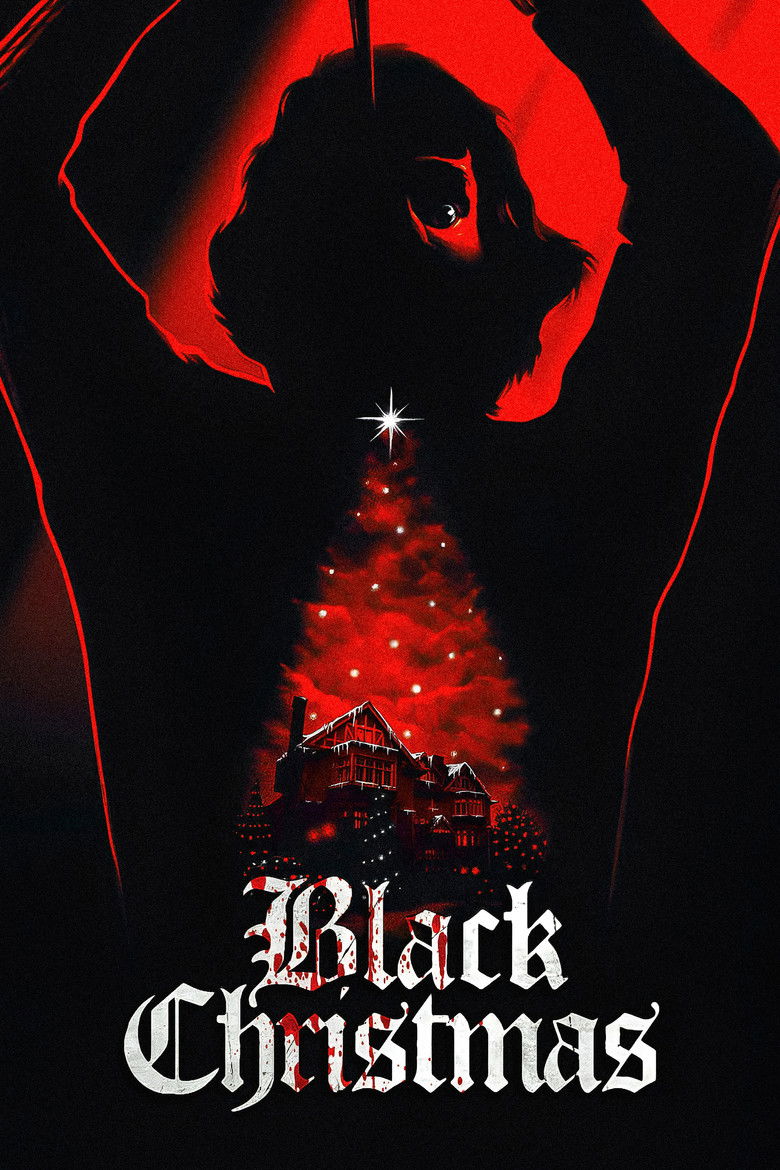
Black Christmas 1974
Here as a border marker: this is the slasher, not the portrait or the hunt, and it works precisely because the caller is never explained or identified. Clark leaves him a voice, permanently.