

The 25 Best Sci-Fi Horror Movies
Science fiction horror is the genre that asks what the science was for. Not the gadget, not the ship: the intent. A company that rates a crew below its cargo, a lab that cannot recall what it released, a signal that writes itself into the body. The monster is usually just the receipt.
That is why the subgenre outlasts its own special effects. Alien and The Thing both begin with an institution meeting something it has no procedure for, and both end with people discovering the procedure was never going to protect them. The dread is administrative before it is biological.
Watch these free right now



How we built this list
Ranking here follows critical standing and durability rather than release-year novelty: films still argued about, still programmed, still stolen from. Where two versions of the same story both hold up, both are listed, because the 1951 and 1982 Antarctic films are not the same film with better effects.
The boundary is genuinely contested. Some entries are horror with a rationalised monster, where the science is an alibi for a creature. Others are science fiction that turns cruel partway through and never turns back. A few, the parasite pictures especially, sit on the line and would be filed under either heading depending on who is doing the filing.
Purists will note that atomic-age monster spectacle, outbreak cinema and cosmic horror all bleed into this list. We let them. The test we applied was simple: does the film's fear depend on something being known, built or released on purpose?
The films on this list

Alien 1979
The horror isn't the creature, it's the memo: Weyland-Yutani rated the crew below the cargo. Scott shoots a haulage job with tired workers, then lets the chain of command keep functioning while the biology does its work.
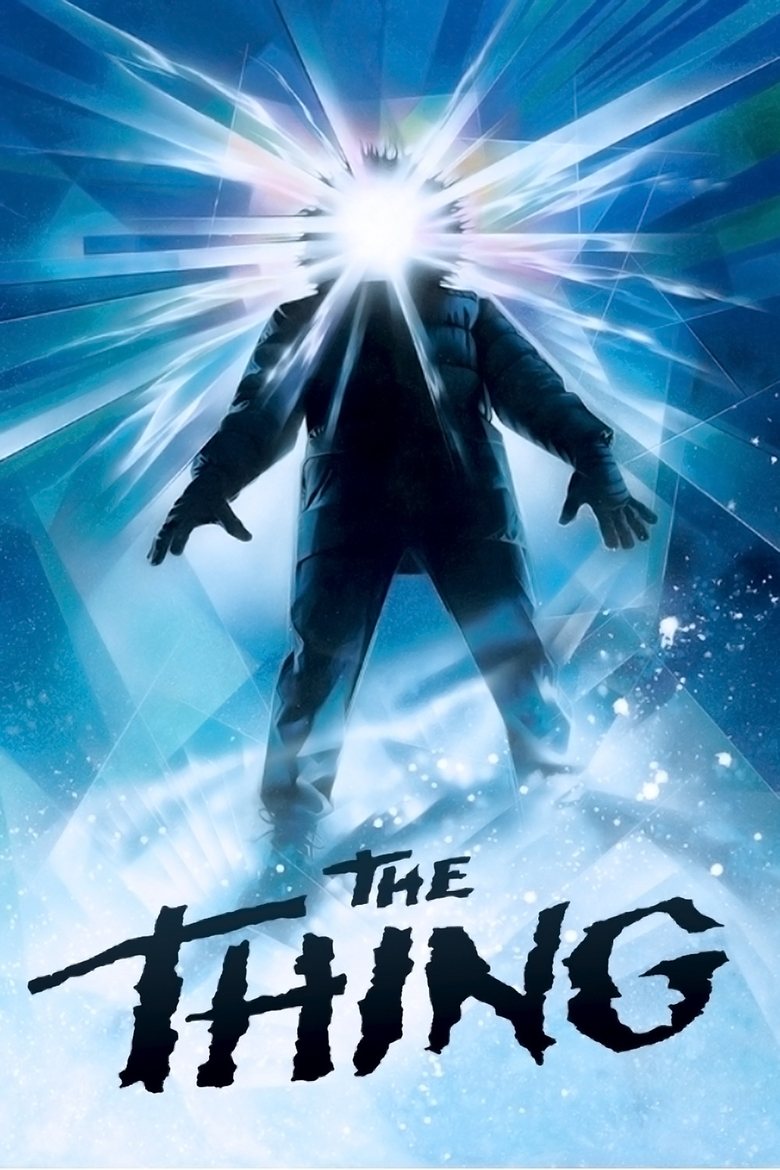
The Thing 1982
Where Alien has a company to blame, Antarctica offers nobody: the institution here is eleven men deciding who to trust. Carpenter makes distrust itself the creature and his last frame refuses to reassure anyone.
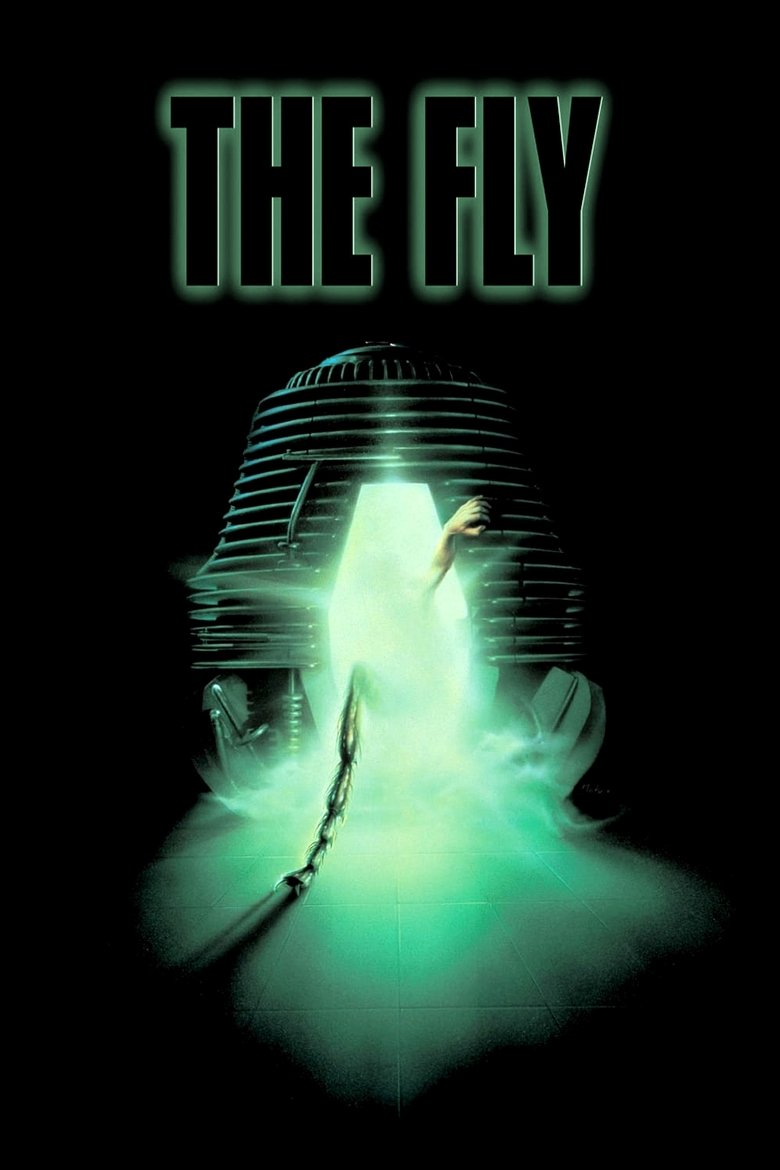
The Fly 1986
Cronenberg turns a teleportation accident into a chronic illness melodrama, observed with the patience of a clinical notebook. Goldblum's decline stays the most tender thing anyone has done with body horror.
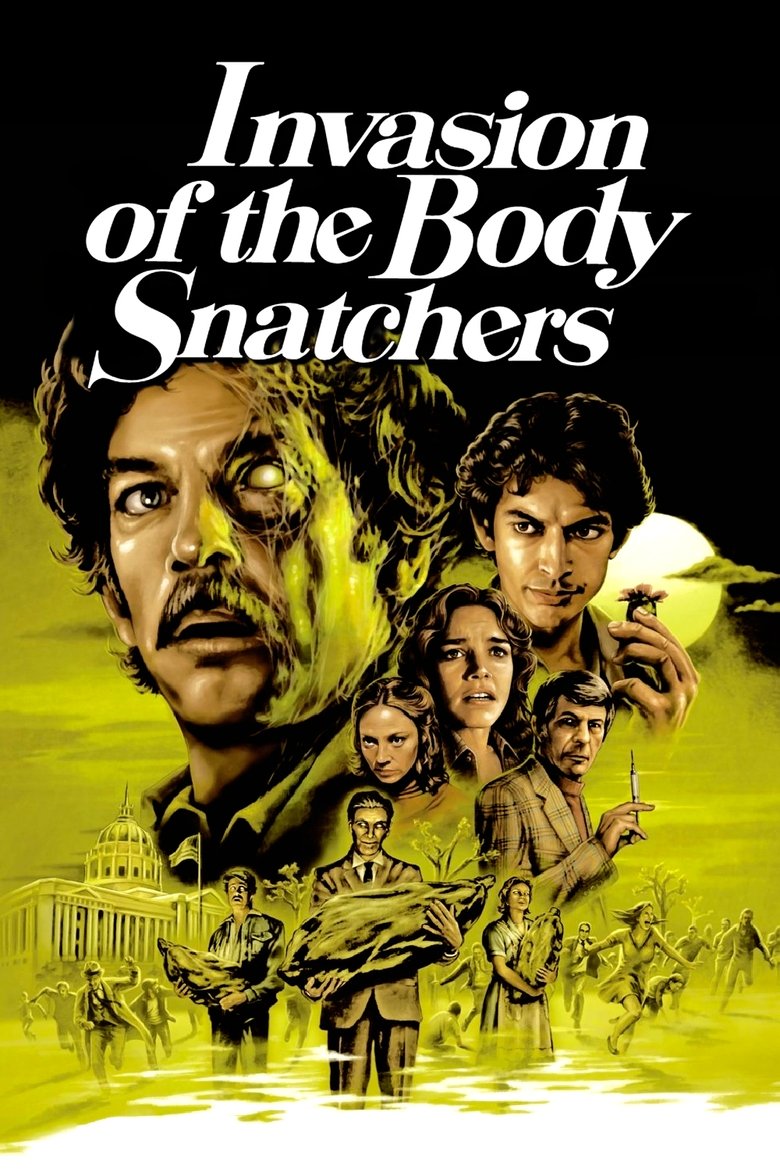
Invasion of the Body Snatchers 1978
The rare remake that outgrows its original: San Francisco's post-Sixties burnout makes assimilation feel like relief. Then Kaufman closes on the scream that ruined a generation's sleep.

Videodrome 1983
Technology as venereal infection: the signal writes on the body and Cronenberg forecasts the whole attention economy from a Toronto UHF station. Long live the new flesh, and he does not mean it as metaphor.
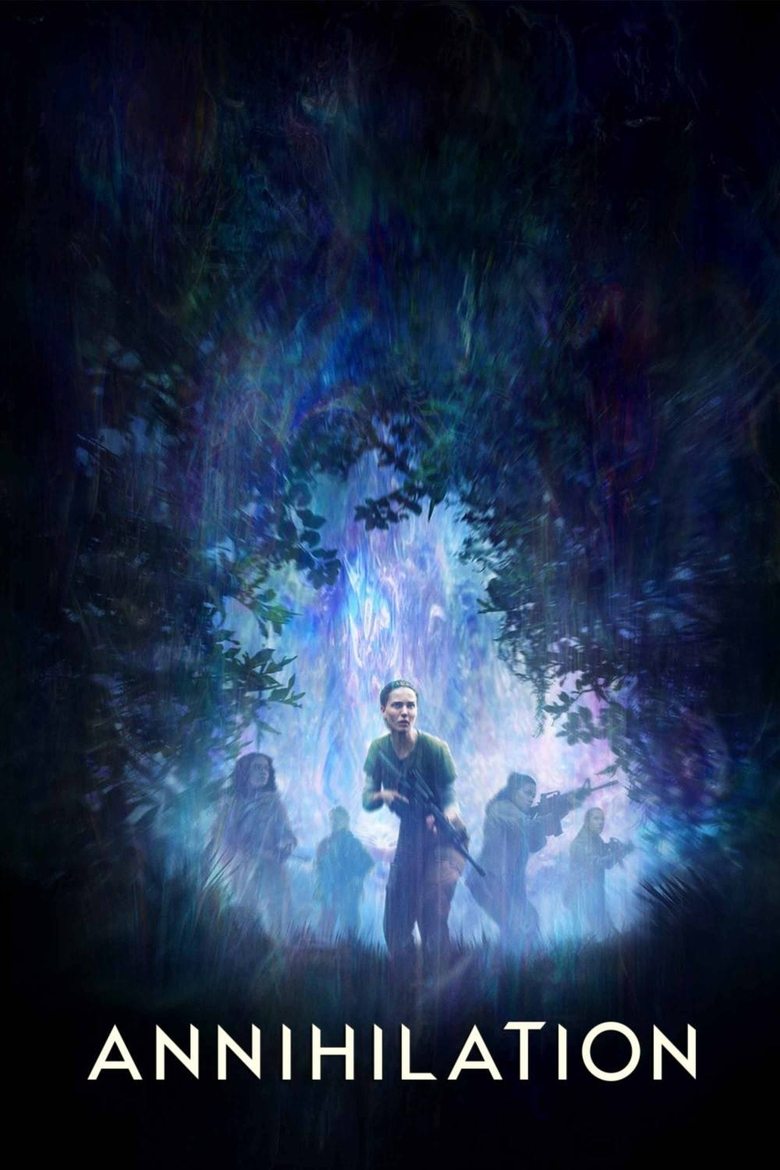
Annihilation 2018
An experiment nobody launched and nobody can recall: the Shimmer refracts DNA the way it refracts light. Garland shoots grief as biology, and the bear sequence is a masterclass in withheld sound.

Aliens 1986
Cameron swaps dread for ordnance and gets away with it, because the colonial marines are the same disposable labour with better equipment. The corporate horror sharpens under all that noise.

Under the Skin 2014
First contact filmed as predation, with hidden cameras on Glasgow streets. Glazer explains nothing, ever, and the black-void sequences remain the coldest images in recent science fiction.

Invasion of the Body Snatchers 1956
Siegel's original works because Santa Mira looks fine: the terror is administrative, neighbours quietly filing paperwork on your humanity. The studio-imposed frame story never quite tames it.

Tetsuo: The Iron Man 1989
Sixteen-millimetre industrial delirium: metal colonises flesh at stop-motion speed and Tsukamoto scores it like a factory floor. Body horror with no scientist, no lab and no consent form.

Pulse 2001
The internet as an overflow drain for the dead. Kurosawa frames wide, lets a figure move wrong at the edge of the shot, and turns urban loneliness into a contagion. Nothing has bettered his dial-up dread.
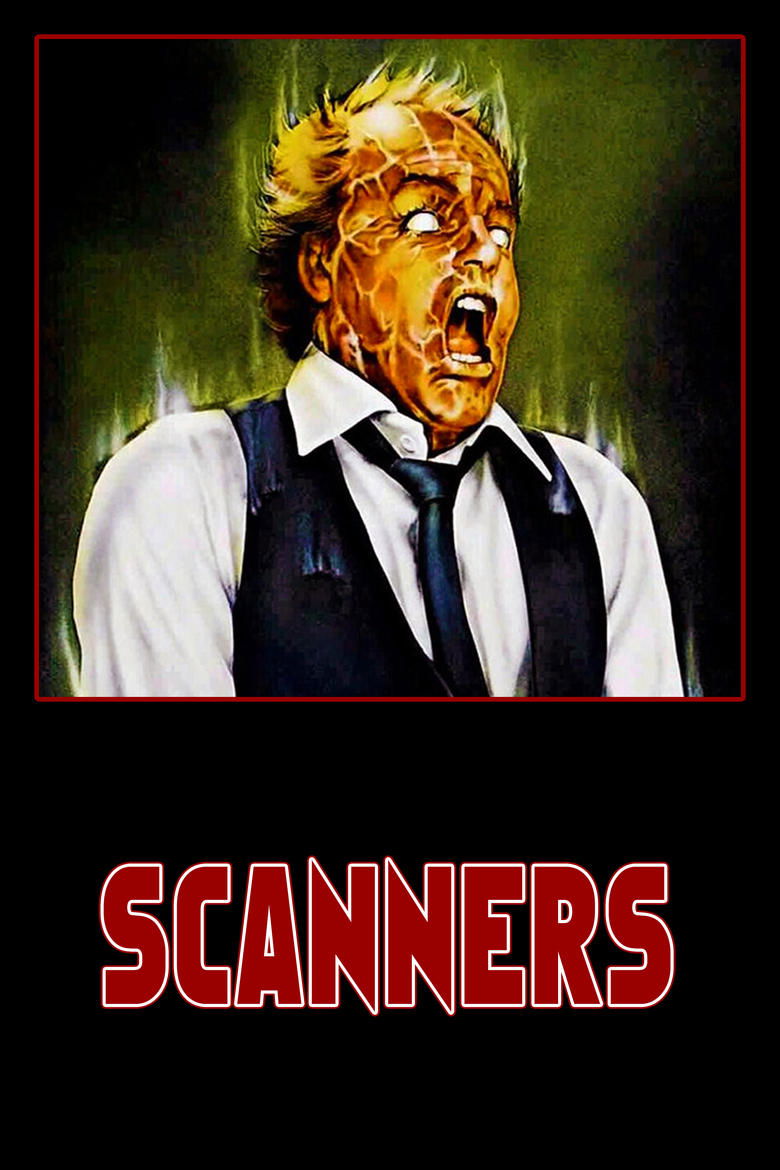
Scanners 1981
Corporate pharmacology creates telepaths, then bills them: ConSec is the villain long before Revok is. Everyone remembers the exploding head, few remember it happens at a shareholder presentation.
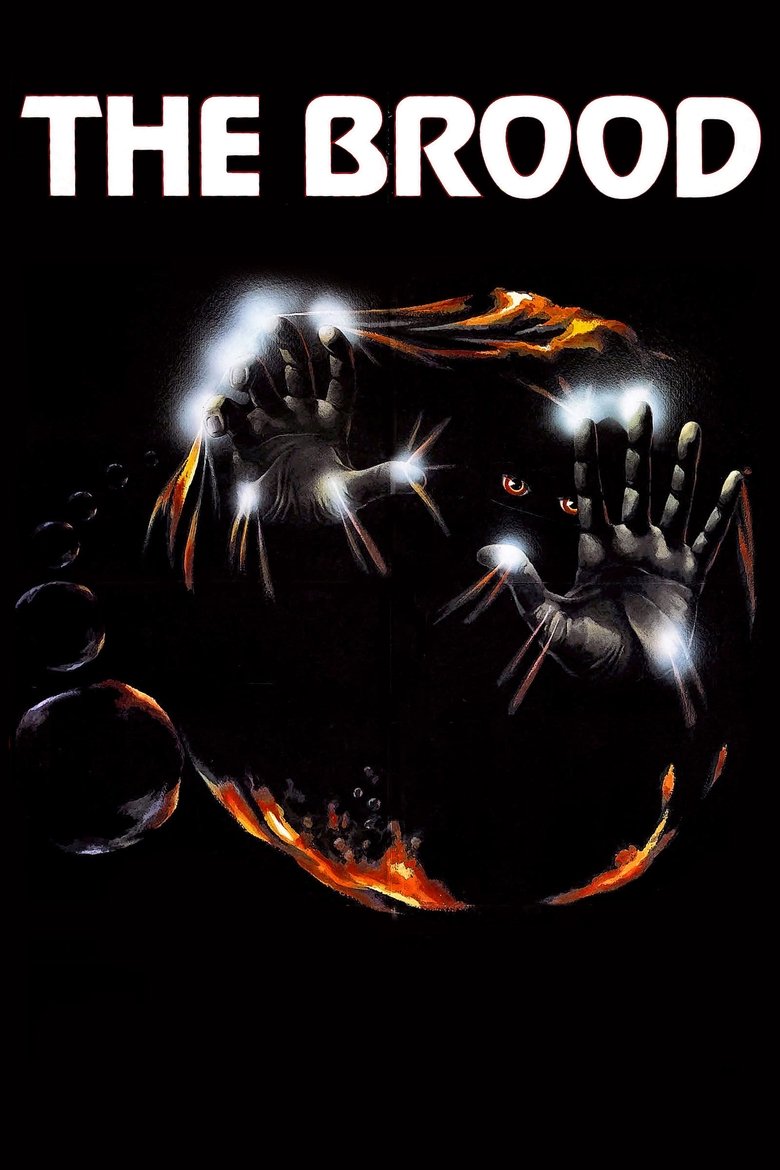
The Brood 1979
Psychoplasmics as therapy racket: Cronenberg files his divorce as clinical science fiction and the rage grows a body. The coldest film ever shot in Toronto about a custody arrangement.

Quatermass and the Pit 1967
Nigel Kneale's best idea: dig under London and find that Martian engineering wrote our folklore. Hammer plays it as procedural, which makes the racial-memory ending land far harder.

The Thing from Another World 1951
The Hawksian version, produced by Howard Hawks and widely credited to him: professionals talking over each other, a shared enemy, consensus as survival technique. Carpenter's remake exists because this one trusts its group completely.
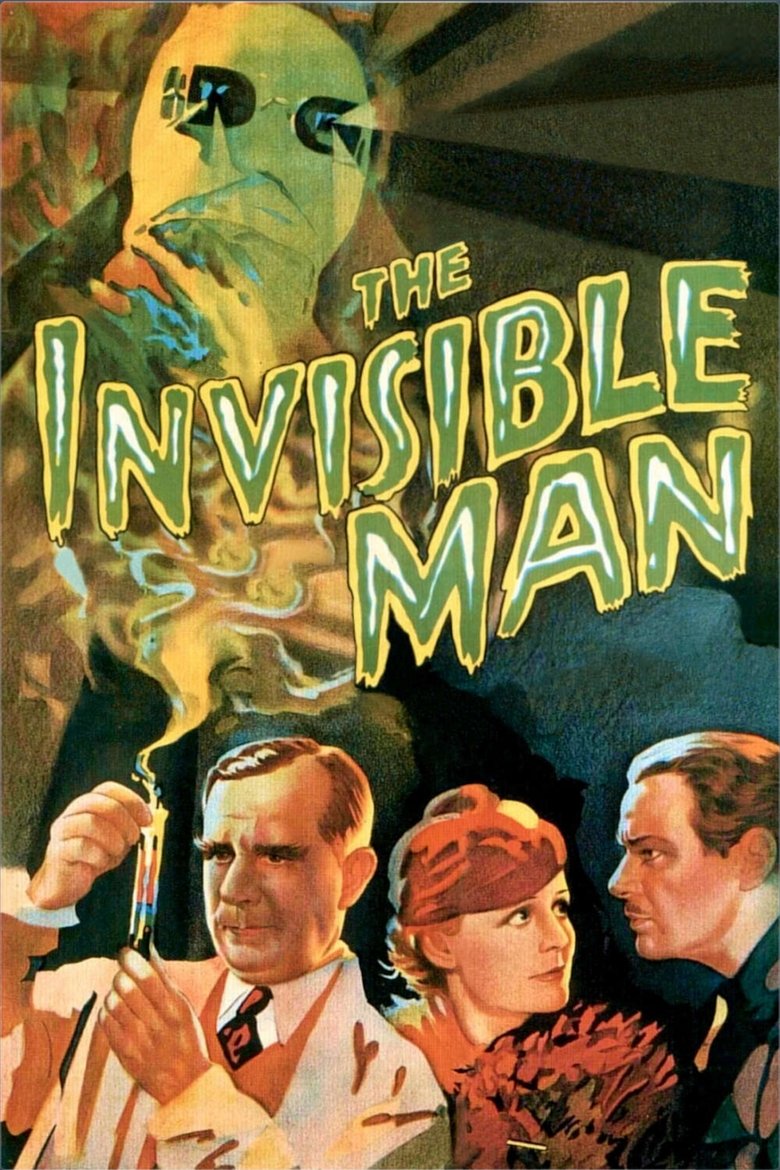
The Invisible Man 1933
Whale's Griffin is a chemist turned fascist, drunk on being unaccountable. The trick photography still holds, but it is the cruelty that makes this the first real crossing of science and horror.

Godzilla 1954
Filed as monster spectacle, built as atomic funeral: Honda shoots hospital wards and Geiger counters, and Ifukube's dirge does the rest. The horror is that the science already happened.
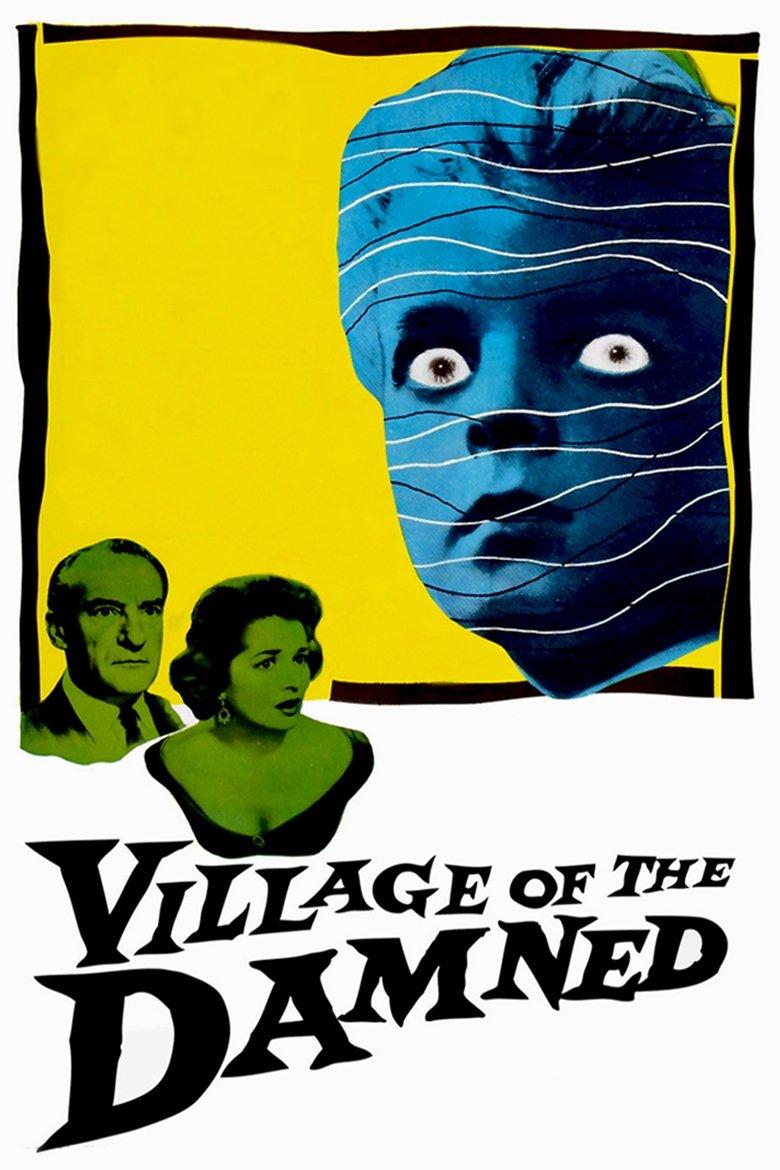
Village of the Damned 1960
Midwich's children are an experiment nobody consented to, conducted through the wombs of a whole village. Rilla keeps it dry and daylit, which is exactly why the glowing eyes work.

Re-Animator 1985
Lovecraft played as campus farce with a body count: Herbert West is a grad student who cannot stop publishing. Gordon is gleeful in the gore and the ethics board never stood a chance.

The Fly 1958
A very Fifties laboratory tragedy where the horror announces itself in a small voice from a spiderweb. Slower and stranger than its reputation, with Price playing the grieving brother straight.

Event Horizon 1997
A ship that took a shortcut through somewhere theological and came back haunted. The physics is nonsense and the sets are a cathedral of meat, but the dread outlives the plot entirely.

Cube 1998
Six strangers, one machine, no author: Natali's Toronto puzzle box is institutional horror in its purest form, a bureaucracy that kills because nobody remembered to switch it off.

Prince of Darkness 1987
Carpenter locks quantum physicists and a priest in the same basement and lets them argue about a cylinder of green fluid. The dreams broadcast from the future are the most unnerving thing he ever shot.
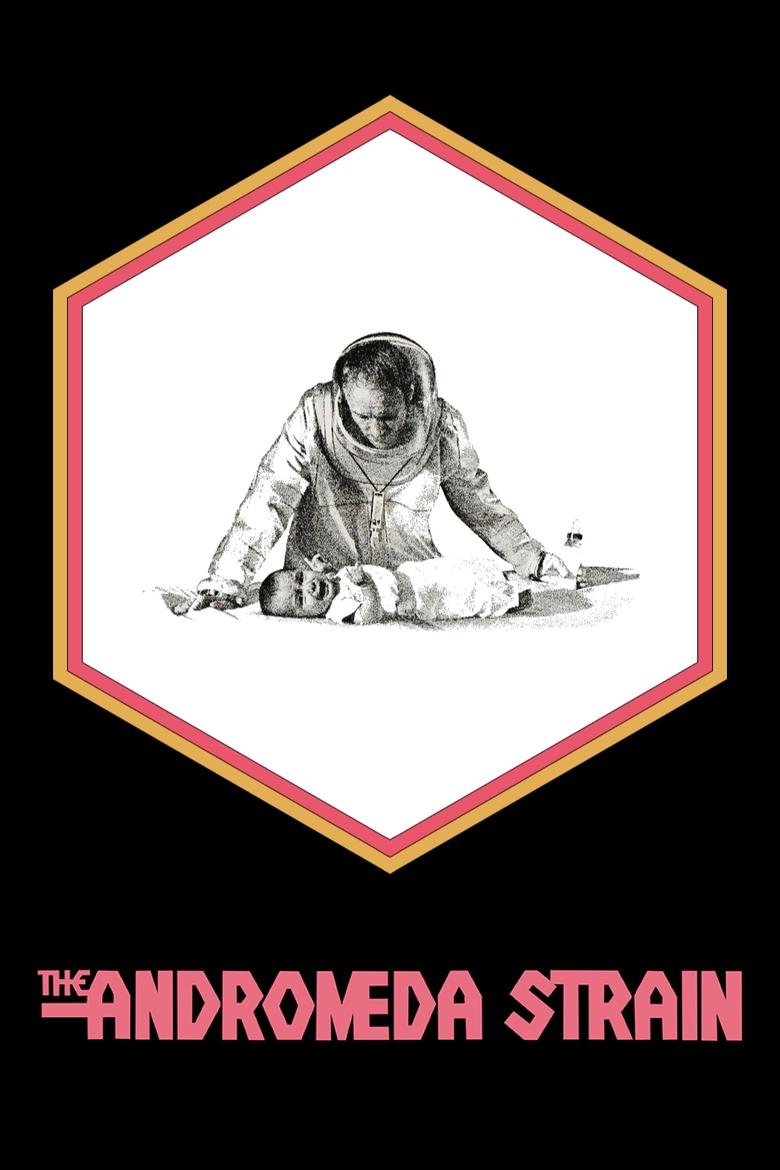
The Andromeda Strain 1971
Containment protocol as suspense: Wise films decontamination levels, split screens and computer printouts, and finds terror in a procedure that believes it thought of everything.
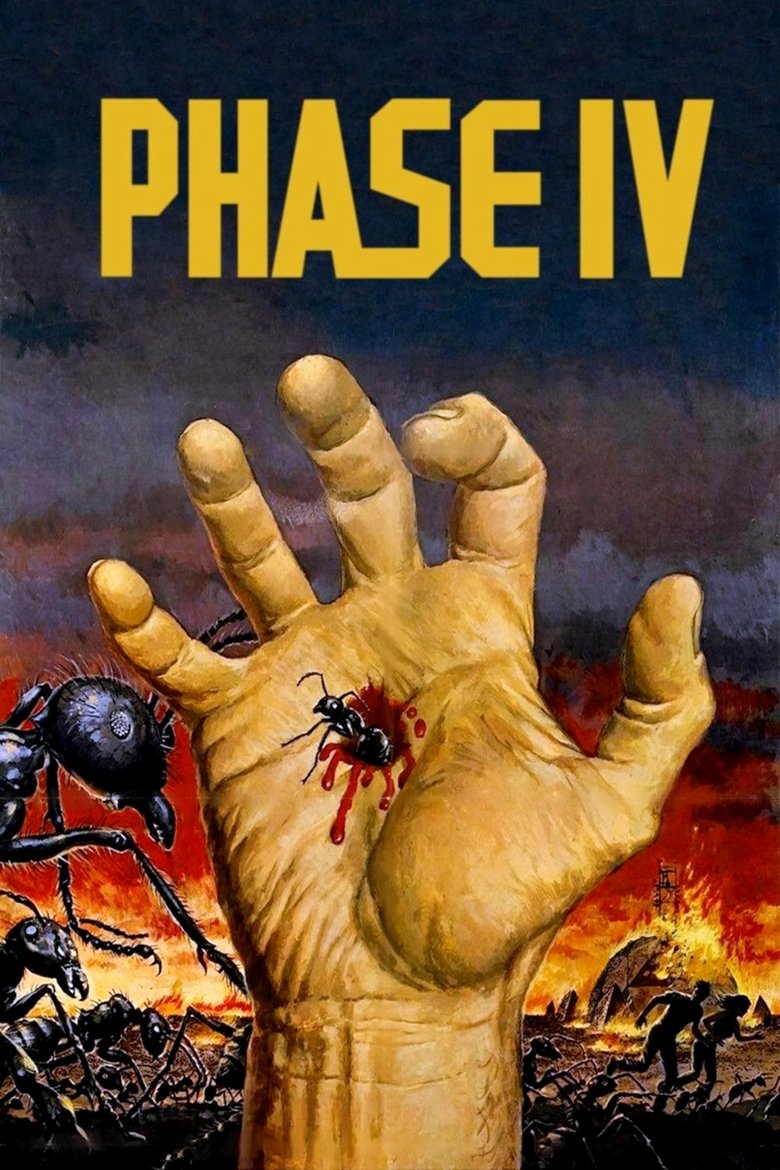
Phase IV 1974
The only feature by cinema's great title designer: ants develop collective intelligence and two scientists in a dome mistake it for an enemy. Macro photography as first-contact document.