

Best Revenge Movies
Revenge is cinema's oldest engine: give a character a wound and a target, and the audience does the rest. The genre spans Korean masterpieces, grindhouse watersheds, samurai sagas and westerns, all running on the same terrible fuel.
This list crosses those traditions, ranked by how consistently each film is named among the essentials.
Watch these free right now


Every tradition, one engine
Oldboy turned vengeance into tragedy with a hallway and a hammer; Lady Snowblood choreographed it in snow and became Kill Bill's blueprint; Coffy and the grindhouse circuit made it righteous. The rape-revenge landmarks included here are handled as the genre history they are: watersheds that changed what the form could say.
The films on this list
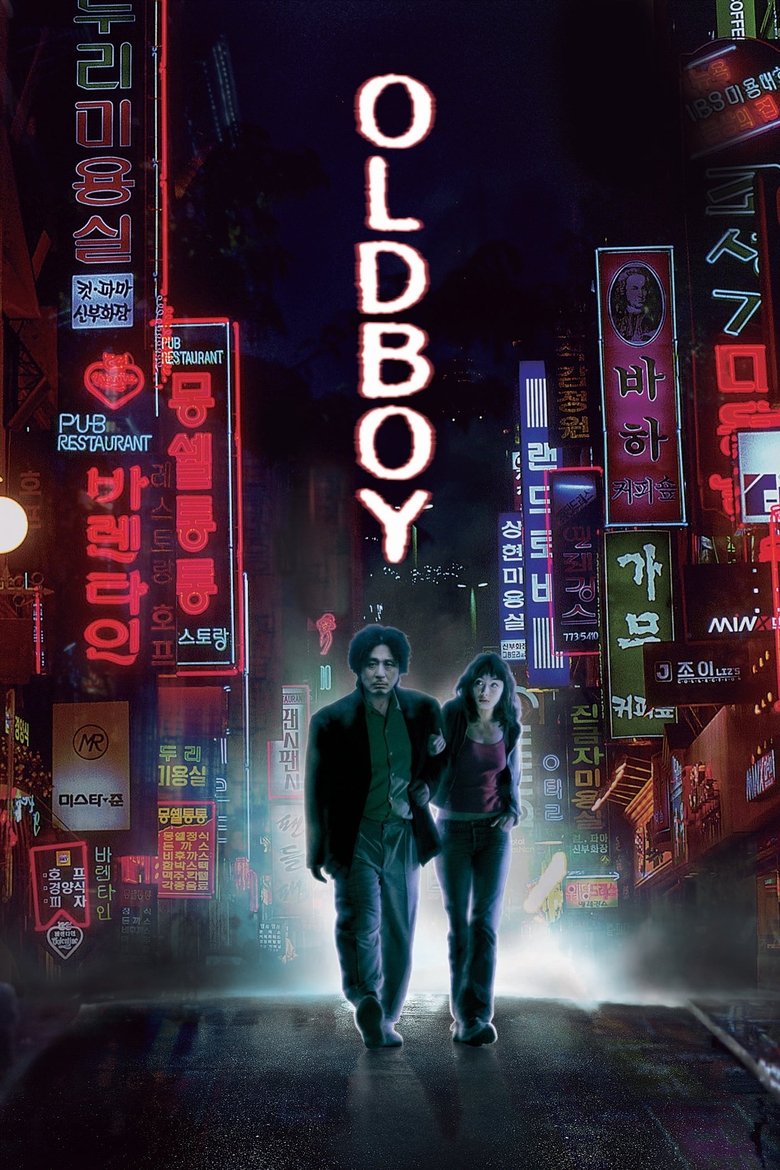
Oldboy 2003
Park Chan-wook builds vengeance as architecture: fifteen years of captivity, one corridor, one hammer, and a reveal that makes the victory unbearable. The hallway take gets quoted; the ending is the argument.
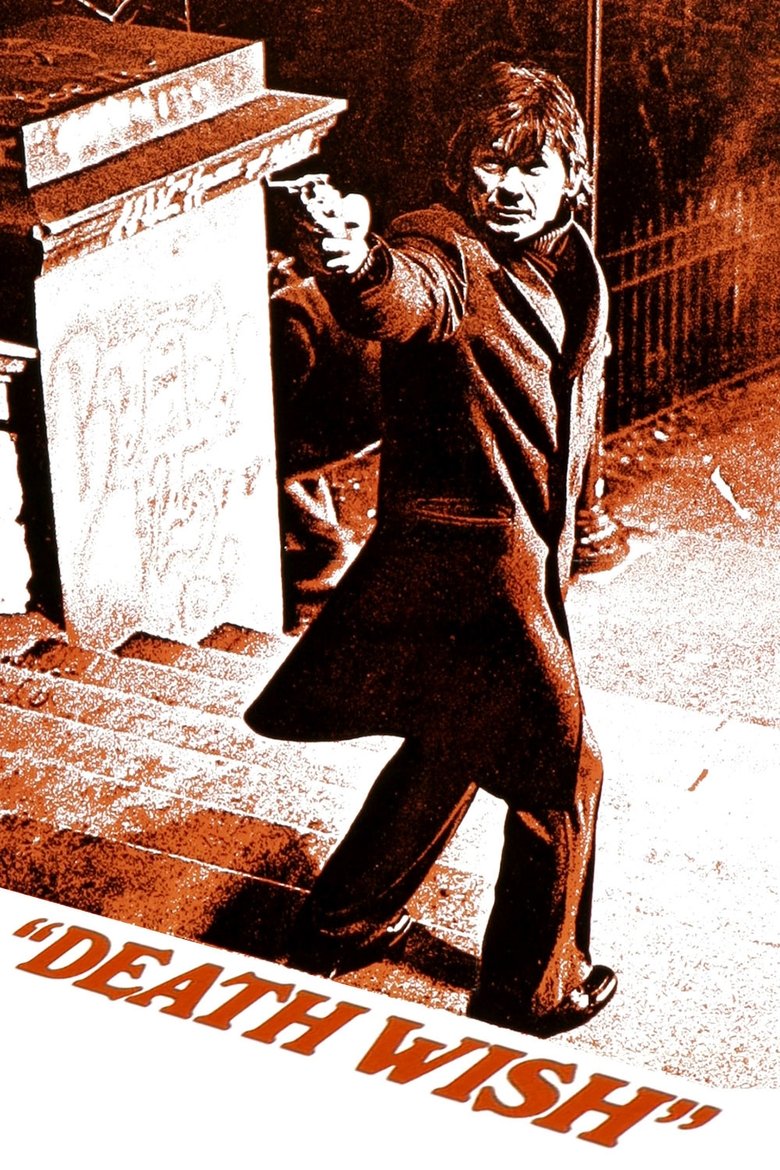
Death Wish 1974
The vigilante picture's founding text and its most compromised: Winner strips Brian Garfield's anti-revenge novel down to Bronson walking the subway with a revolver. Audiences cheered, which was rather the problem.

Coffy 1973
Pam Grier's breakthrough and the blaxploitation revenge film at full voltage: a nurse dismantling the dealers who ruined her kid sister, one link of the chain at a time. Jack Hill shoots the anger straight.
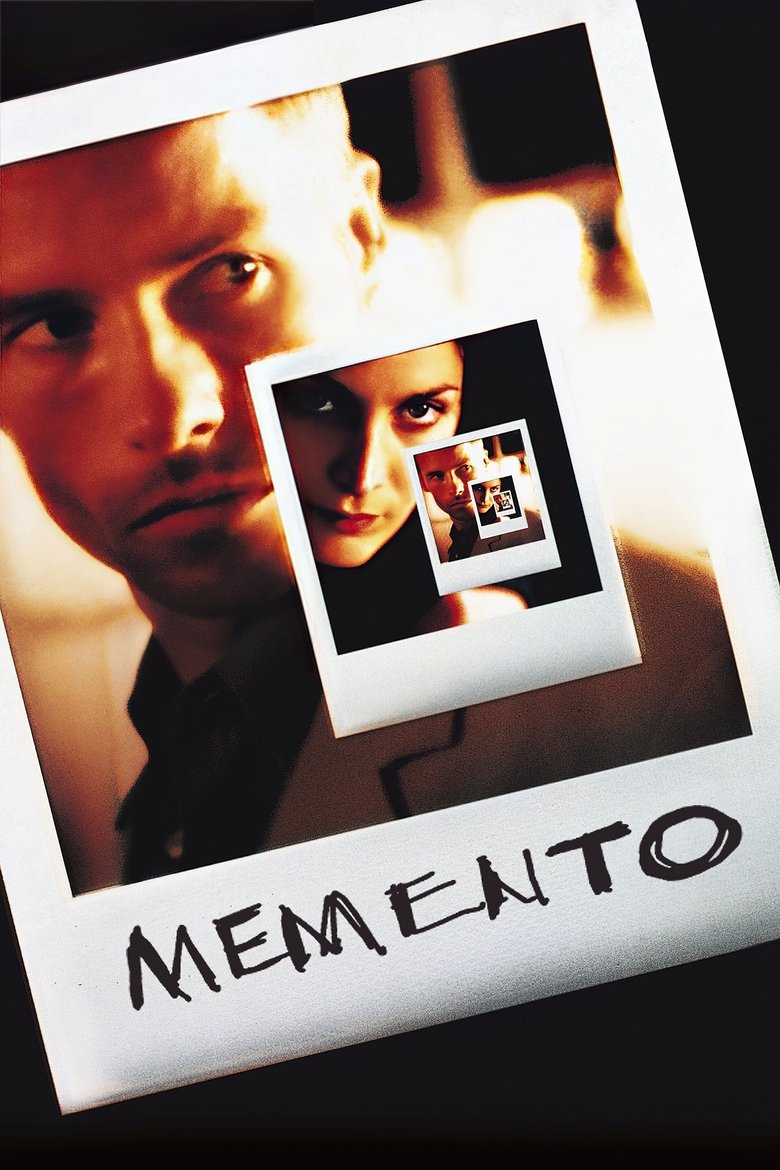
Memento 2000
Nolan turns revenge inside out: a man who cannot form new memories needs a target more than he needs the truth, and the backwards structure lets us watch him pick one. Vengeance as a self-administered lie.

Gladiator 2000
The peplum revived as revenge epic: Scott gives Maximus an emperor to kill and an arena to do it in, then lets the crowd's bloodlust double as ours. Big, unembarrassed, engineered to work on everyone.

Inglourious Basterds 2009
Two revenges racing each other, Shosanna's private one and the Basterds' loud one, converging on a burning cinema. Tarantino's clearest statement that movies are where the score gets settled, history be damned.
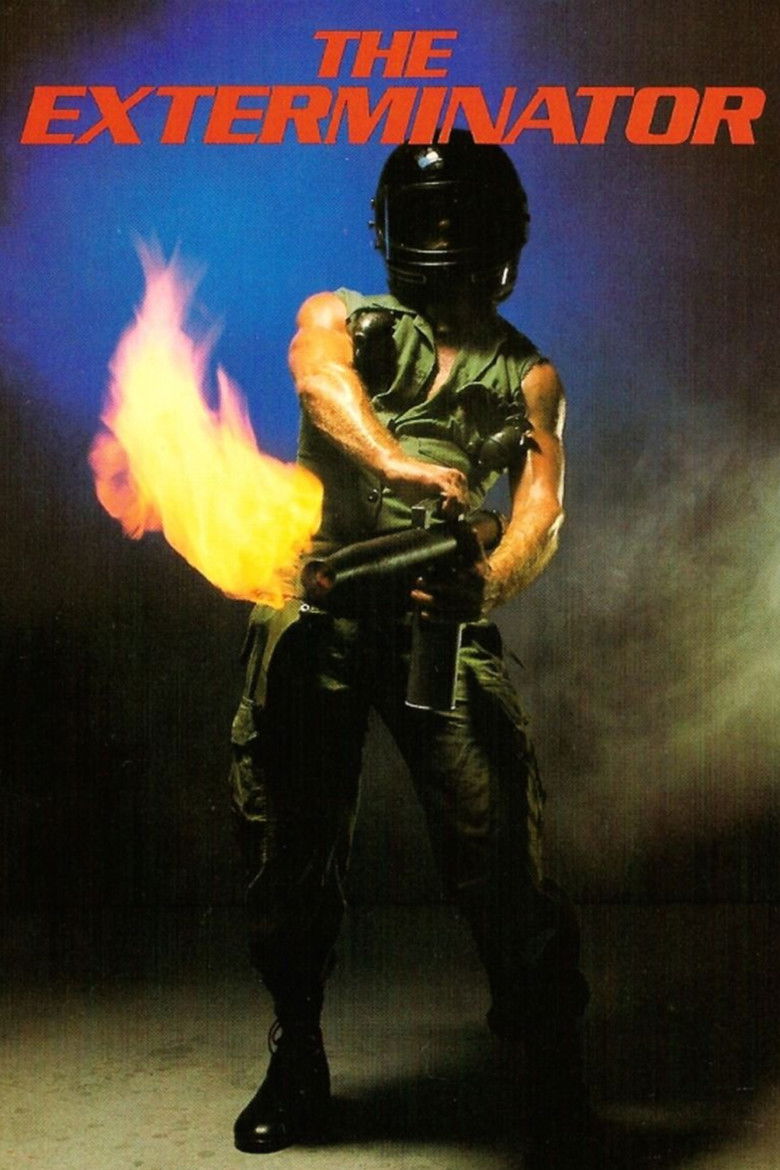
The Exterminator 1980
Glickenhaus takes the Death Wish premise into 42nd Street territory: a Vietnam vet, a flamethrower, an industrial meat grinder. No politics to speak of, just the vigilante film's id running loose.

John Wick 2014
The stuntman's revenge film: Stahelski shoots gun-fu in long takes with legible geography and whole bodies in frame, then hangs it on the flimsiest grief imaginable. The dog is a pretext; the choreography is the text.

Carrie 1976
Revenge as involuntary reflex: De Palma spends an hour on humiliation so the prom becomes release, split-screen and all. The cruellest trick is how much sympathy survives the body count.

Gone Girl 2014
Fincher's contribution is a revenge that never breaks character: Amy's retribution is staged for the cameras and the neighbours, and it works because everyone prefers the story to the truth. Cold, funny, airtight.

Foxy Brown 1974
Hill and Grier reunited a year after Coffy, meaner and more cartoonish: a coat-hanger's worth of plot and an ending that mails the boss a message he cannot misread. Pure catharsis, no argument offered.
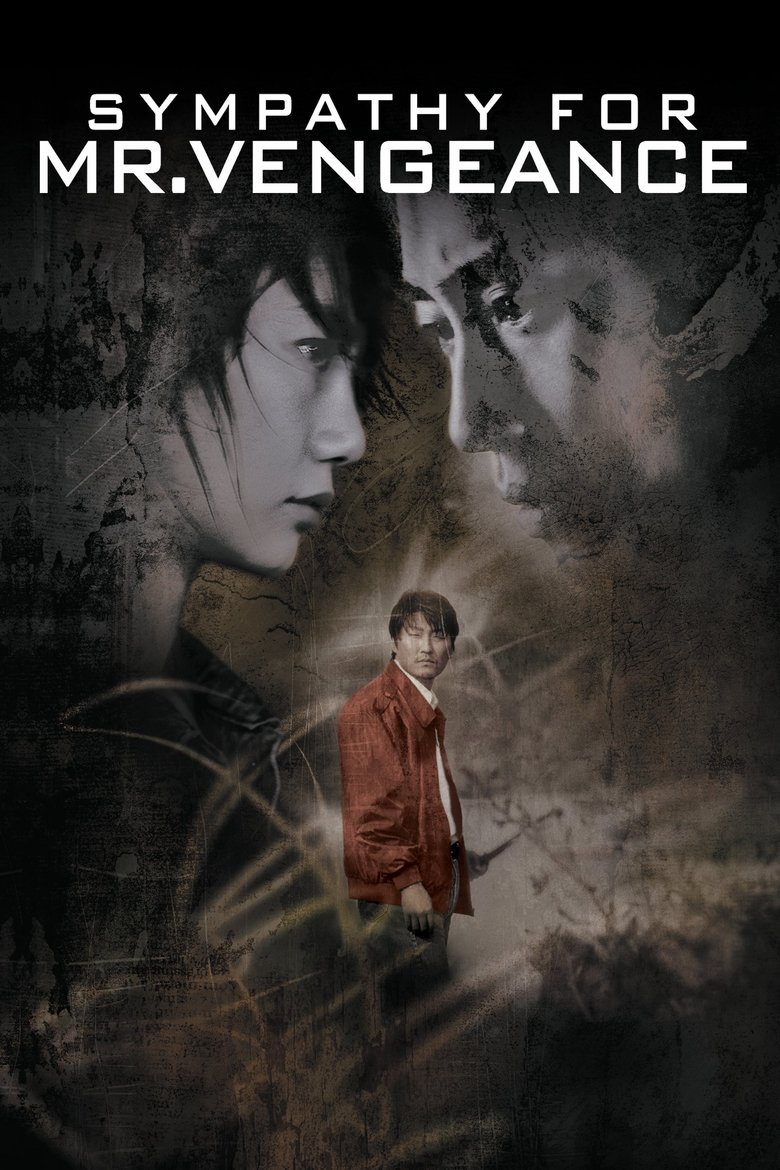
Sympathy for Mr. Vengeance 2002
The first panel of Park's trilogy and the bleakest: two grieving men, each with a defensible case, both wrong, both proceeding anyway. Vengeance stripped of style and left as arithmetic that never balances.
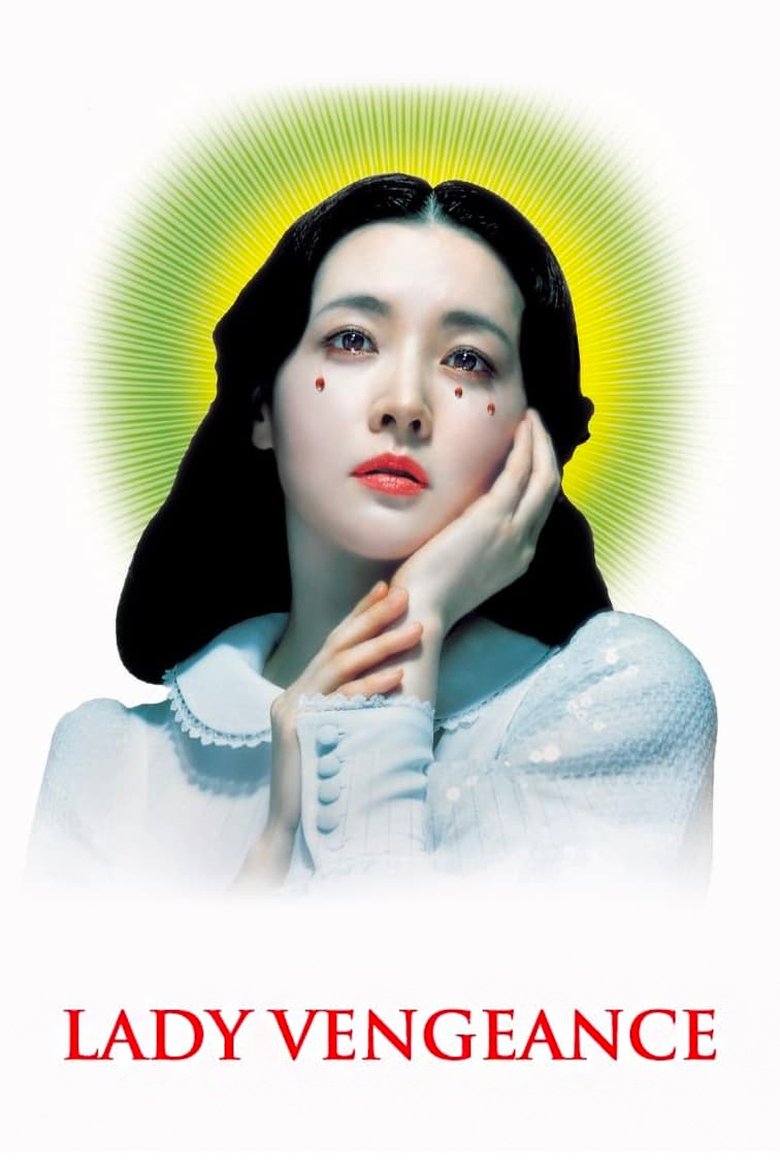
Lady Vengeance 2005
Park closes the trilogy by handing the revenge to the victims' parents in a schoolroom, then quietly asking what they get out of it. The answer is the least triumphant thing in the whole cycle.

I Saw the Devil 2010
Kim Jee-woon runs the escalation to its end: an agent catches the killer, releases him, catches him again, and the film watches the hunter become the thing he hunts. Punishing, and deliberately so.
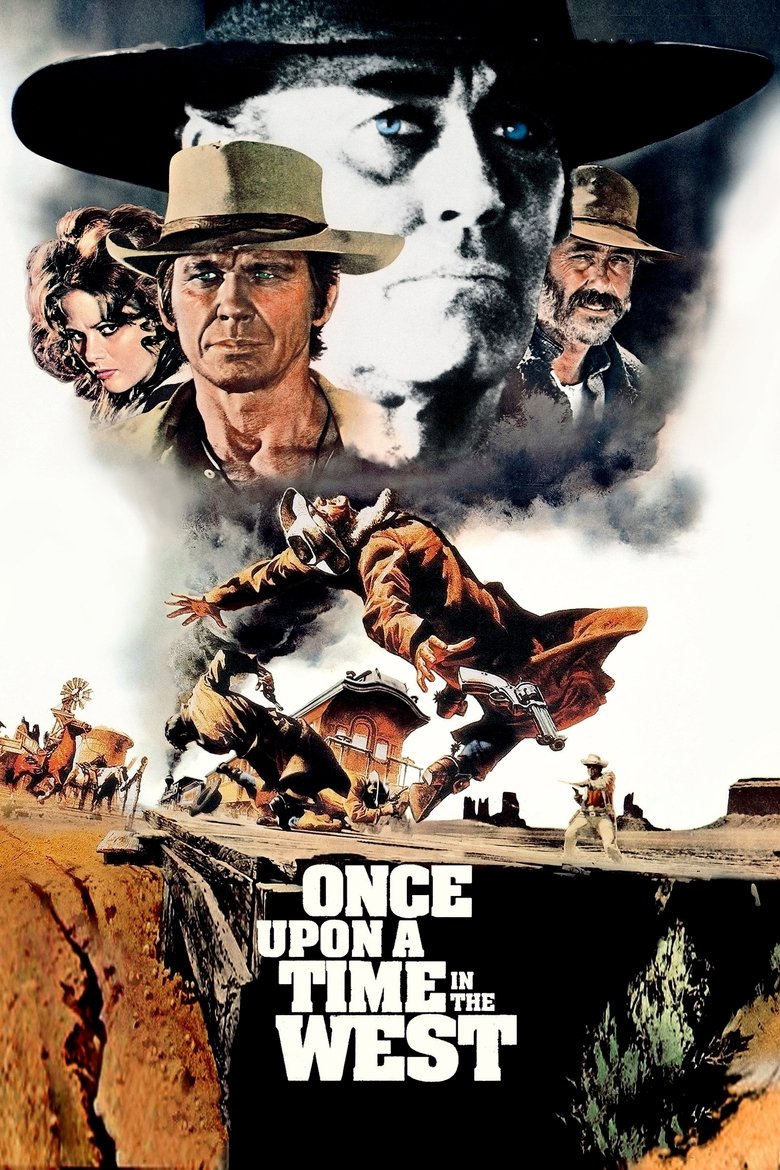
Once Upon a Time in the West 1968
Leone stretches revenge over three hours and one harmonica, withholding its cause until the end, where it arrives as an image rather than a line. The most patient vengeance in the western and the most complete.
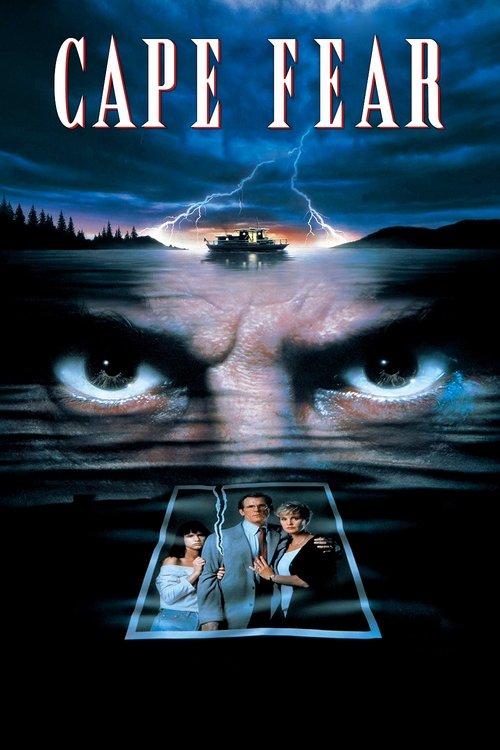
Cape Fear 1991
Scorsese remakes the 1962 thriller as an inversion: Cady's revenge is legally impeccable and morally monstrous, and the family he stalks has plenty to answer for. De Niro plays the punishment, not the villain.

Mad Max 1979
Before the mythology, a lean Australian revenge picture shot on real roads for no money: they take his family, he takes the Interceptor. Miller's cutting invented a grammar the sequels only enlarged.

Irreversible 2002
Noé tells it backwards so the revenge lands before the wound, arriving as chaos rather than justice: wrong man, wrong weapon. The structure is the indictment, and the film is genuinely hard to sit through.
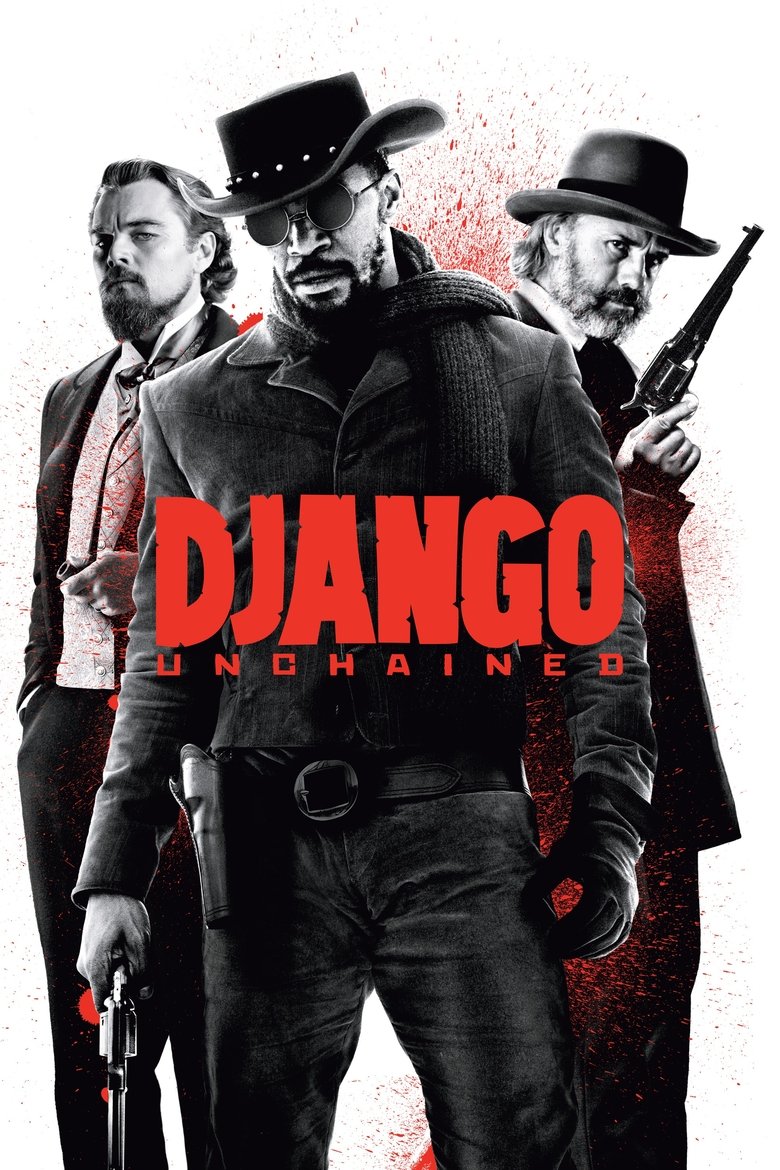
Django Unchained 2012
Tarantino aims the spaghetti western at American slavery and lets the revenge be total. It is his least morally complicated film precisely because the target is the one thing he refuses to complicate.

Thriller: A Cruel Picture 1973
The Swedish rape-revenge landmark, banned on arrival and later mined by Tarantino for Elle Driver's eyepatch. Vibenius films the retribution in numb slow motion, which is either the point or the alibi.