

The 25 Best Religious Horror Movies
Religious horror is never really about the entity. It is about authority: who is believed when they say something is wrong, who holds the licence to perform the rite, whose body becomes the ground the argument is settled on. The girl says there is something in her room and a doctor books a scan. The wife says her neighbours are planning something and her husband says she is tired. Long before anything supernatural is confirmed, the institution has already decided whose account counts, and that decision is where the fear lives.
Which is why the Church is as often the threat as the remedy. Exorcism cinema runs on procedure and paperwork, folk religion horror works because the congregation is sincere rather than deceived, and occult conspiracy films are about respectable people agreeing on something monstrous over drinks. The list also refuses to treat Catholicism as the default. Korean, Thai, Indonesian, Taiwanese, Iranian and Jewish films sit high in the ranking, because a shaman with a contract, a body that must be washed before burial, or a night spent alone with a corpse are religious mechanisms every bit as precise as a Roman rite.
How this list was built
Critical standing sets the order, but a film only qualifies if the religion is doing structural work. A crucifix used as a prop is decoration. What counts is faith that generates the plot: a rite with conditions, a doctrine that produces the guilt, an institution with an interest in the outcome. That test moves several respected titles down and several less-cited ones up, and it is the reason anti-clerical cinema ranks high here rather than being filed as costume drama.
The boundary is contested in two directions. Witch-hunting films are frequently classed as historical drama, yet the mechanism is theological: confession extracted under authority, then treated as evidence. Cult horror sits on the other border, since a commune with a calendar and a liturgy is a religion whether or not outsiders grant it the word, and the films that take that seriously are stronger than the ones that play believers as fools.
Possession is one lane among several, not the category itself. Pure hauntings live on our ghost list, where the dispute is a private debt rather than a question of who is licensed to intervene. Where a film could sit on both, it goes to the list that makes the better argument about it.
The films on this list

The Exorcist 1973
Friedkin films the rite as procedure: X-rays, spinal taps, tape recordings, then two priests reading Latin out of a manual. The terror is institutional slowness while a mother is told nothing is wrong.

Rosemary's Baby 1968
Polanski's coven wins through etiquette: neighbours, obstetrician and an ambitious husband all agree the young wife is imagining things. The conspiracy is simply consensus among respectable people.

The Wicker Man 1973
Hardy stages a collision of two faiths in which the Christian policeman is the one incapable of imagining he is wrong. The islanders are not deceived, they are devout, and they keep excellent records.

The Devils 1971
Russell puts the Church itself in the dock at Loudun: the possession is manufactured, the exorcism is public theatre, and Grandier burns for reasons of state. Still the most anti-clerical film in the genre.

The Witch 2016
Eggers rebuilds Puritan New England out of court records and sermon language, so the family destroys itself by doctrine long before any pact is offered to Thomasin. Salvation anxiety as engine.
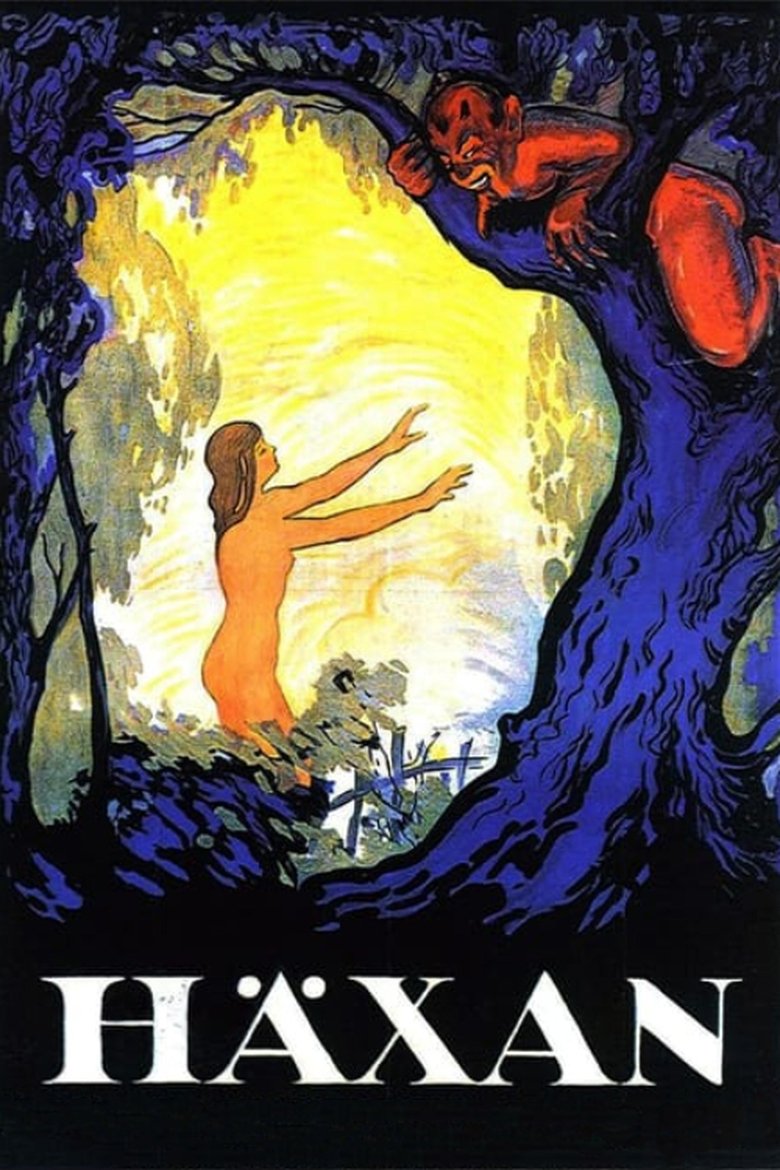
Häxan 1922
Christensen opens as a lecture on witch trials, then dramatises the torture chamber to argue that the confession is produced by the interrogator. A silent essay on how authority manufactures the guilty.

The Omen 1976
Donner treats scripture as an investigative document: verses become clues, a photographer assembles a case file, and every expert who nears the proof dies before publishing it.

Midsommar 2019
Aster's commune is a working religion with a calendar, a liturgy and a defined use for outsiders, offering a grieving woman the belonging her boyfriend withheld. All in daylight, which makes consent murkier.

The Wailing 2016
Na Hong-jin sets a shaman against a Japanese stranger and a Korean deacon, then withholds which one is the devil. The real subject is a father staking his daughter on the wrong authority.

Hereditary 2018
The cult has run for generations with the family kept as livestock, and the grief rings true precisely because nobody is permitted to know they are performing in a liturgy. The creed arrives by inheritance.

Saint Maud 2020
Glass keeps her nurse's calling unverifiable: either God speaks to Maud or a lonely woman has found a vocabulary for control. The film respects belief enough to let it turn monstrous.

Witchfinder General 1968
Reeves strips every trace of the sacred from witch-hunting: Vincent Price's Hopkins is a contractor billing parishes by the confession. English Civil War horror offering no supernatural consolation.

Prince of Darkness 1987
Carpenter hands theology to physicists: the cylinder in the church basement can be measured, and the priesthood has been running a containment programme. Faith reclassified as secret research.

The Exorcist III 1990
Blatty adapts his own novel as a police interrogation about theodicy, Kinderman arguing the problem of suffering at a man in restraints. The corridor scare is famous; the argument is why it endures.
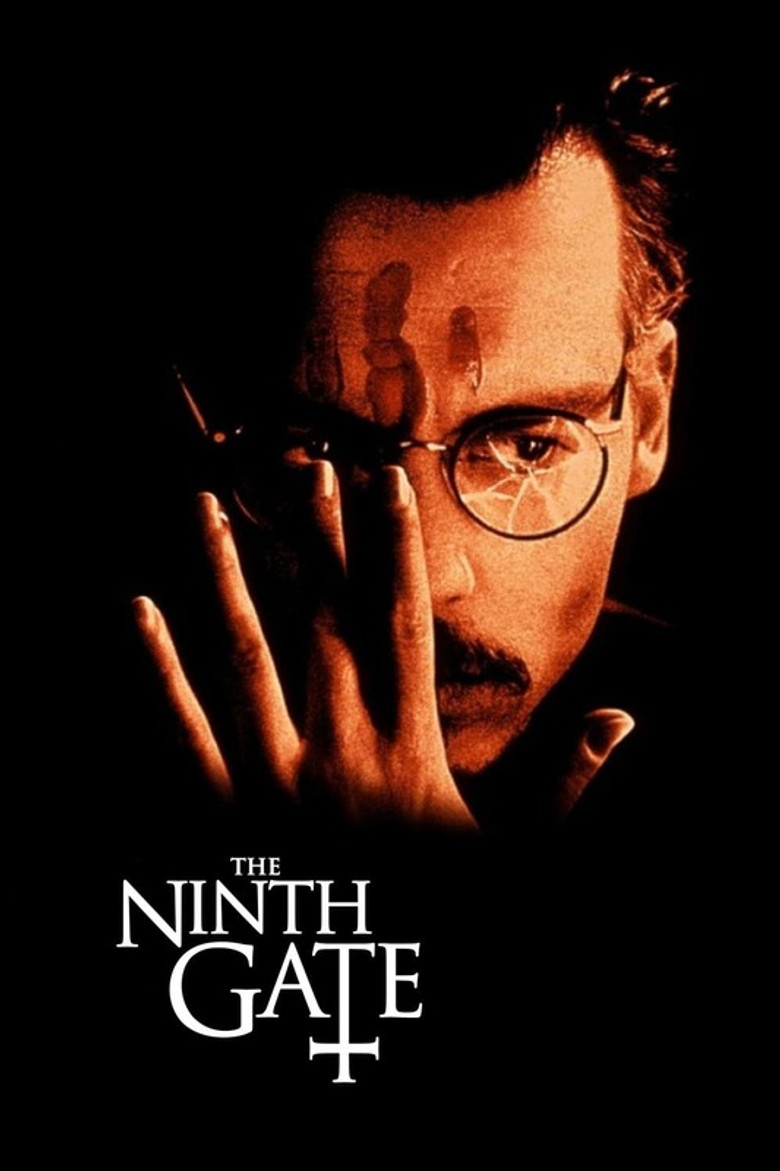
The Ninth Gate 1999
Polanski makes satanism a rare-book trade: provenance, engravings, forged plates, collectors with money. The pleasure is a cynical dealer authenticating his way into a ritual he never believed in.

Exhuma 2024
Jang Jae-hyun opens as a geomancy procedural, reading the site, quoting a fee, relocating a grave, then lets the soil give up buried colonial history. Korean ritual practice as forensic labour.

The Medium 2021
Shot as a documentary on hereditary shamanism in Isan, up to the moment the medium concedes her goddess may have left her. The crew keeps rolling, and what you watch is ritual failing on the record.

Under the Shadow 2016
Anvari lets a djinn loose in wartime Tehran, where a woman is barred from medical school and cannot step outside uncovered. The supernatural and the new order seize her by the same piece of cloth.

Satan's Slaves 2017
Anwar builds his film on Islamic funerary duty: the body must be washed, the prayers said, the grave respected. The family debt was contracted decades earlier in exchange for a little fame.
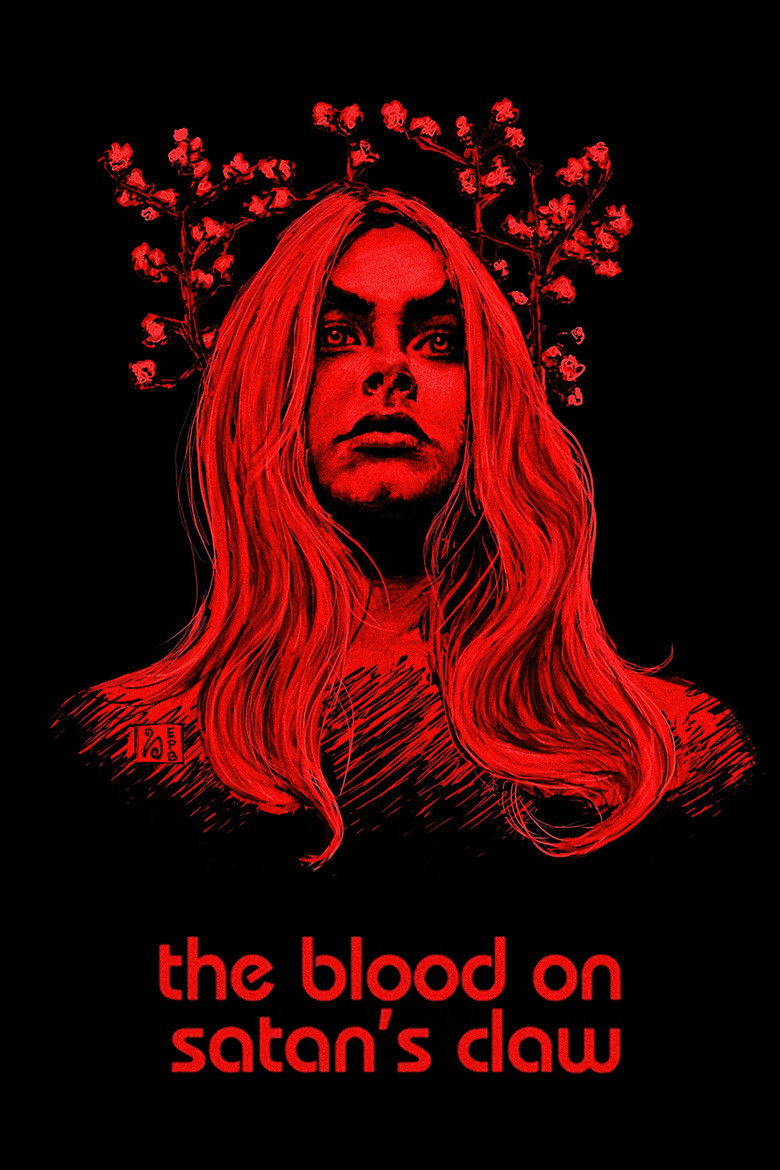
The Blood on Satan's Claw 1971
Haggard's village children found their own faith in a field, and adult authority, magistrate and clergyman alike, has nothing to answer it with. Folk horror's founding text on belief outside the parish.
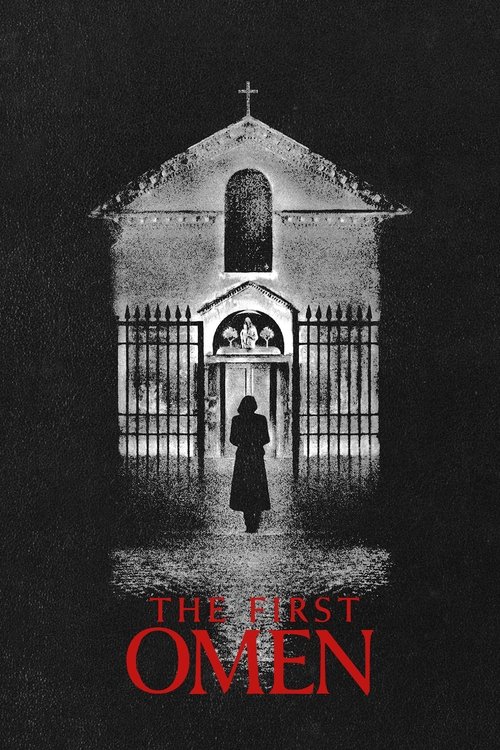
The First Omen 2024
Stevenson reframes the prophecy as institutional abuse: the Church engineers the birth to win back the faithful, and a novice's body is the equipment. The strongest studio horror debut in years.

The Vigil 2020
Thomas shuts a lapsed Hasidic man in for one night with a corpse as shomer, while the mazzik feeds on Holocaust memory. Jewish observance is the mechanism here, not the set dressing.

The Exorcism of Emily Rose 2005
The strong move is judicial: a priest prosecuted for negligent homicide, a jury asked to decide whether a rite counts as treatment. The courtroom rules on what theology never could.

Angel Heart 1987
Parker crosses hardboiled detection with Louisiana ritual and makes the client the creditor. Fans, mirrors and elevator cages all count down to a contract signed long before the case opened.

The Devil Rides Out 1968
Fisher and screenwriter Richard Matheson take Dennis Wheatley seriously: the occult is a technical discipline with chalk circles, exact pronunciation and immediate penalties for error.