

The 25 Best Post-Apocalyptic Horror Movies
Apocalypse is an event; dystopia is a system. This list is about the event and the long morning after it, when electricity is a memory and the only surviving institution is whoever happens to be holding the keys. The films here disagree with each other, loudly, about what that produces.
George Miller says the survivors will build a religion. Cormac McCarthy, through John Hillcoat, says they will build nothing and eat each other. Richard Lester says they will keep filing paperwork. Ranked from the essential to the specialist, and the disagreement is the whole point.
How this list was built
The dividing line is structural collapse. A film qualifies when the machinery of ordinary life has already stopped: no functioning state, no supply chain, no authority beyond the one in the room. That rules out the oppressive-future picture, where the state is very much alive and that is precisely the problem. A regime with working trains and a surveillance budget is not an apocalypse, however unpleasant it is to live under.
Within that boundary we sorted by what each film thinks people do next. The survivalist siege fortifies and appoints a leader. The road film keeps moving and measures decency in miles. The infection collapse turns the crowd itself into the threat. The quiet depopulated world removes everyone and studies the one left behind. The absurdist apocalypse keeps the manners and loses the planet, which is often the hardest version to sit through.
Zombie outbreak and pure survival horror have their own lists on this site, and the borders are porous: several titles here could sit on either. We kept the ones where the collapse itself is the subject rather than the setting, and left the cabin siege and the shambling crowd to do their work elsewhere.
The films on this list
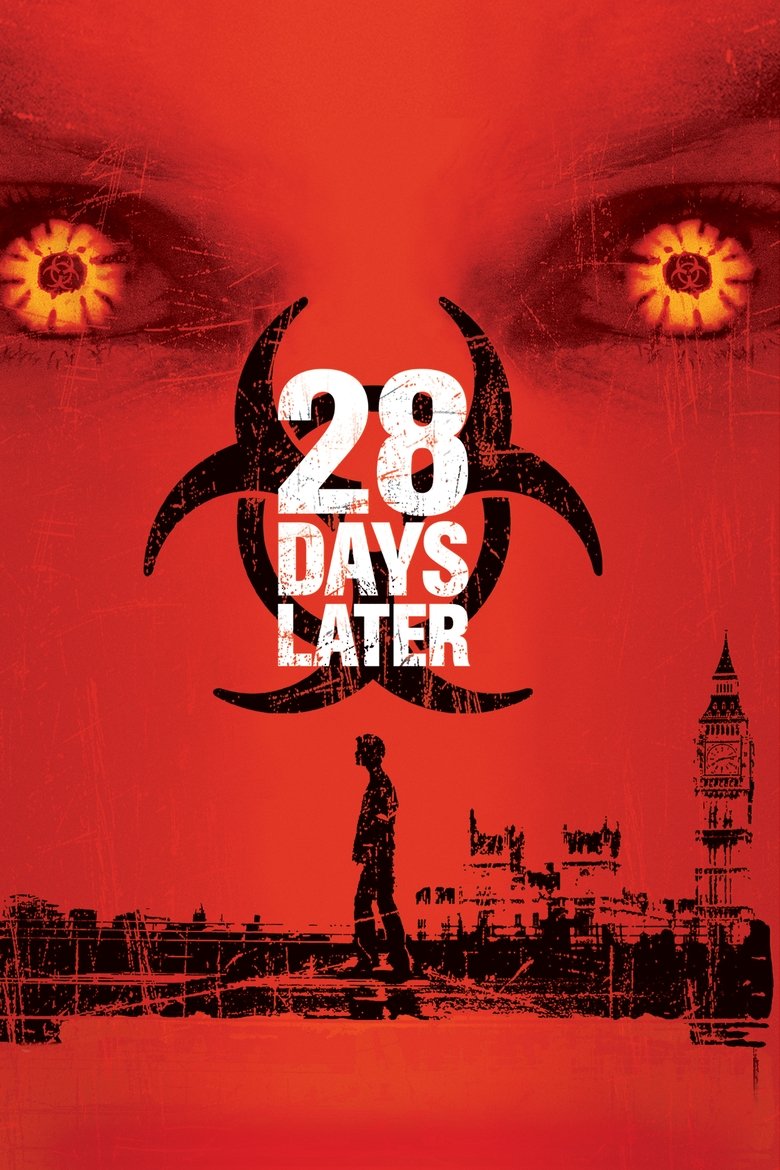
28 Days Later 2002
Boyle shot an emptied London on consumer video and made the texture part of the argument. The infected turn out to be almost beside the point next to Eccleston's soldiers, who already know what they want from the end of the world.

The Road 2009
Hillcoat films McCarthy's novel as a logistics problem: calories, shoes, a cart, a revolver with two rounds left. The horror stays administrative until it doesn't, and Mortensen plays a man rationing his own decency.

Mad Max 2 1981
Miller invents the grammar every road picture since has borrowed, then hangs it on a fuel depot under siege. Humungus and his crew are not monsters, they are a functioning society with a hierarchy and a leader, which is the unsettling part.

Day of the Dead 1985
The one Romero set long after the loss, with soldiers and scientists locked in a Florida bunker arguing over a domesticated corpse. Savini's effects land hardest because the humans lost the argument first.
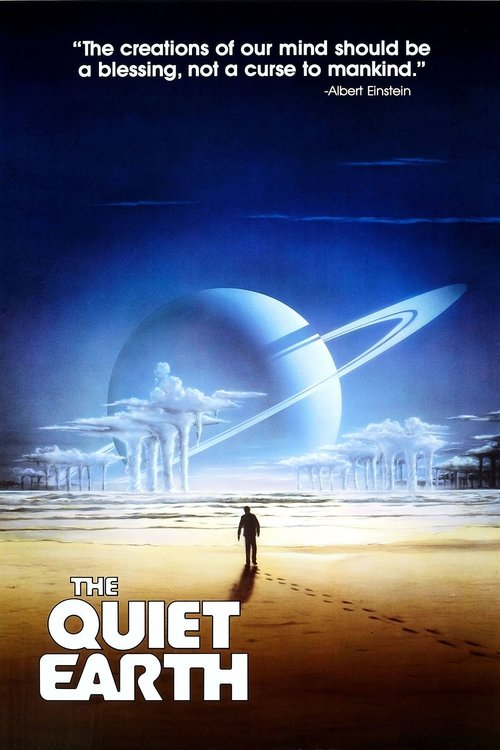
The Quiet Earth 1985
Murphy hands Bruno Lawrence an entire depopulated New Zealand and watches him furnish it, dress up in it and lose his mind politely in it. The last act's cosmology is stranger than the premise ever promised.

Mad Max: Fury Road 2015
Thirty years later Miller returns to say the collapse has become a theology: water as sacrament, blood as currency, boys raised to die well. The chase is the plot and the plot is a prison break led by Furiosa.

The Sadness 2021
Jabbaz takes the Crossed premise literally: the infected keep their intelligence, their vocabulary and their appetites. The Taipei commuter train sequence is the most sustained piece of atrocity staging of its decade.
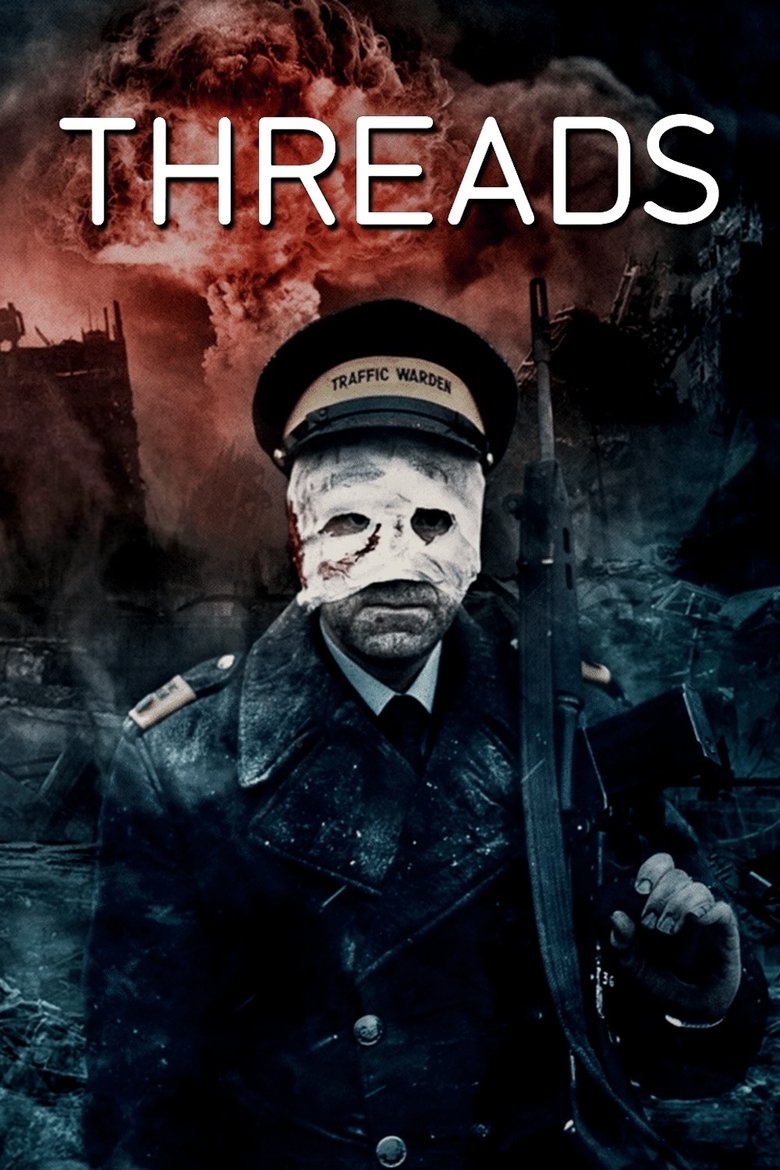
Threads 1985
Jackson is procedural to the point of cruelty, following Sheffield from council contingency memos through the strike to a girl who can no longer form a sentence. Nothing in fiction has matched its refusal of consolation.

Delicatessen 1991
Jeunet and Caro answer the question with a butcher's shop: once the grain runs out, the tenants upstairs become inventory. Sepia slapstick built around a genuinely mean joke about how fast a building agrees to eat its guests.
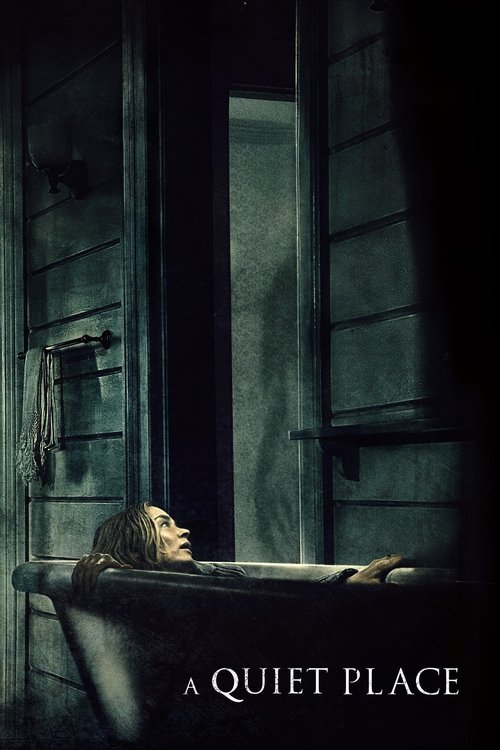
A Quiet Place 2018
The whole film is built out of sound design and a family's household rules: sand paths, board games without dice, one nail left standing on a step. Discipline standing in for love, and a deaf daughter who resents both.

Dead Man's Letters 1986
Lopushansky, out of Tarkovsky's workshop, soaks the ruins in bile yellow and gives his Nobel laureate one occupation: writing to a son who is certainly dead. The children in the final reel are the only argument the film offers.
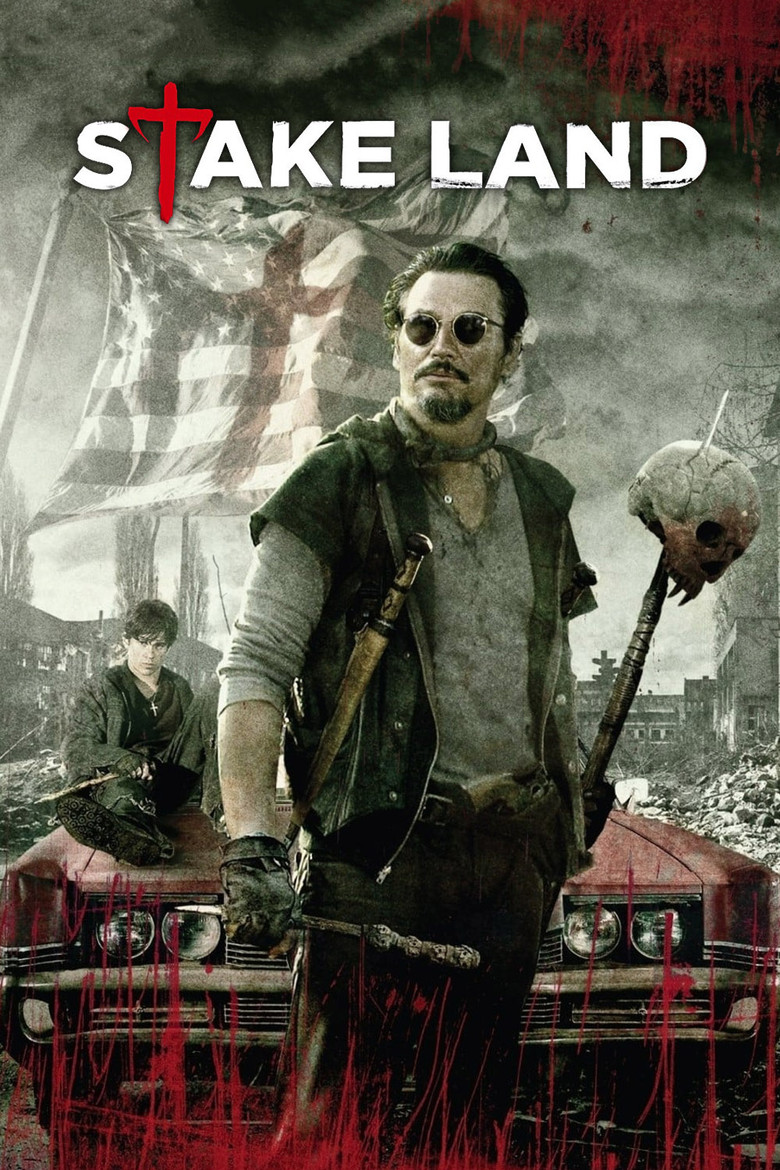
Stake Land 2010
Mickle's vampires are a weather condition. The human problem is the Brotherhood, a militia reading the collapse as scripture, and the film runs as a plain American road picture with a mentor, a kid and a stake.
Ravenous 2017
Aubert sets the end of the world in rural Québec and gives the infected a culture: they stack furniture into totems and gather around them. Best Canadian Film at Toronto, six Prix Iris, and not one line of explanation.

The Girl with All the Gifts 2016
McCarthy films Carey's novel as a handover rather than a rescue: the fungal children are not a cure waiting to be found, they are the species that follows. Sennia Nanua plays her courteous, curious and unsentimental about us.

Pontypool 2009
McDonald keeps a shock jock in a church basement studio while the infection travels through the English language itself. Stephen McHattie's voice does the work three hundred extras would do anywhere else.

The Last Man on Earth 1964
The first pass at Matheson's novel, shot cheap in Rome with Vincent Price narrating his own routine: garlic, generator, bodies burned at the pit. The only version that keeps the ending where the survivor is the monster.

No Blade of Grass 1970
A crop virus empties Britain and Wilde sends a middle-class family north toward a farm, shedding manners at every roadblock. The film counts each stage of the descent with a brutality unusual for 1970.

A Boy and His Dog 1975
Ellison's novella filmed as a scavenger comedy above ground and a nightmare of Middle American pageantry below it. Don Johnson, a telepathic terrier, and a punchline that has been offending audiences for fifty years.
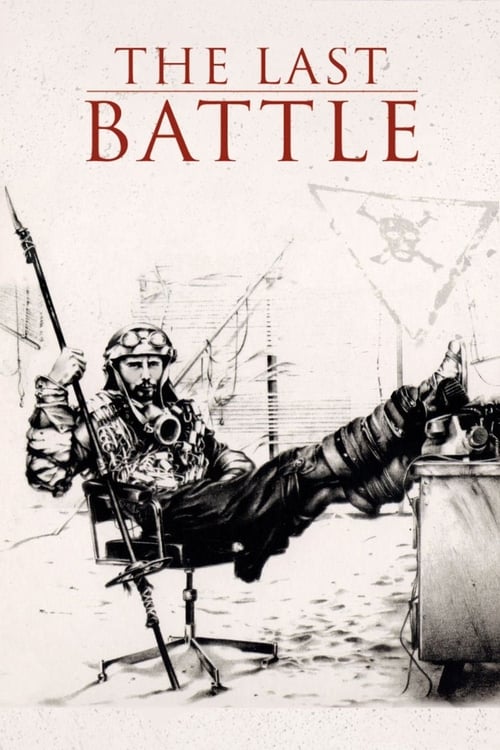
The Last Battle 1983
Besson's first feature, in black and white and without a single line of dialogue, because speech is one of the things the catastrophe took. Jean Reno as the antagonist, a shop mannequin as the object of desire.

The Divide 2012
Nine tenants in a New York basement after the strike, and Gens is only interested in the sixth week. Michael Biehn's superintendent holds the keys, and the film becomes a study in how fast a room appoints a warden.
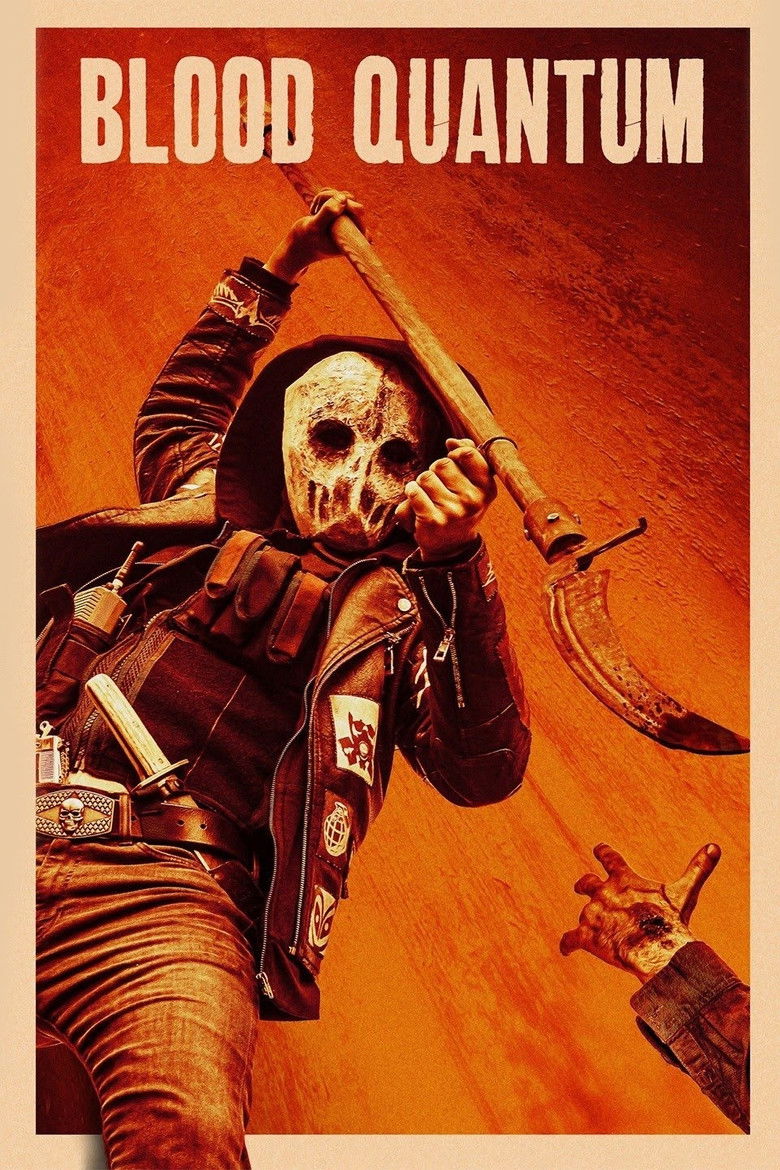
Blood Quantum 2019
Barnaby sets the outbreak on the Red Crow reserve in 1981, the year of the Listuguj raids, and makes Mi'gmaq immunity the political engine of the whole plot. The gate belongs to them, and so does the decision about who comes in.

Hardware 1990
Stanley builds an irradiated Earth out of scrap, Iggy Pop on the radio and a self-repairing MARK-13 droid designed to thin the population. Industrial horror that treats the apocalypse as a going concern.

The World, the Flesh and the Devil 1959
MacDougall empties Manhattan for Harry Belafonte, then adds a white woman and a white man and lets 1959 decide what the emptiness is for. Segregation smuggled onto the screen as a last-survivors picture.

Panic in Year Zero! 1962
Milland directs and stars as a father who hears Los Angeles go and immediately starts stealing, barricading and shooting. The discomfort is that the film endorses his method, then cannot decide where to stop.

The Bed Sitting Room 1969
Three years after a nuclear war lasting under three minutes, a couple of dozen survivors keep observing protocol while one man mutates into a rented room. Lester and Spike Milligan treat the end of England as an etiquette problem.