Best Kung Fu Movies
Kung fu cinema is choreography as storytelling: the plot is in the fists, the philosophy is in the training hall, and the grindhouse circuit fell in love with it for good reason. The Shaw Brothers built the vocabulary, Bruce Lee electrified it, and the wire-fu era gave it wings.
This list crosses specialist rankings and fan canons to map the essential styles, from the 36th Chamber to the modern revival.
Watch these free right now
From the training hall to the grindhouse
The 36th Chamber of Shaolin remains the perfect kung fu film because it is almost entirely training: discipline as narrative, mastery as climax. The Venoms films answered with masked pulp invention, and Jackie Chan added slapstick timing that Buster Keaton would have recognized.
These films shared 42nd Street double bills with blaxploitation and Italian gore, which is exactly the company they keep on this platform.
The films on this list
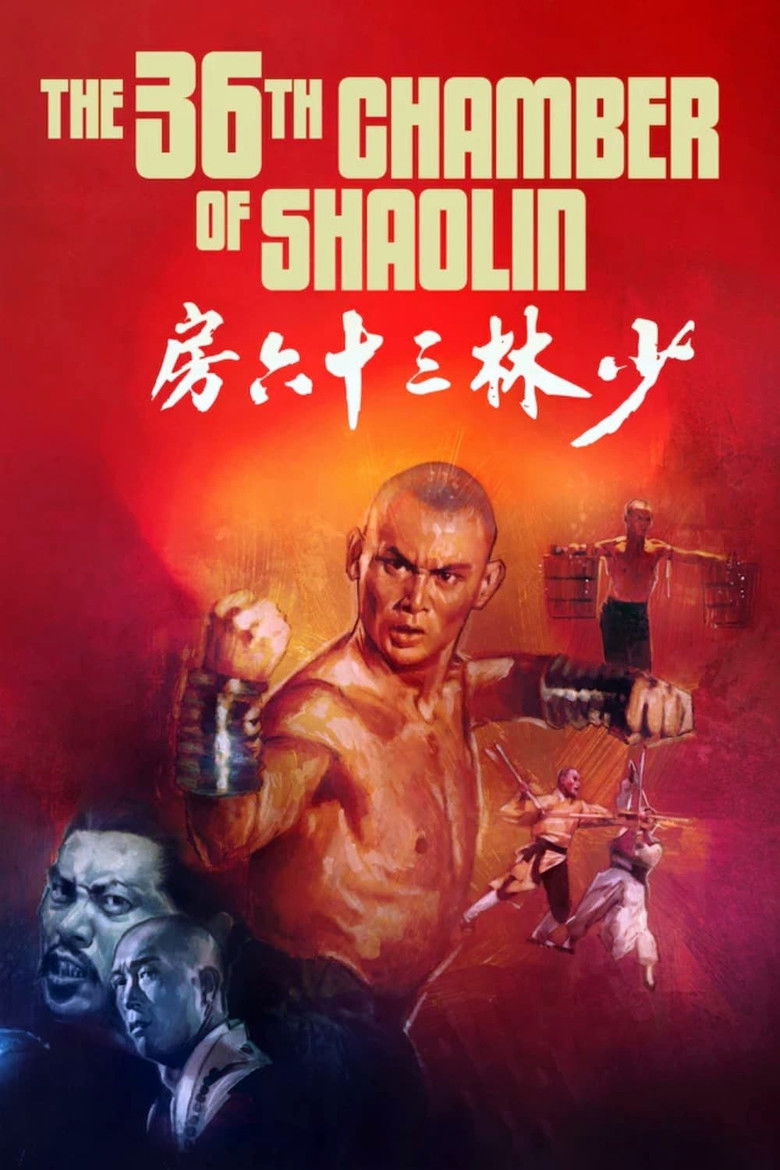
The 36th Chamber of Shaolin 1978
Lau Kar-leung's template: two thirds training, each chamber a discipline, mastery earned in front of you rather than assumed. Gordon Liu carries it, and every training montage since owes this film its structure.
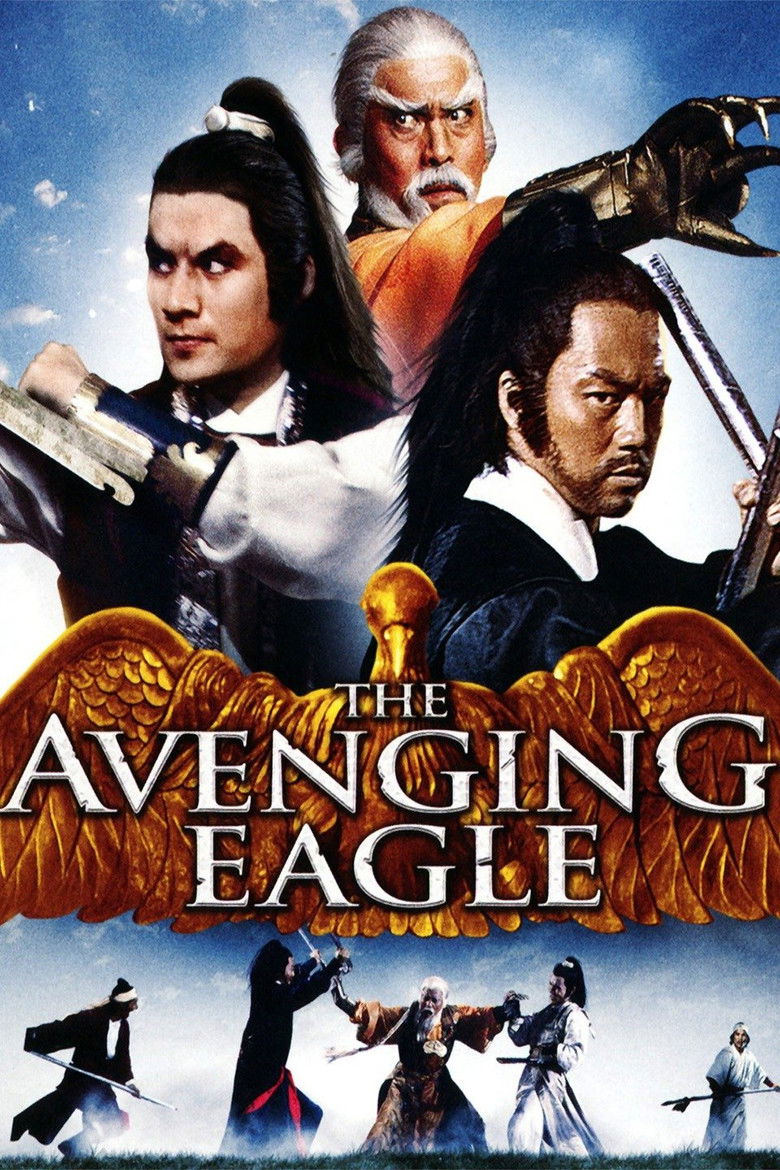
The Avenging Eagle 1978
Sun Chung shoots Shaw Brothers wuxia with a handheld looseness the studio rarely allowed, and sets Ti Lung's guilt against Fu Sheng's charm. Underseen, and one of the most emotionally direct of the cycle.

Enter the Dragon 1973
The Hong Kong-Hollywood handshake that made Bruce Lee global, five weeks before he died. Clouse directs the plot; Lee directs himself, and the hall-of-mirrors finale is his own idea.

Master of the Flying Guillotine 1976
Jimmy Wang Yu directs and stars: a blind Qing assassin with a bladed hat on a chain hunting the One-Armed Boxer, by way of a tournament of national stereotypes. Delirious, and Tarantino lifted the theme music.

Crippled Avengers 1978
Chang Cheh at his most gleefully cruel: four men maimed by a tyrant train around their injuries and come back for him. The Venoms turn disability into choreography, which is either brilliant or unforgivable.

Come Drink with Me 1966
King Hu's Shaw breakthrough and the film that made Cheng Pei-pei a swordswoman star. The fights are staged like Peking opera - beats, poses, timing - and the whole wuxia revival starts in this inn.
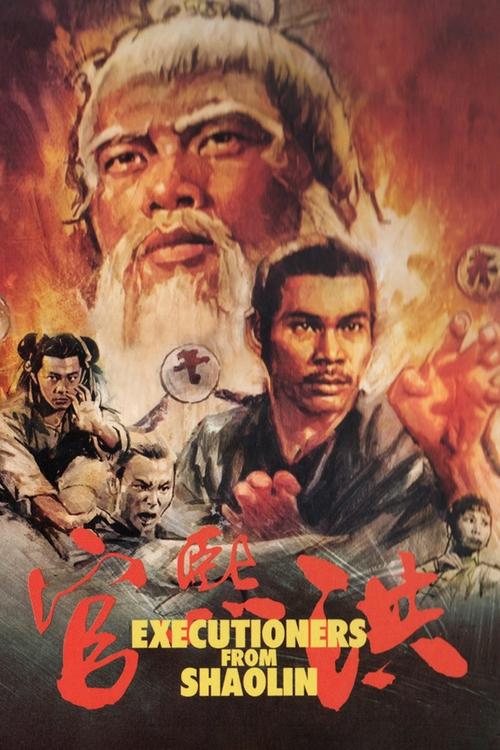
Executioners from Shaolin 1977
A history lesson disguised as a grudge match: Hung Hei-kwun against Pai Mei, tiger style against an invulnerable body, resolved only when a son learns his mother's crane. Lau Kar-leung makes lineage the plot.
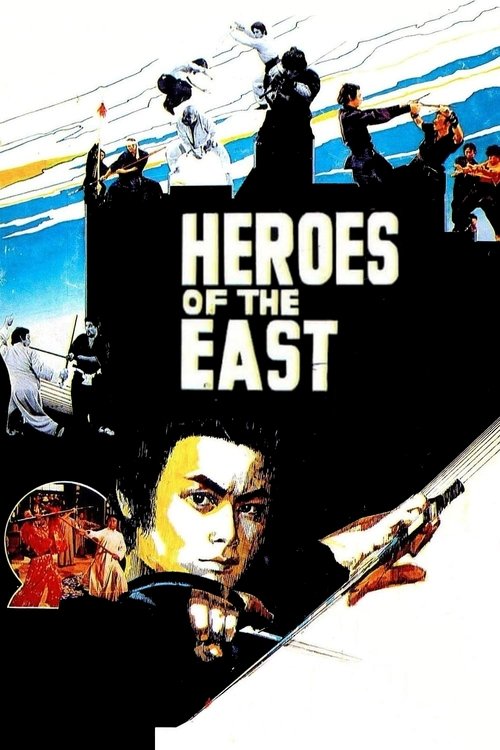
Heroes of the East 1978
The rare kung fu film where nobody needs to die: a marriage becomes a Chinese-versus-Japanese styles exhibition, weapon by weapon, with real respect on both sides. Lau Kar-leung's most generous work.

The One-Armed Swordsman 1967
The film that made Hong Kong cinema male, bloody and modern: Chang Cheh's yanggang ethos in one image, a swordsman rebuilding his style around a severed arm. Its record gross redirected an entire industry.

The Prodigal Son 1981
Sammo Hung's wing chun masterwork, and arguably the best-choreographed film of its era: Yuen Biao discovers he was never any good, and Lam Ching-ying's opera-trained precision does the teaching.

Crouching Tiger, Hidden Dragon 2000
Ang Lee made wuxia legible to audiences who had never seen any, with Yuen Woo-ping wiring Michelle Yeoh and Zhang Ziyi across the rooftops. Four Oscars, and purists have been arguing about it ever since.

Drunken Master 1978
The pivot: Yuen Woo-ping and Jackie Chan ditch the stoic avenger for a brat who learns drunken boxing from a drunk. Comic timing becomes the action itself, and the post-Bruce Lee dead end closes.
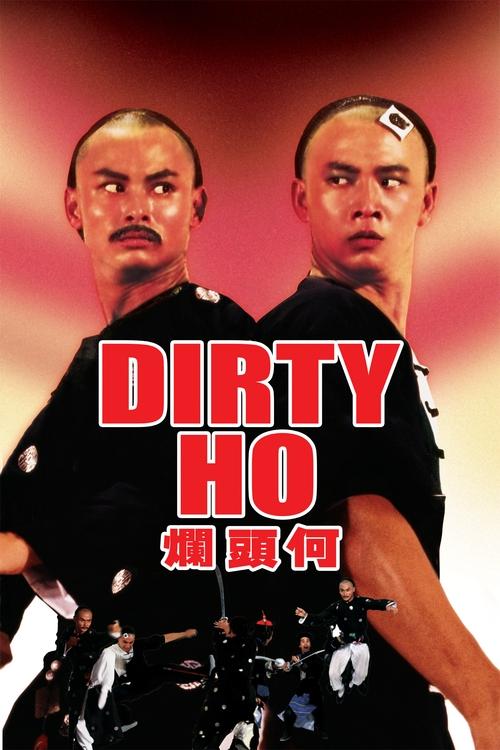
Dirty Ho 1979
The most inventive fights of Lau Kar-leung's career: a prince who must not appear to be fighting, so the combat hides inside a wine tasting, a lute recital and a servant's arms. Kung fu as sleight of hand.

Ip Man 2008
Donnie Yen turned Ip Man into a national icon of restraint, and Sammo Hung's action direction gave wing chun a clean screen grammar. The politics are shameless; the ten-black-belts scene is undeniable.

Iron Monkey 1993
Peak wire-fu: Yuen Woo-ping and producer Tsui Hark launch bodies off walls and burning poles with a lightness the CGI era never recovered. Donnie Yen plays Wong Fei-hung's father, which is half the joke.
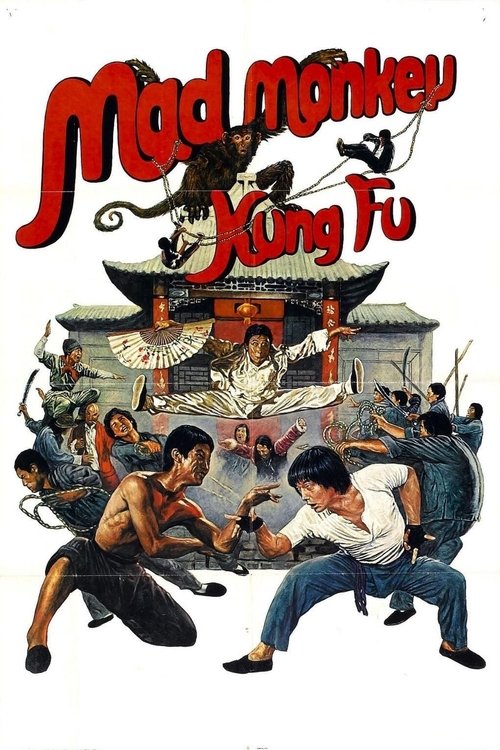
Mad Monkey Kung Fu 1979
Lau Kar-leung casts himself as a maimed opera performer teaching monkey style to a street hustler, and the monkey work from Hsiao Ho is astonishing. Bleaker underneath the acrobatics than it first looks.
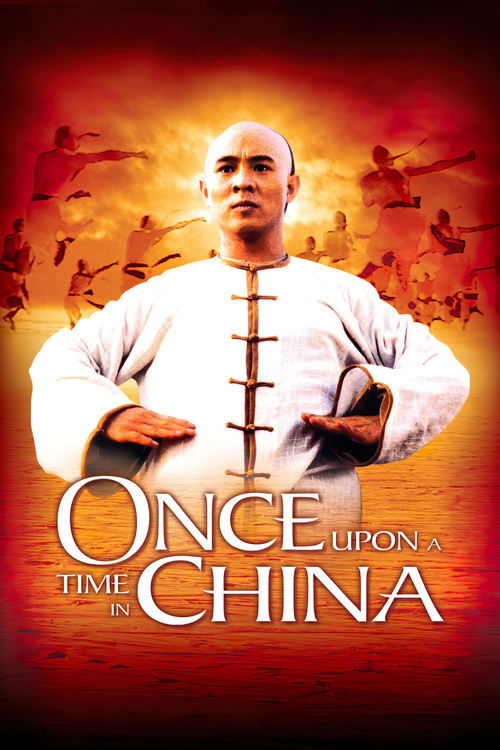
Once Upon a Time in China 1991
Tsui Hark reclaims Wong Fei-hung for the handover era, and Jet Li plays him as a man watching his country get sold. The ladder fight is the set piece; the melancholy is what lasts.
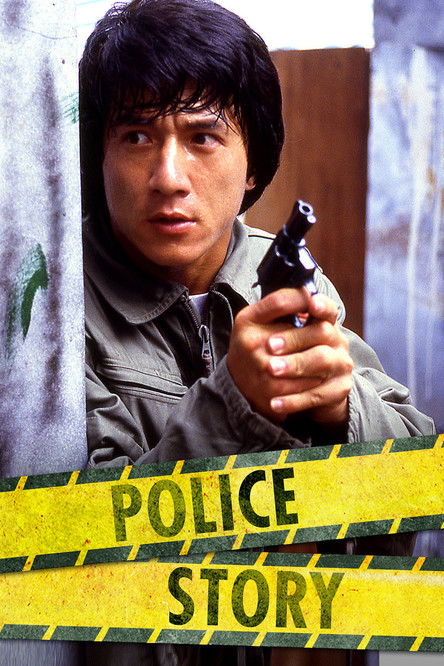
Police Story 1985
Chan directing himself at his most reckless: the crew nicknamed the mall finale Glass Story, and the pole slide through live lights cost him his back. Stunt cinema with the invoice attached in the credits.

Snake in the Eagle's Shadow 1978
Yuen Woo-ping's directing debut and the first Jackie Chan film that sounds like Jackie Chan: snake style, an underdog, jokes landing on the beat. Drunken Master followed the same year and finished the job.
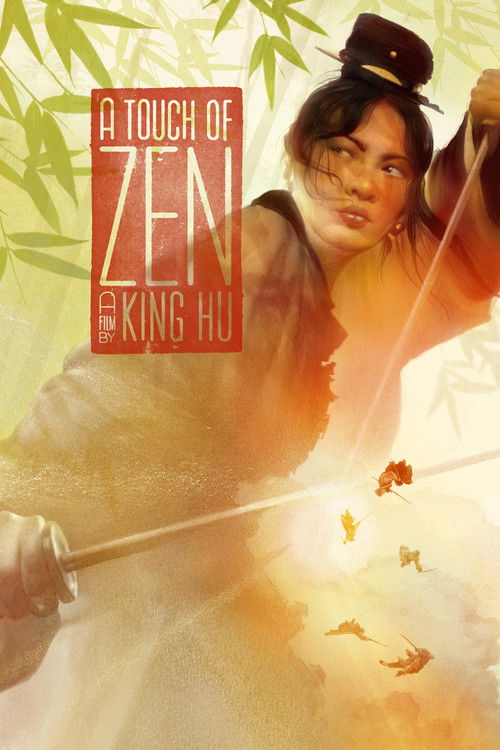
A Touch of Zen 1970
King Hu's three-hour Taiwanese epic, which lets a swordplay plot drift toward Buddhist metaphysics. The bamboo forest ambush is the most copied sequence in the tradition, Ang Lee very much included.
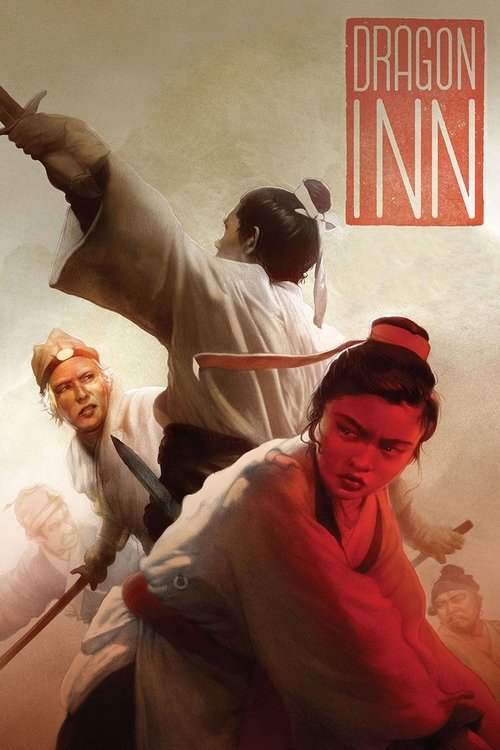
Dragon Inn 1967
One inn, one night, and everyone who walks in is armed: Hu compresses court intrigue into a single location and paces it like a stage thriller. The Taiwanese production that proved he did not need Shaw.

Five Fingers of Death 1972
King Boxer under its US title, and the film that actually broke kung fu in America - number one at the box office before Bruce Lee arrived. Lo Lieh's glowing iron palm, and the sting Tarantino borrowed.