Best Korean Horror Movies
Korean horror likes to smuggle violence through feeling. Family melodrama, class humiliation, revenge, religious panic, and social collapse all slide naturally into its genre machinery. That is why the best Korean horror movies rarely stay inside one clean box. A ghost story becomes a family tragedy. A monster movie becomes a state indictment. A serial-killer pursuit becomes a study in self-corruption. What connects these films is not a single aesthetic recipe, but a ferocious willingness to let emotion and brutality sharpen each other.
The best Korean horror resists simplification because the cinema keeps changing masks: ghost film, creature feature, revenge spiral, school nightmare and vampire melodrama all carry the same pressures of class anxiety, family damage and institutional failure. That range is why it remains one of modern genre cinema's strongest traditions.
The films on this list

A Tale of Two Sisters 2003
Kim Jee-woon turns domestic grief into a great modern ghost melodrama, the house already damaged before the supernatural declares itself. The lacquered design hides an emotional architecture of fracture, guilt and repression.

The Wailing 2016
Na Hong-jin keeps widening his crisis until police procedure, village rumor, Christian ritual and shamanism all look compromised. The film earns its scale by making uncertainty itself feel contagious.
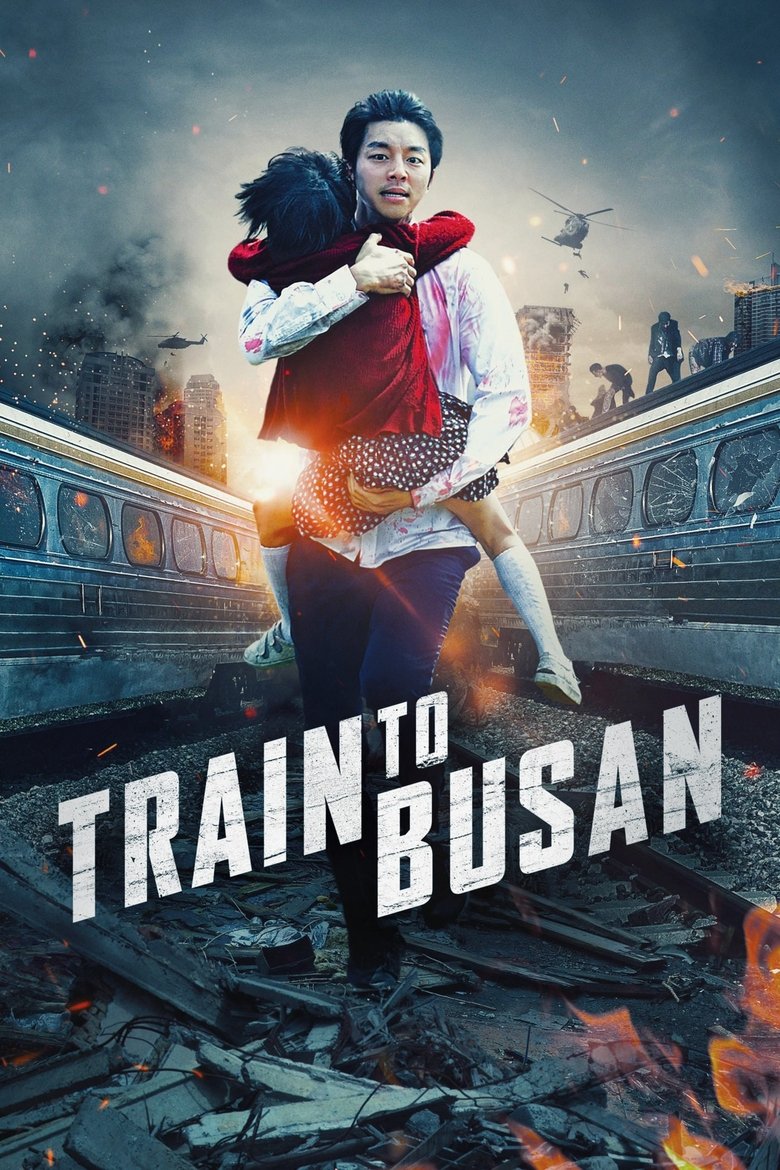
Train to Busan 2016
Yeon Sang-ho gives the zombie film velocity without losing class clarity, turning each train carriage into a test of selfishness and sacrifice. The outbreak thrills; the social cruelty around it gives the film its bite.

I Saw the Devil 2010
Revenge horror disguised as procedural, where Kim Jee-woon shows how quickly vengeance reorganizes a person around proximity to monstrosity. The killer is appalling; the avenger's choice of contamination over closure is worse.
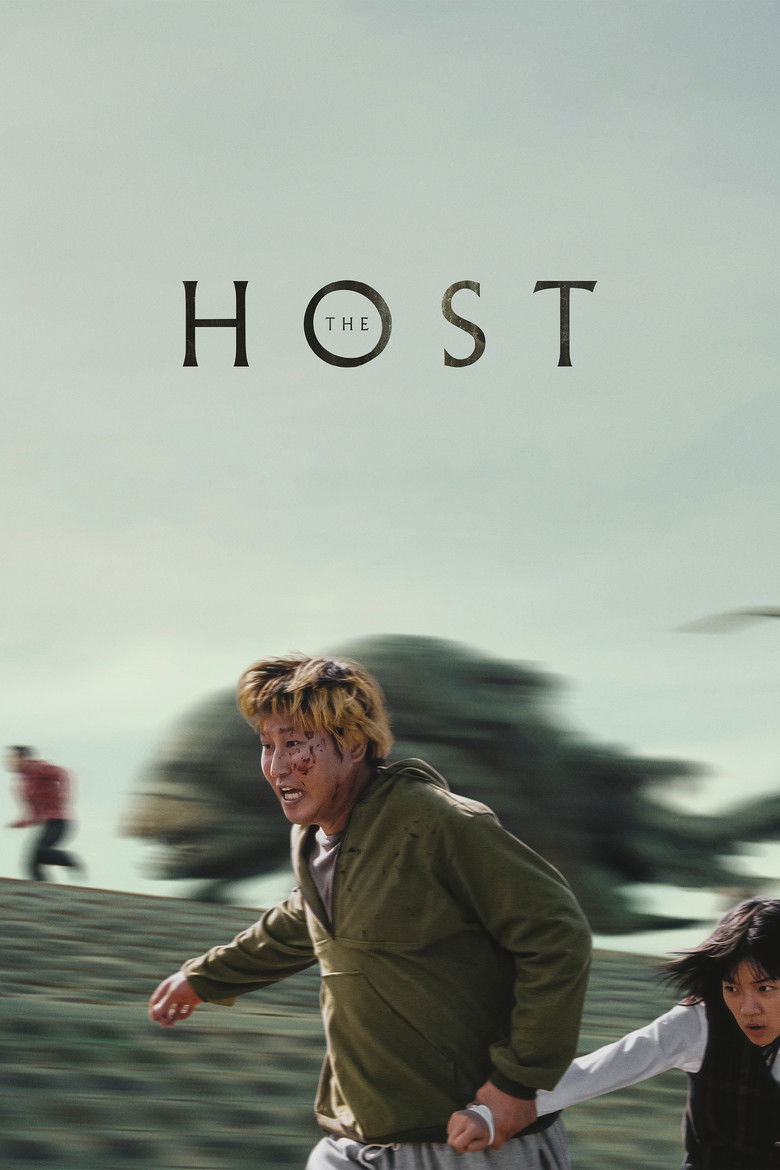
The Host 2006
Bong Joon-ho makes a mutant-creature movie that is also a family comedy and a furious portrait of institutional failure. The monster is memorable, but the humiliation of ordinary people by media and state is what lingers.

Whispering Corridors 1998
Park Ki-hyung places the ghost story inside school discipline and lets hierarchy do half the haunting. The supernatural feels less imported than generated by the place itself.

Gonjiam: Haunted Asylum 2018
Jung Bum-shik updates horror for the livestream age without flattering it, starting in cynical content creation and steadily stripping away the performers' control. Mean, modern and smart about how audience demand becomes a trap.
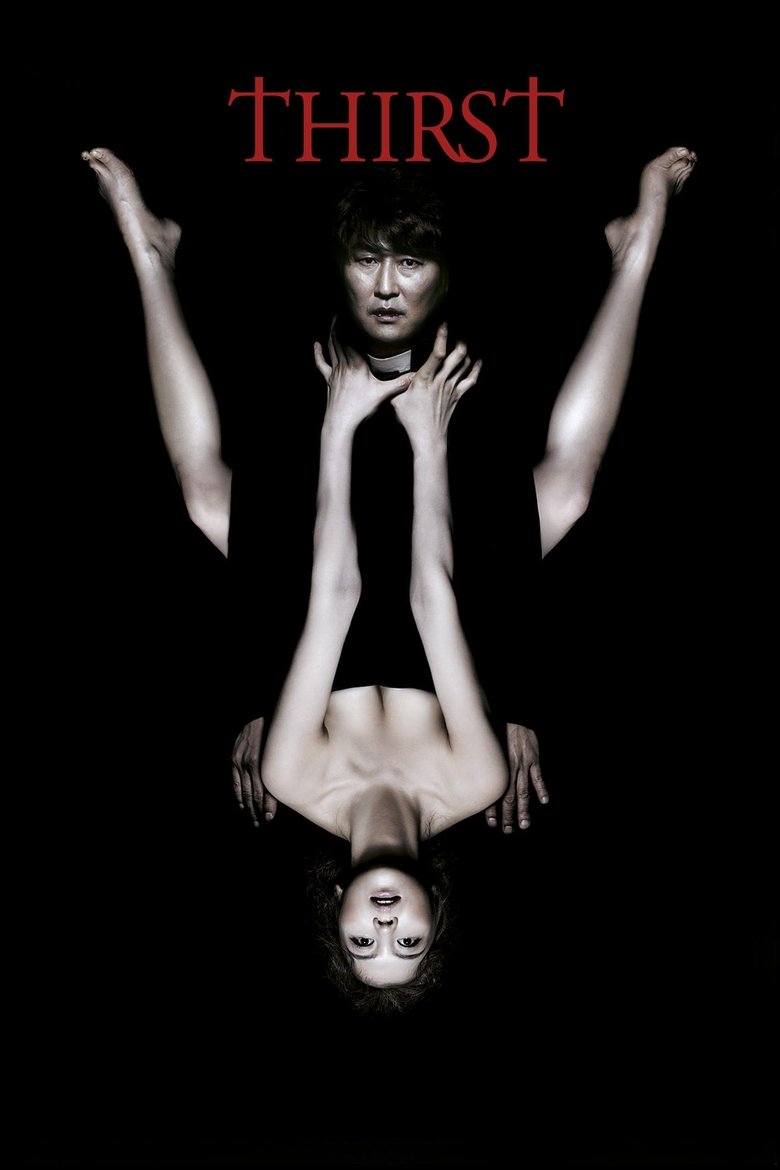
Thirst 2009
Park Chan-wook makes the vampire film indecently alive, mixing Catholic guilt, erotic hunger and black comedy until vampirism looks like the most honest expression of desire. A reminder Korean horror can be wickedly sensual and funny.
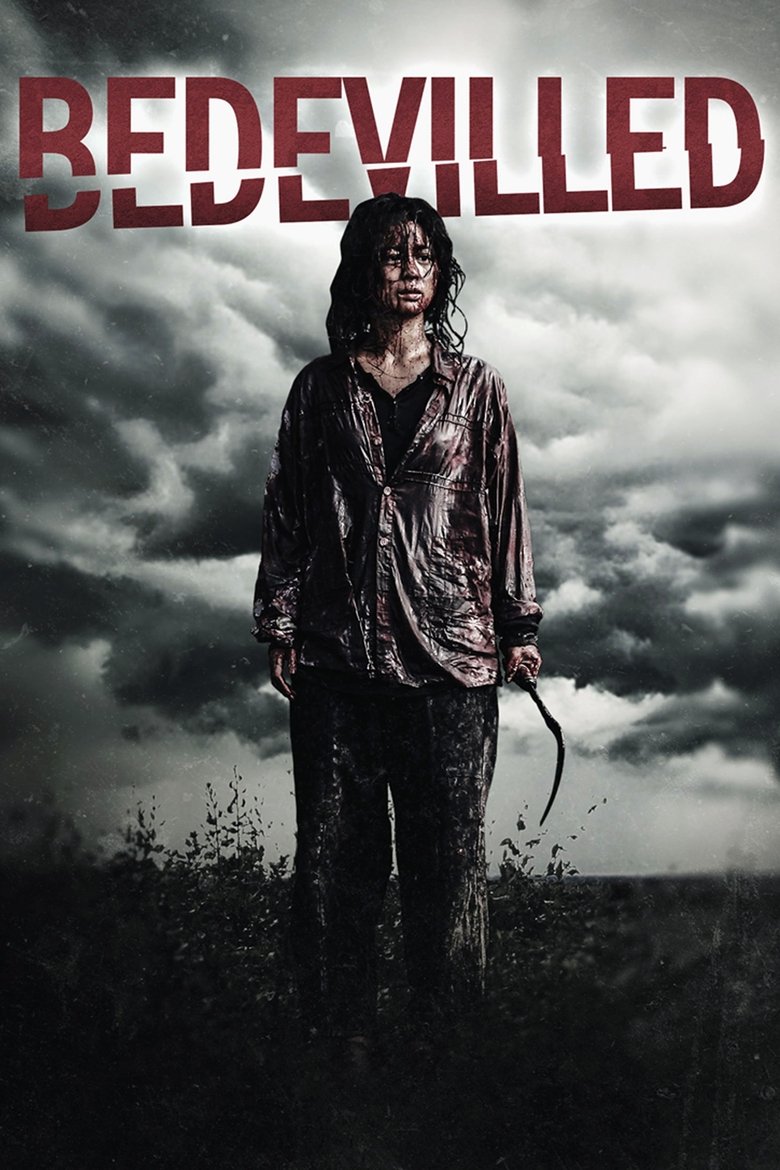
Bedevilled 2010
Jang Cheol-soo builds his island as a closed economy of complicity, where everyone's small cruelties compound until the arithmetic comes due. The city visitor's politeness is its own form of violence.
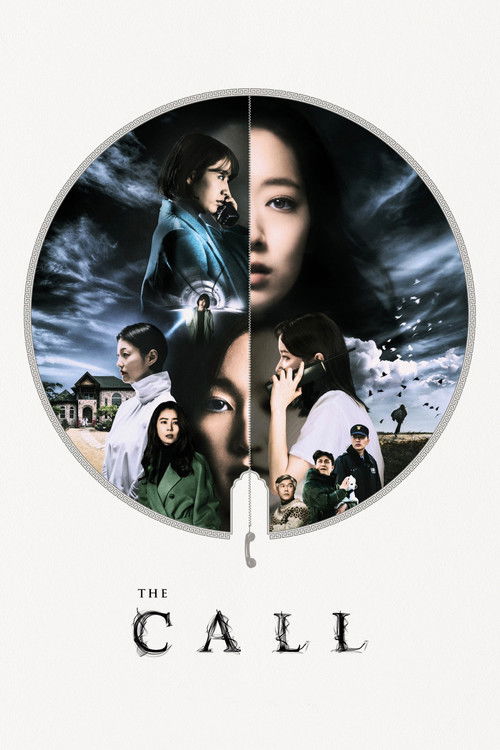
The Call 2020
Lee Chung-hyun runs two timelines through one landline and lets the past renegotiate the present in real time. Jeon Jong-seo plays her side of the call like a predator who has just discovered leverage.

The Medium 2021
Banjong Pisanthanakun points a documentary crew at an inherited shamanic office and films the paperwork of faith until believing starts to cost something. Na Hong-jin's fingerprints are all over the dread.
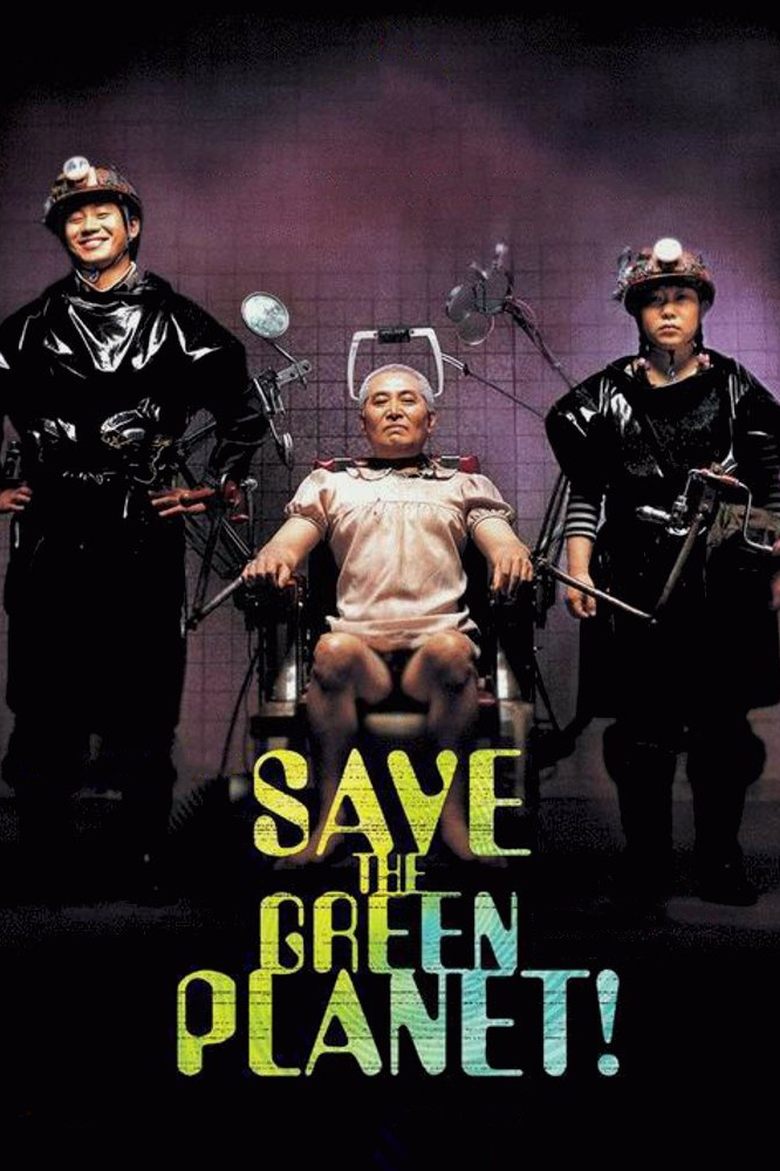
Save the Green Planet! 2003
Jang Joon-hwan swings from slapstick to torture to genuine pathos without signalling the changes, so the tonal whiplash becomes the argument. Class rage and paranoia share a vocabulary here.

Monstrum 2018
Huh Jong-ho makes his Joseon-era beast a piece of court propaganda made flesh: the monster is convenient for whoever needs the capital afraid. The creature work is blunt, the political reading is not.

The Mimic 2017
Huh Jung works the Jangsan folk legend into a mother's unfinished grief, then lets a voice do the damage no monster needs to. Sound design carries the entire threat.
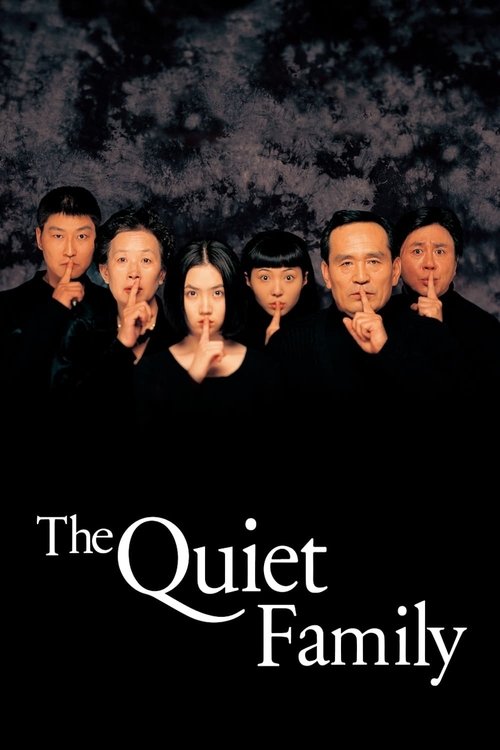
The Quiet Family 1998
Kim Jee-woon's debut plays a family business collapsing into homicide as an administrative problem, all shovels and scheduling. Miike later remade it with songs, which tells you how elastic the joke is.
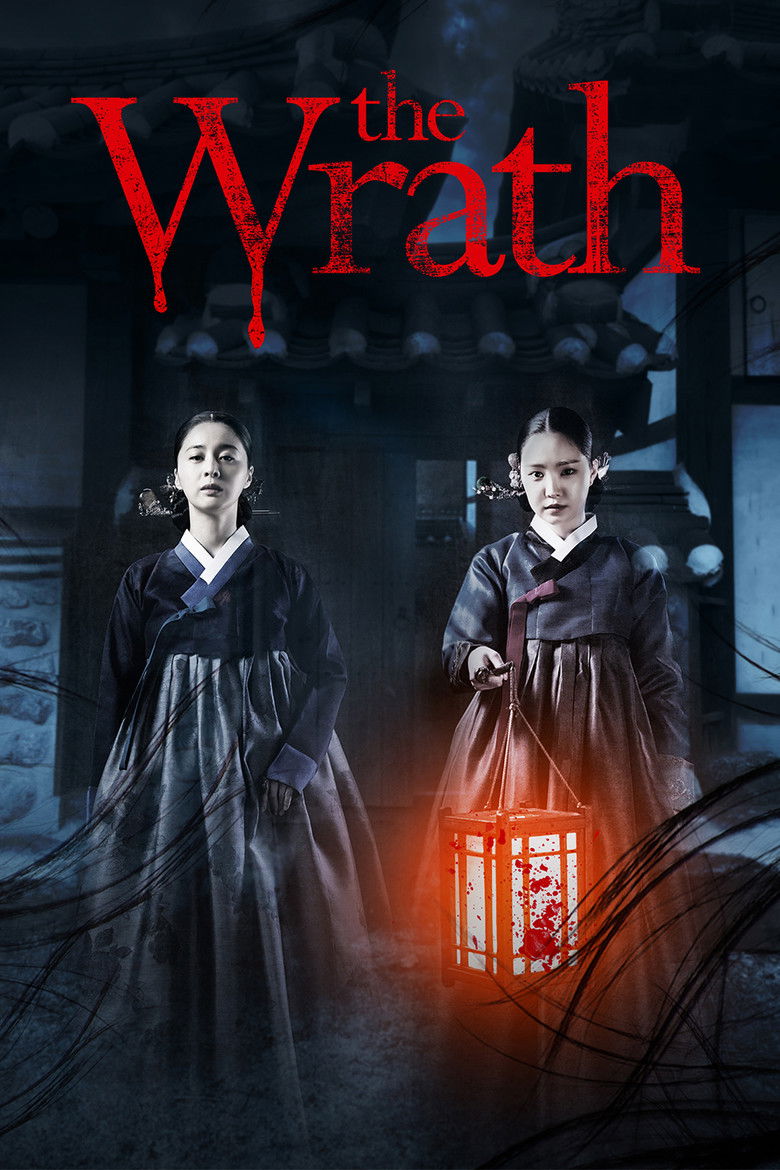
The Wrath 2018
Yoo Young-sun revives a 1986 shocker and keeps its real subject: a noble household where a daughter-in-law's survival depends on politics well before it depends on ghosts. The hierarchy does most of the haunting.
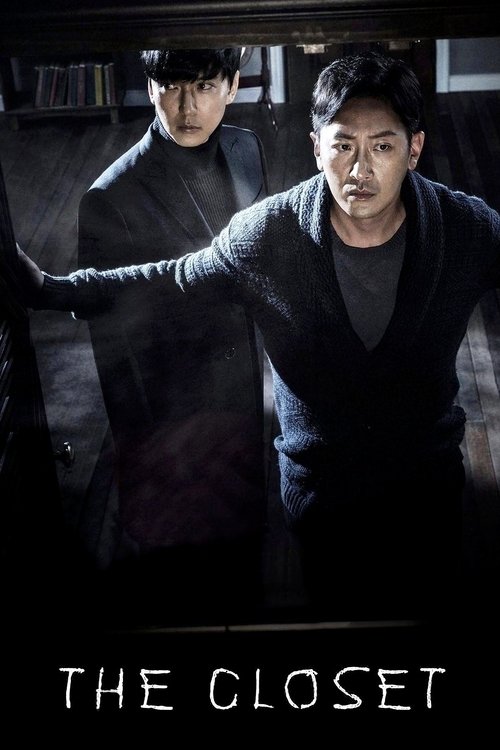
The Closet 2020
Kim Kwang-bin hangs a possession story on an absentee father's guilt, so the furniture only opens where the parenting failed. Ha Jung-woo and Kim Nam-gil play the investigation as mutual accusation.
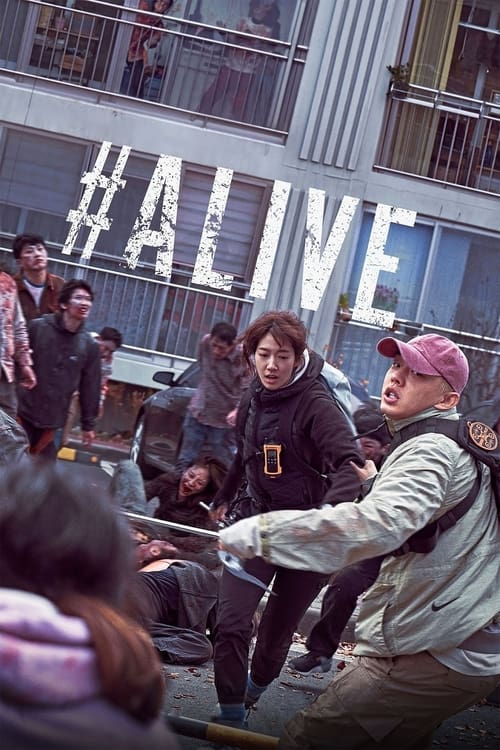
#Alive 2020
Cho Il-hyung shrinks the outbreak to one apartment and a dying phone battery, with isolation as the real antagonist. Released into a locked-down year, it read less like fantasy than like a diary.
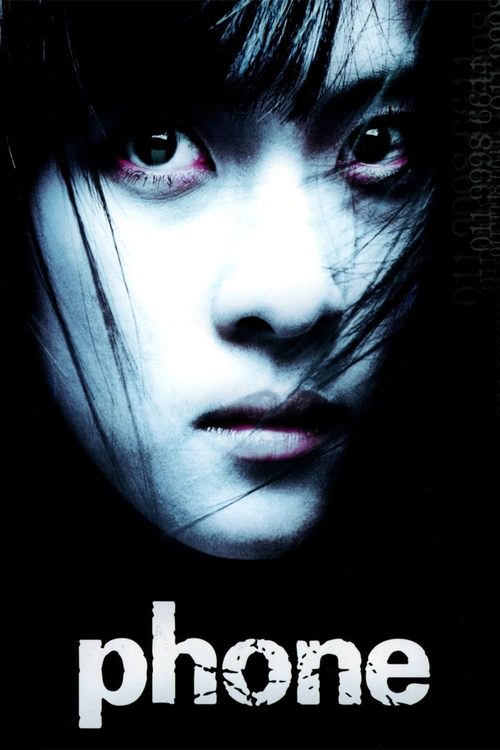
Phone 2002
Ahn Byeong-ki builds his scares around a number nobody wants, then relocates the threat into a child's behaviour, where hanging up solves nothing. Peak Korean tech-anxiety horror.

The Housemaid 1960
Kim Ki-young turns a middle-class stairwell into a battlefield and treats respectability as the most corrosive substance in the house. Sixty years on, its cruelty still feels ahead of schedule.
More shorts to watch