

Best Indonesian Horror Movies
Indonesian horror has become one of the most exciting national traditions in recent years, but its strength did not appear out of nowhere. The cinema has long mixed folklore, Islamic and local spiritual cosmologies, colonial hangovers, body threat, and social melodrama in ways that feel specific rather than export-tailored. The best Indonesian horror movies understand that haunting is often communal, tied to family obligation, belief practice, and spaces where modernity never fully erased older systems of fear.
Watch these free right now




The best Indonesian horror feels rooted rather than generic, drawing its force from family structure, ritual practice and village memory instead of abstract scares. That grounding, running from Mystics in Bali to Joko Anwar's family nightmares, is why the recent international attention has held.
The films on this list
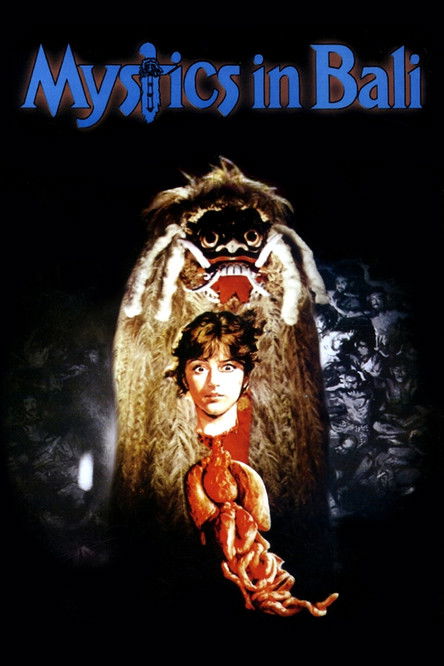
Mystics in Bali 1981
A cult landmark that hurls Indonesian occult imagery at the screen with total conviction. Its strangeness is not random: it comes from local mystical systems that Western genre categories still struggle to tame.

Satan's Slaves 2017
Joko Anwar retools the 1980 original into a slow, beautifully calibrated family nightmare. The house and the grief feel lived-in long before the supernatural machinery arrives.
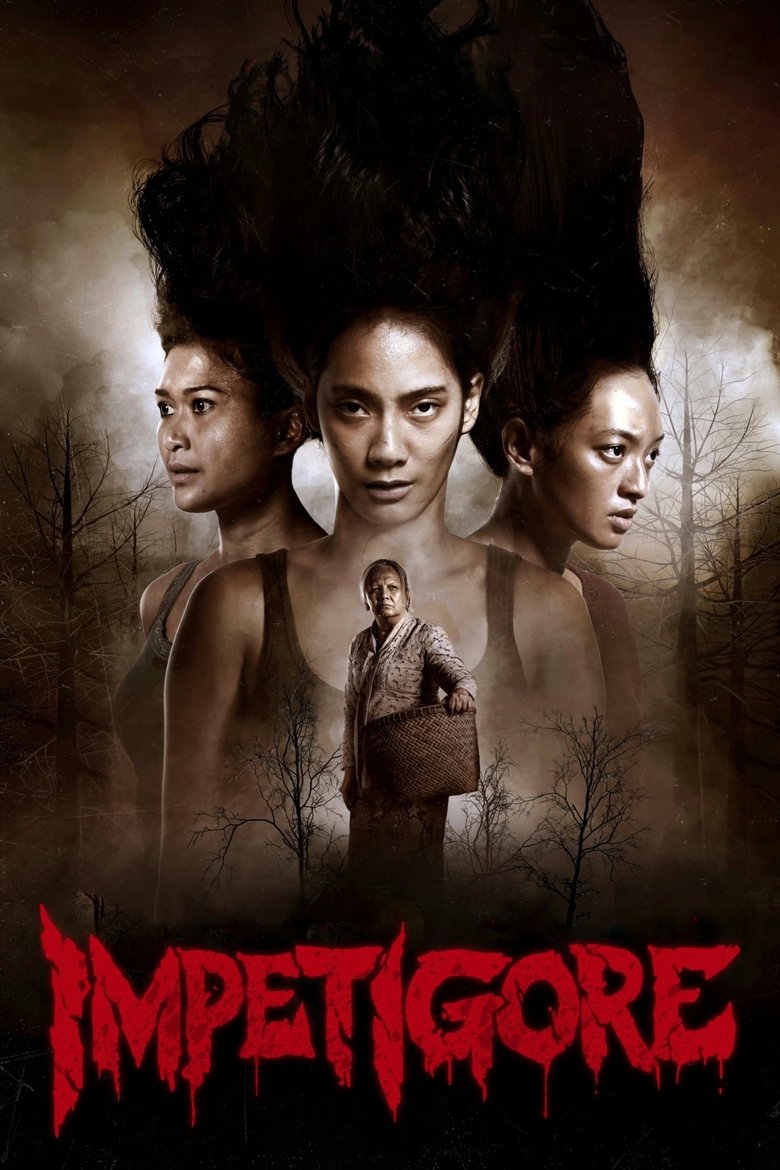
Impetigore 2019
Anwar moves into village-curse territory, using rural space as both social network and fatal design. Folk horror and family horror meet here without any strain.

May the Devil Take You 2018
Timo Tjahjanto brings loud, messy demonic energy, mixing inheritance horror with possession chaos and enough practical gore to keep it from ever feeling weightless.

The Queen of Black Magic 2019
Directed by Kimo Stamboel from a Joko Anwar script, it turns an orphanage reunion into a revenge-curse spiral of insects and guilt, showing how well the cinema handles social debt through supernatural form.

The Forbidden Door 2009
Anwar at his most psychological, surreal and satirical, using media, art and domestic repression to build a modern, specifically urban dread. Proof the tradition runs wider than ghosts and possession.
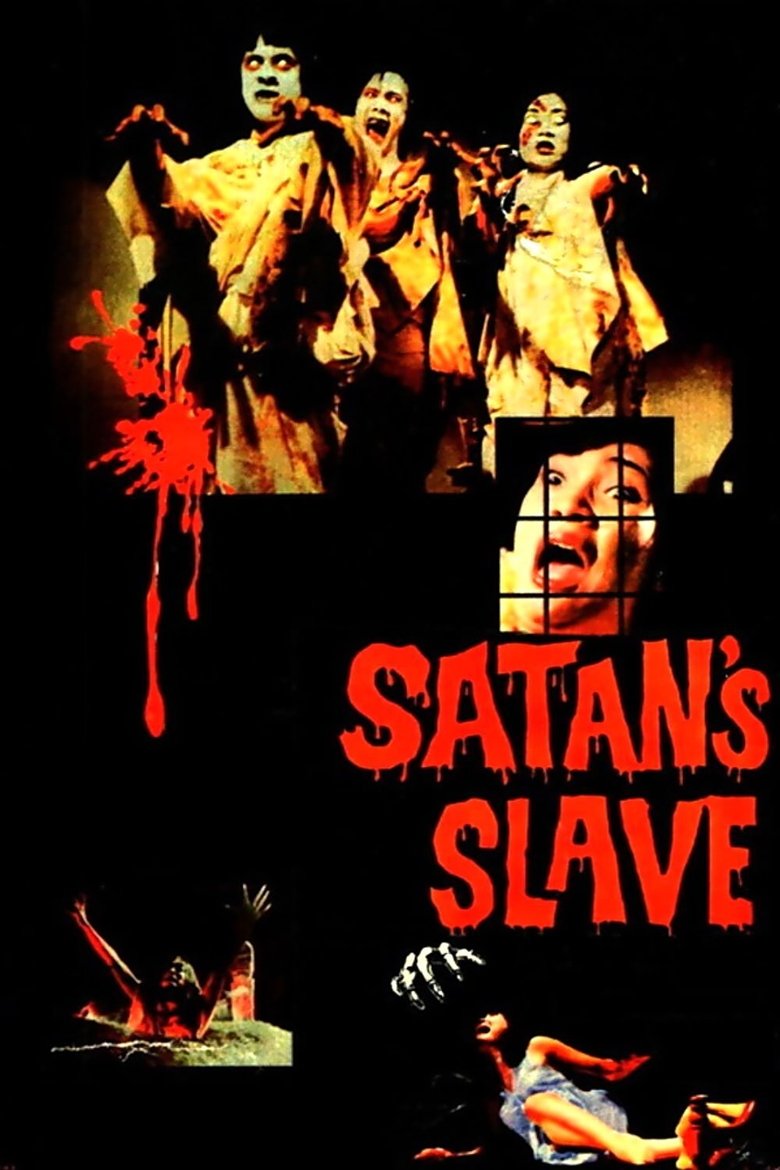
Satan's Slave 1980
Sisworo Gautama Putra's chiller sends a grieving family into a world of restless spirits and supernatural vengeance. Bereavement becomes the open door through which domestic terror enters.
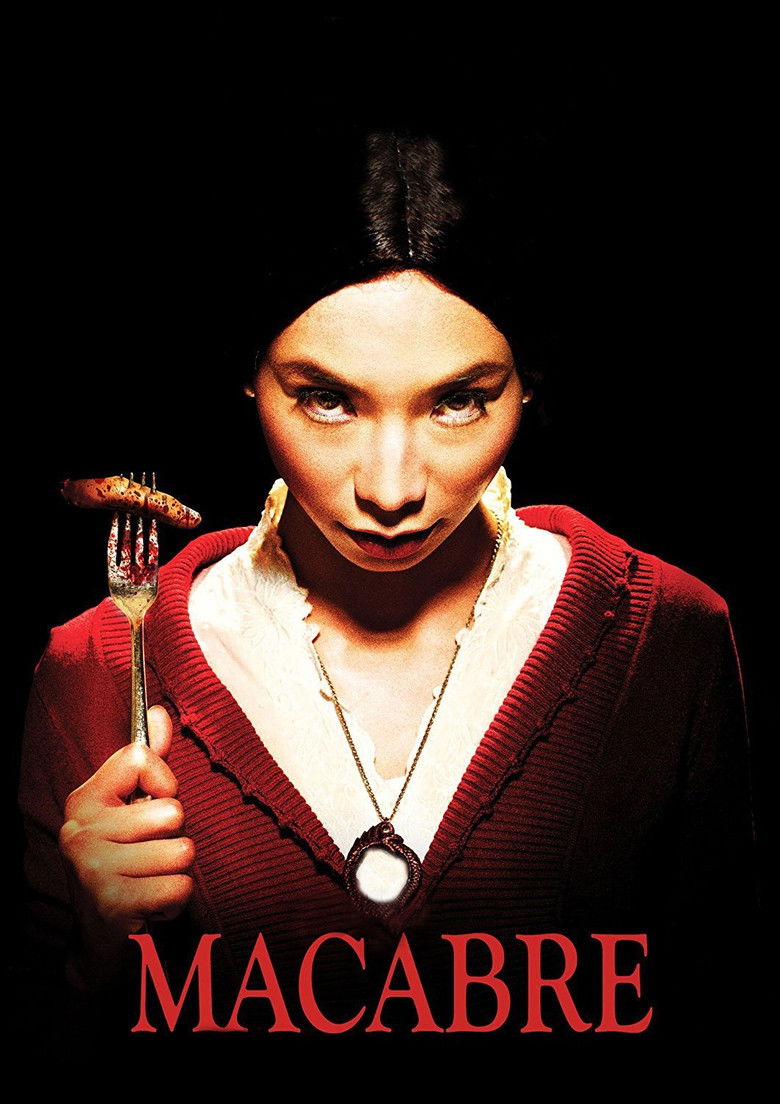
Macabre 2009
A group of friends encounters Dara's murderous household and discovers how little ordinary hospitality means there. The Mo Brothers tighten the family trap into ferocious, darkly comic slaughter.
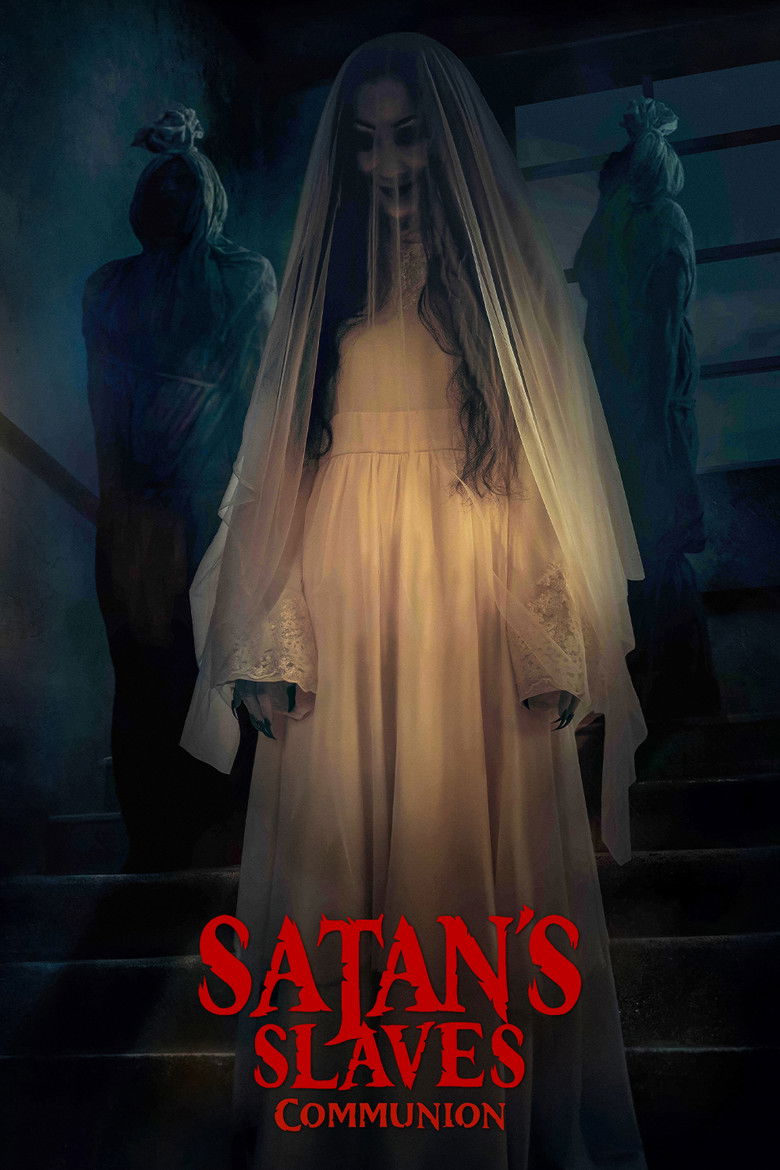
Satan's Slaves 2: Communion 2022
Joko Anwar moves the surviving Suwono family into a crowded apartment block, where they hope neighbours will offer safety. Communion turns that faith in numbers into a collective trap.

Grave Torture 2024
A woman determined to disprove punishment after death enters a grave beside a notorious sinner. Joko Anwar makes her experiment a severe collision of grief, faith and sensory terror.

KKN: Curse of the Dancing Village 2022
Students carrying out community service enter a remote village governed by prohibitions they do not understand. The film scales local ritual, possession and the seductive Badarawuhi into a national horror phenomenon.

May the Devil Take You Too 2020
Alfie and Nara are pulled into renewed demonic danger as disturbing visions return. The sequel treats survival not as closure, but as the beginning of another relentless supernatural assault.