The 25 Best Indie Horror Movies
Independent is a financing fact, not a compliment, and half the lists using the word mean nothing more than small. So here is our test, stated plainly: films made outside studio financing where the constraint became the aesthetic. Not films that overcame their budget, films that were shaped by it, where the grain, the single location, the fixed camera or the one available actor turned into the method.
That test sorts the field into recognisable lanes. The micro-budget breakout that changed distribution. The regional and one-location film built from whatever was within driving distance. The festival-circuit calling card, which is where the label gets slippery and we say so on the record. The do-it-yourself and shot-on-video tradition, which is the genre's actual underground. And the contemporary international indie, currently doing the most interesting work in the form.
How this list was built
Every entry had to answer one question: what did having no money make this film do that money would have undone? Romero's newsreel monochrome, Hooper's exhausted 16mm, Peli's locked-off bedroom camera, Ball's refusal to show a face for a hundred minutes. Where the answer was only that a film was small and pleasant, it did not make the cut.
Where the label needed honesty we gave it. A24-backed titles are independently distributed, not micro-budget, and we say that in the note rather than letting the word do quiet work. Films whose reputation outruns their availability were held out unless we could confirm a director and a year, because the indie end of horror is thick with titles that exist mainly as anecdotes. Festival premieres and commercial releases often sit a year or two apart down here, so we have flagged the drift where it matters.
This is deliberately not the site's studio-label selection and it is not the underrated-horror selection either. Canonical titles stay on this list when they pass the financing test, because pretending Night of the Living Dead is too famous to mention would make the history unreadable. Obscurity is not the criterion; method is.
The films on this list

Night of the Living Dead 1968
A Pittsburgh farmhouse, a crew of friends and nobody's permission. Romero shot in newsreel monochrome because that is what the money allowed, and the accident makes the ending land like reportage instead of fiction.
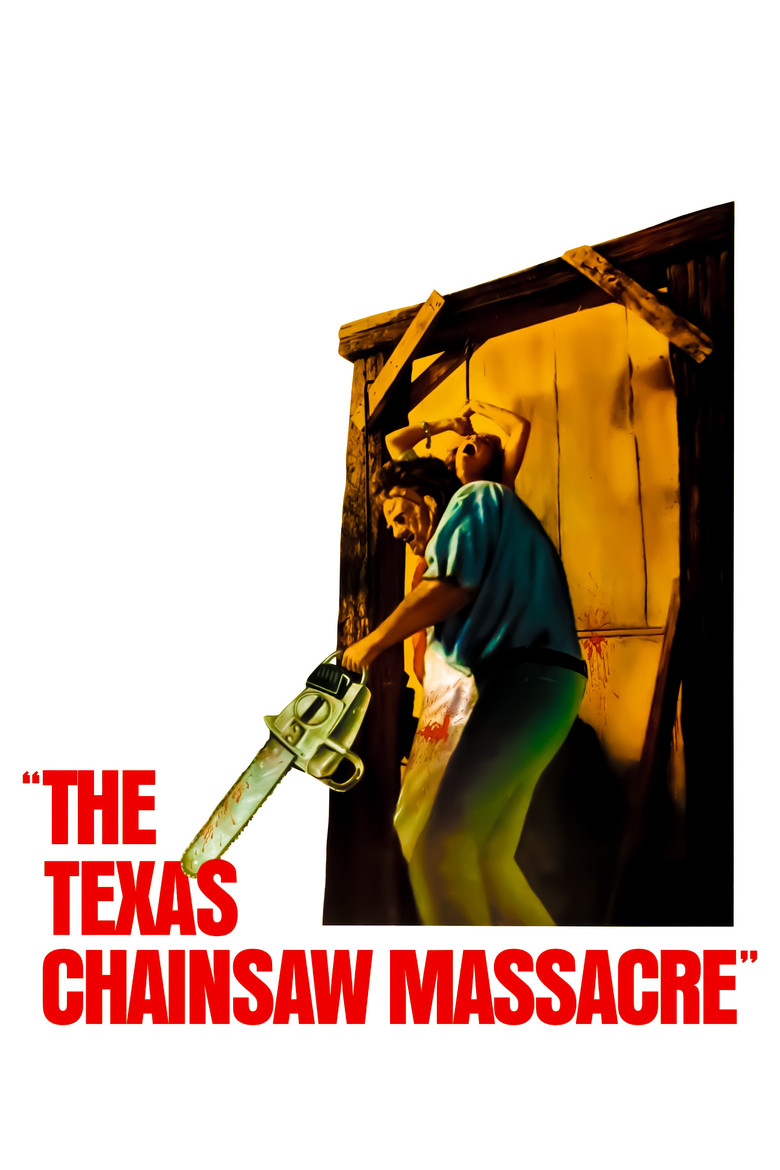
The Texas Chain Saw Massacre 1974
Hooper's 16mm heat, genuine animal stink and a cast pushed past exhaustion produce a film that feels less directed than survived. Nothing is stylised here because nothing could afford to be.

The Evil Dead 1981
Raimi raised the money from Michigan dentists and spent it on camera velocity: one cabin, five friends and a lens that charges through the trees like something with teeth. The cheapness is the engine.

The Blair Witch Project 1999
Myrick and Sanchez gave their actors coordinates and hunger, let the panic become real, then marketed the tape as evidence. The last third works because nobody in frame is performing a script any more.

Carnival of Souls 1962
An industrial-film director from Kansas made one feature, in an abandoned Utah pavilion, about a woman who cannot rejoin the living. Harvey's organ drone gets there before Romero and Lynch both.

Eraserhead 1977
Five years of night shooting in the AFI stables, financed in scraps as they came, and Lynch emerged with the most physically uncomfortable film ever made about new fatherhood. The entire budget seems to have gone into sound.

Hereditary 2018
Let us be honest about the label: A24 backed this, which means independent distribution rather than micro-budget scrapping. What earns the place is Aster's treatment of the house as a dollhouse and Toni Collette at full voltage.

Henry: Portrait of a Serial Killer 1986
Sixteen millimetre, four weeks, a hundred and ten thousand dollars, and an affect so flat the American ratings board never forgave it. McNaughton refuses to make the killing cinematic, which is precisely why it stays.

Tetsuo: The Iron Man 1989
Most of Tsukamoto's crew walked off the shoot and he finished with one actor, stop-motion scrap metal and pure obstinacy. Cyberpunk body horror at 16mm velocity, less a narrative than an industrial seizure.

It Follows 2015
Mitchell puts his 1.3 million into widescreen composition and a synthesiser score instead of gore, then lets the background of the frame do the threatening. Simple rules, architectural dread.

Paranormal Activity 2007
Fifteen thousand dollars, the director's own house, a tripod and one camera aimed at a bedroom door. Peli grasped that an audience staring at a static frame will frighten itself faster than any effect can.

Noroi: The Curse 2005
Shiraishi assembles tapes, television clips and interviews into a paper trail so patiently that the fiction stops announcing itself. The most rigorous found-footage construction anyone has attempted.

Lake Mungo 2009
Joel Anderson's only film treats grief as a forensic problem: interviews, photographs, a phone video examined once too often. The scare arrives quietly, then reorganises everything that came before it.

Pontypool 2009
One radio booth, three actors and a virus travelling through the English language. McDonald makes a contagion film with almost nothing shown, and Stephen McHattie's voice handles the special effects.

Session 9 2001
Shot inside the real Danvers asylum on early 24p video, following the clock of an asbestos abatement crew, and the location carries the picture. Peter Mullan's exhaustion frightens more than the tapes do.

The House of the Devil 2009
West shoots 2009 as 1983, down to the zoom lenses and the freeze-frame titles, then withholds for an hour while a babysitter wanders a house. The patience is the whole design and the payoff is savage.

Resolution 2013
Benson and Moorhead built a two-hander about addiction and intervention that keeps discovering film reels it should not, turning one cabin into a metafictional trap. Their entire shared universe starts here.

Kill List 2011
Wheatley opens on a marital argument at the kitchen table and closes somewhere pagan and unforgivable, with no visible seam between the two. Improvised dialogue, real money trouble on screen, deeply unpleasant sound work.

The Babadook 2014
Kent gives exhausted grief the shape of a picture-book monster, and the domestic scenes are harder to watch than the creature. An Australian first feature assembled from crowdfunding and nerve.

A Girl Walks Home Alone at Night 2014
Amirpour puts a chador-wearing vampire on a skateboard in a fictional Iranian oil town, shoots it in Californian black and white, and lets the western and the vampire film share one silhouette.
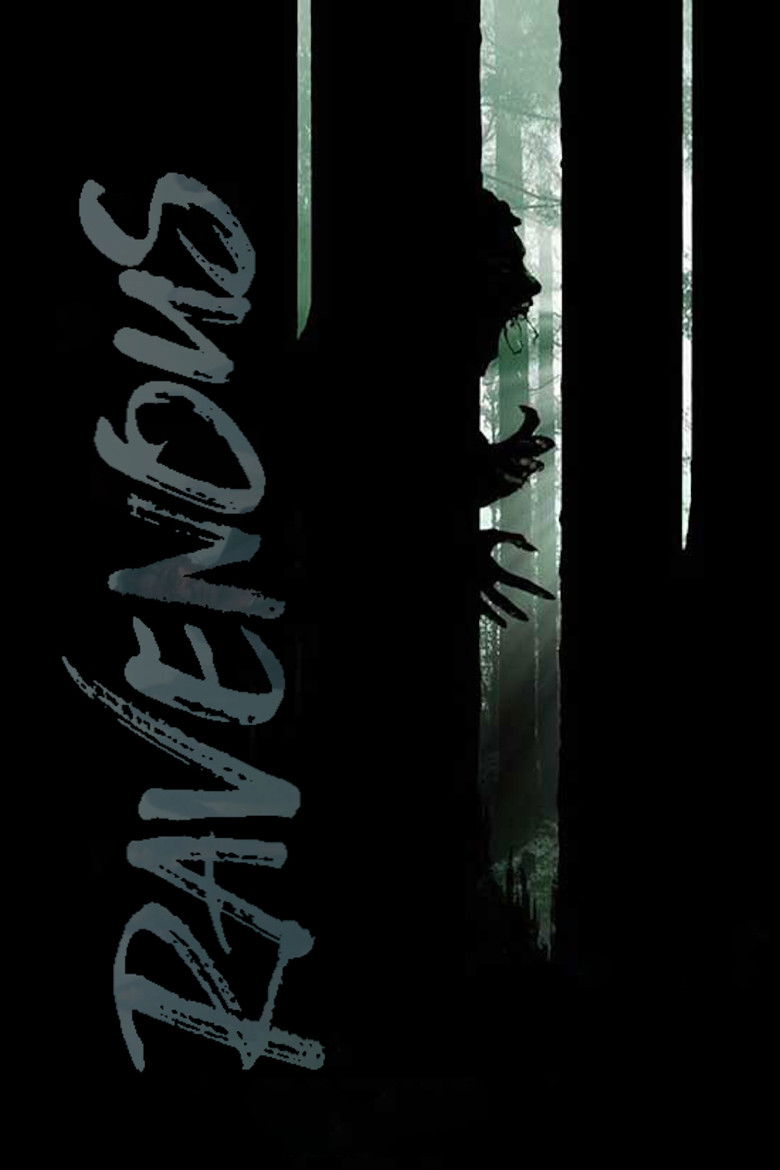
Ravenous 2017
Aubert's Quebec countryside zombie film is quiet, funny and thoroughly agricultural, with the infected stacking furniture into totems in the fields. Rural depopulation played as apocalypse in the flattest possible register.

Basket Case 1982
Henenlotter shot 16mm around Times Square with a puppet, a grudge and no permits at all. The result is funnier and sadder than its sleaze reputation allows, and Duane's suitcase is one of horror's great sight gags.

The Last House on the Left 1972
Craven and Cunningham pulled an exploitation picture out of Bergman's The Virgin Spring and the nausea of Vietnam news footage, and the grain of it refuses to console anyone. It is not enjoyable and was never meant to be.

Messiah of Evil 1975
Huyck and Katz filmed a coastal California town of blood-drinking sleepwalkers, then watched it sit on a shelf and get renamed repeatedly. The supermarket and cinema sequences are among the strangest images in American horror.

Bubba Ho-tep 2002
Coscarelli walked the prints from city to city himself because no distributor wanted Elvis and JFK fighting a mummy in a Texas rest home. Bruce Campbell plays it for genuine dignity, which is what saves the whole thing.